
Reviewed · MUSEUMS
Chicago: Museum of Illusions Timed Entrance Ticket
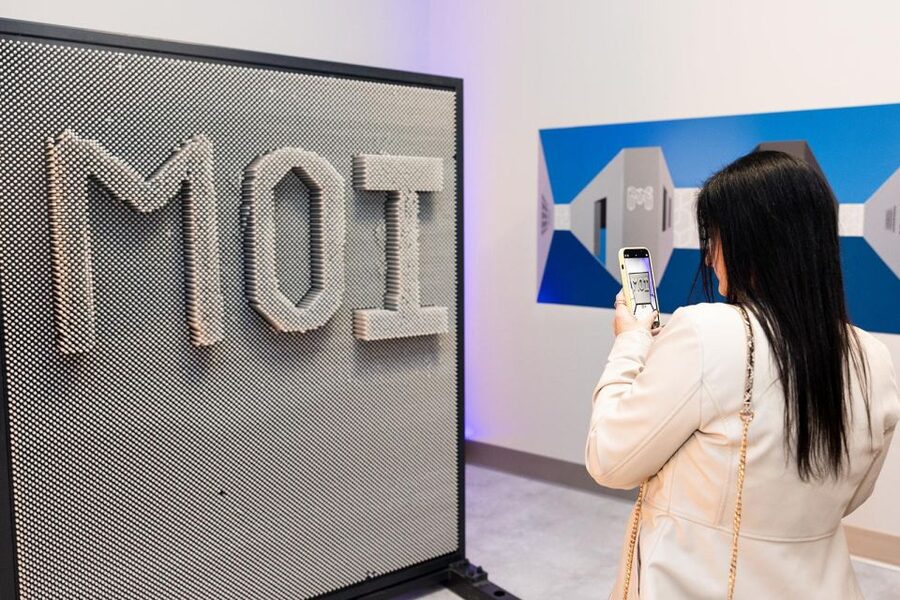
Chicago’s Museum of Illusions turns your eyes against your brain. In one room, you appear to defy gravity. In another, you grow or shrink beside your family. The best part is that you do not just look at the exhibits, you step into them and become part of the trick.
I like the hands-on photo opportunities and the Smart Playroom, which adds puzzles instead of sending you straight to the exit. I also like that helpful English-speaking staff can take your picture, a real benefit if you are visiting Chicago on your own. The main drawback is the price: $40 for a visit planned around 45 to 60 minutes can feel steep if you move quickly.
Key points at a glance
- More than 60 exhibits in the Chicago Loop: Expect holograms, stereograms, optical tricks, and rooms designed for direct participation.
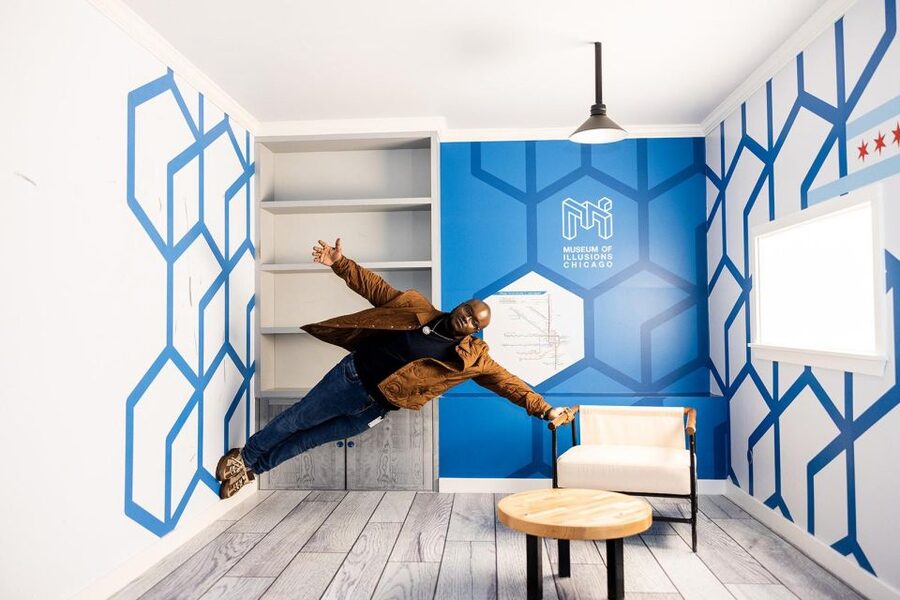
- The Tilted Room and Rotated Room: Pose as if gravity has stopped working or you are walking across a wall.
- The Ames Room and Beuchet Chair: Use forced perspective to look tiny, huge, oddly proportioned, or separated from your own body.
- Smart Playroom puzzles: Finish with games that test memory, problem-solving, and quick thinking.
- Strong choice for families and solo visitors: Staff can help with photos, and children four and under enter free.
- Plan your timing carefully: Your ticket is valid for the booked date and time, and most people spend about 45 to 60 minutes inside.
Entering Chicago’s Museum of Illusions

The museum sits in the heart of the Chicago Loop, making it an easy indoor stop during a day downtown. You check in at the front desk by giving your booking name, then begin moving through the exhibits at your own pace.
This is not a guided walking tour with a set speech or a long historical presentation. An English-speaking host or greeter is available, but the main activity is self-directed. You read the short explanations, try each station, and work out how the trick affects your sight and judgment.
That format suits families well. Children can move from one challenge to the next, while adults get enough explanation to understand why the illusion works. It also helps solo visitors, since staff can assist with pictures when a particular exhibit needs more than a quick selfie.
The museum is wheelchair accessible. Food and drinks are not allowed inside, so plan to eat before or after your visit.
More museums in Chicago:
- Medieval Torture Museum Ticket with Audio Guide and Ghost Hunting
★ 5.0 · 962 reviews - Chicago: Field Museum of Natural History Ticket or VIP Tour
★ 4.7 · 717 reviews - Field Museum of Natural History Admission Tickets
★ 4.5 · 489 reviews
The Tilted Room and Rotated Room
The first rooms make the museum’s purpose clear: your brain takes visual clues and quickly turns them into a version of reality. Change the angle of the room, and your sense of balance and direction starts to wobble.
In the Tilted Room, you pose against a slanted setting that makes ordinary movement look strange. A photograph can make it appear that you are leaning at an impossible angle or standing on a surface that should send you sliding away. The picture is often more convincing than the moment itself, so take time to frame the shot properly.
The Rotated Room pushes the idea further. It is designed to make you look as if you are walking on walls. The trick works best when the photographer stands in the right position, so ask the staff for help if you want the finished image to look convincing.
These exhibits are simple, but they are among the most useful for families because several people can pose together. You can also compare how each person reacts to the same room. The drawback is that popular photo spots may take longer when a group is carefully setting up pictures.
Shrinking in the Ames Room
The Ames Room is one of the museum’s classic perspective tricks. Stand in the right spot and one person can appear much larger or smaller than another, even though the room itself creates the effect.
This is a good place to slow down and look at the room before rushing into the photo. Your brain expects the walls and floor to follow normal proportions. The room quietly breaks those expectations, then your mind fills in the scene as if it were ordinary.
For children, the result feels like a magic trick. For adults, it is a quick lesson in how strongly context shapes what you see. The exhibit is also better with two or more people, since the size difference becomes clear in one frame.
If you are visiting with a group, rotate through the positions. You may find that the person who looks giant in one pose looks tiny in another. That simple change makes the exhibit worth more than one quick picture.
Infinity Room, Vortex Tunnel, and holograms
The Infinity Room uses repeated reflections to create the sensation of endless space. It is less about solving a puzzle and more about watching the room stretch beyond its physical limits. The effect works especially well in photographs, where the edges of the actual room can disappear.
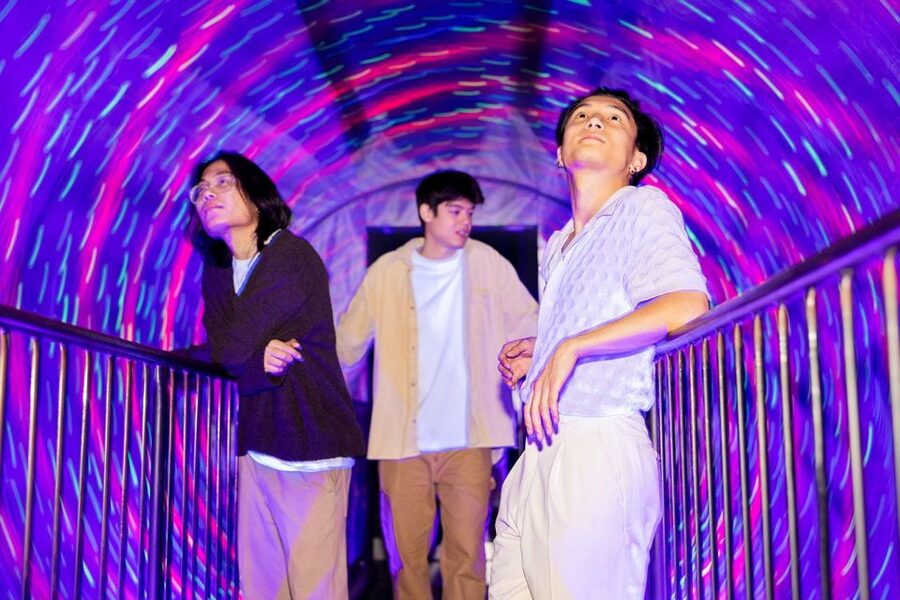
The Vortex Tunnel attacks your balance in a different way. The tunnel itself is stationary, but the pattern and movement around you can make your body feel uncertain. You may know that the floor is safe, yet your senses suggest otherwise.
This is where the museum’s educational side earns its place. The exhibits do not simply ask you to accept a trick. They show how sight, motion, depth, and expectation work together. You are having fun, but you are also seeing how easily the brain makes fast decisions from incomplete information.
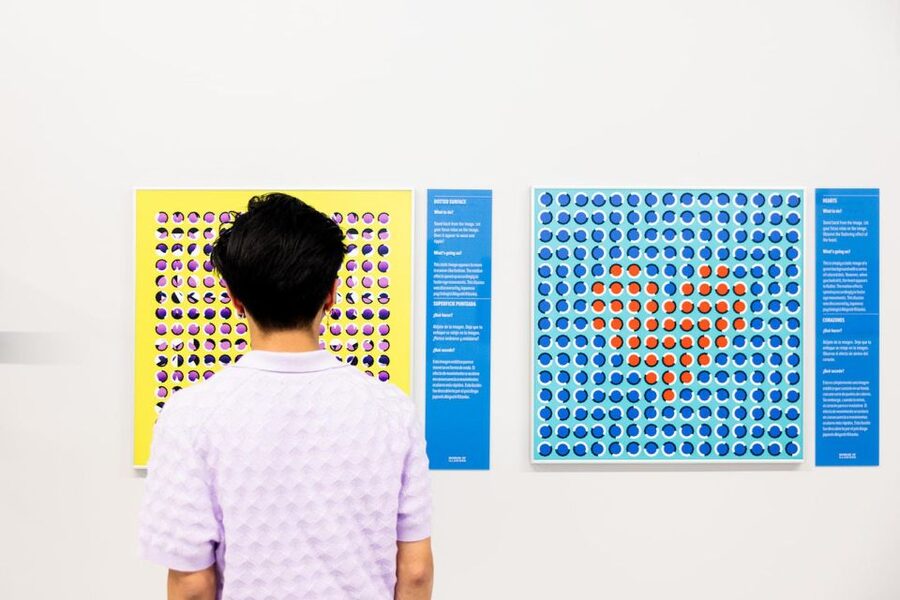
The museum also includes holograms, stereograms, and other optical illusions. These displays give the visit more variety than a string of photo rooms. Some work best when you stand in a particular place, so read the directions and give your eyes a moment to adjust.
More tickets in Chicago:
- Chicago: Willis Tower Skydeck and The Ledge Ticket
★ 4.6 · 4,350 reviews - Chicago: Architecture River Cruise Skip-the-Ticket Line
★ 4.8 · 4,325 reviews - Chicago: 360 CHICAGO Observation Deck Ticket
★ 4.5 · 3,173 reviews - Museum of Ice Cream Chicago Admission Ticket
★ 3.5 · 396 reviews
The Beuchet Chair and Clone Table
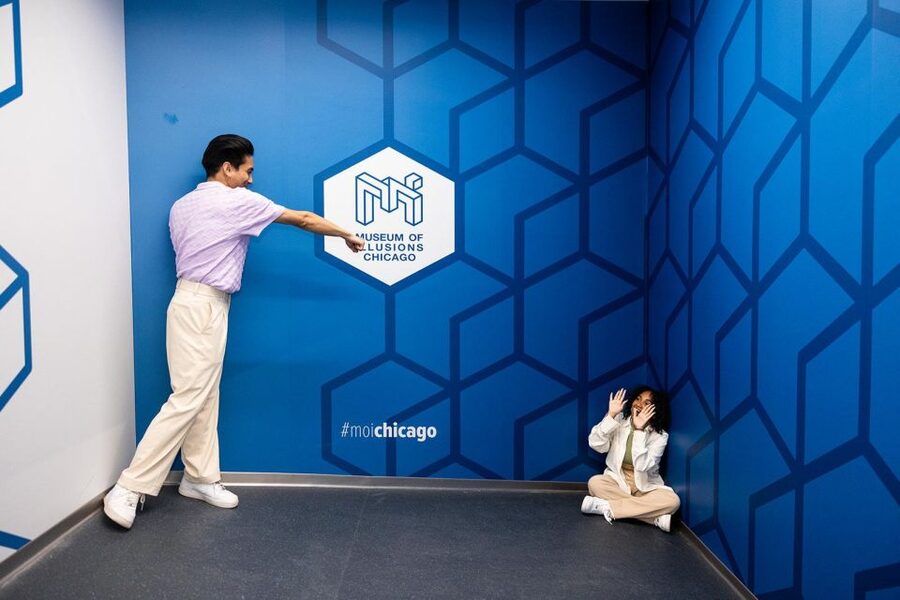
The Beuchet Chair breaks the connection between a chair’s parts and the person sitting in it. From the right angle, your body can look strangely out of proportion. It is a good example of how a familiar object becomes confusing when its scale and placement change.
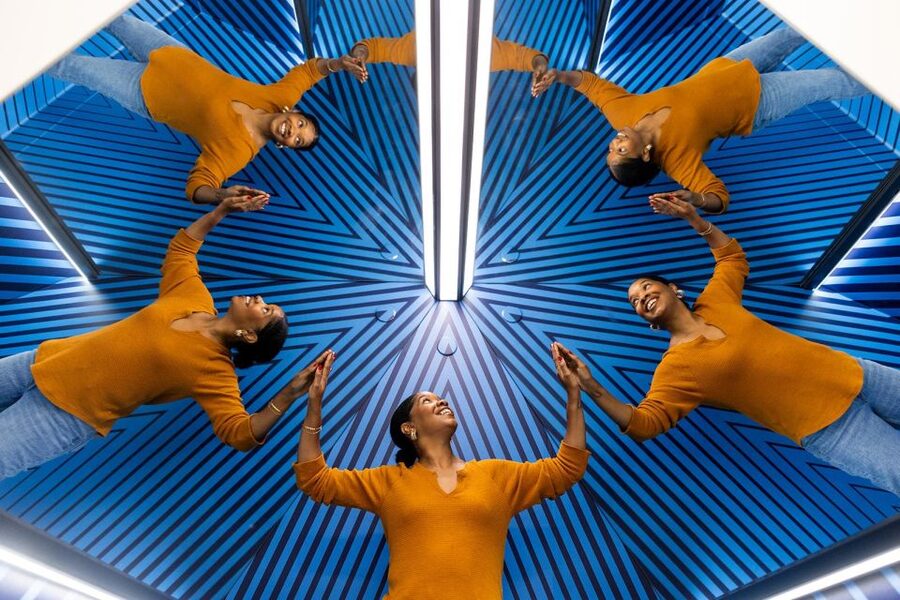
At the Clone Table, you can appear to meet several versions of yourself. The exhibit is built for group photos and works particularly well when everyone commits to the pose. If you are traveling alone, staff assistance matters here because the illusion depends on camera position and composition.
These stations reward cooperation. One person has to pose, another has to take the picture, and sometimes a third person needs to check the framing. That makes the museum feel social rather than passive.
I would not treat every exhibit as a must-see masterpiece. Some tricks will impress you more than others, and a few may take only a minute to understand. The value comes from the range of effects and from the chance to compare them with your family or friends.
Smart Playroom: puzzles after the photo stops
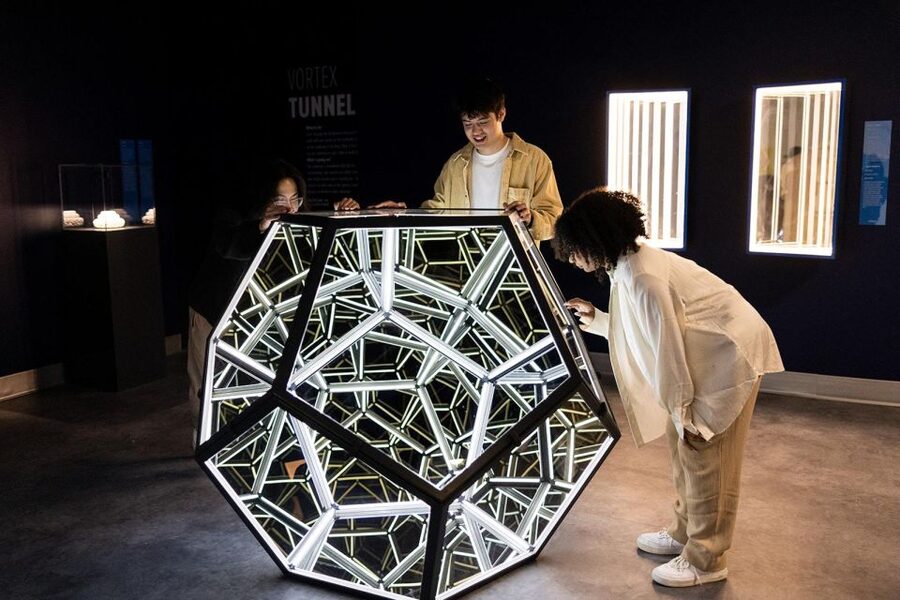
The Smart Playroom is an important part of the visit because it changes the pace. After several rooms built around visual perception, you get games that test memory, logic, problem-solving, and cognition.
This section is a good fit for children who enjoy challenges more than posing for pictures. It also gives adults something to do besides manage the camera. Friendly competition works well here: pick a puzzle, set a goal, and see who can solve it first.
The games help explain that the brain can be tricked in more than one way. The earlier exhibits rely on sight and perspective. The Smart Playroom asks you to remember patterns, spot relationships, and make decisions under pressure.
Give this area enough time. A fast visit focused only on the main photo rooms can make the museum feel short. The puzzle room is the extra stop that helps turn a collection of visual tricks into a fuller activity for the family.
How long the visit takes, and how to plan it
Plan on about 45 to 60 minutes inside. That estimate works if you try the main rooms, read some explanations, and take a reasonable number of photos. A group with young children may need more time at the puzzles and photo stations, while a solo visitor moving quickly may finish sooner.
The ticket is timed and valid only on the date and time booked. That makes it easy to fit the museum into a larger Chicago day, but it also means you should not treat the reservation as an open-ended pass.
Morning, afternoon, and evening times are usually available. An early slot may give you more room to take pictures without feeling rushed. One solo visitor who arrived at 10 a.m. found the museum quiet enough for a staff member to take photos. That makes an early visit worth considering if you want cleaner pictures or prefer a calmer pace.
The museum nearly doubles its earlier space and includes more than 60 exhibits, although the visit can still feel compact. You are not spending a full afternoon here. Think of it as a focused downtown activity that fits neatly between larger Chicago attractions.
Is $40 a fair price?

The ticket costs $40 per person, including entry to the museum and all exhibitions, as well as local taxes and fees. Children four and under are free and do not need a ticket.
That price is reasonable for a family that will use the rooms, take plenty of photos, and spend time in the Smart Playroom. It is less convincing if you plan to walk through every exhibit in 30 minutes and take only a few pictures.
The museum’s value also depends on what you want from a Chicago attraction. This is not a major art museum with hours of galleries, and it is not a traditional science museum with large displays. You are paying for interactive rooms, group participation, and memorable pictures in a central location.
I would book it for a family day, a rainy afternoon, or a downtown break when everyone needs something playful. For a solo visitor, the value improves if you enjoy the puzzles and are comfortable asking staff to help with photographs. The staff’s willingness to assist with pictures has been one of the most useful features of the visit.
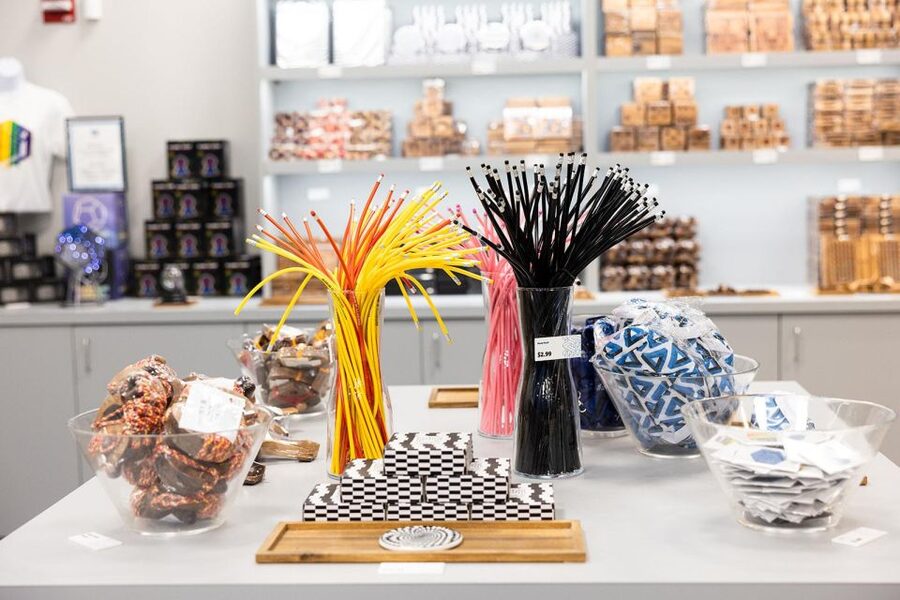
The onsite Smart Shop sells many of the games found in the Smart Playroom, along with other Museum of Illusions merchandise. It can be a convenient stop if one of the puzzles becomes a favorite, but remember that purchases are extra.
Who will enjoy this museum most?
Families with school-age children are the clearest match. The exhibits are active, easy to understand, and built around visual surprises rather than long explanations. Parents can take part instead of watching from the side.
It also suits couples, groups of friends, and adults who like unusual photographs. The Clone Table, Tilted Room, Rotated Room, and Ames Room work best when people pose together.
Solo visitors can still have a good time. Staff can help with photos, and many exhibits can be understood without a partner. You should simply allow a little extra time for asking for assistance and deciding how you want each picture framed.
The museum may be less satisfying for someone seeking a long, quiet cultural visit. You will get more from it if you enjoy trying things, laughing at odd camera angles, and testing your own assumptions.
Practical booking advice
Book a time that gives you room to arrive without rushing. Since the ticket applies only to the selected date and time, build in enough time for downtown traffic, public transport, or a meal before the visit.
You can cancel up to 24 hours in advance for a full refund, and the reserve-now, pay-later option keeps your plans flexible. These terms are useful if your Chicago schedule is still changing.
The museum does not allow food or drinks, so finish your coffee before check-in. Wear whatever lets you move comfortably through the rooms, though the information provided does not set a special dress requirement.
If accessibility is important for your group, the museum is wheelchair accessible. For the smoothest visit, tell the front desk what kind of help you need when you arrive.
Should you book the Museum of Illusions Chicago?
Book it if you want a short, active attraction with strong photo opportunities and enough educational content to keep the experience from feeling like a simple picture stop. It is especially good for families, groups, and solo visitors who appreciate staff help.
Skip it if you want several hours of galleries or find optical tricks frustrating rather than funny. At $40, the museum works best when you use the Smart Playroom, try many exhibits, and take your time with the photos.
For most people, I would treat it as a lively 45 to 60-minute addition to a Loop itinerary, not as the sole event of the day. Arrive early if possible, ask staff to help with camera angles, and save time for the puzzles at the end.
FAQ
Where is the Museum of Illusions Chicago?
The museum is located in the heart of Chicago’s Loop in Illinois, United States. Check in at the front desk by giving your booking name.
How long does the visit take?
Plan for about 45 to 60 minutes inside the museum.
What does the ticket include?
The ticket includes entrance to the Museum of Illusions Chicago and all exhibitions, along with local taxes and fees.
Are children under four required to have a ticket?
No. Children four and under enter free and do not need a ticket.
Is the museum wheelchair accessible?
Yes, the Museum of Illusions Chicago is wheelchair accessible.
Can I bring food or drinks inside?
No. Food and drinks are not allowed inside the museum.
Recently added around Chicago
- Travel between Chicago O’Hare and Madison★ 4.5 · 4 reviews
- Workers Cottages of Oldtown Triangle Walking Tour★ 5.0 · 45 reviews
- Volo Auto Museum: Admission Ticket★ 4.5 · 55 reviews
- Holiday Walking Tour: Underground Chicago via the Pedway★ 5.0 · 27 reviews
- Verse Immersive Holographic Theater in Chicago★ 4.5 · 28 reviews
- Vito’s Vault Chicago finest dinner theatre speakeasy★ 5.0 · 14 reviews
- Delicious Donuts & Sweet Treats: West Loop Walking Tour★ 5.0 · 47 reviews
- Traveling Spoon Chicago-Style Deep Dish Pizza Private Online Cooking Class★ 5.0 · 4 reviews
Museums, compared.
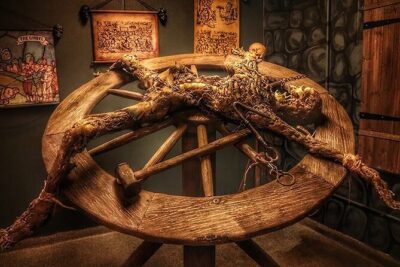
Medieval Torture Museum Ticket with Audio Guide and Ghost Hunting
Read our review →
Field Museum of Natural History Ticket or VIP Tour
Read our review →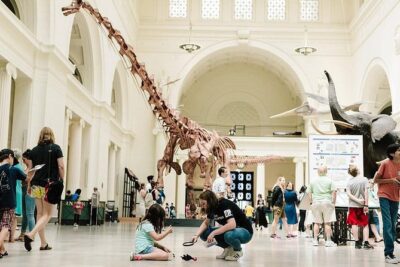
Field Museum of Natural History Admission Tickets
Read our review →

2-Hour Chicago Lakefront & Museum Campus Segway Tour
Read our review →


Chicago Landmarks & Museum Campus Small Group Segway Tour
Read our review →Browse the lists this tour appears in