
Reviewed · MUSEUMS
Chicago: WNDR Museum Entry Ticket
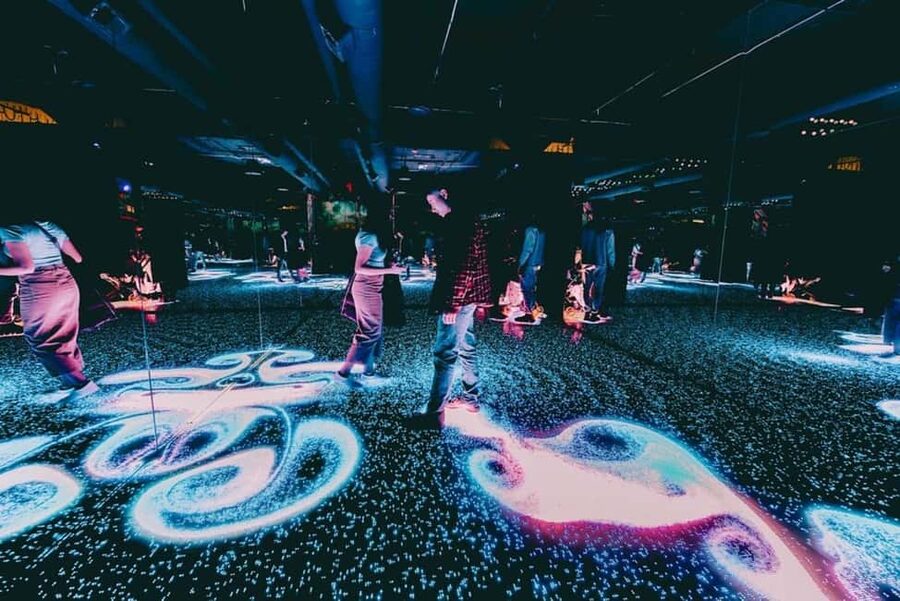
At Chicago’s WNDR Museum, the art does not sit quietly on a wall. Your movements, touch, and choices help shape what you see and hear, from light-based rooms to AI-driven works. It is a compact, technology-led visit built for people who like to take part rather than simply look.
I like the hands-on exhibits, which give the visit an easy, playful rhythm. I also like the central Chicago setting, since you can fit this one-hour stop into a day of museums, shopping, meals, or city sightseeing.
The main concern is value. At $36 per person, the visit can feel expensive if you move through it quickly, especially since some of the displays may appeal more to children and social-media photographers than to serious art lovers. Photos sold at the end also cost extra.
Key points to know before you go
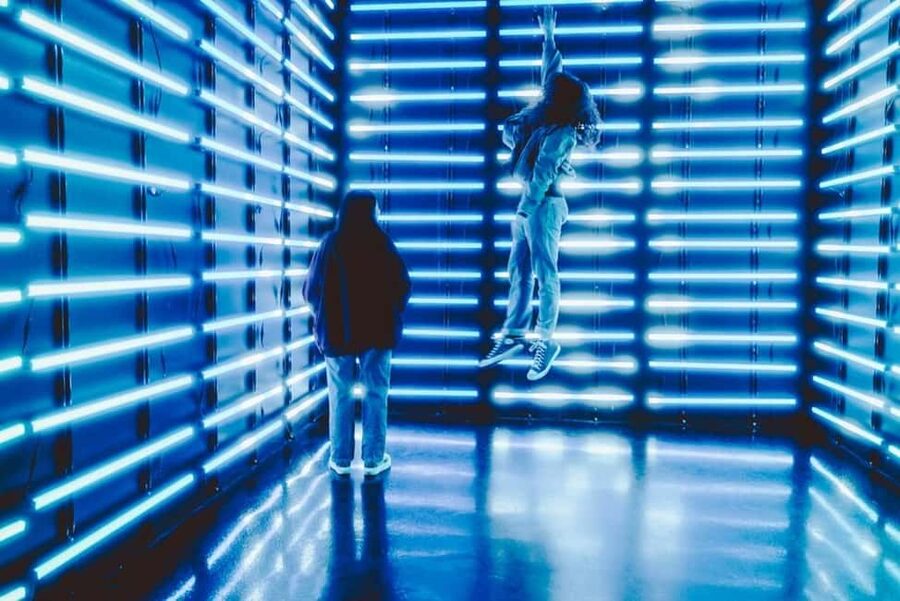
- Your actions become part of the artwork: Light, sound, and tactile installations respond to how you interact with them.
- Plan for about one hour: The museum offers plenty to see in that time, but it is a brief visit rather than a full afternoon museum outing.
- Expect changing content: The displays are updated over time, so a future visit may not look exactly like your first.
- There is no guided tour: You explore independently, with an English-speaking host or greeter available.
- The $36 ticket is convenient but not cheap: Skip-the-line entry and flexible booking help, but extra photo costs can affect the total.
- Access is practical: The museum is wheelchair accessible, and entry is commonly available in the morning, afternoon, and evening.
What kind of museum is WNDR?
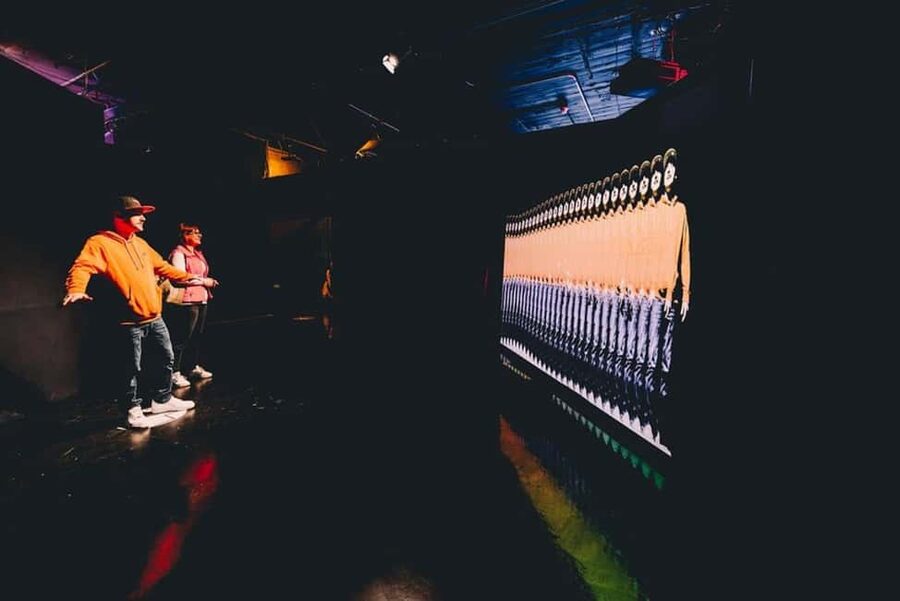
WNDR Museum is an interactive art attraction in Chicago where technology is part of the subject and the method. Instead of walking through rooms filled with objects that you view from a distance, you move through displays designed to react to you.
That difference matters. You are not just studying an artwork. You may trigger a change in light, sound, color, or digital imagery by moving through the space or touching part of an installation. The result feels closer to a series of creative experiments than a traditional museum collection.
The museum brings together work by artists, designers, and technologists. The exact mix can change, so I would not treat the current experience as a fixed collection. Its changing program is one reason you might return, though it also means the visit can be hard to judge from older photographs.
The tone is playful and curious. You will find light installations, sound-based pieces, tactile displays, and AI-related art rather than a standard lineup of paintings and sculptures. If you want a quiet museum visit built around labels and historical context, this may not be your best choice. If you want to see what happens when art responds to your presence, it makes more sense.
More museums in Chicago:
- Medieval Torture Museum Ticket with Audio Guide and Ghost Hunting
★ 5.0 · 962 reviews - Chicago: Field Museum of Natural History Ticket or VIP Tour
★ 4.7 · 717 reviews - Field Museum of Natural History Admission Tickets
★ 4.5 · 489 reviews
Moving through the museum in about one hour
The visit is designed as a short, self-guided circuit. You enter with your ticket, receive the basic orientation needed to begin, and then move from one interactive work to another. There is no listed guided tour, so you control the pace.
I would allow the full hour rather than planning to rush through in 30 minutes. The museum is not described as a large institution, but there are enough different types of displays to keep the visit active: lights, sound, touch, digital effects, and works shaped by artificial intelligence.
Your first few stops help you understand the basic rule of the place: participate. At a conventional museum, you may worry about getting too close. Here, interaction is the point, although you should still follow any instructions posted beside each work.
As you continue, the experience shifts between visual and sensory effects. A kaleidoscopic room may give you the most immediate photo opportunity, while a soundscape or responsive display asks you to pay attention in a different way. Some works are likely to reward a few extra moments of play, while others may make their point quickly.
The hour passes easily if you stop to test how each installation responds. It passes less well if you treat the museum as a fast photo corridor. I would slow down at the pieces that react to movement or touch, then take photos after you understand how they work.
The final part gives you a chance to think about what you have seen and share your creations. The visit does not end with a formal lecture or guided explanation. Its payoff comes from the things you try, the images you make, and the contrast between one installation and the next.
Light, sound, touch, and artificial intelligence
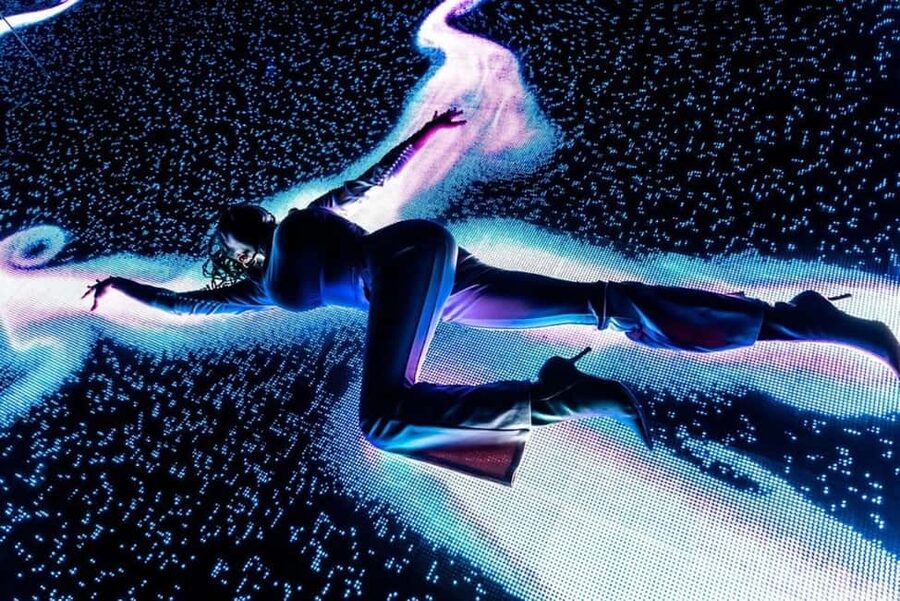
The strongest reason to buy this ticket is the variety of ways the artworks engage you. Light installations provide the most obvious visual impact, but the soundscapes and tactile works keep the visit from becoming a simple parade of colorful rooms.
Interactive light pieces can be especially effective when several people are moving through them. Your position may alter what you see, and the room can feel different from one moment to the next. That makes the work more active than a static backdrop, though the quality of the experience depends on how much you enjoy experimenting.
Sound adds another layer. You may notice effects that are easy to miss if you focus only on taking photographs. I recommend putting the phone down for at least part of the visit and paying attention to how the audio changes the mood of a room.
Tactile displays offer a more direct form of participation. They can make the museum appealing to families and to anyone who finds purely visual art a little distant. The information provided does not identify every installation or explain exactly how each one works, so you should expect discovery rather than a tightly narrated tour.
AI-driven artworks bring a different question: is the interest in the image, the process, or your reaction to it? The museum places these works beside physical and sensory installations, which lets you compare different kinds of technology. That mix is more interesting than a room devoted to one type of screen.
Still, technology alone does not guarantee a great artwork. Some displays may strike you as clever but brief. The experience is strongest when the technology changes your behavior or perception, not when it simply provides a bright background for a photograph.
Why the changing exhibits matter

The museum refreshes its experiences over time. That is useful if you live in Chicago or plan to return, because a second visit may offer different installations. It also means you should avoid relying too heavily on someone else’s old photos when deciding if the ticket suits you.
A changing program keeps the museum connected to new tools and ideas. It can also make the visit feel current rather than fixed in one moment. On the other hand, the lack of a permanent lineup makes value harder to predict. You are paying for the type of experience, not a guaranteed list of specific works.
For a first visit, I would focus on the overall range: one or two light-based rooms, a sound piece, a tactile display, and an AI-related work. That gives you a better sense of the museum than spending most of your hour at the first photogenic installation.
This also explains the mixed value. One person may find the variety exciting, while another may feel that the visit ends just as it gets interesting. The experience has been rated 3.8 out of 5 from eight reviews, which fits that middle ground: clearly enjoyable for some, but not a universal hit.
More tickets in Chicago:
- Chicago: Willis Tower Skydeck and The Ledge Ticket
★ 4.6 · 4,350 reviews - Chicago: Architecture River Cruise Skip-the-Ticket Line
★ 4.8 · 4,325 reviews - Chicago: 360 CHICAGO Observation Deck Ticket
★ 4.5 · 3,173 reviews - Museum of Ice Cream Chicago Admission Ticket
★ 3.5 · 396 reviews
Is $36 a fair price?
The ticket costs $36 per person. That is a serious price for a visit lasting about one hour, so you should compare it with what you want from a Chicago attraction.
The price makes more sense if you value interactive design, social photographs, and short attractions that fit neatly into a busy day. You are also paying for the chance to experience changing technology-led art rather than a standard exhibition. Skip-the-line entry adds convenience, especially if you have a tight schedule.
The value is weaker if you judge museums by size, historical importance, or time spent inside. You may see many interesting pieces in an hour, but you are unlikely to spend an entire afternoon here. One direct assessment called the visit brief and expensive, and that criticism is fair for visitors who expect a large museum for the price.
Photo costs can make the total feel higher. The museum provides opportunities to record your visit, but images sold at the end are reported as particularly expensive. You can enjoy the installations without buying them, so decide beforehand how much you want to spend on keepsakes.
I would consider the ticket reasonable for a special-interest stop, a rainy-day plan, or a family looking for something interactive. I would hesitate if you are choosing between this and one of Chicago’s major museums and want the strongest art value per dollar.
Best times and the practical setup
Entry is usually available in the morning, afternoon, and evening. That flexibility is useful because you can place the museum around meals, theater plans, or other Chicago attractions rather than giving it the best part of your day.
A morning visit may suit you if you want to explore at the start of your schedule. An afternoon visit gives you an easy indoor break. Evening entry can work well when you are already in the central area, though the supplied details do not identify a specific time as quieter or less crowded.
You receive entry only. A guided tour is not included, and the host or greeter speaks English. That means you should expect to make your own way through the displays rather than follow an expert explaining the artistic ideas behind every work.
The museum is wheelchair accessible, which makes the interactive format available to more visitors. Since the activity lasts one hour, it can also fit into a day without requiring a large block of energy or planning.
You can cancel up to 24 hours before the visit for a full refund. The reserve-now, pay-later option lets you hold a place without paying at the time of booking, which is useful when your Chicago schedule is still changing.
Who will enjoy WNDR most?
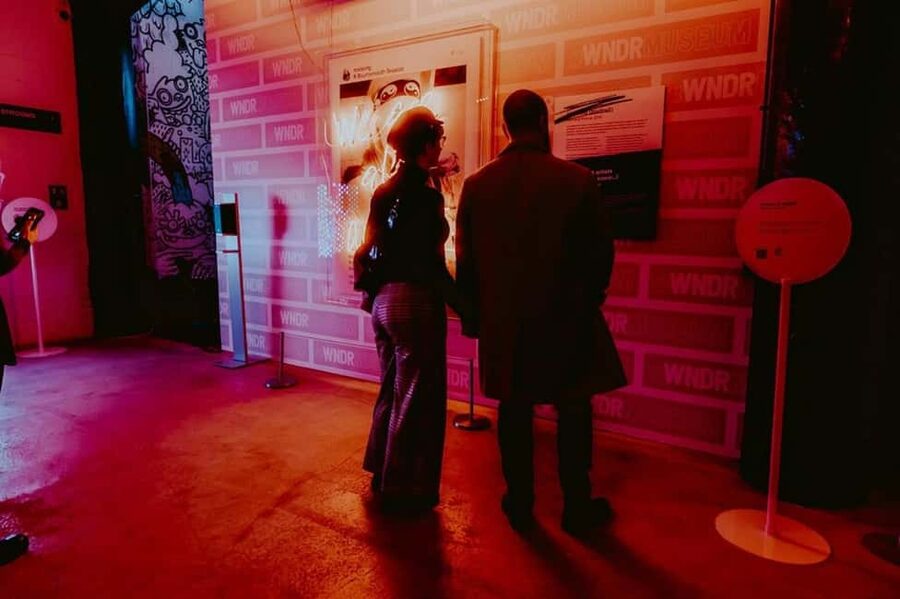
I would recommend WNDR to you if you like art that asks for a response. Families may enjoy the movement, color, and tactile elements. Couples and friends can have fun comparing how they interact with the same installation, while solo visitors can take their time without waiting for a group.
It also suits visitors who want a short cultural stop rather than a long museum session. The central location makes it easy to combine with other Chicago plans, and the morning, afternoon, and evening availability gives you room to adjust.
Photographers and social-media users will find plenty of visual material. Just remember that a good photo is not the same thing as a satisfying museum visit. Give the works a chance before treating them as backdrops.
I would be more cautious if you want detailed art history, a docent-led explanation, or a large collection of famous works. None of those is the main purpose here. The focus is on participation, technology, and sensory response.
How WNDR compares with other Chicago attractions
Chicago offers many ticketed attractions, including architecture cruises, observation decks, evening boat trips, family-friendly cruises, Flyover, the Museum of Illusions, and bundled city passes. WNDR gives you something different: a compact indoor activity where the exhibits respond to your presence.
An architecture cruise is the better choice if you want to understand Chicago’s buildings and see the city from the river. An observation deck is stronger if your priority is a high view. A city pass can offer better value when you plan to visit several major attractions.
WNDR makes the most sense when you want an unusual break from sightseeing. It is less about Chicago itself and more about what happens when art, software, light, and your own actions meet in one building.
That distinction should guide your decision. Do not book it simply because you have heard it is a museum. Book it because interactive technology is the kind of art you want to spend an hour exploring.
Should you book the WNDR Museum ticket?
Book WNDR if you want hands-on art, responsive light and sound, AI-based displays, and a flexible one-hour stop in central Chicago. The exhibits offer enough variety to keep the visit moving, and the format is especially suitable for families, couples, and curious visitors who enjoy making their own discoveries.
Think twice if $36 feels high for an hour, or if you expect a major traditional museum with extensive collections and expert commentary. The extra cost of souvenir photos may also bother you.
My advice is simple: treat WNDR as a playful technology attraction, not as a replacement for Chicago’s major art museums. With that expectation, the changing installations and active format can make a worthwhile addition to your day. With a $36 ticket, though, you should be sure that participation matters more to you than scale.
FAQ
How much does entry to the WNDR Museum cost?
The entry ticket costs $36 per person.
How long does the WNDR Museum visit last?
The visit lasts about one hour.
What is included with the ticket?
The ticket includes entry to the WNDR Museum.
Is a guided tour included?
No. A guided tour is not included. You explore the museum independently, with an English-speaking host or greeter available.
Is the WNDR Museum wheelchair accessible?
Yes. The activity is wheelchair accessible.
Can I cancel my booking for a refund?
Yes. You can cancel up to 24 hours in advance for a full refund.
Can I reserve now and pay later?
Yes. The booking option allows you to reserve your place and pay later.
What languages are available?
English is the listed language for the activity and host or greeter.
Are morning, afternoon, and evening visits available?
Yes. Entry is usually available in the morning, afternoon, and evening.
Recently added around Chicago
- Travel between Chicago O’Hare and Madison★ 4.5 · 4 reviews
- Volo Auto Museum: Admission Ticket★ 4.5 · 55 reviews
- Holiday Walking Tour: Underground Chicago via the Pedway★ 5.0 · 27 reviews
- Workers Cottages of Oldtown Triangle Walking Tour★ 5.0 · 45 reviews
- Verse Immersive Holographic Theater in Chicago★ 4.5 · 28 reviews
- Vito’s Vault Chicago finest dinner theatre speakeasy★ 5.0 · 14 reviews
- Delicious Donuts & Sweet Treats: West Loop Walking Tour★ 5.0 · 47 reviews
- Traveling Spoon Chicago-Style Deep Dish Pizza Private Online Cooking Class★ 5.0 · 4 reviews
Museums, compared.

Medieval Torture Museum Ticket with Audio Guide and Ghost Hunting
Read our review →
Field Museum of Natural History Ticket or VIP Tour
Read our review →
Field Museum of Natural History Admission Tickets
Read our review →

2-Hour Chicago Lakefront & Museum Campus Segway Tour
Read our review →


Chicago Landmarks & Museum Campus Small Group Segway Tour
Read our review →Browse the lists this tour appears in