
Reviewed · CHICAGO ARCHITECTURE TOURS
Marvels & Feats: An Engineer’s Tour of Chicago Architecture
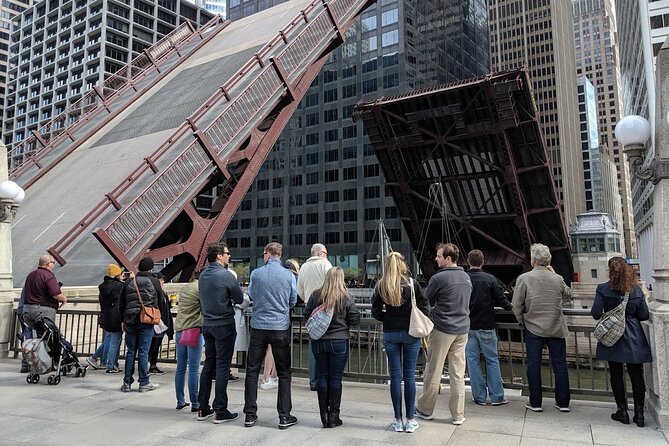
Chicago’s skyscrapers are not just tall buildings. They are answers to stubborn problems: soft ground, heavy materials, gravity, and powerful wind. This two-hour walk turns those problems into the main story, using downtown buildings and the Chicago River as a working classroom. A real engineer leads the way, explaining complex ideas in plain language.
I like the focus on how buildings work, not just when they were built. I also like the chance to enter a few interiors, since Chicago’s architecture makes more sense when you see the spaces from inside. The main drawback is that this is a walking tour in all weather, with a moderate fitness requirement and no hotel pickup.
- A real engineer leads the explanation, making structural ideas easier to follow without stripping away the substance.
- The Loop receives about 75 minutes, including visits inside a few buildings with notable structural design.
- The tour covers 150 years of engineering change, from early skyscraper problems to newer work beside the river.
- A supposedly haunted building gets a practical explanation, tied to uneven settling on a floating foundation.
- The final 45 minutes follow the Chicago Riverwalk, ending at Riverpoint Park with a sweeping river view.
- The $35 price includes a maximum group of 20, a mobile ticket, and a local guide, but not transportation or hotel transfers.
Why Chicago Engineering Makes a Good Walking Tour
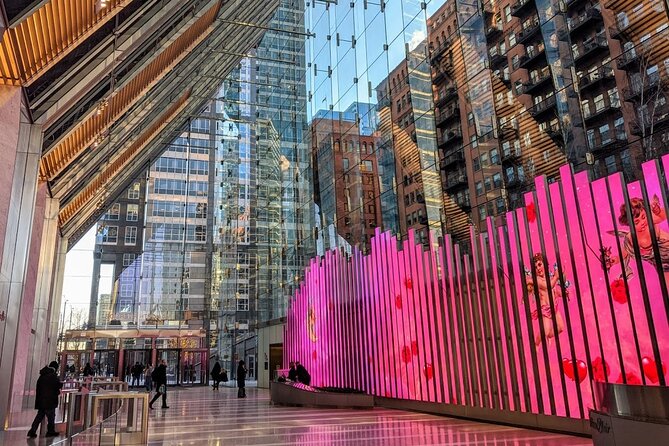
Chicago is often called the birthplace of the skyscraper, and that makes it an unusually good place to study engineering on foot. You are not looking at isolated monuments from a bus window. You are moving between buildings, streets, foundations, and the river, where the city’s building problems become easier to picture.
The tour covers more than 150 years of engineering development. That time span matters because the city’s tall buildings did not appear fully formed. Engineers had to work out how to support heavier structures, deal with Chicago’s ground conditions, and manage the forces created by height.
I like this approach because it gives you a useful question to carry through the walk: what problem was this building designed to solve? The guide’s job is not simply to point at a facade and list a date. You’ll hear how buildings handle gravity and wind, and why a structure can behave in ways that are not obvious from the sidewalk.
The subject is technical, but the tour is designed for ordinary visitors, not engineering students. The stated aim is to make the ideas graspable without dumbing them down. That should appeal to you if you enjoy learning how things function but do not want a lecture filled with formulas.
Meeting at 430 South Michigan Avenue
The tour begins at 430 S Michigan Ave at 2:30 pm. That places your starting point in the downtown area, with the main part of the walk taking place in the Loop. You should arrive ready to walk rather than treating the meeting point as a quick photo stop.
A mobile ticket keeps the practical side simple. You do not need a paper voucher, and the guide is included in the $35 price. Hotel pickup and drop-off are not provided, so you need to reach the starting point on your own. The area is near public transportation, which helps if you are staying elsewhere in Chicago.
The group can include up to 20 people. That is large enough to give the outing some energy, but small enough that the guide can normally keep the discussion focused around a building entrance or street corner. As with any walking tour, your position in the group may affect how easily you hear, so staying reasonably close to the guide is sensible.
The tour lasts about two hours. Since it finishes at a different location, you should think of it as a point-to-point walk rather than a return trip to the start.
More architecture tours in Chicago:
- Chicago Architecture River Cruise
★ 5.0 · 15,756 reviews - Chicago River 90-Minute Architecture Tour
★ 4.5 · 9,629 reviews - Chicago River: 1.5-Hour Guided Architecture Cruise
★ 4.8 · 8,046 reviews
The Loop: 75 Minutes with Chicago’s Building Problems
About one hour and 15 minutes takes place in the Loop. This is the core of the tour, and it is where the engineering story has the most room to build.
You’ll look at a building connected with the father of the skyscraper. The detail that makes this story especially appealing is that this figure was an engineer and a classmate of Gustav Eiffel. That link places Chicago’s early tall-building work within a wider age of ambitious engineering, when designers were testing what metal, structure, and new construction methods could do.
The guide also explains how buildings respond to gravity. That may sound basic, but it is the force that shapes every tall structure. A building has to carry its own weight and transfer that load safely downward. As you look upward at Chicago’s towers, the discussion gives you a reason to think about what is happening beneath the visible exterior.
Wind creates a different challenge. Tall buildings cannot simply be made heavier and thicker without limit. They must deal with movement and pressure as height increases. You’ll learn how Chicago buildings handle wind, which adds a physical explanation to a problem you might otherwise notice only on a very windy day.
One of the most memorable stories involves a building known as haunted. The explanation offered here is less supernatural and more structural: the building settled unevenly on a floating foundation. That does not make the story dull. In fact, it shows how a technical issue can shape public impressions of a place.
The phrase floating foundation may sound strange, and that is exactly why it works well on a walking tour. You can see the building, hear the local story, and then connect the reputation to the way the structure sits on the ground. This is the kind of detail that can change how you look at the building later, even if you pass it without the guide.
Going Inside Chicago’s Buildings
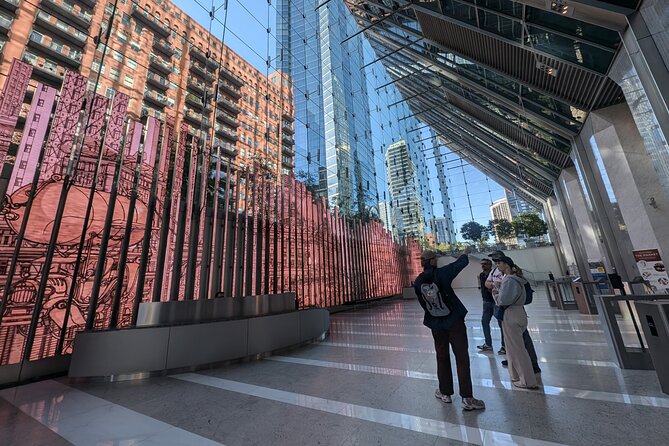
This tour does more than keep you on the sidewalk. You’ll enter a few buildings chosen for their structural design, giving you a chance to see how architecture feels from within.
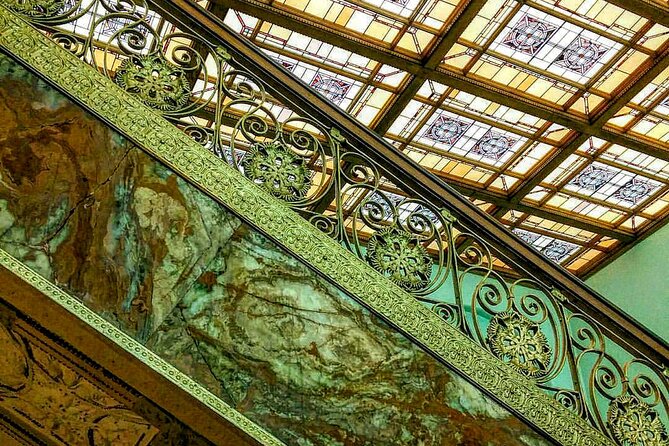
That interior access is important. Exterior views show height, materials, windows, and decoration. Interior spaces can reveal scale, support, circulation, and the relationship between a building’s public areas and its structure. You may not be able to understand every technical point from the outside, but stepping indoors can make the explanation more concrete.
The exact buildings are not specified, so you should not book this expecting a fixed list of famous interiors. The value comes from the guide’s selection and explanation. If you are especially interested in one particular Chicago building, ask about it when you meet the guide, but do not assume it forms part of the route.
The indoor visits also make the experience feel more like an examination of the city than a standard architecture photo walk. You are not only collecting views. You are getting a sense of what it means to occupy these structures.
Weather can affect how much time you want to spend outdoors, but the tour operates in all conditions. Dress for the forecast, bring suitable footwear, and remember that even a warm day can feel tiring after two hours of city walking. The moderate fitness requirement is worth taking seriously.
The Chicago Riverwalk: 45 Minutes of Newer Engineering
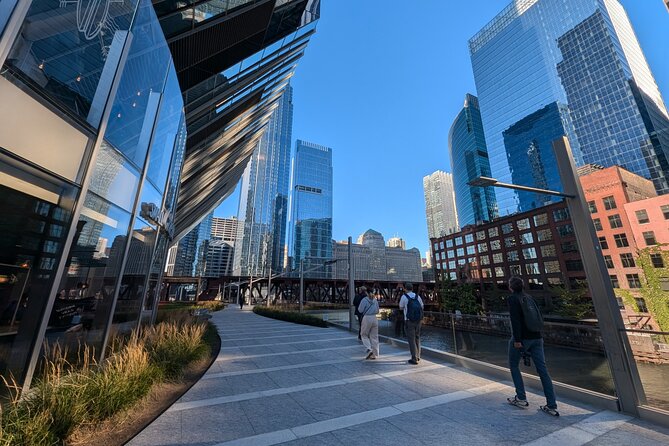
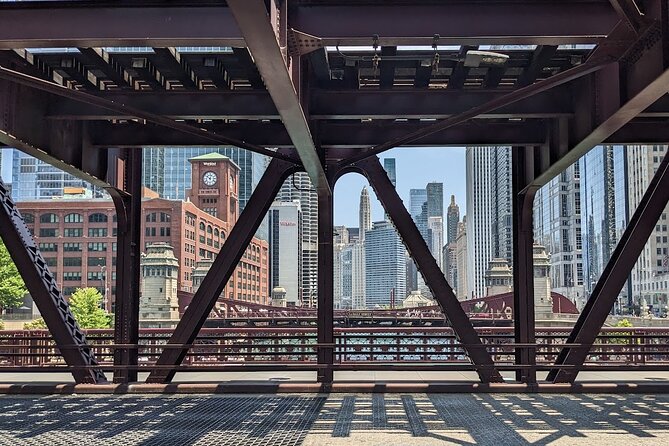
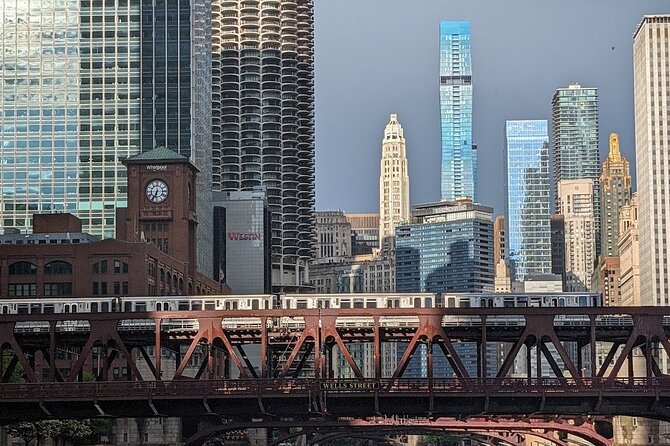
The final 45 minutes move toward the Chicago Riverwalk. This section shifts the emphasis from the Loop’s early skyscraper story to more recent engineering work along the river.
The route gives you attractive river views while continuing the technical theme. That combination is one of the tour’s strongest features. You are not stopping the lesson for scenery. The river provides a new setting for discussing how Chicago has built and adapted its downtown environment.
The transition also helps you see the city across time. The Loop portion focuses heavily on the problems that shaped early skyscrapers. Along the river, you encounter newer engineering achievements and a more open view of the city’s buildings and waterways.
The tour ends at Riverpoint Park, 150 N Riverside Plaza, with a sweeping view of the Chicago River. This is useful for planning the rest of your afternoon. You do not return to 430 S Michigan Avenue, so your next stop should be arranged from the ending location rather than the starting point.
I like the ending because a river view gives you a chance to gather the separate ideas from the walk. From there, you can look back at the surrounding buildings and think about their foundations, weight, height, and response to wind.
Different part of the city, different kind of afternoon:
- Chicago: Gangsters and Ghosts Walking Tour
★ 5.0 · 7,155 reviews - Chicago Architecture Center River Cruise aboard First Lady
★ 5.0 · 5,536 reviews - Chicago: Willis Tower Skydeck and The Ledge Ticket
★ 4.6 · 4,350 reviews - Chicago: Architecture River Cruise Skip-the-Ticket Line
★ 4.8 · 4,325 reviews
What the $35 Price Gets You
At $35 per person, this is reasonably priced for a two-hour guided walk with a specialized subject and interior visits. You are paying for more than a general introduction to Chicago architecture. The guide’s engineering background is the main part of the value.
That price is especially fair if you enjoy asking how things function. A standard architecture tour may focus more on style, architects, and dates. This one concentrates on forces, materials, foundations, and construction problems. The right choice depends on what you want from downtown Chicago.
The group maximum of 20 helps protect the experience from becoming too impersonal. It is not a private tour, but it is also not designed for a huge crowd. You receive a local guide and mobile ticket access. You do not receive transportation, hotel pickup, or drop-off, so factor in the cost and effort of reaching both ends of the route.
The tour is often booked about 45 days in advance. That does not guarantee that every date fills early, but it is a useful planning signal. If the 2:30 pm start fits your schedule, booking ahead is sensible, especially if you want to place it on a fixed day during a short Chicago visit.
Free cancellation is available if you cancel at least 24 hours before the start time. Cancellations or changes made inside that 24-hour window are not refunded or accepted. Keep the local Chicago time in mind when managing a booking.
Hillary and the Guide’s Teaching Style
Hillary is named as a guide for this experience, and the strongest praise focuses on the way the guide opens up early Chicago architecture and points out less obvious parts of the city. The spelling in the supplied material is Hillary, so check your confirmation for the guide assigned to your date.
The teaching style is meant to be clear without becoming shallow. That balance matters here. Engineering can lose people when the guide assumes too much, but it can also become frustrating when every idea is reduced to a slogan. The promise of this tour is a middle path: accurate concepts explained in a way you can grasp while walking.
You should expect to listen, look closely, and ask questions. This is not a theatrical performance, and the subject is not mainly about snapping pictures. The best experience will come if you pay attention to the connection between the guide’s explanation and the building in front of you.
The strongest praise is for the information itself and for the way the guide reveals early architecture and lesser-noticed city details. If you want a relaxed stroll with little explanation, this may feel too focused. If you like leaving a tour with a new way to read a city, it is a better match.
Who Will Enjoy This Tour Most
I would recommend this walk to anyone curious about how cities are built, especially visitors who have already seen Chicago’s skyline and want to understand it better. You do not need an engineering background. The material is intended for a general audience.
It should also suit architecture fans who want more than facade names and design periods. The combination of exterior observations and interior visits gives you a fuller sense of the buildings.
Families with older children or teenagers may find the gravity, wind, and foundation stories easier to remember than a long list of dates. The moderate fitness requirement still matters, and younger children who dislike sustained walking may not get much from the technical discussion.
This is less suitable if you need a fully seated activity, avoid outdoor walks in poor weather, or want hotel-to-hotel transportation. It may also disappoint you if you expect a tour built around one famous building or a fixed catalog of interior access. The route is broader, moving through engineering ideas across downtown and the river.
Service animals are allowed. The tour is near public transportation, but no further accessibility details are provided, so contact the provider before booking if you need specific information about surfaces, entrances, or building access.
Practical Tips for a Better Walk
Wear shoes you can use comfortably for two hours. The route includes the Loop and the riverfront, and the tour operates in all weather. A light rain layer, water, and clothing suited to the forecast are sensible choices.
Plan your day around the 2:30 pm start. You do not want to rush from another attraction across downtown and arrive distracted. The ending at Riverpoint Park gives you a useful next stop, but it does not bring you back to the Michigan Avenue meeting point.
Keep your phone charged since the ticket is mobile. The guide is included, but meals, drinks, transportation, and hotel transfers are not.
Most of all, listen for the connections between the stories. The floating foundation, the early skyscraper engineer, and the discussion of wind are not random facts. Together, they explain why Chicago became such an important testing ground for tall buildings.
Should You Book Marvels & Feats?
Book this tour if you want Chicago architecture explained through engineering problems and practical solutions. The $35 cost is good value for a two-hour walk led by a real engineer, especially with visits inside a few buildings and a riverfront finish.
Skip it if you want a short, mostly photographic stroll, guaranteed access to named landmarks, or transportation from your hotel. You also need to be comfortable walking in changing weather.
For curious visitors, this is a smart way to see the Loop with fresh eyes. You may leave looking less at the skyline as a collection of impressive towers and more at the forces that allow those towers to remain upright.
FAQ
How long is Marvels & Feats: An Engineer’s Tour of Chicago Architecture?
The tour lasts approximately two hours. About one hour and 15 minutes takes place in the Loop, followed by about 45 minutes along the Chicago Riverwalk.
Where does the tour begin?
The meeting point is 430 S Michigan Ave, Chicago, Illinois 60605. The scheduled start time is 2:30 pm.
Where does the tour end?
The tour ends at Riverpoint Park, 150 N Riverside Plaza, Chicago, Illinois 60606. The ending offers a sweeping view of the Chicago River.
What is included in the price?
The $35 per-person price includes a local guide. The experience also uses a mobile ticket. Hotel pickup and drop-off are not included.
Does the tour operate in bad weather?
Yes. The tour operates in all weather conditions, so you should dress appropriately for the forecast.
Can I cancel for a full refund?
Yes, if you cancel at least 24 hours before the experience start time. Cancellations or changes made less than 24 hours before the start time are not accepted, and the amount paid is not refunded.
Recently added around Chicago
- Travel between Chicago O’Hare and Madison★ 4.5 · 4 reviews
- Volo Auto Museum: Admission Ticket★ 4.5 · 55 reviews
- Holiday Walking Tour: Underground Chicago via the Pedway★ 5.0 · 27 reviews
- Workers Cottages of Oldtown Triangle Walking Tour★ 5.0 · 45 reviews
- Verse Immersive Holographic Theater in Chicago★ 4.5 · 28 reviews
- Vito’s Vault Chicago finest dinner theatre speakeasy★ 5.0 · 14 reviews
- Delicious Donuts & Sweet Treats: West Loop Walking Tour★ 5.0 · 47 reviews
- Traveling Spoon Chicago-Style Deep Dish Pizza Private Online Cooking Class★ 5.0 · 4 reviews
Chicago Architecture Tours, compared.

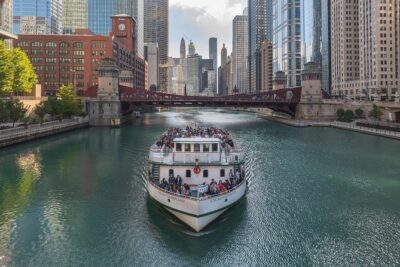
Chicago Architecture Center River Cruise aboard First Lady
Read our review →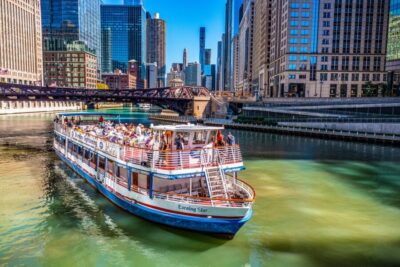
Architecture River Cruise Skip-the-Ticket Line
Read our review →
Chicago River 45-Minute Architecture Tour from Magnificent Mile
Read our review →
45-Minute Family-Friendly Architecture River Cruise
Read our review →Browse the lists this tour appears in