
Reviewed · CHICAGO GANGSTER TOURS
Chicago: Gangsters and Ghosts Walking Tour
Chicago’s Loop is a fine place to hear about Al Capone, bootleggers, haunted hotels, and tragic events. The streets are easy to recognize by day, but after dark, stories of speakeasies, secret tunnels, and restless spirits give familiar buildings a different feel. This tour links those tales with major sights such as Millennium Park and the Chicago Riverwalk.
I like the historian-led storytelling, which keeps the tour rooted in Chicago’s past rather than turning it into a costume show. I also like the mix of gangster lore and ghost stories, especially the stops at the Palmer House and Congress Plaza Hotel. The main drawback is that most of the experience happens outdoors, so cold, wind, rain, or heat can affect your enjoyment.
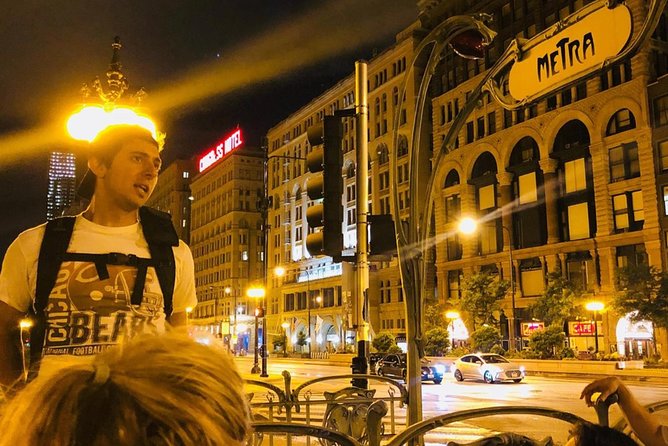
A 1.5-mile route, frequent stops, and a break make this manageable for most people with moderate fitness. Guides including Taka, Sophia, Tanner, and Avery have been praised for clear voices, strong pacing, humor, and the ability to hold a group together on busy city streets. Still, you should expect a walking tour, not a series of interior visits.
Key points to know before booking
- Al Capone sites: Hear how the Loop connected with Chicago’s Prohibition-era underworld, including Capone’s former headquarters at the Congress Plaza Hotel.
- Haunted Chicago landmarks: Visit the Palmer House and Congress Plaza Hotel, both linked to ghost stories.
- About 1.5 miles on foot: The route includes regular stops, a refreshment and restroom break, and outdoor walking through downtown.
- Campfire-style storytelling: The guide tells verified ghost stories and historical tales in a conversational way, not as a theatrical performance.
- Small maximum group: The tour allows up to 20 people, which helps you hear the guide in a noisy downtown setting.
- Bus option available: The minibus version includes the same general theme, with a stop at Harry Caray’s Italian Steakhouse and one immersive stop.
Why Chicago’s Loop is the right setting
Chicago’s gangster story is often reduced to Al Capone, tommy guns, and Prohibition. This walk gives you a wider view. The Loop was tied to speakeasies, vice districts, bootlegging routes, grand hotels, theaters, and tragedies that had nothing to do with organized crime.
That mix matters. You are not simply walking from one famous gangster address to another. You are seeing how Chicago’s central streets became a stage for crime, commerce, entertainment, and loss. The guide connects the buildings around you with the people and events that gave them their darker reputation.
The route begins at 71 East Wacker Drive. From there, you move through the Loop toward Millennium Park, the Palmer House, the Riverwalk, the Chicago Theatre, and finally the Congress Plaza Hotel at 520 South Michigan Avenue.
The route is roughly 1.5 miles, with frequent pauses. That is not a hard distance for most people, but downtown streets can be noisy and crowded. Good guides need to project their voices and give clear directions. Taka, Sophia, Tanner, and Avery have each been praised for doing exactly that, which is useful when a group gathers beside traffic, pedestrians, and city construction.
More gangster tours in Chicago:
- Chicago Crime and Mob Bus Tour
★ 4.5 · 3,186 reviews - Chicago: Gangsters and Ghosts Guided Walking Tour
★ 4.7 · 1,697 reviews - Chicago: Mob and Crime Bus Tour
★ 4.4 · 859 reviews
Starting with gangsters, tunnels, and Prohibition
The first portion focuses on the Loop during the 1920s and 1930s. Your guide explains why this area became linked with speakeasies, secret drinking places, and bootlegger routes. The stories also cover underground tunnels and the headquarters connected with famous gangsters.
This opening gives the tour its basic frame. You learn how Chicago’s central business district could function as both a respectable commercial center and a place where illegal activity operated behind closed doors. The contrast is one of the most interesting parts of the walk.
The guide’s style is important here. This is not described as a theatrical production, and you should not expect actors, staged scares, or elaborate props. Instead, the stories are told in an around the campfire manner, with the guide moving between documented history and local ghost reports.
That approach suits people who want context with their spooky stories. It also means the experience depends heavily on the individual guide. Taka has been singled out for her clear delivery and ability to manage a large group. Sophia has been praised for an energetic, theatrical storytelling style. Tanner has been noted for humor and stories that work for different ages.
Millennium Park and the Bean
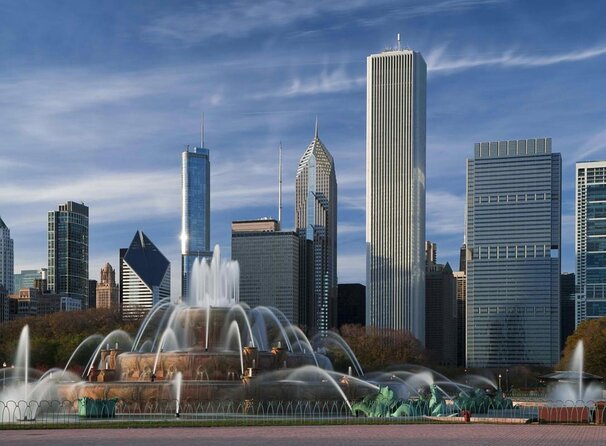
Millennium Park is one of the most recognizable stops on the route. You will see Cloud Gate, the polished sculpture commonly called the Bean, and have a chance to connect the darker stories with one of Chicago’s best-known public spaces.
This stop is less about gangster history than orientation. It places you in the modern city while the guide takes you back to earlier decades. The contrast helps show how much the Loop has changed.
Expect about 15 minutes here. That should give you time to see the landmark and take photographs, though the exact amount of free time depends on the group and the pace of the tour. If you want extensive personal photography, you may need to return to Millennium Park on your own.
Palmer House: grand hotel, old stories
The Palmer House Hilton provides one of the more atmospheric breaks. The group stops in its historic lobby, which is associated with ghost stories and is described as the oldest hotel in Chicago and the oldest continuously operating hotel in the United States.
The hotel adds a sense of place that a sidewalk lecture cannot quite match. You are not just hearing about a haunted building from across the street. You get a brief look at the lobby before continuing.
This is also the tour’s refreshment and restroom break. That practical pause matters because the experience lasts about two hours and includes outdoor walking. Use it to warm up, cool down, or catch up if you have been trying to follow the group through busy streets.
Keep your expectations reasonable. The stop is not an overnight investigation or a full building tour. You hear stories and visit the lobby, but the tour does not promise access to private rooms or extended time inside the hotel.
More ghost tours in Chicago:
- Medieval Torture Museum Ticket with Audio Guide and Ghost Hunting
★ 5.0 · 962 reviews - Haunted Chicago Booze and Boos Ghost Walking Tour
★ 5.0 · 266 reviews - Chicago Hauntings Original Ghost Bus Tour
★ 4.0 · 147 reviews - Embers of the Windy City: Chilling Chicago Ghost Tours
★ 4.5 · 121 reviews
The Chicago Riverwalk and stories of tragedy
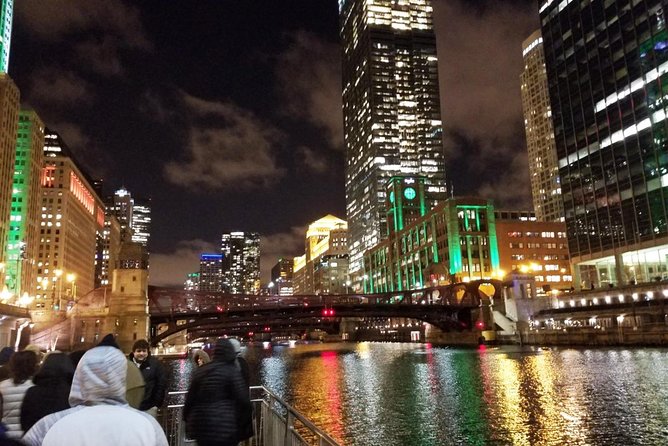
The Riverwalk adds a change of pace. Along the water, the guide continues with gangster tales and ghost stories, including accounts linked to tragic loss of life. The material can move beyond Capone and gang warfare, giving you a broader sense of Chicago’s difficult past.
The Riverwalk is also a useful place for storytelling because the group can pause and look around instead of standing beside a busy curb. Still, it remains an outdoor portion of the tour, so weather and foot traffic can shape the experience.
The guide’s tone here is conversational rather than theatrical. You should expect stories delivered with atmosphere and humor, but not a haunted-house routine. That makes the tour a good fit if you enjoy historical storytelling with a spooky edge, but less suitable if you want jump scares or actors appearing from dark corners.
Chicago Theatre and downtown photo stops
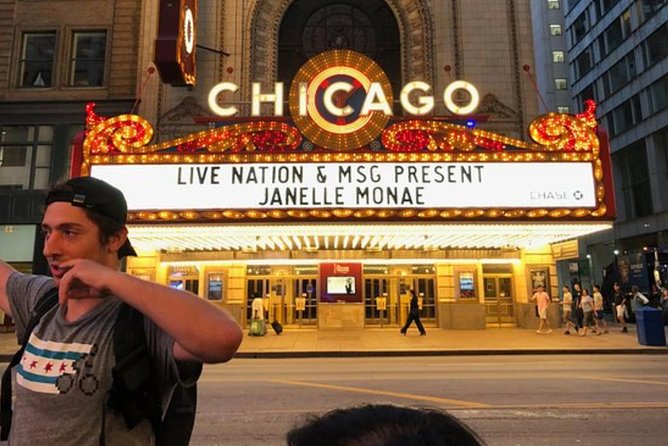
The Chicago Theatre is a short photo stop, generally around 15 minutes. Its famous marquee gives you one of the route’s clearest classic Chicago images.
This part of the walk reminds you that the Loop’s story is not only about crime. The district has long been tied to entertainment, hotels, restaurants, offices, and public life. The guide uses these landmarks as anchors while adding the lesser-known stories that you probably would not pick up on a standard sightseeing walk.
You will likely spend more time listening than exploring interiors. One limitation is that most of the tour stays outside, and the stops are brief. If your priority is detailed architecture or extended visits to landmark buildings, a dedicated architecture tour would serve you better.
Congress Plaza Hotel and Capone’s old headquarters
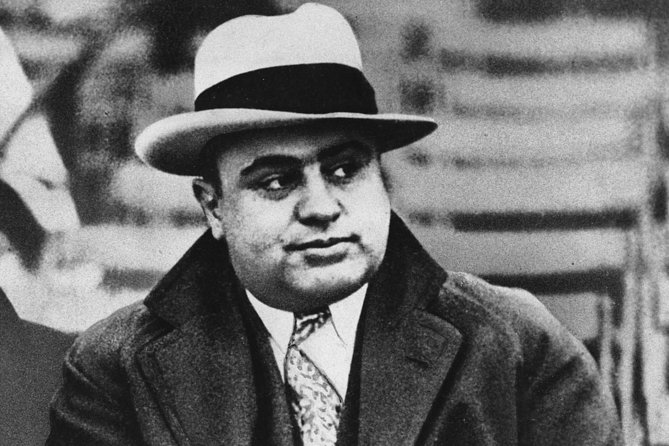
The tour ends at the Congress Plaza Hotel and Convention Center on South Michigan Avenue. This building is presented as one of Illinois’ most haunted places, and it is also connected with Al Capone, who reportedly set up his headquarters there.
The ghost story tied to Capone is especially memorable: his spirit is most often reported near his former suite on the eighth floor. You should treat this as part of the tour’s supernatural storytelling, not as a promise that you will see anything unusual.
Ending here works well because the hotel brings together the tour’s two themes. It has the gangster connection, the haunted reputation, and a grand downtown setting. After the final five-minute stop, you are near Grant Park and Michigan Avenue, with public transportation close by.
The tour ends at 520 South Michigan Avenue, not back at the starting point. That is convenient if you plan to continue along Michigan Avenue or visit the Art Institute area, but you should note the point-to-point format when planning your evening.
Walking version or minibus upgrade?
The standard experience is the better choice if you want to feel the city around you. Walking from landmark to landmark helps you understand the closeness of the hotels, theaters, river, parks, and old downtown streets. You also get regular chances to stop and hear the guide without watching the city pass through a window.
The minibus upgrade may suit you if weather, mobility, or stamina makes a full walking route less appealing. It includes the same general gangster and ghost theme, with a stop at Harry Caray’s Italian Steakhouse and one stop for an immersive experience.
The supplied details do not specify the full minibus route or the exact amount of time spent at each stop. For that reason, I would choose the walking version if the weather is comfortable and you want the strongest connection with the Loop. Choose the bus option when reducing outdoor walking is more important than seeing every stretch on foot.
What the $52 price gets you
At $52, this is not a bargain-priced stroll, so value depends on how much you care about guided storytelling. You are paying for about two hours with an expert guide, a planned route through several central landmarks, and the benefit of local context that is hard to pick up from a map or guidebook.
The value is strongest for first-time visitors who want a lively introduction to downtown history. It can also work for Chicago residents. Several guides have shared stories that longtime locals had not heard before, which suggests the route is not limited to the most familiar Capone facts.
The price is less attractive if you mainly want access to buildings. Most stops are outside, and admission to the landmarks is not a separate feature of the tour. You are buying the guide’s research, timing, voice, and storytelling rather than museum entry.
A maximum of 20 people helps protect that value. A smaller group makes it easier to hear the guide, ask questions, and stay together. The guide’s ability to speak clearly is especially important in the downtown setting, and Taka has been praised for projecting her voice even on loud city streets.
Weather, pace, and what to bring
Chicago weather can change the mood of this tour quickly. The experience requires good weather, and a poor-weather cancellation may lead to a different date or a full refund. If the forecast looks rough, check the booking terms rather than assuming the walk will operate.
Wear comfortable shoes. The distance is moderate, but you will be on city sidewalks and stopping often. Bring a coat in cold weather and protection from rain or strong sun when needed. A bitterly cold evening can still be enjoyable for someone prepared for it, but this is not the time to dress lightly and hope for the best.
The tour suits people with moderate physical fitness. The frequent stops and restroom break make it easier than a nonstop city march, yet you should still be comfortable walking outdoors for most of two hours.
The mobile ticket is practical, and the tour is near public transportation. Arrive at 71 East Wacker Drive with enough time to find the meeting point and settle in before the group leaves.
Who will enjoy this tour most?
I would recommend it to first-time Chicago visitors who want a guided orientation with a darker theme. It works especially well for couples, families with older children, and adults who enjoy history but do not want a formal museum lecture.
It also suits people who have already seen Millennium Park, the Riverwalk, or the Chicago Theatre but want to understand the stories behind those places. The tour adds context to streets you might otherwise cross without a second thought.
The experience may not suit you if you dislike ghost stories, prefer long interior visits, or want a serious crime-history seminar with extensive documentation. The tone includes humor, spooky tales, and dramatic storytelling. That is part of its appeal, but it is not a substitute for a specialist history course.
The guides are a major part of the experience. Taka has been praised for clear speech and strong organization. Sophia brings energy and theatrical delivery. Tanner has been noted for humor and appeal across age groups, while Avery has been praised for an easy pace and useful information. Guide assignments can vary, so you should not book expecting one particular person unless the provider confirms it.
Should you book the Chicago Gangsters and Ghosts Walking Tour?
Book it if you want a social, story-driven way to see the Loop and you are happy spending most of the evening outdoors. The blend of Prohibition history, hotel lore, ghost reports, famous landmarks, and lesser-known tragedies gives the walk more variety than a tour focused only on Al Capone.
Skip it if you want deep access to buildings or a fully theatrical haunted attraction. For the best experience, choose a comfortable-weather evening, wear good shoes, and leave room in your plans after the Congress Plaza ending.
The $52 price makes the most sense when you value a strong guide. With an engaging storyteller, the streets become the main exhibit. Free cancellation is available up to 24 hours before the start time, which gives you some flexibility while you watch the forecast.
FAQ
How long is the Chicago Gangsters and Ghosts Walking Tour?
The tour lasts approximately two hours. The walking route is about 1.5 miles and includes frequent stops plus a refreshment and restroom break.
Where does the walking tour begin?
The tour begins at 71 East Wacker Drive, Chicago, Illinois 60601.
Where does the walking tour end?
The tour ends at the Congress Plaza Hotel and Convention Center, 520 South Michigan Avenue, Chicago, Illinois 60605.
Which landmarks are included?
The route includes the Loop, Millennium Park and Cloud Gate, the Palmer House lobby, the Chicago Riverwalk, the Chicago Theatre, and the Congress Plaza Hotel.
Is the tour only about Al Capone?
No. Al Capone is an important part of the tour, but the stories also cover bootleggers, speakeasies, underground tunnels, other gangster hangouts, haunted sites, and tragic events connected with Chicago.
Is the tour theatrical?
No. The stories are told in an around-the-campfire style by a historian guide. You should expect storytelling rather than actors, costumes, or staged scares.
Is there a bus option?
Yes. You can upgrade to a minibus version. That option includes one stop for an immersive experience and a stop at Harry Caray’s Italian Steakhouse.
How many people can join the tour?
The tour has a maximum group size of 20 people.
What happens if the weather is poor?
The experience requires good weather. If it is canceled because of poor weather, you will be offered a different date or a full refund. You can also cancel for a full refund up to 24 hours before the start time.
More Walking Tours in Chicago
- Chicago Favorites Ultimate Food and Walking Tour
★ 5.0 · 1,962 reviews - Chicago in a Day: Food, History & Architecture Walking Tour
★ 5.0 · 1,153 reviews - Chicago’s Secret Interiors Architectural Walking Tour
★ 5.0 · 635 reviews - Chicago’s Chinatown Food and Walking Tour
★ 5.0 · 600 reviews
Recently added around Chicago
- Travel between Chicago O’Hare and Madison★ 4.5 · 4 reviews
- Volo Auto Museum: Admission Ticket★ 4.5 · 55 reviews
- Holiday Walking Tour: Underground Chicago via the Pedway★ 5.0 · 27 reviews
- Workers Cottages of Oldtown Triangle Walking Tour★ 5.0 · 45 reviews
- Verse Immersive Holographic Theater in Chicago★ 4.5 · 28 reviews
- Vito’s Vault Chicago finest dinner theatre speakeasy★ 5.0 · 14 reviews
- Delicious Donuts & Sweet Treats: West Loop Walking Tour★ 5.0 · 47 reviews
- Traveling Spoon Chicago-Style Deep Dish Pizza Private Online Cooking Class★ 5.0 · 4 reviews
Chicago Gangster Tours, compared.

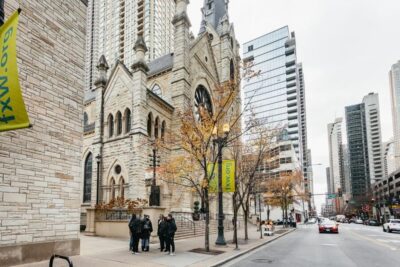

Prohibition Speakeasies Bus Tour or Walking Tour
Read our review →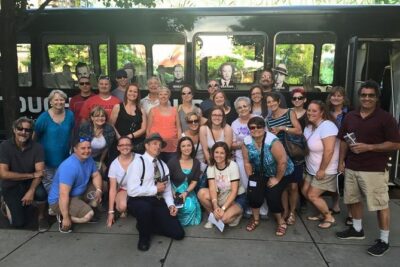
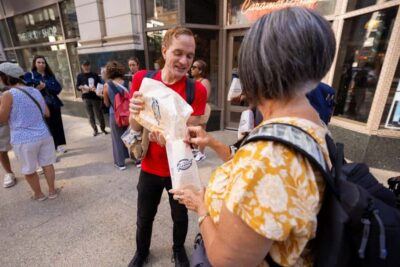
Prohibition-Era Culture & Architectural Treasures
Read our review →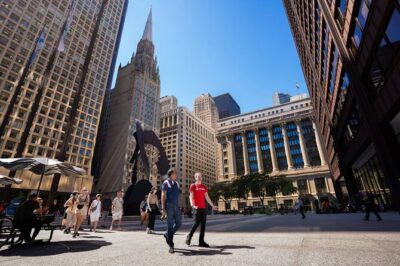
Explore Chicago’s Hidden Past: Prohibition Culture & Architecture
Read our review →Browse the lists this tour appears in