
Reviewed · CHICAGO GHOST TOURS
Embers of the Windy City: Chilling Chicago Ghost Tours
Chicago’s ghost stories get most interesting when they sit beside real places, and this walk takes you through parks, pubs, and crime sites tied to unsettling tales. The route includes Julia Porter Park, the former Biograph Theater, Oz Park, and the Alphawood Foundation Building.
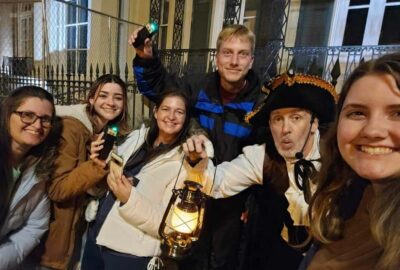
I like the small-group format, capped at 15 people, and the way guides such as Elliot, Rachel, Carrie, and Josephine mix local history with paranormal lore. I also like the optional extended tour, which gives you more stories for a modest extra commitment. The main drawback is that this is an outdoor walking tour, so you will view most haunted locations from the street rather than enter them.
Key points at a glance
- Julia Porter Park sits over an old burial ground, giving the opening stop a particularly eerie setting.
- The Biograph Theater area connects ghost lore with John Dillinger, Chicago crime history, and reported strange events.
- Small groups can make the walk feel almost private, though Halloween weekend may bring larger crowds.
- The standard tour lasts about one hour and moves at a brisk walking pace.
- An extended option adds more locations, including additional bars and haunted sites.
- The $32 price is fair for a short, guide-led city walk, especially if you value local stories more than access to buildings.
Why Lincoln Park makes a strong ghost-tour setting
Lincoln Park gives this experience a useful mix of atmosphere and context. You are not simply hearing spooky tales in an anonymous alley. The walk ties its stories to parks, theaters, pubs, and buildings with difficult pasts.
That mix is the tour’s strongest idea. Some stops lean toward documented crime and local history. Others depend more on reported paranormal activity, personal encounters, or long-running legends. I like that blend, but you should know what kind of night you are booking. This is a storytelling walk with ghost themes, not a theatrical haunted house.
The guides are central to the experience. Elliot has been praised for keeping a small group engaged, while Rachel has been described as a local guide who adds practical neighborhood help along the way. Carrie, Josephine, Alec, Julian, Katrina, Megan, and others have also led this route. The quality can depend on the person holding the flashlight, so expect some variation in delivery.
At its best, the guide uses each location to explain why people connect it with hauntings. At its weakest, the stories can feel too general or too scripted. That is worth keeping in mind if you want hard evidence or tightly sourced paranormal cases at every stop.
More ghost tours in Chicago:
- Chicago: Gangsters and Ghosts Walking Tour
★ 5.0 · 7,155 reviews - Chicago: Gangsters and Ghosts Guided Walking Tour
★ 4.7 · 1,697 reviews - Medieval Torture Museum Ticket with Audio Guide and Ghost Hunting
★ 5.0 · 962 reviews
Julia Porter Park and its buried past
The opening stop at Julia Porter Park sets the tone quickly. The park was built over an old burial ground dating from the Civil War era, and the tour connects that history with strange encounters reported in the area.
You can expect the guide to frame the location through stories of unexplained activity rather than a museum-style presentation of artifacts. The interest here comes from the contrast between an ordinary public park and the uneasy idea that older layers of the city remain beneath it.
This is also a good example of the tour’s outdoor format. You will hear the story on location, but you should not expect a formal investigation or access to a restricted underground site. The park works best as a place to listen, look around, and consider how much of a city’s past remains out of sight.
If you want a strong visual scare, this stop may feel quiet. If you enjoy old burial grounds, local lore, and the uneasy mood of familiar public places after dark, it should suit you well.
The Alphawood Foundation Building and a darker institutional story
The Alphawood Foundation Building looks unassuming, which is part of its effect. Its past is tied to an asylum for people with mental illness, and the tour focuses on stories of murder, cruelty, and intrigue associated with the former institution.
This is one of the more serious stops on the route. The material is not only spooky. It deals with real human suffering, and the guide’s tone matters here. A good presentation should give the history weight instead of treating it as a cheap scare.
The building itself is viewed from outside. That can disappoint you if you expect to walk through former rooms or corridors. Still, the location works as a reminder that many haunted-site stories begin with poor treatment, violence, or institutional neglect rather than anything supernatural.
I would pay close attention to how your guide separates documented events from later ghost claims. The tour includes researched true stories and accounts of paranormal activity, but those are not the same thing. The distinction makes the experience more interesting and helps you judge each story for yourself.
Red Lion Pub and Chicago’s haunted drinking spots
The Red Lion Pub brings a different mood. With its Tudor-style design and English pub character, it offers a more social setting for a ghost story than a park or former institution.
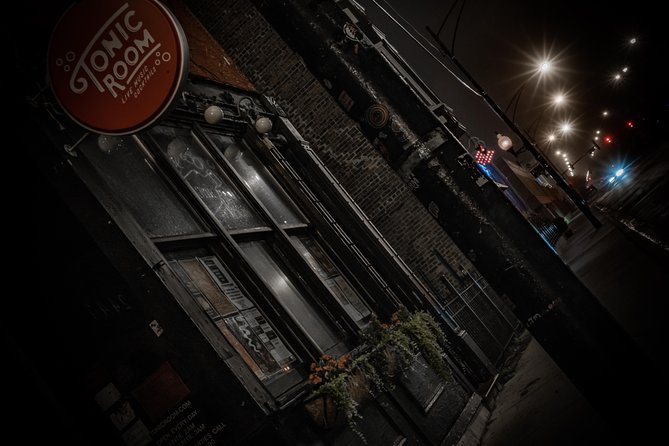
The stop centers on the idea that some Chicago bars have their own resident spirits. The Red Lion is discussed alongside other haunted drinking spots, including the Tonic Room and the Golden Dagger Tavern in the wider collection of stories connected with the tour.
You will hear about the pub from outside rather than sit down for a meal. Dinner is not included, and the walk does not provide motorized transport. If you want to eat at the Red Lion, plan that separately and do not assume the tour includes entry.
The Golden Dagger story has become one of the most memorable parts of the route for some people, and it is a good illustration of the tour’s mix of recent reports and older local lore. You might also hear about unusual activity near the theater and other stops. Keep your phone ready if you like taking night photos, but do not treat odd lights or camera effects as proof of anything.
Different part of the city, different kind of afternoon:
- Chicago Architecture River Cruise
★ 5.0 · 15,756 reviews - Chicago River 90-Minute Architecture Tour
★ 4.5 · 9,629 reviews - Chicago River: 1.5-Hour Guided Architecture Cruise
★ 4.8 · 8,046 reviews - Chicago Architecture Center River Cruise aboard First Lady
★ 5.0 · 5,536 reviews
The Biograph Theater and the John Dillinger connection
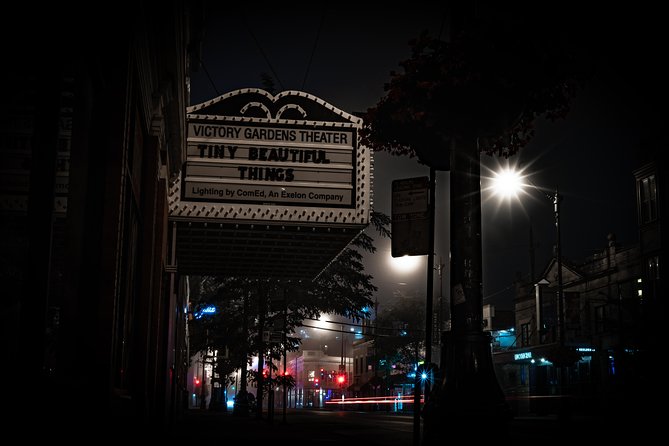
The former Biograph Theater, built in 1914, gives the tour one of its clearest links to Chicago crime history. The site is associated with John Dillinger, and the surrounding stories bring together a famous death location, reported hauntings, and the theater’s own past.
This is likely to be one of the most satisfying stops for people who want more than ghost tales. The Dillinger connection gives the guide a concrete historical anchor. You can also encounter references to the Valentine’s Day Massacre and a John Dillinger mural in the surrounding area.
The strange part comes from the reported experiences attached to the site. One unusual account involves marquee lights going out during a tour. That kind of event can add a jolt to the evening, though you should regard it as an anecdote rather than a guaranteed part of your visit.
The theater stop also shows why the tour works better for some people as a history walk with paranormal elements. You get a sense of how crime, public memory, and ghost stories build on one another. If you are mainly seeking jump scares, the stop may feel restrained. If you like real places with layered stories, it is a strong part of the route.
Oz Park and the shadows behind a cheerful setting
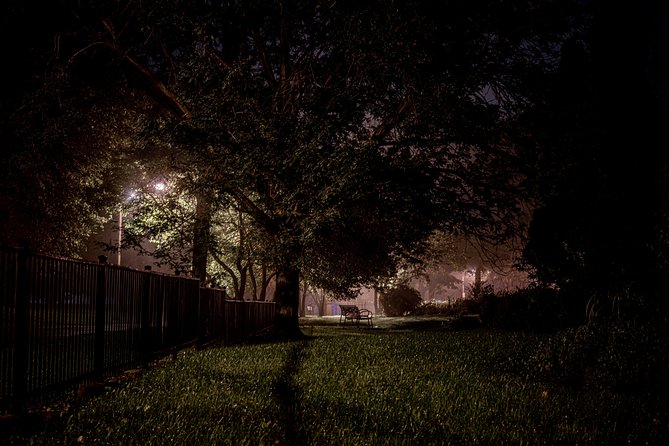
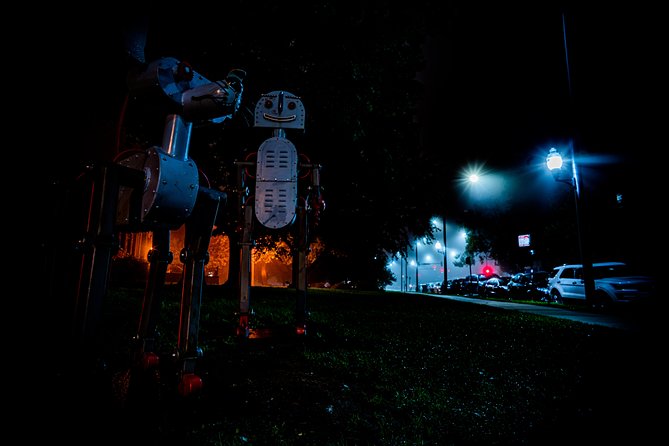
Oz Park is bright and playful by day, with its Wizard of Oz theme and Emerald Gardens. The tour uses that familiar charm as a contrast to stories about the park’s darker past.
This stop is less about a single dramatic building and more about a change in mood. A pleasant public space can feel different when you hear about troubling events connected with it. The guide asks you to look again at a place that normally feels lighthearted.
You should expect the tour to remain outside and continue at a steady pace. Oz Park is not presented as an attraction where you stop for a long visit or explore every feature. It is one piece of a walking route, so wear shoes that will stay comfortable for the full hour.
For families, this stop can work well because the park itself is familiar and approachable. Still, the overall tour includes murder, asylum history, and crime stories. Parents should decide if that subject matter fits their children, even though one 11-year-old reportedly enjoyed the experience very much.
What the one-hour walk feels like
The tour starts at 601 W Webster Ave and ends back at the meeting point. It runs for about one hour, though the exact pace can depend on the guide and group.
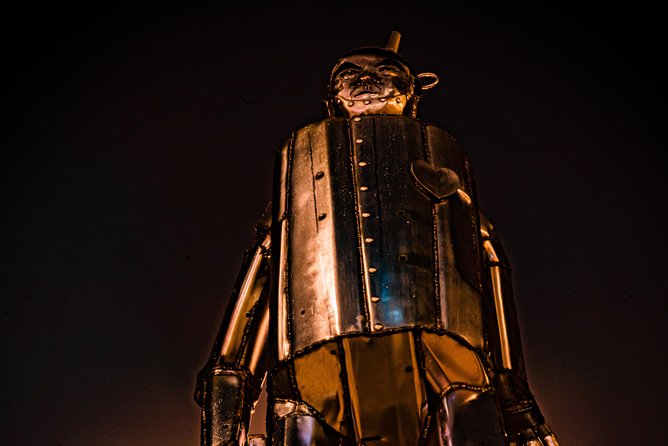
The walk is not described as strenuous, but it moves at a brisk pace. Comfortable shoes are a must. One useful local tip is to use the Tin Man statue as a navigation reference if the address proves awkward for your GPS or rideshare driver.
The tour is near public transportation, and you will not need a car once you arrive. Since no motorized transport is included, plan to reach the starting point on your own and allow a little extra time to find the group.
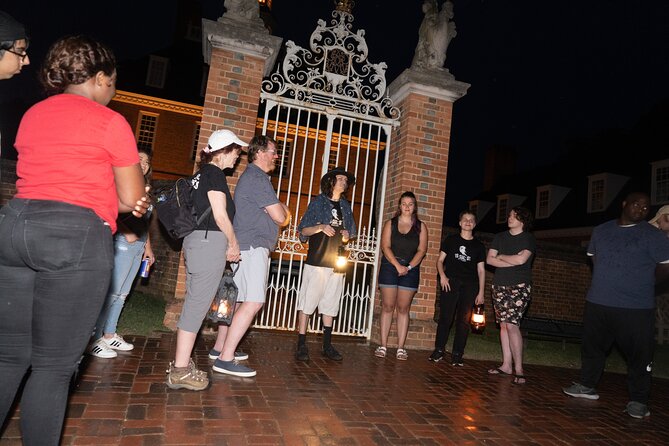
A maximum of 15 people keeps the standard format fairly personal. Some departures may be much smaller, even private in feel, when only one booking group attends. That can make it easier to ask questions and hear the guide clearly.
Crowds can still happen at popular times. Halloween weekend has brought larger groups, and a packed sidewalk can make it harder to interact with the guide. If you care about a quieter mood, choose a less crowded date when possible.
The extended tour and the real value of $32
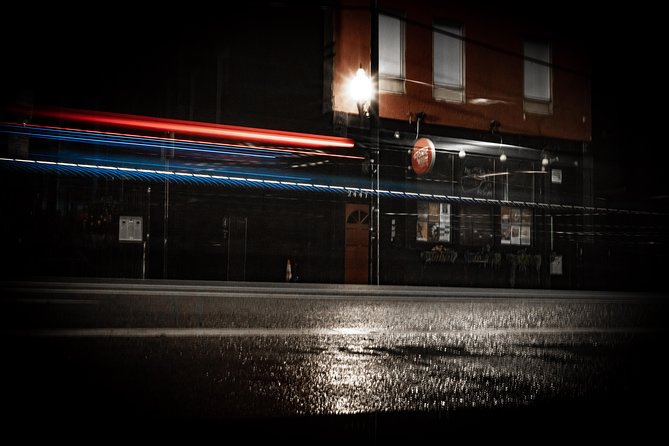
At $32 per person, the standard tour sits in a reasonable range for a one-hour guided walk in a major American city. You are paying for a professional guide, researched stories, neighborhood context, and the convenience of moving from one site to another without planning the route yourself.
The value depends on what you want from the evening. If you want entry to haunted buildings, dinner, drinks, or paranormal equipment included as standard, the price will feel less attractive. The tour is built around outdoor storytelling, not access to private interiors.
The extended option is worth considering if you enjoy the guide’s style and want more locations. It has been especially useful for people who felt the basic hour ended just as the mood was building. The extra time can add stories connected with more bars and sites, but it does not change the basic outdoor format.
Some departures have offered an EMF detector, sometimes called a ghost reader, as an inexpensive add-on. It is a playful extra rather than a scientific guarantee. You might enjoy it if you like a hands-on prop during a ghost walk, but it is not essential to understanding the history.
Where the tour works best, and where it falls short
The strongest guides make the route feel personal. Elliot has been praised for vivid storytelling and for keeping larger groups involved. Josephine has been singled out for mixing history with the reasons each location might be haunted. Alec has worked well with families, and Rachel has added useful local advice beyond the ghost stories.
That personal touch matters because the tour’s material can vary in strength. The best stories have a clear setting, a known event, and a reason the site developed a haunted reputation. Other accounts may be presented as something heard from a friend or another local source.
If you want every story backed by documents, you may find parts too loose. A few accounts have been called short on specifics, and some guides have sounded as if they were following a script. That does not make the tour worthless, but it means your enjoyment depends heavily on how much you like folklore and spoken storytelling.
The route also does not take you inside the haunted venues. This is the most common point of confusion to avoid. You will look at the exteriors, hear what happened there, and use the surrounding streets as your setting.
Who should book this Chicago ghost walk
I would recommend it to couples, families with older children, visitors who enjoy local crime stories, and Chicago residents who want to learn something new about a familiar neighborhood.
It is a particularly good fit if you like:
- Short evening activities that do not require a full night
- Walking tours with a mix of history and supernatural lore
- Small groups and direct contact with the guide
- Real locations connected with John Dillinger and reported hauntings
- An optional extended route for more stories
I would be more cautious if you dislike unverified ghost accounts, want indoor access, or expect dramatic actors and staged effects. The tour is not a haunted attraction. It asks you to supply some of the atmosphere yourself.
Service animals are allowed, and a moderate level of physical fitness is recommended. The route is manageable for most people who can walk at a brisk pace for about an hour, but the tour is not a seated activity.
Cancellation is free if you cancel at least 24 hours before the local start time. Cancellations or changes inside that window are not refunded or accepted.
Should you book Embers of the Windy City?
Book this tour if you want a compact introduction to Lincoln Park’s darker stories, especially the mix of public parks, old institutions, Chicago crime, and reported hauntings. I would choose the extended option if you already enjoy ghost lore or want more time with the guide.
The safest expectation is simple: you will walk outdoors, hear researched history and paranormal accounts, and view haunted sites from public areas. If that sounds appealing, $32 is a fair price for an hour with a strong guide. If you need to enter the buildings or want every tale to come with firm proof, choose another Chicago activity.
FAQ
How long does the Chicago ghost tour last?
The standard experience lasts about one hour. An extended option is available for more locations and stories.
Where does the tour start and end?
The tour starts at 601 W Webster Ave, Chicago, Illinois 60614. It ends back at the meeting point.
What locations are included?
The route includes Julia Porter Park, the Alphawood Foundation Building, the Red Lion Pub, the former Biograph Theater, and Oz Park. The extended option adds more stops.
Is transportation included?
No. This is a walking tour, and motorized transportation is not included.
Can I go inside the haunted buildings?
No. The experience focuses on outdoor exploration, so you should expect to hear the stories and view the locations from outside.
How large is the group?
The tour has a maximum of 15 people. Some departures may be much smaller, depending on bookings.
Can I cancel for a refund?
Yes. You can receive a full refund if you cancel at least 24 hours before the experience starts. Cancellations within 24 hours are not refunded.
Recently added around Chicago
- Travel between Chicago O’Hare and Madison★ 4.5 · 4 reviews
- Volo Auto Museum: Admission Ticket★ 4.5 · 55 reviews
- Holiday Walking Tour: Underground Chicago via the Pedway★ 5.0 · 27 reviews
- Workers Cottages of Oldtown Triangle Walking Tour★ 5.0 · 45 reviews
- Verse Immersive Holographic Theater in Chicago★ 4.5 · 28 reviews
- Vito’s Vault Chicago finest dinner theatre speakeasy★ 5.0 · 14 reviews
- Delicious Donuts & Sweet Treats: West Loop Walking Tour★ 5.0 · 47 reviews
- Traveling Spoon Chicago-Style Deep Dish Pizza Private Online Cooking Class★ 5.0 · 4 reviews
Chicago Ghost Tours, compared.
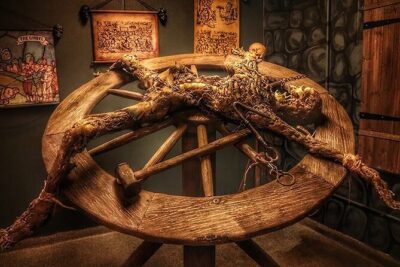
Medieval Torture Museum Ticket with Audio Guide and Ghost Hunting
Read our review →
Haunted Chicago Booze and Boos Ghost Walking Tour
Read our review →
Ghosts & Hauntings of the Windy City Walking Tour
Read our review →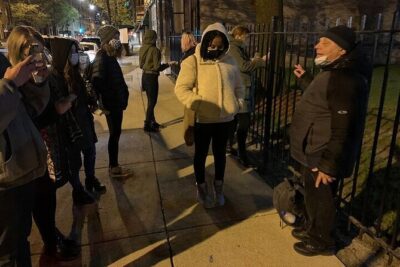
Wind and Souls an Adults Only Ghost Tour in Chicago
Read our review →Browse the lists this tour appears in