
Reviewed · CHICAGO ARCHITECTURE RIVER CRUISES
BYOB Chicago River Guided History Tour
Chicago’s story is easiest to understand from the water, and this two-hour BYOB cruise follows the river through some of the city’s biggest turning points. You’ll hear how Fort Dearborn, the Great Fire, the river reversal, the 1893 World’s Fair, and a famous Christmas-tree boat all fit into Chicago’s story.
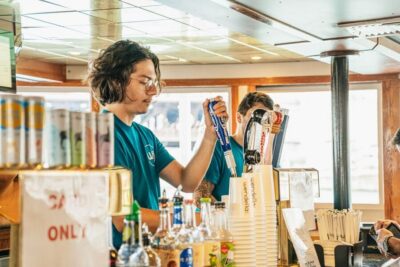
I like the relaxed setup: you can bring your own drinks and food, then settle around a u-shaped bar with coolers and ice already aboard. I also like the small maximum group of 18, plus the friendly guide style associated with Monica, Avril, Maria, and Kelli. The main drawback is weather. This is an open-air boat experience, and a cold or wet day can take the shine off even a good tour.
Key points to know before you book
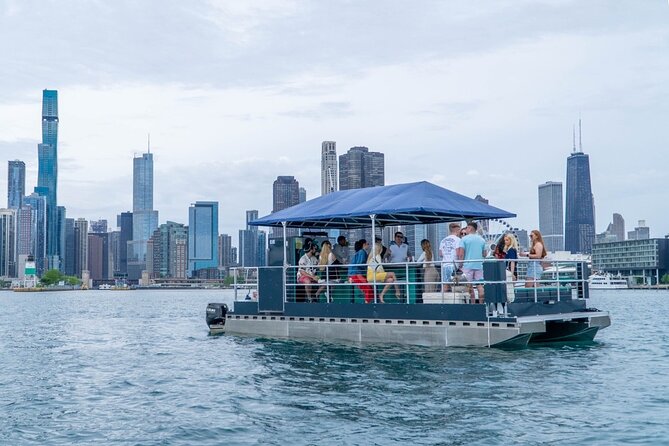
- BYOB boat with coolers and ice: Bring drinks and snacks, but leave glass containers at home.
- A compact 18-person group: The smaller capacity should make it easier to hear the guide and ask questions.
- Chicago history from the river: The route covers Fort Dearborn, the 1871 fire, the 1992 flood, the river reversal, and the 1893 World’s Fair.
- A comfortable two-hour format: Long enough to cover major stories without taking up an entire day.
- Simple Riverwalk meeting point: Meet at Sweet Home Gelato, between the LaSalle Street and Wells Street bridges.
- Weather matters: Poor weather can lead to a new date or a full refund, but cold conditions are still possible on a scheduled departure.
Why the Chicago River is the right place for this tour
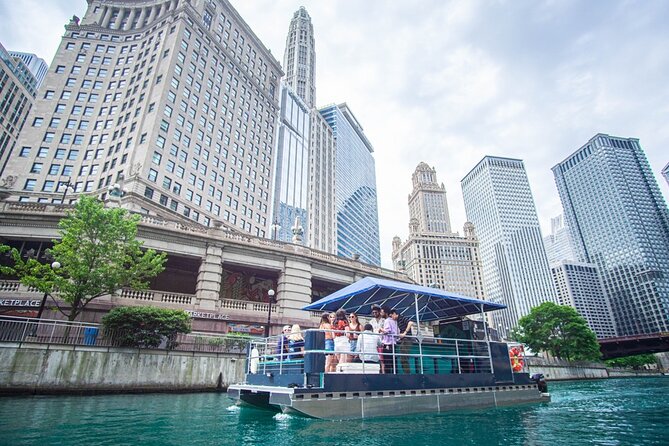
Chicago’s river is not just a scenic channel between downtown buildings. It explains why the city grew where it did, how industry shaped the center, and why the river itself flows in an unusual direction.
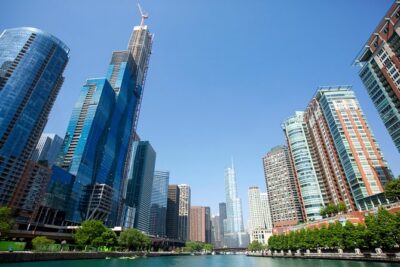
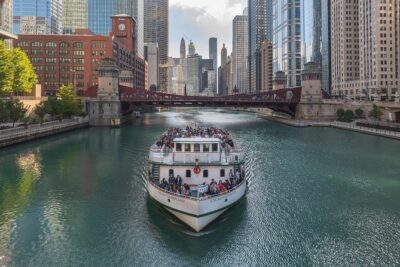
From the boat, you get a different angle on downtown than you would from a sidewalk or an observation deck. Buildings rise around you, but the guide can connect them to decisions, disasters, inventions, and changes in city life. That makes the ride more than a simple skyline cruise.
The route is also useful for first-time visitors who want a quick orientation. You spend about 120 minutes on the water, hear several key stories, and return to the same Riverwalk meeting point. You will not cover every corner of Chicago, but you will get a clear introduction to the forces that shaped the city.
The tour is offered in English and uses a mobile ticket. Since it is booked an average of 92 days ahead, I would not treat it as a last-minute activity if your schedule is fixed.
More architecture river cruises in Chicago:
- Chicago Architecture River Cruise
★ 5.0 · 15,756 reviews - Chicago River 90-Minute Architecture Tour
★ 4.5 · 9,629 reviews - Chicago River: 1.5-Hour Guided Architecture Cruise
★ 4.8 · 8,046 reviews
Boarding at Sweet Home Gelato on the Riverwalk
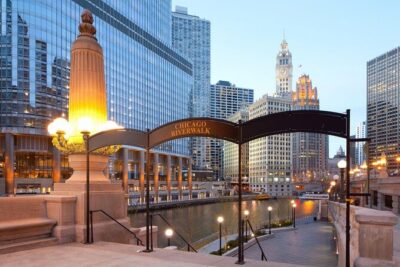
The meeting point is Sweet Home Gelato at 151 W Riverwalk. The boat departs from the Chicago Riverwalk between the LaSalle Street and Wells Street bridges, with a listed start time of 10:30 a.m.
That location puts you right beside the water rather than at a distant marina. Still, allow enough time to find the correct section of the Riverwalk. Downtown Chicago has several bridges, stairways, and river access points, so arriving early is a sensible move.
The activity ends back at the meeting point. That is handy if you are building a day around downtown sights, since you do not need to arrange a return transfer from another part of the city.
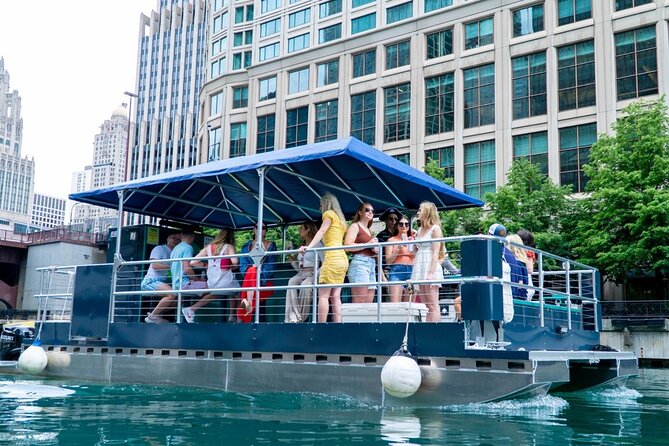
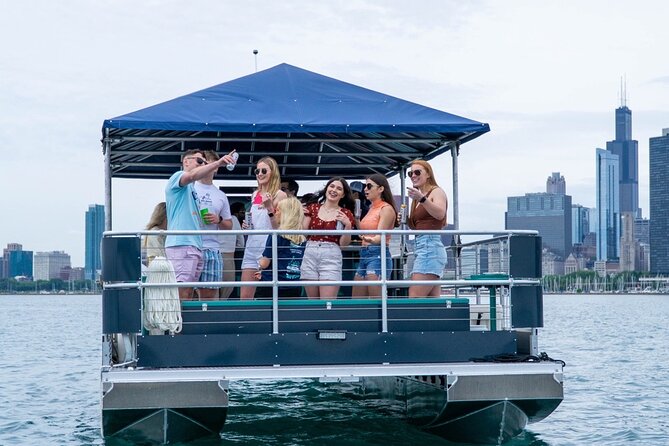
The boat is called the Party Barge, though the setup is more social than wild. Its main feature is a u-shaped bar with bar stools around it. There is also extra seating at the bow, so you can choose between sitting near the guide and bar area or moving forward for a different view.
A bathroom, called a head on the boat, is available. Charging ports are another useful touch, especially if you are using your phone for the mobile ticket, photos, or navigation later in the day.
What the BYOB setup means in practice
The price is $65 per person. That includes the boat ride, coolers, ice, and a local guide, but not drinks, food, or snacks.
I see the BYOB policy as the main value proposition. You can bring the exact drinks you want instead of paying for a package or accepting a fixed menu. You can also bring food onboard, which lets you keep the outing casual and control the cost.
You must avoid glass. Pack cans, plastic bottles, or other suitable containers, and remember that the included coolers are for keeping things cold, not for supplying refreshments.
The bar seating should work well for couples, friends, and small groups who want to chat while looking at the city. If you prefer a quieter sightseeing position, the bow seating may suit you better. Since the boat holds no more than 18 people, the guide has a better chance of speaking to the whole group rather than competing with a large crowd.
The social format is not ideal for everyone. If you want a silent architecture cruise or a formal lecture, this probably is not the right pick. The tone is friendly, personal, and lightly humorous, with facts mixed with jokes.
Fort Dearborn and Chicago’s earliest settlement
One stop takes you along the south side of the river to the site where Fort Dearborn once stood. The fort marks an early chapter in Chicago’s development and gives the rest of the tour a useful starting point.
From the water, you can consider why this location mattered. The river offered a route for movement and trade, while the surrounding area later became the core of a fast-growing city. The exact remains are not the point here. The value is the setting and the explanation of how an early military post fits into the city you see today.
I appreciate this kind of stop because it keeps Chicago’s story from beginning with skyscrapers. Before the tall buildings and busy streets, this was a place shaped by transportation, defense, and access to water.
More history tours in Chicago:
- Chicago in a Day: Food, History & Architecture Walking Tour
★ 5.0 · 1,153 reviews - Chicago: Field Museum of Natural History Ticket or VIP Tour
★ 4.7 · 717 reviews - Field Museum of Natural History Admission Tickets
★ 4.5 · 489 reviews - Chicago Walking Tour: Historic Treasures of Chicago
★ 5.0 · 362 reviews
The Great Chicago Fire begins at the river
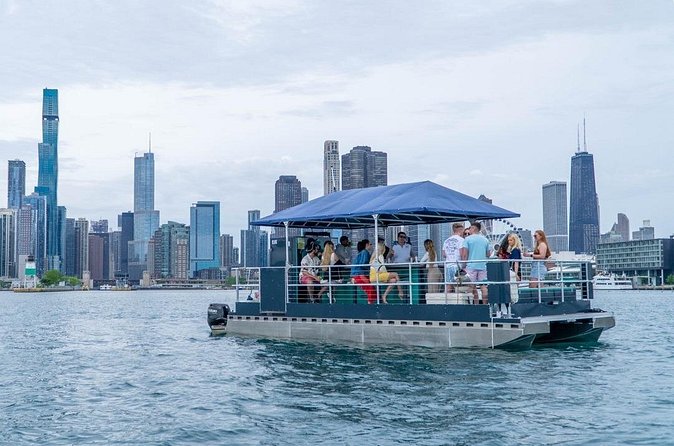
The route also visits the site where the Great Chicago Fire began in 1871. The event is often reduced to a familiar legend, but seeing the location while hearing the guide place it on the city map gives the story more weight.
This is one of the stronger historical stops because the fire changed Chicago so completely. The city that followed was rebuilt with new ambitions, new construction, and a stronger focus on becoming a major American metropolis.
The guide’s job here is not simply to point at a spot and name a date. The best part is understanding how one disaster helped create the city’s later identity. You will also see how quickly the tour moves from early settlement to catastrophe, then on to rebuilding and modern growth.
The bridge tied to the 1992 Great Flood
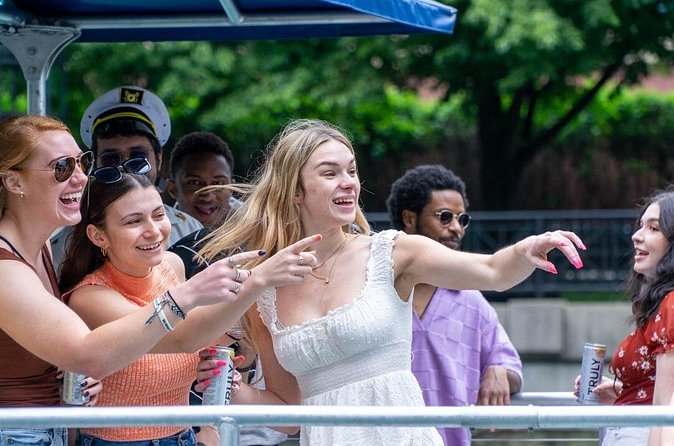
A bridge on the route is linked to a remarkable modern event. In 1992, a hole formed beneath it, triggering the Great Flood and shutting down Chicago for an entire week.
This story adds welcome variety to the tour. The route is not limited to famous nineteenth-century events or grand architectural milestones. You also hear about a sudden infrastructure failure that affected the working city in living memory.
The episode is a good reminder that the river is both an asset and a risk. Chicago built around its waterways, but the same network can cause serious trouble when hidden systems fail.
For you, this stop may be especially useful if you like practical urban history. It connects the river to streets, buildings, businesses, and city services rather than treating it as a pretty backdrop.
The 1964 buildings and Chicago’s change of character
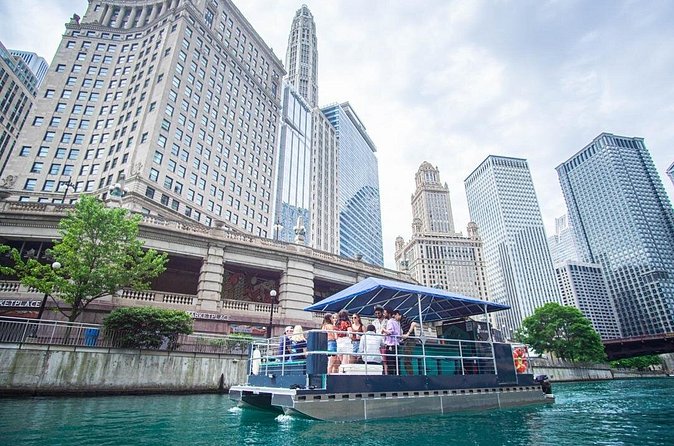
The tour points out buildings constructed in 1964 that mark a shift from Chicago’s Industrial Age toward the residential metropolis it is today.
This is a valuable piece of context because it explains why the riverfront can feel different from older parts of downtown. Chicago did not simply build upward in one continuous phase. Its riverfront changed function as industry gave way to housing and a more residential city center.
You can use this stop to look for signs of that change in the surrounding buildings. The guide helps you see the river not as a fixed historic scene, but as a place that has adapted to new needs.
The wording of this stop is broad, so do not expect a long architecture lecture on every building. Think of it as a turning point in the tour’s larger story: Chicago shifts from a city powered mainly by industry to one that also lives beside its river.
Why Chicago reversed the river
One of the most important subjects on the cruise is the reversal of the Chicago River. The guide explains how this unusual engineering project shaped the city over the last century.
This is the kind of story that makes a river cruise worthwhile. From street level, the river’s direction is easy to ignore. On the water, you can connect the channel’s flow to public health, industry, and the way Chicago organized itself around water.
The river reversal shows how strongly city leaders intervened in the natural environment. Chicago did not merely grow beside the river. It altered the river to serve the city’s needs.
I would pay close attention here, even if engineering is not your usual sightseeing interest. This explanation ties together several other parts of the tour, including industrial growth, flood risk, and the changing use of the riverfront.
The 1893 World’s Fair and inventions that lasted
The route also covers the World’s Fair of 1893. The guide discusses inventions introduced there that are still part of everyday life.
The fair matters because it presented Chicago as a modern city with national and international ambitions. It was not just an exhibition of buildings and displays. It helped shape how people viewed Chicago and introduced ideas that moved from a temporary event into ordinary life.
The tour does not provide a full list of those inventions in advance, so I would come ready to listen rather than expecting a fixed checklist. That can be a plus. The guide can tell the story in a more conversational way, linking the fair to the city around you.
This stop also gives the cruise a broader reach. You move from forts and fires to technology, public image, and the way a city presents itself to the world.
Captain Santa and the Rouse Simmons
Near one corner of the river, you hear about Captain Santa and the Rouse Simmons, a sailing boat used in the late 1800s to sell Christmas trees each winter.
It is a small story, but it gives the tour some personality. Not every important Chicago story is about a major disaster or sweeping urban plan. The Rouse Simmons adds a seasonal, human detail to the river’s working past.
This is also the sort of tale that tends to stay with you after a tour. You can picture a sailboat arriving with Christmas trees and serving a city that was still growing into its modern shape.
The story fits well near the end of the route because it leaves you with something lighter after the fire, flood, and large engineering projects.
Guides, tone, and the small-group advantage
The experience depends heavily on the guide. Names connected with the crew include Monica, Avril, Maria, and Kelli, although the people aboard your departure may be different.
The guide style is described as warm, funny, and personal. Facts are mixed with jokes, and the crew helps keep the atmosphere social rather than stiff. That approach suits a BYOB boat, particularly if you are celebrating a birthday or planning a relaxed outing with friends.
The small maximum of 18 people is a real advantage. You should have a better chance of hearing the narration, and the guide can respond to questions without stopping a large group every few minutes.
There is also evidence that the crew works hard to keep the mood positive when conditions are not perfect. A cold day can still be enjoyable, but you should dress for the weather instead of assuming the boat will feel warm.
Is $65 a fair price?
At $65, this is not the cheapest way to see Chicago from the water. You are paying for a two-hour guided experience, a small capacity, the boat itself, coolers and ice, and the convenience of a central Riverwalk departure.
The BYOB policy improves the value if you already plan to bring drinks or food. It also makes the cost easier to manage for a group because you are not buying refreshments at a marked-up onboard price.
The value is weaker if you mainly want a short skyline ride and do not care about the history. In that case, you may be paying for narration you will not use.
I think the price makes sense for someone who wants both scenery and context. The route covers several major chapters of Chicago history in one compact outing, and the group size is smaller than many large sightseeing boats.
Who should book this river cruise?
I would recommend it to first-time Chicago visitors who want a quick orientation with real historical content. It also suits repeat visitors who have seen the downtown streets but want to understand how the river shaped the city.
Friends and couples should enjoy the BYOB format, especially if they bring a small picnic or birthday drinks. The boat’s seating, charging ports, and bathroom make two hours easier than a bare-bones ride.
Families may also find it workable because most people can participate, and service animals are allowed. The tour is near public transportation, which makes it easier to add to a downtown day.
I would think twice if you dislike open-air outings, need a highly formal tour, or are visiting during uncertain weather. The activity requires good weather, and even a scheduled trip can feel chilly. If the operator cancels because of poor weather, you will be offered another date or a full refund.
Free cancellation is available up to 24 hours before the 10:30 a.m. start time. Canceling or changing the booking less than 24 hours ahead does not qualify for a refund.
My booking advice
Book early if this cruise matters to your schedule. The average booking lead time is 92 days, and the maximum group size is only 18 people.
Bring drinks in cans or plastic containers, plus food if you want it. Wear a layer that handles wind and check the forecast before you go. The best seat depends on your mood: stay near the u-shaped bar for conversation and guide access, or choose the bow for extra seating and a different view.
Should you book the BYOB Chicago River Guided History Tour?
Book it if you want a friendly, small-group cruise that explains Chicago through its river. The combination of Fort Dearborn, the Great Fire, the 1992 flood, the river reversal, the 1893 World’s Fair, and the Rouse Simmons gives the two-hour route more substance than a simple skyline ride.
Skip it if you want guaranteed warmth, a quiet architectural survey, or a low-cost boat trip without narration. For everyone else, the $65 price is reasonable when you use the BYOB setup and value a guide who can connect the city’s major events in one easy outing.
FAQ
How long is the BYOB Chicago River Guided History Tour?
The cruise lasts approximately two hours, or 120 minutes.
Where does the tour begin?
It begins at Sweet Home Gelato, 151 W Riverwalk, Chicago, Illinois 60601. The boat departs from the Chicago Riverwalk between the LaSalle Street and Wells Street bridges.
What time does the cruise start?
The listed start time is 10:30 a.m.
Does the boat return to the starting point?
Yes. The activity ends back at the meeting point.
Can I bring my own drinks?
Yes. The cruise is BYOB, and you may bring any drinks you want. Glass containers are not allowed.
Are food and snacks included?
No. Food and snacks are not included, but you may bring your own onboard.
What is included in the price?
The price includes the boat cruise, coolers with ice, and a local guide. Drinks, food, and snacks are not included.
What happens if the weather is poor?
The experience requires good weather. If it is canceled because of poor weather, you will be offered a different date or a full refund. You can also cancel for a full refund up to 24 hours before the scheduled start time.
Recently added around Chicago
- Travel between Chicago O’Hare and Madison★ 4.5 · 4 reviews
- Volo Auto Museum: Admission Ticket★ 4.5 · 55 reviews
- Holiday Walking Tour: Underground Chicago via the Pedway★ 5.0 · 27 reviews
- Workers Cottages of Oldtown Triangle Walking Tour★ 5.0 · 45 reviews
- Vito’s Vault Chicago finest dinner theatre speakeasy★ 5.0 · 14 reviews
- Verse Immersive Holographic Theater in Chicago★ 4.5 · 28 reviews
- Delicious Donuts & Sweet Treats: West Loop Walking Tour★ 5.0 · 47 reviews
- Traveling Spoon Chicago-Style Deep Dish Pizza Private Online Cooking Class★ 5.0 · 4 reviews
Chicago Architecture River Cruises, compared.
Chicago Architecture Center River Cruise aboard First Lady
Read our review →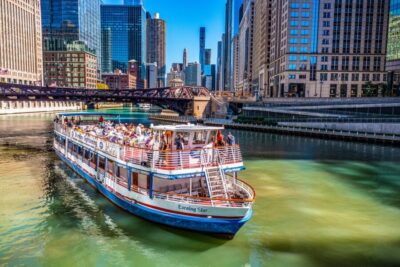
Architecture River Cruise Skip-the-Ticket Line
Read our review →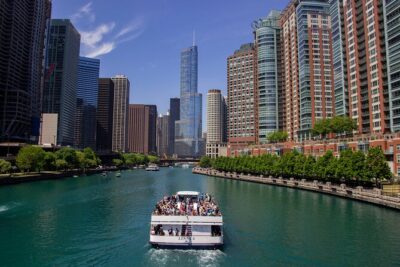
Chicago River 45-Minute Architecture Tour from Magnificent Mile
Read our review →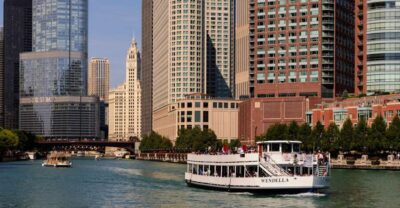
45-Minute Family-Friendly Architecture River Cruise
Read our review →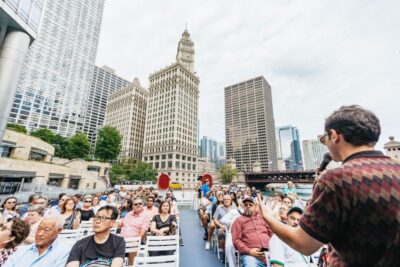
Browse the lists this tour appears in