
Reviewed · CHICAGO HISTORY TOURS
Chicago Walking Tour: Historic Treasures of Chicago
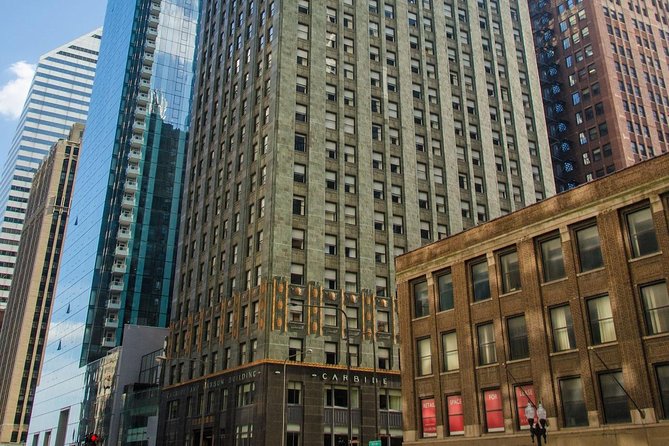
Chicago’s architectural story comes alive indoors on this two-hour walk. You move from the Chicago Architecture Center to the Wrigley Building, Palmer House, Reliance Building, Carbide and Carbon Building, and Chicago Cultural Center, with the best moments often coming when the guide gets you looking up at ceilings, stonework, and old retail details.
I like the small maximum of 15 people, which makes questions and conversation easier. I also like the mix of famous exteriors and public interiors, especially Palmer House and the Chicago Cultural Center. The main catch is that building access can change on weekends, holidays, or during unexpected closures, and Palmer House requires proof of COVID-19 vaccination for entry.
Key points to know before you book
- The tour opens at the Chicago Architecture Center: Your guide begins with a short introduction and your ticket includes admission to the center’s galleries.
- You see five major Chicago landmarks: The route covers the Wrigley Building, Palmer House, Carbide and Carbon Building, Reliance Building, and Chicago Cultural Center.
- The interiors are the real prize: Palmer House and the Cultural Center offer details you cannot appreciate from the sidewalk.
- The guides bring strong personality: Bob, Jim, John, Maureen, Laurel, Paul, Beth, Margaret, and others have led this walk, with humor, patience, and room for questions.
- It is an easy city orientation: The tour ends at the Chicago Cultural Center, close to major downtown sights and public transportation.
- Plan for changing access: Interior visits depend on building schedules, holidays, and closures. Palmer House also has a vaccination requirement.
Why this short walk works so well in Chicago
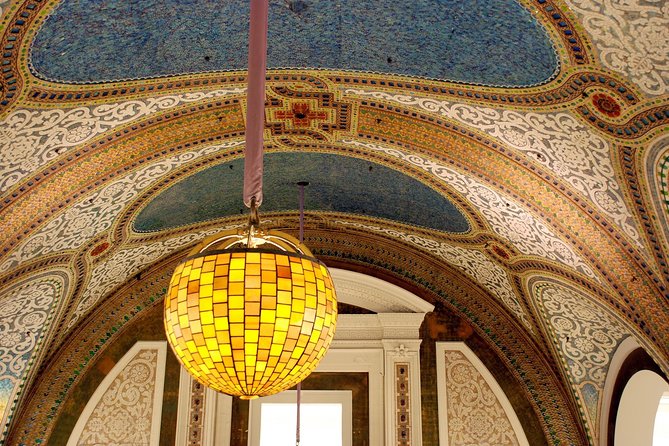
Chicago can feel like an open-air architecture museum, but the best details are often above eye level or behind a hotel entrance. This tour gives you a short, organized route through the Loop and Michigan Avenue area, then explains why those buildings matter instead of simply naming them.
At $35 per person, the value is solid if you want context rather than a quick photo stop. You receive a professional, certified guide, a two-hour walking tour, and admission to the Chicago Architecture Center galleries. The price is less compelling if you prefer to wander alone or already know Chicago’s architecture well.
The small group helps. With no more than 15 people, you are less likely to miss a guide’s explanation, and you can ask about a detail that catches your eye. Several guides, including Bob, Jim, John, Maureen, Laurel, Paul, Beth, and Margaret, have been praised for being clear, friendly, funny, and open to questions. The guide can also adjust when downtown events disrupt the planned route.
This is not a marathon architectural survey. You spend only a few minutes at some buildings, with longer stops at Palmer House and the Chicago Cultural Center. Think of it as a lively introduction to central Chicago, not a full-day study of the city’s design.
More history tours in Chicago:
- Chicago in a Day: Food, History & Architecture Walking Tour
★ 5.0 · 1,153 reviews - Chicago: Field Museum of Natural History Ticket or VIP Tour
★ 4.7 · 717 reviews - Field Museum of Natural History Admission Tickets
★ 4.5 · 489 reviews
Starting at the Chicago Architecture Center
The meeting point is the Chicago Architecture Center at 111 East Wacker Drive. The tour begins with about five minutes of introductory remarks from the docent, and your admission to the center’s galleries is included.
That opening is brief, but it gives you a useful frame for the walk. The Chicago Architecture Center is a natural place to begin because the tour is not only about famous façades. It is about how Chicago grew, how skyscraper design changed, and how commercial buildings shaped daily life in the Loop.
You should arrive ready to walk outdoors, even though some of the best stops are inside. There is no hotel pickup, luggage storage, stroller storage, or coat check, so keep your belongings manageable. The tour is near public transportation, and most people can participate, but you should still expect to be on your feet for about two hours.
The Wrigley Building sets the visual tone
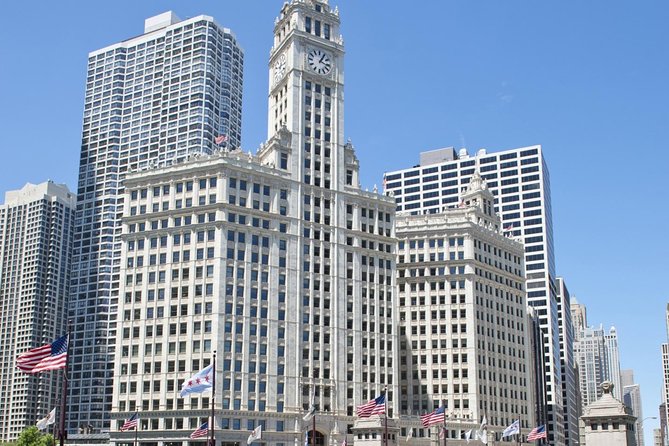
The first major outdoor landmark is the Wrigley Building. You view it from outside for about five minutes, so this is a quick stop rather than an interior visit.
That short pause is useful because the building is one of the route’s most recognizable markers. Your guide can point out features you might otherwise pass while heading toward the Loop. This is where the tour begins to train your eye: look beyond the overall silhouette and pay attention to the building’s surface, scale, and decorative details.
There is no included admission here, but no ticket is needed for the exterior viewing. The drawback is simple: if you want a long explanation or an indoor look, this stop will feel brief. The walk makes up for that by giving you more time inside later.
Palmer House reveals the city behind the façade
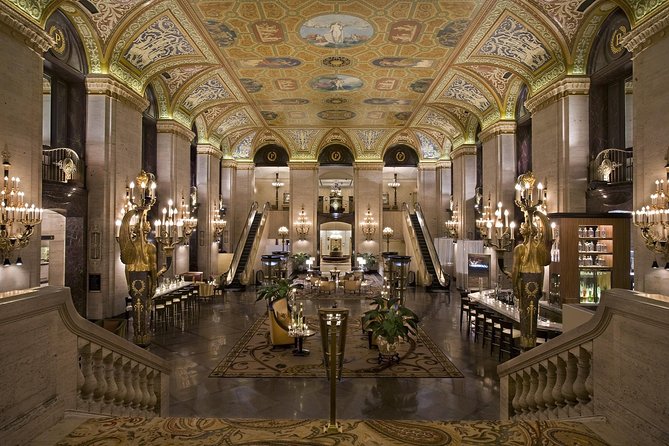
Palmer House Hilton is one of the most rewarding stops because you view both the exterior and the historic lobby. The visit lasts about 10 minutes, enough time to take in the room and hear how the hotel fits into Chicago’s story.
I like this part of the route because a hotel lobby can tell you as much about a city as a civic building. You are not only looking at a grand entrance. You are seeing how Chicago presented itself to business visitors, shoppers, and people arriving downtown in another era.
Guides have also connected the tour to the history of retail and the so-called Seven Sisters, a group of important commercial buildings. That makes the stop useful even if you are more interested in city life than architectural theory. The discussion can help you see downtown as a working center of hotels, stores, offices, and public spaces.
There is no admission charge for this stop, but entry requires proof of COVID-19 vaccination according to the tour information. Access can also be affected by building schedules. If the lobby is closed, the tour may need to rely more heavily on the exterior and the guide’s explanation.
More walking tours in Chicago:
- Chicago: Gangsters and Ghosts Walking Tour
★ 5.0 · 7,155 reviews - Chicago Favorites Ultimate Food and Walking Tour
★ 5.0 · 1,962 reviews - Chicago: Gangsters and Ghosts Guided Walking Tour
★ 4.7 · 1,697 reviews - Chicago’s Secret Interiors Architectural Walking Tour
★ 5.0 · 635 reviews
Carbide and Carbon adds a decorative contrast
The Carbide and Carbon Building is another exterior viewing, lasting about five minutes. It gives the walk a change of mood after Palmer House.
You may find this stop especially appealing if you like bold ornament and the polished look associated with Art Deco design. The visit is short, so the guide’s commentary matters. Without an explanation, you might simply take a photograph and move on. With one, the building becomes part of a larger conversation about changing tastes and Chicago’s continuing experiments with height and decoration.
There is no included admission, and the itinerary does not promise an interior visit. Treat this as a focused sidewalk stop. Comfortable shoes help, though the overall route is short enough for most people who can manage ordinary city walking.
The Reliance Building shows why early skyscrapers matter
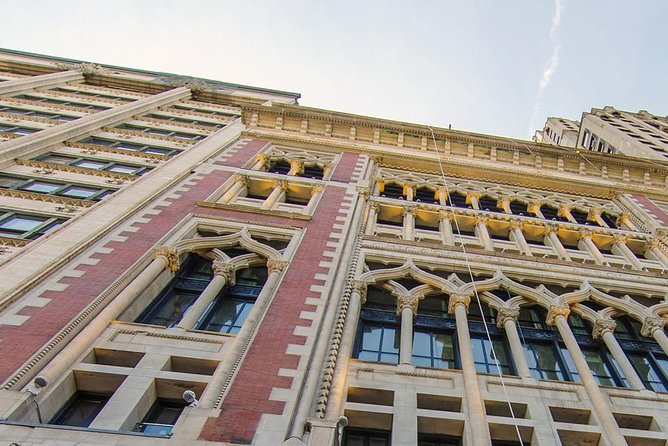
The Reliance Building is viewed for about five minutes, with no admission fee. It is another fast stop, but it supports one of the tour’s main ideas: Chicago’s early skyscrapers were not all alike.
This is where a good guide earns the $35 price. The building name alone does not tell you why it matters. A clear explanation can connect the Reliance Building to the city’s push toward taller commercial structures and to the design choices that made early skyscrapers practical and distinctive.
The tour does not spend equal time at every building. That is both a strength and a limitation. You cover several important places in one outing, but anyone hoping for a detailed lecture at each façade may want a longer architecture program.
The Chicago Cultural Center is the satisfying finish
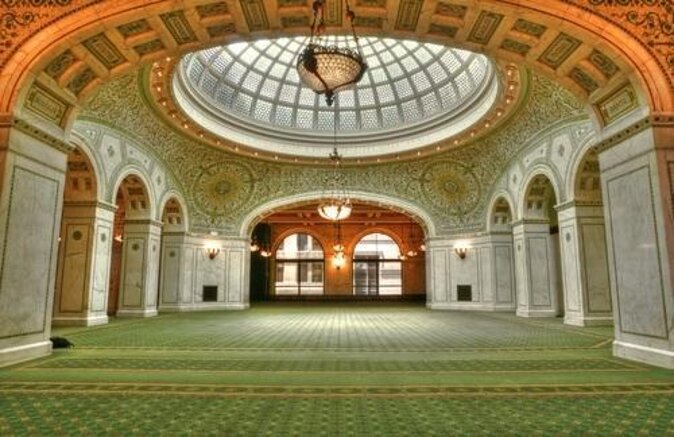
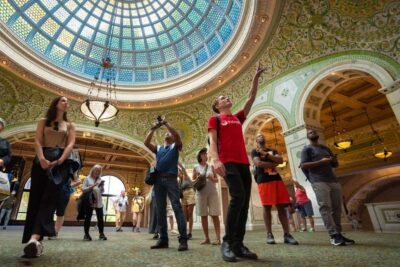
The walk ends at the Chicago Cultural Center at 78 East Washington Street. You view both the exterior and interior, with about 10 minutes devoted to the stop.
This is one of the tour’s strongest finishes because the interior gives you a final chance to slow down and look closely. The Cultural Center is more than a stop for a quick photograph. Its public rooms and decorative work reward a lifted gaze, and the guide can connect those details to Chicago’s civic and cultural life.
The end point is practical, too. You are left in the heart of the Loop, near public transportation and other downtown attractions. The docent returns to the Chicago Architecture Center, and you may accompany the docent back if you need to return to the starting point.
The tour’s official ending here gives you freedom to continue exploring rather than being tied to a return transfer. Just remember that the guide’s return walk is an option, not hotel transportation.
The guides are a major part of the experience
This tour depends heavily on the person leading it. The listed guides have different names and personalities, but the consistent strengths are clear: strong command of Chicago’s buildings, humor, patience, and a willingness to answer questions.
Bob has been praised for making the walk informative and enjoyable. Jim has been described as friendly and thorough, with a strong ability to bring the city’s past into focus. John has been singled out for taking time with questions and making buildings feel less like static objects.
Maureen adds backstories about the buildings and about life in Chicago. Laurel is associated with a fun, well-paced two-hour walk. Paul has been praised for showing passion for the subject without letting the pace drag. Beth handled a rainy day well and kept the discussion responsive. Margaret worked especially well with a small group and made room for questions.
You should not expect the same guide every time, so the tone may vary. Still, the format gives each docent room to adapt. One guide even had to change the route during a Memorial Day parade and kept the experience moving without confusion.
What the two-hour pace feels like
Two hours is a useful length for this route. You get enough time to see several buildings without turning the outing into a tiring half-day commitment.
The pace is helped by the short outdoor stops. You are not standing at one façade for 30 minutes. Instead, the guide gives you a focused explanation, moves you through the downtown streets, and saves more time for the public interiors.
The tradeoff is that you may leave wanting more. A building such as the Wrigley Building or Reliance Building could easily support a much longer discussion. If you are an architecture fan, consider this tour an introduction and use it to decide which buildings deserve a second look.
Rain does not automatically ruin the experience. The route includes indoor stops, and one guide kept a rainy outing interesting and worthwhile. Still, you should dress for the forecast because much of the tour takes place outside. The walk runs in the city, so ordinary street conditions and downtown crowds can affect how easily you hear the guide.
Who will get the most from this tour
I would recommend this walk to a first-time Chicago visitor who wants a fast introduction to the Loop and its architecture. It also suits people who have visited before but usually look at street level instead of up at the buildings.
History fans, architecture fans, and curious shoppers should find plenty to enjoy. The route connects design with hotels, retail, civic buildings, and the daily life of downtown. It is also a good choice for anyone who prefers an informed walk to a large bus tour.
The format is less suitable if you need a fully indoor activity, want extensive time inside every building, or dislike standing and walking. It is also not ideal if your schedule is so tight that a closure or route change would cause trouble. Building interiors may change because of weekend and holiday schedules or unforeseen closures.
Service animals are allowed, while pets are not. Most people can participate, but the tour does not provide coat check, luggage storage, or stroller storage. Plan around those limits rather than arriving with large bags.
How to make the $35 worthwhile
Use the Chicago Architecture Center galleries before or after the walk, since admission is included. The five-minute opening is only an introduction, so the galleries can add useful context if you have time.
Wear comfortable shoes and keep your hands free for taking photographs. Expect to listen outdoors, then take advantage of the quieter interior moments at Palmer House and the Cultural Center.
I would also keep the rest of your day flexible. The tour ends near many downtown sights, and you may want to revisit a building, continue through the Loop, or return to the Architecture Center with the docent.
The cancellation policy is forgiving if your plans shift: you can cancel up to 24 hours before the start time for a full refund. Changes or cancellations made less than 24 hours before the start time are not accepted for a refund.
Should you book the Historic Treasures walk?
Book it if you want a compact, well-guided introduction to Chicago architecture with a few worthwhile interiors. The small group, included Architecture Center admission, and strong guides make $35 a fair price.
Skip it if you mainly want to explore at your own pace, need guaranteed interior access, or already have a detailed understanding of Chicago’s major buildings. For most first-time visitors, though, this is a smart way to see several downtown landmarks in two hours and learn why they deserve more than a quick photograph.
FAQ
How long does the Chicago Historic Treasures tour last?
The walking tour lasts approximately two hours.
How much does the tour cost?
The price is $35 per person.
Where does the tour begin?
It begins at the Chicago Architecture Center, 111 East Wacker Drive, Chicago.
Where does the tour end?
The scheduled ending point is the Chicago Cultural Center at 78 East Washington Street. The docent returns to the Chicago Architecture Center, and you may accompany the docent back.
Is admission to the Chicago Architecture Center included?
Yes. Admission to the galleries of the Chicago Architecture Center is included, along with introductory remarks from the docent.
Which buildings are visited?
The route includes the Wrigley Building, Palmer House Hilton, Carbide and Carbon Building, Reliance Building, and Chicago Cultural Center.
Can I go inside the buildings?
The tour includes interior access at Palmer House and the Chicago Cultural Center, but access to featured interiors can change because of weekend schedules, holidays, or unexpected closures.
Is proof of COVID-19 vaccination required?
Proof of COVID-19 vaccination is required to enter the Palmer House location.
How large is the tour group?
The tour has a maximum of 15 participants.
Is the tour accessible by public transportation?
Yes. The meeting area is near public transportation.
Are pets allowed?
Pets are not allowed, but service animals are allowed.
Can I cancel for a refund?
You can cancel at least 24 hours before the experience start time for a full refund. Cancellations or changes made less than 24 hours before the start time are not accepted.
Recently added around Chicago
- Travel between Chicago O’Hare and Madison★ 4.5 · 4 reviews
- Volo Auto Museum: Admission Ticket★ 4.5 · 55 reviews
- Holiday Walking Tour: Underground Chicago via the Pedway★ 5.0 · 27 reviews
- Workers Cottages of Oldtown Triangle Walking Tour★ 5.0 · 45 reviews
- Verse Immersive Holographic Theater in Chicago★ 4.5 · 28 reviews
- Vito’s Vault Chicago finest dinner theatre speakeasy★ 5.0 · 14 reviews
- Delicious Donuts & Sweet Treats: West Loop Walking Tour★ 5.0 · 47 reviews
- Traveling Spoon Chicago-Style Deep Dish Pizza Private Online Cooking Class★ 5.0 · 4 reviews
Chicago History Tours, compared.
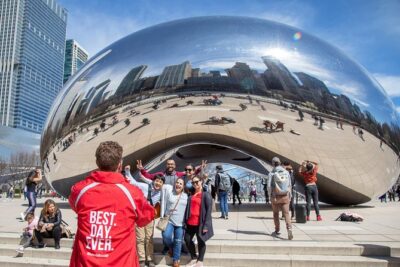
Chicago in a Day: Food, History & Architecture Walking Tour
Read our review →
Field Museum of Natural History Ticket or VIP Tour
Read our review →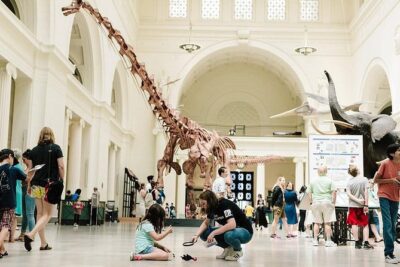
Field Museum of Natural History Admission Tickets
Read our review →
Historical and Architectural Chicago Fireboat River & Lake Cruise
Read our review →
Walkin’ with Colin: Chicago History-Mystery-Comedy-Tragedy Tour
Read our review →
Field Museum of Natural History All-Access Pass
Read our review →
Browse the lists this tour appears in