
Reviewed · CHICAGO ARCHITECTURE TOURS
Chicago: Food, History and Architecture Tour
Chicago’s story is easiest to grasp on foot, with a hot dog in one hand and a view of the skyline in the other. This 4.5-hour tour links the Chicago Pedway, the Riverwalk, Prohibition-era tales, and grand downtown buildings with three local food stops.
I like two things right away: the small group, capped at 12, keeps the guide easy to hear, and the food is not an afterthought. You get Chicago-style popcorn, a hot dog, deep-dish pizza, and Italian beef. The main consideration is the walking: 3 to 4 miles in rain, snow, or cold can feel like a lot, especially on a long afternoon.
Key points at a glance
- The Pedway adds a local angle: Walk through Chicago’s underground passageways, spaces many first-time visitors would miss.
- Three classic foods make a full meal: Sample a Chicago hot dog, deep-dish pizza, and Italian beef, with portions and stops varying by season.
- Architecture comes from the street and inside: You may enter buildings to see details that are easy to miss from the sidewalk.
- The route ends at the Bean: Finish in Millennium Park after the Riverwalk and downtown landmarks.
- Local guides shape the day: Guides including Chicago Dave, Daniel, Dash, Rich, Kevin, and others bring personal stories and flexible pacing.
- Small groups help: With no more than 12 people, you can usually hear the guide without a headset.
Why this Chicago tour works so well
Many city tours force you to choose one theme. You either study architecture, chase food, or hear local history. This one puts all three in the same walking day, which makes sense in Chicago. The city’s food traditions grew alongside its immigrant neighborhoods, rail lines, skyscrapers, hotels, and political scandals.
The route gives you a useful first look at downtown. You see major sights, enter selected buildings, learn how Chicago changed after the Great Fire, and hear about its Prohibition past. Then the food stops turn those stories into something you can taste.
I especially like the way the tour mixes movement with pauses indoors. Chicago weather can be sharp, and a long outdoor walk is much easier when you have chances to sit, eat, and warm up. The route is still active, but it is not simply four and a half hours of marching down sidewalks.
The guide matters here. Chicago Dave appears often in the tour’s feedback, and his appeal comes from being born and raised in the city and presenting it with obvious affection. Other guides, including Daniel, Dash, Rich, Kevin, Wallach, Kelly, Lara, and Nash, have also led the experience. The exact guide depends on the day, but the strongest part of this tour is clearly the human connection.
More food tours in Chicago:
- Chicago Favorites Ultimate Food and Walking Tour
★ 5.0 · 1,962 reviews - Delicious Donuts & City Sights: Chicago’s Original Donut Tour
★ 5.0 · 1,389 reviews - Chicago in a Day: Food, History & Architecture Walking Tour
★ 5.0 · 1,153 reviews
Chicago’s skyline from the sidewalk
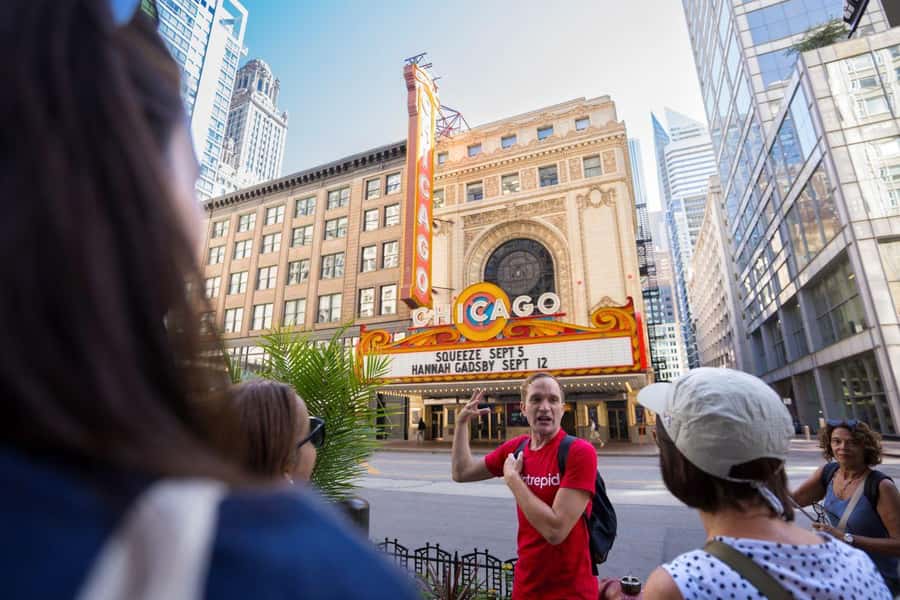
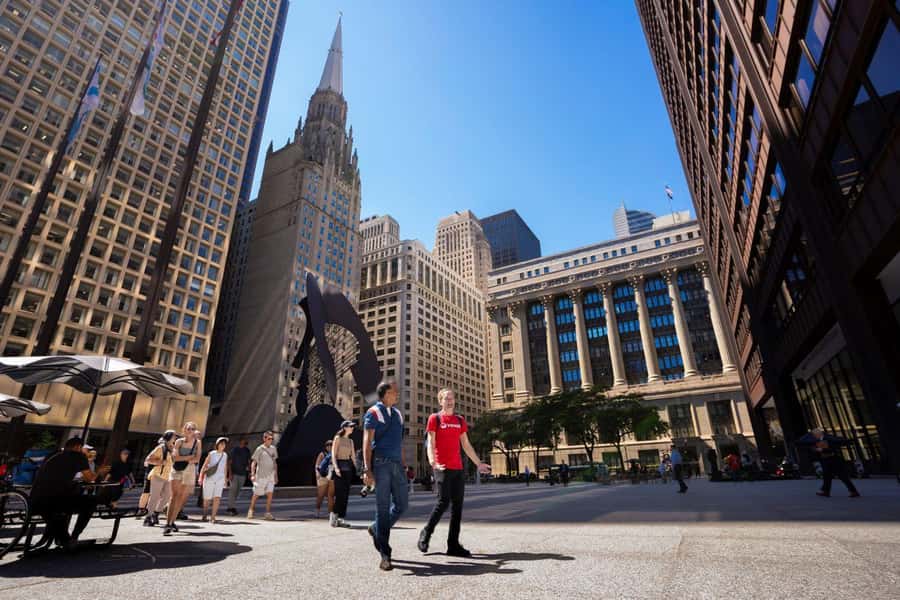
The architecture portion brings you close to some of the city’s best-known buildings. You pass the Chicago Theatre, Willis Tower, the Art Deco London House, the Wrigley Building, Marina Towers, and other downtown landmarks. These are not just photo stops. Your guide explains how the buildings fit into the city’s growth and changing design tastes.
The Wrigley Building is a good example of why a guide helps. From the street, its white exterior and clock tower are impressive. With context, you can better understand why it became such a familiar part of Chicago’s identity and how its location relates to the river and the city’s commercial center.
The Chicago Theatre brings another kind of story. Its famous sign is one of the city’s classic images, but the building also connects to Chicago’s long entertainment tradition. At the London House, you get a look at Art Deco design and the polished style that shaped many downtown interiors.
Willis Tower gives you a sense of scale. You may not go up to its observation deck on this tour, but seeing it from street level helps you understand how the older buildings and newer towers sit together. If you want a high-level skyline view, you will need a separate ticket to 360 Chicago or another observation deck.
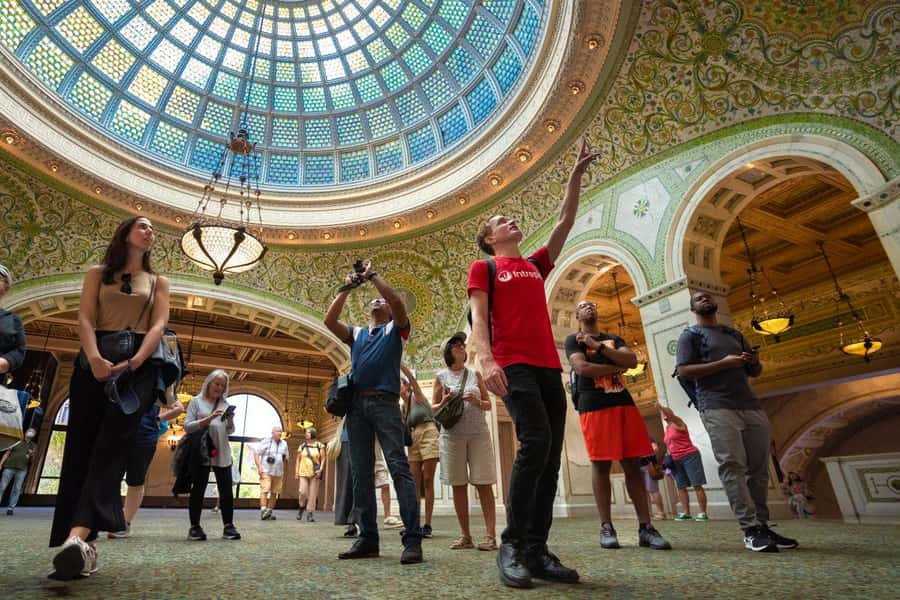
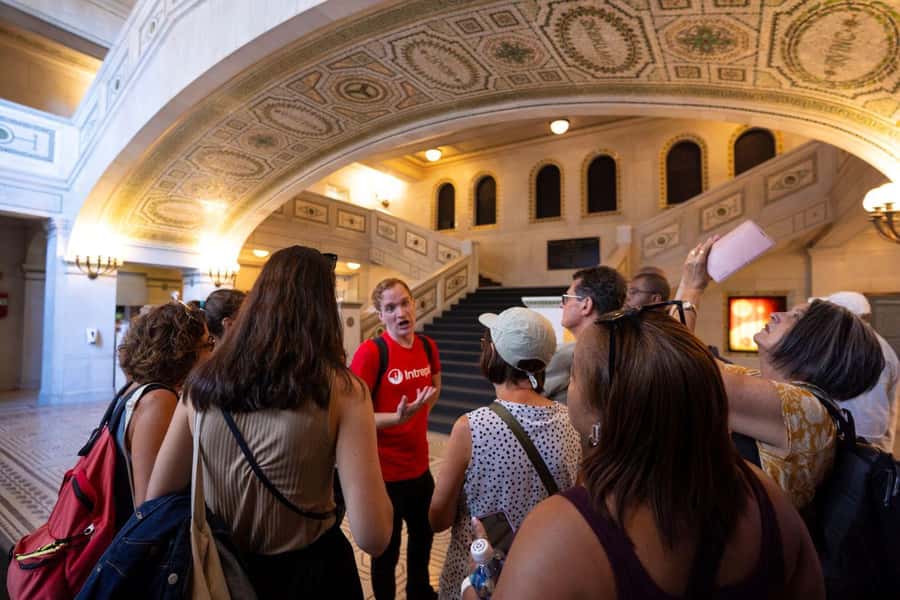
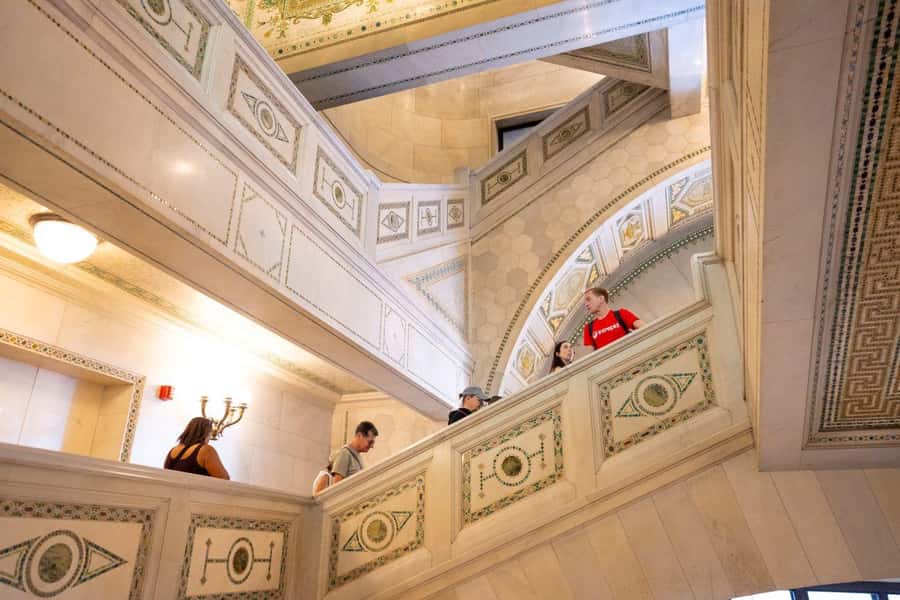
One of the best features is the chance to enter some buildings. Several guides have taken groups inside places where architectural details are easy to overlook from outside. You might see decorative ceilings, lobbies, or public interiors that would otherwise become background scenery during a normal sightseeing walk.
The Chicago Cultural Center is especially worthwhile. Its grand interior offers a welcome break from the pavement and gives you a closer look at one of the city’s important civic spaces. The tour also includes the former Macy’s building, where you might see the celebrated interior ceiling and hear about the building’s place in Chicago shopping history.
This part of the route is strongest for curious first-time visitors, but it can also surprise people who have visited Chicago before. One person who had been to the city many times still learned new details, in part because the guide went beyond the usual outdoor photo stops.
The Pedway and the city beneath your feet
Chicago’s Pedway is one of the tour’s more unusual features. This network of underground corridors links parts of the downtown area and is used by office workers and locals, especially when the weather turns unpleasant.
Do not expect a grand subterranean attraction with displays and signs at every turn. The Pedway is practical, sometimes plain, and not always easy to understand on your own. That is precisely why it works well with a guide. You can see how Chicago functions below street level and learn how locals move through the center of town.
The underground section also changes the pace. After looking up at towers and ornate facades, you move through a more utilitarian side of the city. It is a small but useful reminder that Chicago is not only made for sightseers. It is a working city with layers above and below ground.
Meeting details can vary by booking option, so check the final instructions carefully. The route itself may also adjust based on building access, weather, and the day’s food stops.
Chicago’s Prohibition stories and local character
Chicago’s Prohibition era gives the walking tour a lively historical thread. The guide uses downtown buildings and streets to explain the city’s relationship with organized crime, alcohol, politics, and nightlife during the 1920s and early 1930s.
This is not described as a specialized gangster tour, so you get more than crime stories. The Prohibition material sits within a wider account of Chicago’s development. That balance is useful. You hear the colorful tales, but the city does not get reduced to Al Capone and speakeasies.
The best guides make this history feel connected to the places around you. A hotel, theater, restaurant, or office building becomes more than an old facade when you understand the people and habits tied to it. Guides such as Dave and Dash have been praised for telling stories in an interactive way, rather than simply reciting dates.
If you enjoy architecture but need a human story to hold your attention, this combination should suit you. If you want a detailed academic study of Chicago’s building styles, this tour will be broader and lighter than a specialist architecture walk.
More architecture tours in Chicago:
- Chicago Architecture River Cruise
★ 5.0 · 15,756 reviews - Chicago River 90-Minute Architecture Tour
★ 4.5 · 9,629 reviews - Chicago River: 1.5-Hour Guided Architecture Cruise
★ 4.8 · 8,046 reviews - Chicago Architecture Center River Cruise aboard First Lady
★ 5.0 · 5,536 reviews
Chicago Riverwalk and the city’s famous buildings
The walk along the Chicago River gives you one of the clearest views of downtown architecture. From the river level, the buildings rise around you in a way that is hard to appreciate from a normal street grid.
You pass the Marina Towers and Wrigley Building while the guide points out how the river shaped Chicago’s growth. The route offers good photo opportunities, but it is also a useful lesson in the city’s layout. Chicago’s architecture makes more sense when you see how the river cuts through the downtown core.
The Riverwalk is a scenic section, but keep your expectations practical. This is not a boat cruise, and you will not get the uninterrupted river commentary or wide skyline views provided by Chicago’s popular architecture cruises. Instead, you get a closer, slower look at the buildings, with the advantage of being able to stop and ask questions.
The walking pace appears to be measured rather than rushed. One guide was praised for making sure nobody had to run to keep up, and another adapted the route when the group showed interest in something outside the planned stops. That flexibility is valuable in a small group.
Popcorn, hot dogs, pizza, and Italian beef
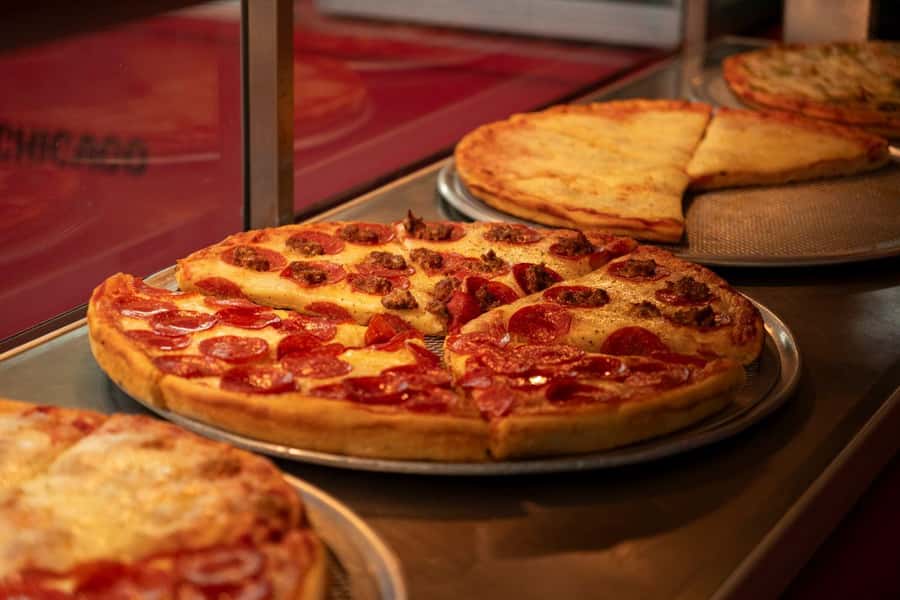
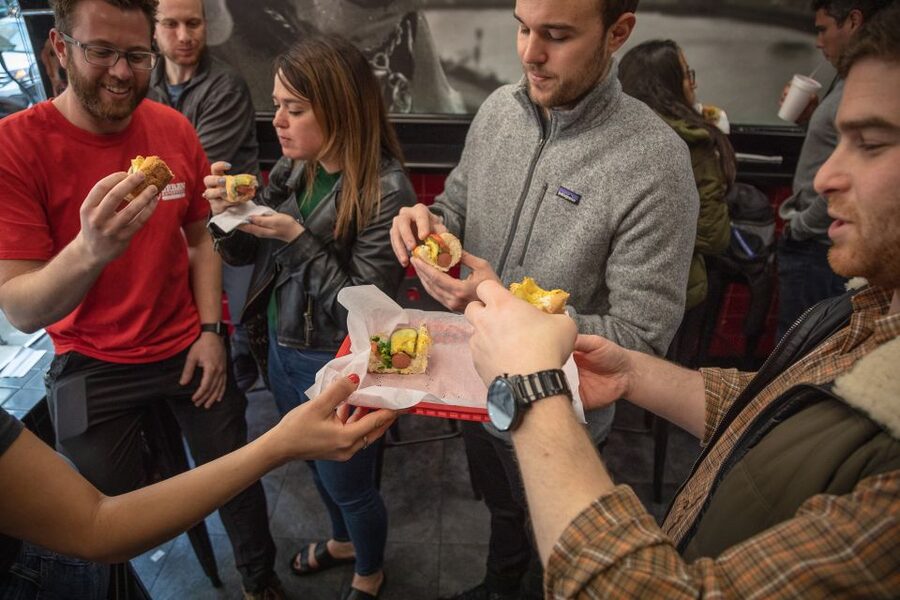
The food section is the tour’s payoff, but it is also a lesson in Chicago identity. You do not simply get generic snacks. The stops focus on foods strongly linked to the city: Chicago-style popcorn, a Chicago hot dog, deep-dish pizza, and an Italian beef sandwich.
The popcorn tasting is a light opening to the food theme. Chicago-style popcorn often combines sweet and salty flavors, and it gives you a quick taste of the city’s snack culture before the larger stops.
The hot dog is more substantial and comes with the familiar Chicago approach to toppings. Exact preparation can vary, but the point is to try the local version at a classic stop rather than order an ordinary hot dog at a random restaurant.
Deep-dish pizza is likely to be the most filling stop. It is quite different from thin crust pizza, with a thicker base and a heavier, more structured serving. If you are used to eating large meals early in the day, you may appreciate it. If not, pace yourself.
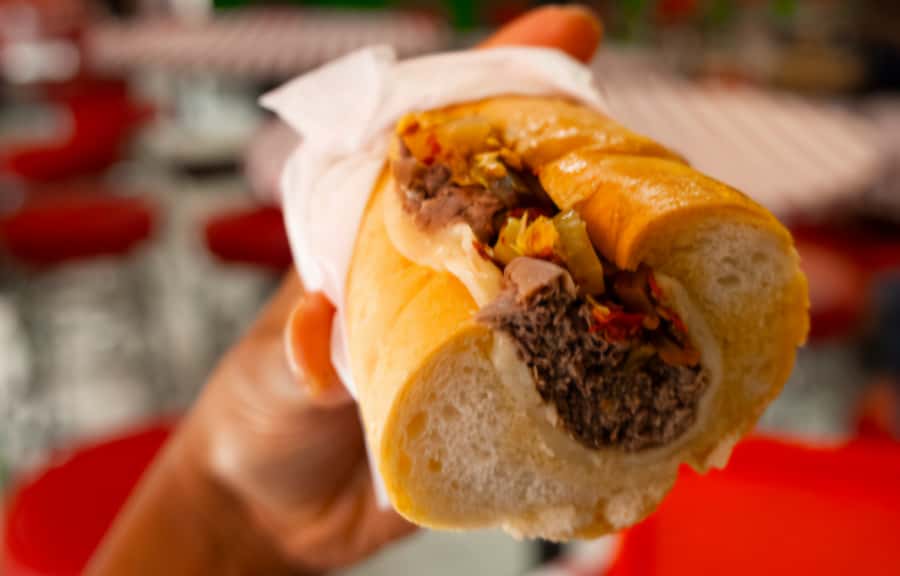
Italian beef rounds out the food story. It reflects Chicago’s Italian-American traditions and gives you a savory alternative to the hot dog and pizza. Together, the three main tastings are intended to equal a full meal, though portions and specific restaurants vary with the season and the route.
That variation is worth noting. You should not book this expecting one fixed restaurant lineup or identical serving sizes on every date. The overall amount of food is meant to be meal-sized, but additional food and drinks are not included.
Vegetarian options can be arranged if you notify the company in advance. Other food allergies and dietary preferences cannot be accommodated, so this tour is not a good choice if you need strict allergy control or a specially planned menu.
One practical tip: a start time around early afternoon may mean you are hungry before the first full food stop. One past participant suggested moving the food earlier on that schedule. I would eat a light breakfast or early snack, but not a large lunch, so you have room for the tastings.
Finishing at the Bean in Millennium Park
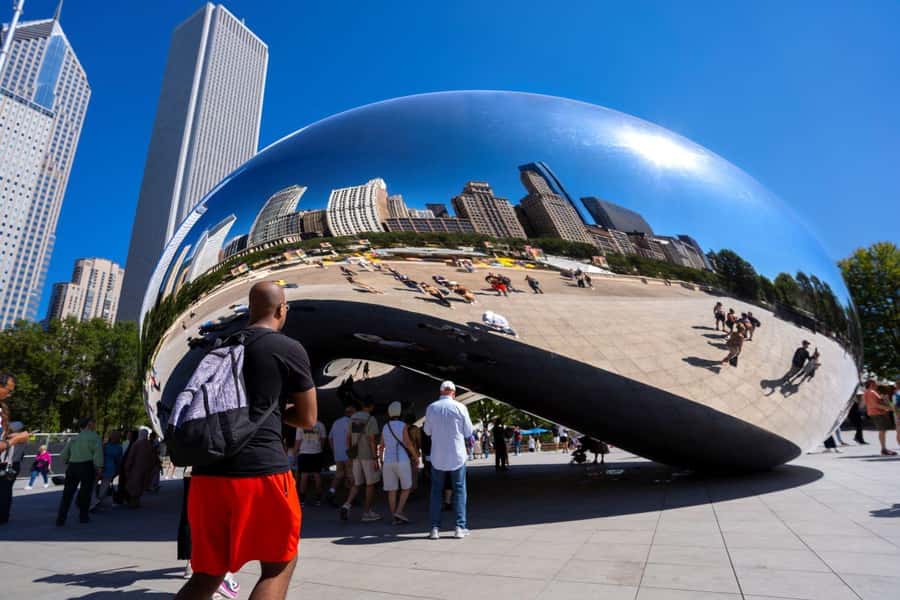
The tour ends at Millennium Park, with Cloud Gate, better known as the Bean, as the final landmark. This is a sensible finish because you get a major Chicago sight after learning how the downtown center fits together.
The Bean is more than a quick photo opportunity here. By the end of the walk, you have crossed several parts of the central city, seen the river from close range, and heard how Chicago’s architecture and food traditions developed. Millennium Park gives you a public space to pause and continue exploring on your own.
Your guide can also suggest what to do next. Past guides have offered restaurant ideas, directions, and nearby sights suited to the group’s interests. This is useful if you have only one day in Chicago and need help choosing between museums, observation decks, cruises, or neighborhoods.
What $99 buys you
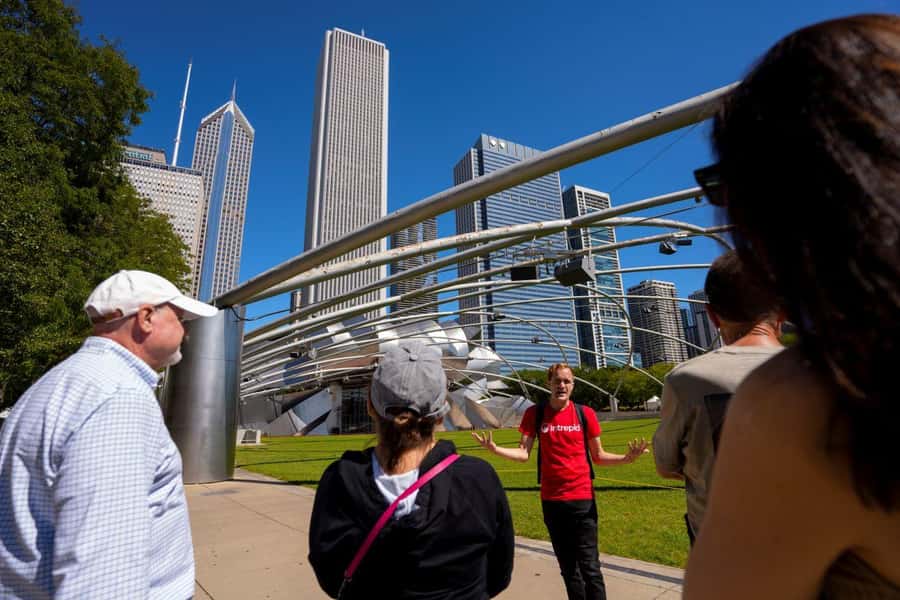
At $99 per person, the tour is not the cheapest way to see downtown. You can walk the Riverwalk and photograph the Bean for free, and you can buy the same foods separately. The value comes from combining the guide, the route planning, the building access, the history, and a full meal’s worth of samples in one half-day.
The small-group limit makes the price easier to justify. With no more than 12 people, the guide can answer questions, adjust the pace, and keep everyone together without relying on a microphone or headsets. Several guides have also made use of indoor stops, which adds more than simple commentary from the curb.
I would compare this cost with booking a separate architecture cruise and a food tour. A cruise gives you wider views and less walking, while a dedicated food tour may offer more restaurants and larger portions. This walking tour is the better all-purpose choice if you want a first introduction to Chicago and prefer direct contact with the city.
Free cancellation up to 24 hours before the start and the option to reserve now and pay later make planning easier. The tour runs in rain, snow, or sunshine, so the flexibility helps, but it does not remove the need to check the forecast and dress sensibly.
Walking, weather, and family suitability
The stated distance is about 4.8 to 6.4 kilometers, or 3 to 4 miles. The tour is described as suitable for all ages and fitness levels, but that should not be mistaken for a no-effort outing. You will spend much of the 4.5 hours on your feet, with city traffic, crossings, stairs, and changing weather possible along the way.
Wear comfortable shoes. Bring weather-appropriate clothing, especially in winter or during wet weather. A guide once led the tour for a single participant through February cold, so the activity does operate in difficult conditions.
Children under six can join free of charge, and the walk is described as child-friendly. The food theme may help keep older children interested, while the history and architecture will appeal more to teenagers and adults. Families should still think about the distance and the attention span required for a long downtown walk.
Private groups are available if you want a more personal pace or are traveling with relatives and friends. The standard small group is already intimate enough for most people, though.
Who should book this experience?
I would recommend it most strongly for first-time Chicago visitors who want to get their bearings quickly. You see the major downtown sights, learn how to use part of the Pedway, sample the foods most associated with Chicago, and finish with useful suggestions for the rest of your stay.
It also suits repeat visitors who have seen the big buildings but never looked inside them. The indoor details, local stories, and guide flexibility can add something beyond a standard photo walk.
Food lovers should enjoy the range, but this is not a gourmet tasting menu. The samples are classic, casual, and filling. If you prefer fine dining, specialty coffee, or carefully selected modern restaurants, choose a different food tour.
You should also think twice if you have serious food allergies, dislike walking several miles, or want a purely architectural study. For those needs, a river architecture cruise, a specialist building tour, or an observation deck may fit better.
Final verdict: a smart first day in Chicago
I would book this tour if I had one free half-day in Chicago and wanted a broad introduction rather than a narrow theme. The combination of the Pedway, downtown architecture, Prohibition stories, Riverwalk, Millennium Park, and four local food tastes gives you a useful sense of the city’s character.
Its biggest strengths are the guides, the small group, and the fact that the food is built into the day instead of tacked on at the end. The main tradeoff is the distance and the fixed menu limits. Dress for the weather, warn the company about vegetarian needs in advance, and arrive ready to eat a little of everything.
FAQ
How long does the Chicago Food, History and Architecture Tour last?
The tour lasts 4.5 hours and is usually offered in the morning or afternoon.
How much walking is involved?
The route covers about 4.8 to 6.4 kilometers, or 3 to 4 miles. Comfortable shoes are recommended.
What food is included?
The tour includes three food stops with samples such as a Chicago-style hot dog, deep-dish pizza, and an Italian beef sandwich. It also includes a popcorn tasting.
Will the food equal a full meal?
The total amount of food is intended to equal a full meal, but portions and specific food stops can vary by season and location.
Can vegetarian food be provided?
Vegetarian options can be accommodated if you notify the company in advance. Other food allergies and dietary preferences cannot be accommodated.
How large is the group?
The standard tour has a maximum of 12 participants. A private group option is also available.
Is the tour suitable for children?
Yes. The walk is described as child-friendly, and children under six may join free of charge.
Does the tour operate in bad weather?
Yes. The experience runs in rain, snow, or sunshine, so you should wear clothing suitable for the forecast.
Is cancellation allowed?
You can cancel up to 24 hours in advance for a full refund. A reserve-now, pay-later option is also available.
More History Tours in Chicago
- Chicago: Field Museum of Natural History Ticket or VIP Tour
★ 4.7 · 717 reviews - Field Museum of Natural History Admission Tickets
★ 4.5 · 489 reviews - Chicago Walking Tour: Historic Treasures of Chicago
★ 5.0 · 362 reviews - Historical and Architectural Chicago Fireboat River & Lake Cruise
★ 5.0 · 246 reviews
Recently added around Chicago
- Travel between Chicago O’Hare and Madison★ 4.5 · 4 reviews
- Volo Auto Museum: Admission Ticket★ 4.5 · 55 reviews
- Holiday Walking Tour: Underground Chicago via the Pedway★ 5.0 · 27 reviews
- Workers Cottages of Oldtown Triangle Walking Tour★ 5.0 · 45 reviews
- Verse Immersive Holographic Theater in Chicago★ 4.5 · 28 reviews
- Vito’s Vault Chicago finest dinner theatre speakeasy★ 5.0 · 14 reviews
- Delicious Donuts & Sweet Treats: West Loop Walking Tour★ 5.0 · 47 reviews
- Traveling Spoon Chicago-Style Deep Dish Pizza Private Online Cooking Class★ 5.0 · 4 reviews
Chicago Architecture Tours, compared.

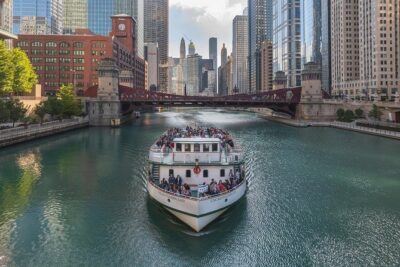
Chicago Architecture Center River Cruise aboard First Lady
Read our review →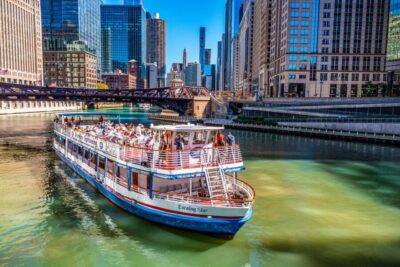
Architecture River Cruise Skip-the-Ticket Line
Read our review →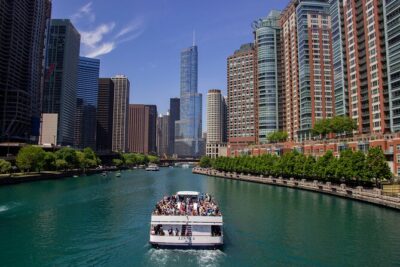
Chicago River 45-Minute Architecture Tour from Magnificent Mile
Read our review →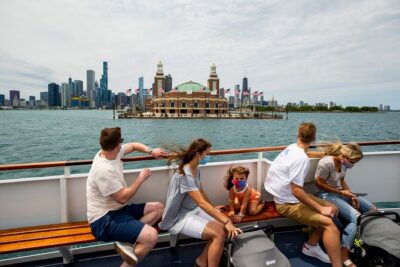
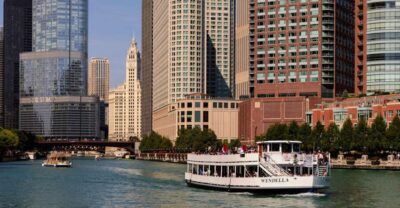
45-Minute Family-Friendly Architecture River Cruise
Read our review →Browse the lists this tour appears in