

Reviewed · CHICAGO ARCHITECTURE TOURS
Chicago: Icons Guided Architecture Walking Tour
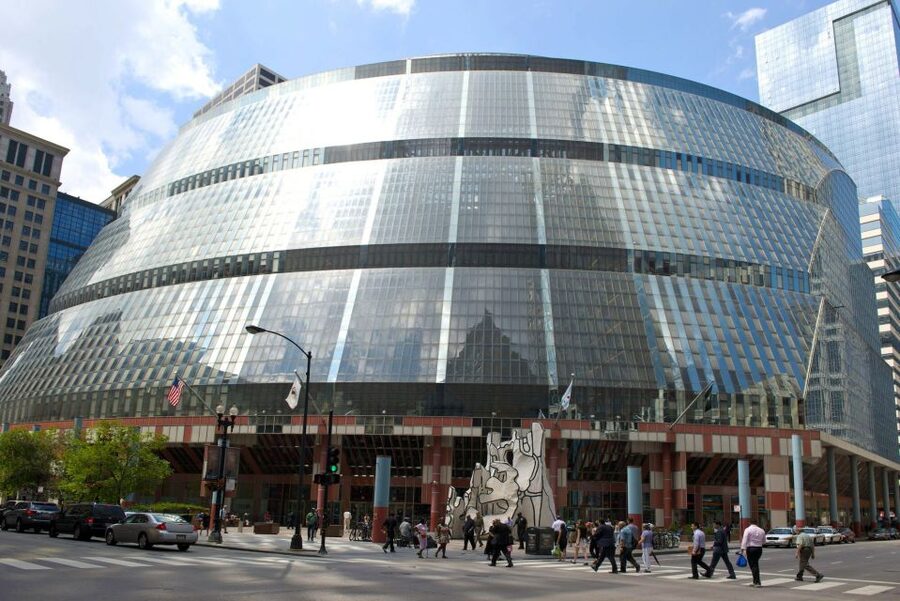
Chicago’s architectural story unfolds quickly on this 90-minute downtown walk. You move from 1890s commercial buildings to recent skyline additions, comparing Beaux-Arts, Mid-Century Modern, Postmodern, and newer designs along the way.
I like the clear seven-stop format and the way the tour connects old buildings with ideas shaping design today. I also like that your ticket supports the Chicago Architecture Center’s education work, including Girls Build! and Teen Fellows. The main drawback is the fixed pace: architecture fans may want more time at each building, while casual walkers may find the amount of information brisk.
- Seven downtown stops: Compare major Chicago styles in a compact walking route.
- Architects from several eras: Look at work linked with Frank Gehry, Renzo Piano, and Adrian Smith.
- Millennium Park finale: Finish where public art, architecture, and open urban space meet.
- Strong guide-led context: Teresa and Ron have both led especially well-received tours, with Ron using a useful notebook of facts.
- Good community value: Ticket income supports Chicago Architecture Center education and public programs.
- Rain-or-shine format: Wear sensible shoes and bring weather protection, since there is no indoor substitute for the walk.
Why Chicago’s Architecture Works Best on Foot
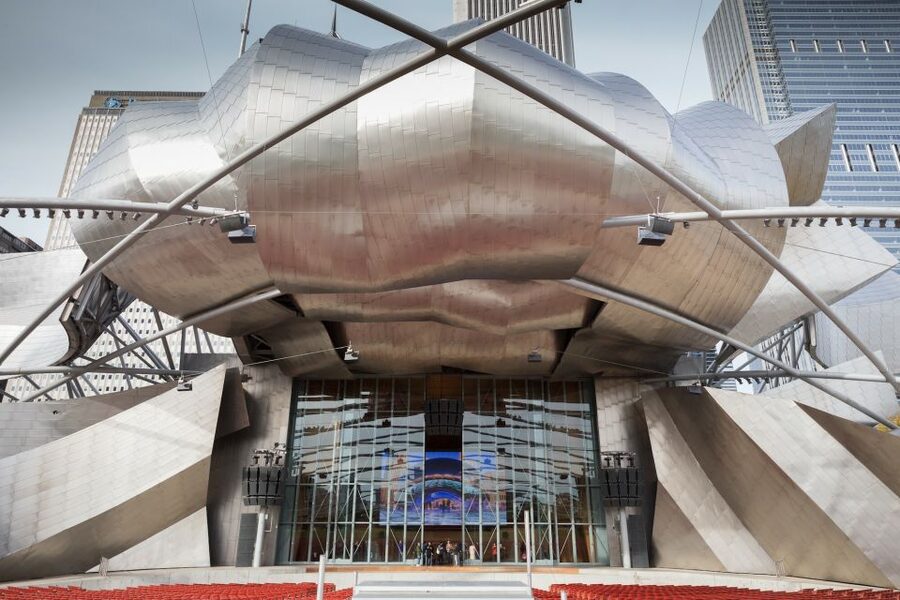
Chicago is easier to understand when you look up, then look back down at street level. A walking tour lets you see how buildings meet sidewalks, frame public space, and respond to the structures beside them.
This experience keeps that idea simple. You begin at the Chicago Architecture Center at 111 East Wacker Drive, then visit seven downtown locations before ending at Millennium Park. The route covers buildings from the 1890s to the present, so the city becomes a lesson in change rather than a parade of isolated landmarks.
I like this format because you do not need to know architectural terms in advance. Your guide provides the basic vocabulary, then uses real buildings to explain it. You can compare the weight and decoration of older commercial architecture with the cleaner lines of Mid-Century Modern design or the bold shapes of Postmodern work.
The tour is conducted in English and lasts 90 minutes. That is enough time for a useful overview without taking up a full morning or afternoon. It also means you should expect a brisk introduction rather than a slow, highly detailed study of every façade.
Starting at the Chicago Architecture Center
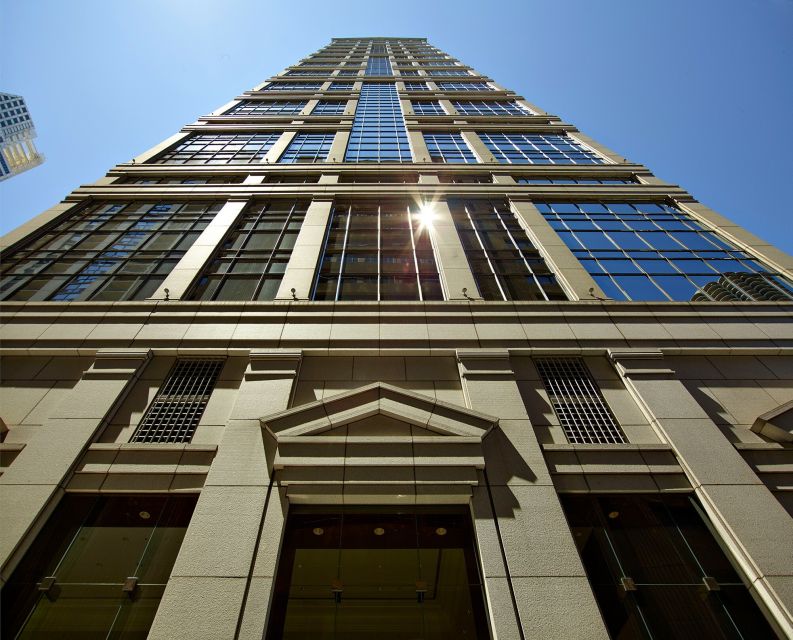
The meeting point is the Chicago Architecture Center at 111 East Wacker Drive. Arrive with a mobile or printed ticket ready. Admission to the center’s galleries is included, which adds value if you want to see more architectural material before or after your walk.
The center gives the tour a helpful setting. You are not meeting at a random street corner and immediately trying to understand Chicago from scratch. The experience begins at an organization devoted to architecture, design, education, and local community programs.
The ticket also supports the center’s wider work. Your purchase helps fund programs such as Girls Build!, Teen Fellows, and the Newhouse Architecture + Design Competition. It can also help keep Open House Chicago free. I would not book the walk only for that reason, but it is a worthwhile extra when comparing it with a standard commercial city walk.
You will not have a place to leave luggage or a stroller. Bring only what you can comfortably carry for the full route. Assistance dogs are allowed, but other pets are not.
More architecture tours in Chicago:
- Chicago Architecture River Cruise
★ 5.0 · 15,756 reviews - Chicago River 90-Minute Architecture Tour
★ 4.5 · 9,629 reviews - Chicago River: 1.5-Hour Guided Architecture Cruise
★ 4.8 · 8,046 reviews
Seven Stops, Seven Ways to Read the City
The heart of the tour is the sequence of seven downtown stops. The information provided does not assign a public name to every stop, so you should think of them as a planned set of architectural comparisons rather than a checklist of famous interiors.
The older stops introduce Chicago’s 19th-century Commercial style. These buildings help explain how the city developed a new approach to urban construction, with practical commercial needs shaping the exterior and street presence. Your guide can point out details you might otherwise pass without noticing.
The Beaux-Arts examples provide a different mood. This style is associated with formal planning, decorative treatment, and a strong sense of civic presentation. Seeing it beside more restrained modern buildings makes the contrast easier to grasp than any written definition.
Mid-Century Modern architecture changes the conversation again. Here, the focus turns toward clean forms and modern ideas about function and materials. A good guide helps you see that this is not just a matter of buildings looking plain. The style reflects a different period and a different view of what architecture should do.
Postmodern buildings add another twist. They can refer back to older architectural ideas while using newer forms, colors, or arrangements. The point of including them is not simply to label a building. It is to show how architects respond to earlier styles, sometimes by borrowing from them and sometimes by pushing against them.
The route also brings in recent architecture connected with Frank Gehry, Renzo Piano, and Adrian Smith. These names give the tour a link to the present day, but the larger lesson is how new work fits into a city already filled with older buildings.
I appreciate that the walk is built around contrast. A single building can be interesting, but two or three different styles beside one another teach you more. You start noticing scale, shape, ornament, materials, and the way a building meets the street.
Frank Gehry, Renzo Piano, and Adrian Smith in the Modern Conversation
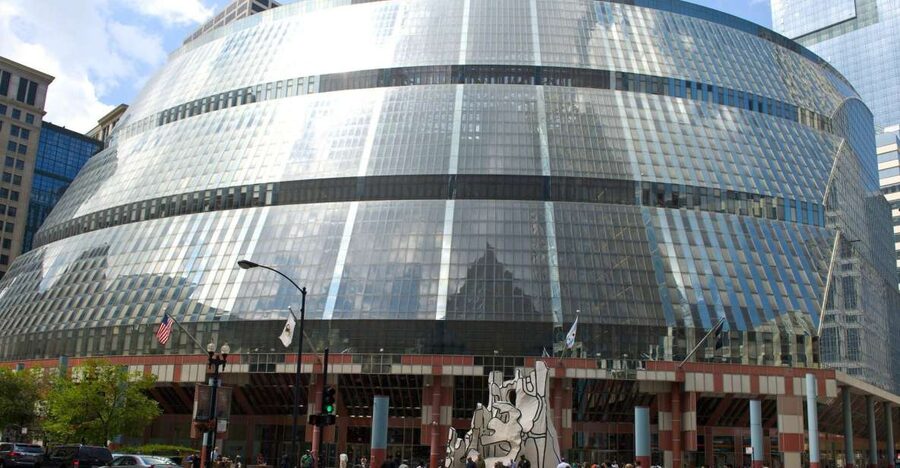
The tour’s modern section is useful because it moves beyond Chicago’s familiar older buildings. Frank Gehry, Renzo Piano, and Adrian Smith represent different approaches to contemporary design, and their inclusion shows that the city’s architectural story is still developing.
You will hear about what inspires design today, not only what happened in the past. That is an important distinction. Many architecture tours stop once they have explained the early skyscraper era. This one asks how present-day designers work within a city shaped by more than a century of construction.
You should keep your expectations realistic. The tour provides an outdoor introduction to these architects and their work, not a full architectural seminar. The guide’s explanations and comparisons are the main attraction, so your experience will depend in part on how much you enjoy listening, asking questions, and looking closely.
That guide connection appears to be one of the tour’s strongest features. Teresa led one particularly memorable walk, with careful pacing, clear context, and thoughtful answers to questions. Ron was also praised for his historical explanations and for using a notebook filled with extra facts. Those details suggest that guides may bring their own teaching style and supporting material to the route.
Because guide assignments can change, you should not assume Teresa or Ron will lead your particular departure. Still, the experience has a clear advantage over a self-guided stroll: you can ask why a building looks the way it does and how it relates to the next one.
The Millennium Park Finish
The tour ends at Millennium Park, where art and architecture share the same public space. This is a fitting final stop because it brings together many of the ideas introduced earlier: design, urban planning, public access, and the relationship between buildings and open space.
A park can seem separate from architecture, but Millennium Park shows how the two can work together. The final setting gives you a chance to think about the city as more than a collection of structures. Public art, paths, gathering areas, and nearby buildings all affect how you experience downtown.
The finish is also practical. You are left in one of Chicago’s best-known central areas, rather than ending at an isolated site. The tour does not include food, drinks, hotel pickup, or drop-off, so plan your next move before you arrive. You can treat the ending as a useful starting point for more downtown exploring, but the experience itself concludes at the park.
More walking tours in Chicago:
- Chicago: Gangsters and Ghosts Walking Tour
★ 5.0 · 7,155 reviews - Chicago Favorites Ultimate Food and Walking Tour
★ 5.0 · 1,962 reviews - Chicago: Gangsters and Ghosts Guided Walking Tour
★ 4.7 · 1,697 reviews - Chicago in a Day: Food, History & Architecture Walking Tour
★ 5.0 · 1,153 reviews
How Much Value Do You Get for $35?
The listed price is $35 per group up to one person. That wording is unusual, so check the booking page carefully if you are reserving for more than one person. At face value, the price is reasonable for a professional 90-minute tour, especially since admission to the Chicago Architecture Center galleries is included.
You are paying for more than movement between buildings. The real value is in the guide’s interpretation. Without that layer, you may see seven façades and remember only a few shapes. With good explanations, you learn how architectural styles differ and how Chicago’s older structures connect with newer additions.
The value is strongest if you are curious but not already an architecture specialist. Beginners get a framework they can use for the rest of their time in Chicago. People who already know the city may still enjoy the questions and comparisons, though they might prefer a longer or more focused tour.
The rating information is generally favorable, at 4.4 from four published ratings, but the sample is small. One booking problem also caused a scheduled tour not to take place, although Chicago Architecture Center staff worked to arrange another date. I would confirm your booking before setting your day around it, especially if you have only a short stay in Chicago.
Pace, Weather, and Physical Practicalities
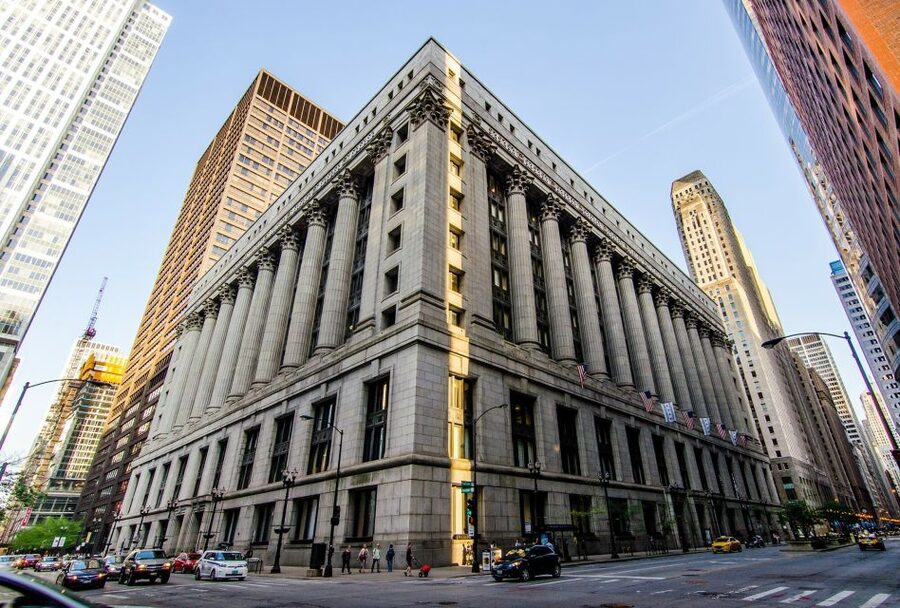
The tour runs rain or shine. That matters in Chicago, where a pleasant morning can change quickly. Bring a rain layer or weather protection when needed, and wear shoes suited to 90 minutes on city pavement.
The experience is wheelchair accessible. Since the route is outdoors and includes several stops, accessibility needs can vary with street conditions and the exact path, but the activity is identified as wheelchair accessible. If you have specific mobility questions, ask the provider before booking.
There is no luggage or stroller storage. Do not arrive with large bags expecting to leave them at the center. Families using a stroller should also plan around that restriction.
No hotel transportation is included. You make your own way to the Chicago Architecture Center and away from Millennium Park afterward. This is easy to fit into a downtown day, but you should allow time to reach the meeting point before the start.
Free cancellation is available up to 24 hours in advance for a full refund. You can also reserve now and pay later, which helps if your Chicago schedule is still changing. The tour is offered in English only.
Who Will Enjoy This Architecture Walk?
I would recommend this tour to first-time Chicago visitors who want an organized introduction to the city’s buildings without giving up half a day. Ninety minutes is a useful length for fitting architecture around museums, shopping, food, or a river cruise.
It also suits people who enjoy history when it is tied to visible details. You do not need to memorize dates or technical terms. Look at the façades, listen for the story behind them, and ask questions when something catches your eye.
The walk can work well for Chicago residents, too. One local participant had lived in the city for more than 40 years and still found new meaning in familiar architecture. That is a good reminder that knowing the streets does not always mean knowing what the buildings are saying.
I would be more cautious about booking it if you want interior access, a long stop at each site, or a tour devoted to one architect. The experience is built around exterior comparisons and a broad downtown overview. It gives you a strong foundation, but it will not answer every specialist question.
It may also be less appealing if weather is a serious concern or if you need to carry bulky items. The rain-or-shine policy and lack of storage are easy to manage, but they are still part of the decision.
My Take on the Chicago Architecture Center Experience
The best part of this walk is its sense of connection. You are not simply shown old buildings, then new buildings. You are asked to consider how one period responds to another and how new design finds a place among older city blocks.
I especially like the combination of the 1890s Commercial style, Beaux-Arts, Mid-Century Modern, Postmodern work, and recent architecture. That range keeps the route from becoming a single-style lecture. It also gives you a better way to read Chicago after the tour ends.
The guide matters a great deal. Teresa’s measured pacing and willingness to answer questions, along with Ron’s historical notes and extra facts, show what a strong leader can add. Since individual guides vary, ask questions and use the stops as a conversation rather than standing silently at the back.
At $35 for the listed booking, the walk offers solid value for a short, guided introduction, with the added benefit of supporting a nonprofit architecture center. Just remember the practical limits: English only, no hotel transfer, no food or drinks, no luggage or stroller storage, and an outdoor route in all weather.
Should You Book This Tour?
Book it if you want a compact, well-structured introduction to Chicago architecture and like learning by comparison. It is especially useful at the start of a Chicago visit, before you explore more of downtown on your own.
Skip it if you want a long specialist tour, building interiors, or a schedule protected from rain. For most visitors with 90 minutes to spare, though, the seven-stop route and Millennium Park ending make this a sensible way to understand why Chicago looks the way it does.
FAQ
Where does the Chicago architecture walking tour begin?
The tour begins at the Chicago Architecture Center, 111 E Wacker Drive, Chicago, Illinois 60601. Have a mobile or printed ticket ready.
How long does the tour last?
The walking tour lasts 90 minutes. Starting times vary, so check availability when booking.
What architectural styles are included?
The tour covers 19th-century Commercial style, Beaux-Arts, Mid-Century Modern, and Postmodern architecture. It also includes newer work connected with Frank Gehry, Renzo Piano, and Adrian Smith.
Does the tour finish at Millennium Park?
Yes. The route ends with a visit to Millennium Park, where public art and architecture come together.
Is the tour wheelchair accessible?
Yes, the activity is listed as wheelchair accessible.
What happens if it rains, and can I store luggage or a stroller?
The tour runs rain or shine. Storage for luggage and strollers is not available, so bring only what you can carry during the walk.
Recently added around Chicago
- Travel between Chicago O’Hare and Madison★ 4.5 · 4 reviews
- Volo Auto Museum: Admission Ticket★ 4.5 · 55 reviews
- Holiday Walking Tour: Underground Chicago via the Pedway★ 5.0 · 27 reviews
- Workers Cottages of Oldtown Triangle Walking Tour★ 5.0 · 45 reviews
- Verse Immersive Holographic Theater in Chicago★ 4.5 · 28 reviews
- Vito’s Vault Chicago finest dinner theatre speakeasy★ 5.0 · 14 reviews
- Delicious Donuts & Sweet Treats: West Loop Walking Tour★ 5.0 · 47 reviews
- Traveling Spoon Chicago-Style Deep Dish Pizza Private Online Cooking Class★ 5.0 · 4 reviews
Chicago Architecture Tours, compared.

Chicago Architecture Center River Cruise aboard First Lady
Read our review →
Architecture River Cruise Skip-the-Ticket Line
Read our review →
Chicago River 45-Minute Architecture Tour from Magnificent Mile
Read our review →

45-Minute Family-Friendly Architecture River Cruise
Read our review →Browse the lists this tour appears in