
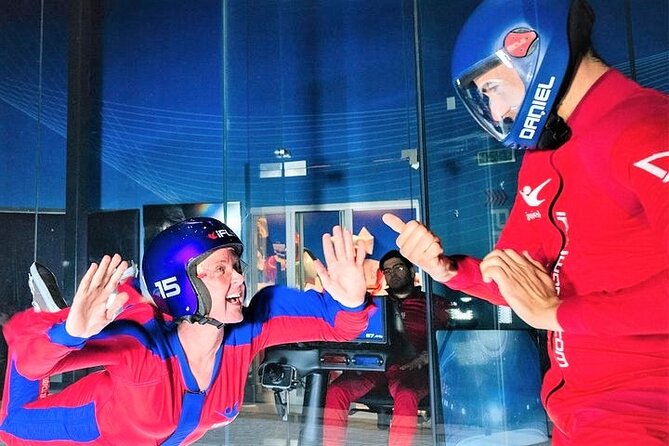
Reviewed · CHICAGO
Chicago Lincoln Park Indoor Skydiving with Two Flights
The unusual part is that you float in a smooth column of air rather than jump from anything. At Chicago’s iFLY Lincoln Park, a 1,400-horsepower system can push air up to 180 miles per hour, giving you a controlled taste of free-fall without a plane, parachute, or stomach-dropping leap.
I like the patient one-on-one coaching and the fact that each person gets two 60-second flights. I also like the certificate at the end, plus the chance to work toward turns and a higher flight if your instructor thinks you are ready. Vinnie, Tommy, Hannah, Joe, and other instructors have earned especially warm praise for making first-timers feel secure.
The catch is value. At $136.25 per person, you are paying for roughly two minutes in the air, spread across a session lasting about 75 minutes to 90 minutes. That can feel expensive if you want a big thrill, and arriving late or missing your slot can spoil the whole plan.
Key points to know before booking
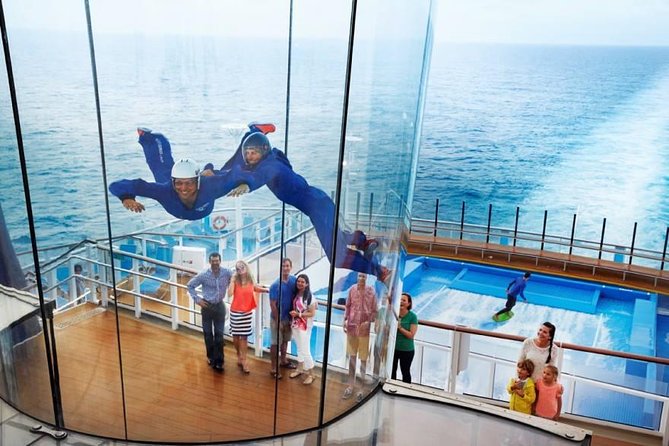
- Two one-minute flights: You fly one at a time with an instructor, not in a free-for-all group.
- A real training session first: You learn body position, hand signals, and safety rules before entering the chamber.
- No falling sensation: The air supports you from below, so this feels more like controlled floating than jumping from a plane.
- High-fly time may be available: Ask your instructor about going higher once you are stable.
- The staff make the difference: Instructors including Vinnie, Tommy, Hannah, Joe, and JJ are praised for clear coaching and calm encouragement.
- Health rules matter: Pregnancy, certain injuries, heart or neck conditions, shoulder dislocations, and some casts prevent participation.
What actually happens at 800 West Scott Street
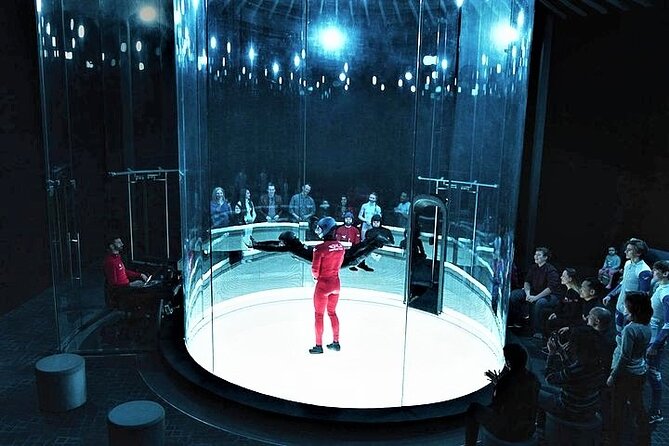
Your session begins at iFLY Chicago Lincoln Park, at 800 W Scott St. Plan to arrive 10 to 15 minutes early. The experience has a firm start time, and a 15-minute delay caused one family to miss its activity entirely.
Once checked in, you meet the flight team, sign or confirm the required waiver, and get fitted with a jumpsuit, helmet, goggles, and ear protection. Wear comfortable clothing beneath the suit. Pants and a shirt without a collar work well, along with snug lace-up sneakers or running shoes.
Remove watches, jewelry, loose hair accessories, and anything in your pockets. Long hair should be braided and tied in a low bun. Lockers are available, but leaving valuable items at home is the simpler plan.
The session usually includes up to 12 people. That does not mean 12 people occupy the chamber together. You fly one at a time with your instructor while the rest of the group watches from the viewing area. This setup gives you personal coaching, though it also means your total visit includes waiting for others.
Other Chicago tours that go well next to this one:
- Chicago Architecture River Cruise
★ 5.0 · 15,756 reviews - Chicago River 90-Minute Architecture Tour
★ 4.5 · 9,629 reviews - Chicago River: 1.5-Hour Guided Architecture Cruise
★ 4.8 · 8,046 reviews
The briefing turns nerves into useful information
Before you enter the chamber, an instructor explains how to position your body. You practice the basic flying shape on the ground, learn simple signals, and get advice on breathing and balance.
This part matters more than it may sound. The air is loud and powerful, and beginners can easily stiffen their arms or lift their head too far. Small changes in your hands, hips, legs, or chin affect your position. The coach inside the chamber can adjust you directly, while another staff member outside may demonstrate the correction.
The experience is designed for first-timers. You do not need prior flight experience, and you do not jump from a platform. The flight suit has handles that let the instructor steady or guide you if needed.
I would pay close attention during the briefing instead of treating it as a formality. The better you understand the body position, the more time you can spend floating instead of trying to figure out what your arms and legs are doing.
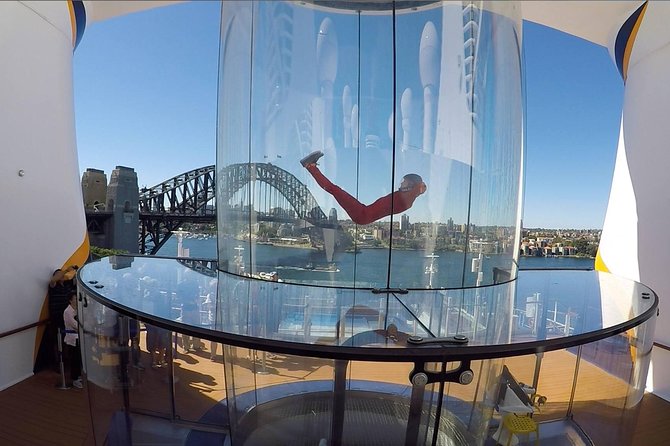
Your first 60-second flight in the air column
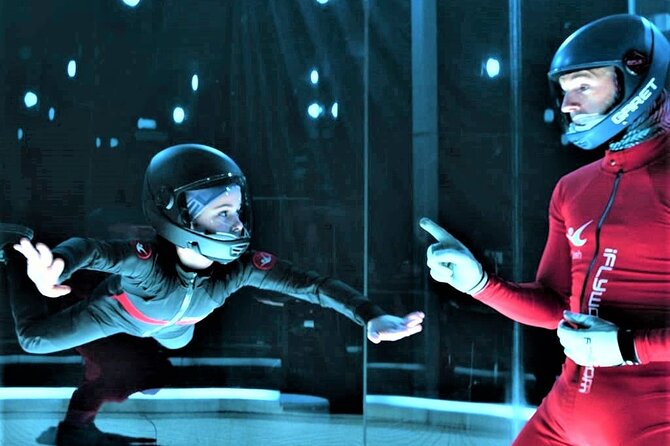
When it is your turn, you step into the flight chamber with your instructor. The operator gradually brings the air up to the needed speed, rather than throwing you into a sudden blast.
The feeling is closer to holding your body against a strong stream of air than falling through open space. You can breathe normally. The air in your face may remind you of leaning out of a moving car, but the chamber itself gives you walls and a trained instructor nearby.
Your first flight is mainly about staying stable. The instructor may hold the handles on your suit, make small corrections, and help you find the point where the air supports your body. Some people learn to hover without assistance during the first session. Others need more help, and that is normal.
The 60-second flight may sound short, but it demands concentration. Your body is working continuously, and the air feels intense. Still, this is the point where the activity either clicks or feels underwhelming. If you came expecting the sudden drop and powerful G-force of a fairground ride, you may find it too gentle. If you want to learn how body position controls movement, the same minute can feel surprisingly full.
The second flight gives you something to improve
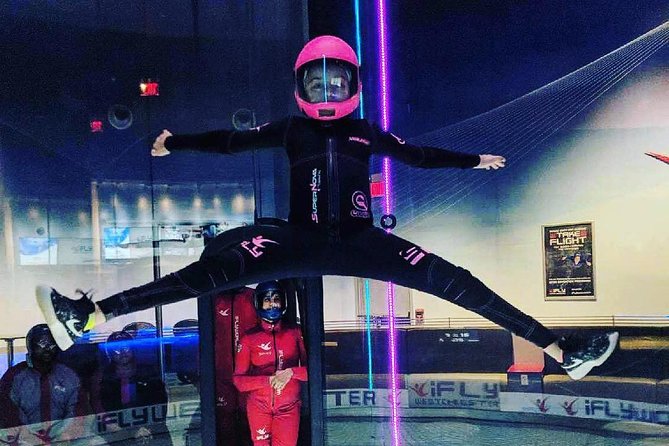
After the group completes its first round, you return for a second flight. This is where the format makes sense. You already know what the air feels like, so you can focus less on simply staying up and more on making adjustments.
Your instructor may help you turn left or right, hold a steadier position, or move higher in the chamber. Ask about the high flight if you are comfortable and the instructor considers it suitable. Several people describe the higher portion as more relaxing and more fun than the lower-level flight, because you have a clearer sense of control by then.
Do not expect flips and advanced tricks on a first visit. Turns or small movements may be possible, but flips and more involved skills are for experienced flyers. The instructor’s judgment is the guide here.
The second flight also gives you a fair test of the activity. If you disliked the first minute because you felt awkward, the second can be better once you understand the signals. If you found the first flight too mild, the extra height or movement may add interest, though it will not turn the session into a real parachute jump.
Different part of the city, different kind of afternoon:
- Chicago: Gangsters and Ghosts Walking Tour
★ 5.0 · 7,155 reviews - Chicago Architecture Center River Cruise aboard First Lady
★ 5.0 · 5,536 reviews - Chicago: Willis Tower Skydeck and The Ledge Ticket
★ 4.6 · 4,350 reviews - Chicago: Architecture River Cruise Skip-the-Ticket Line
★ 4.8 · 4,325 reviews
Why the instructors matter so much
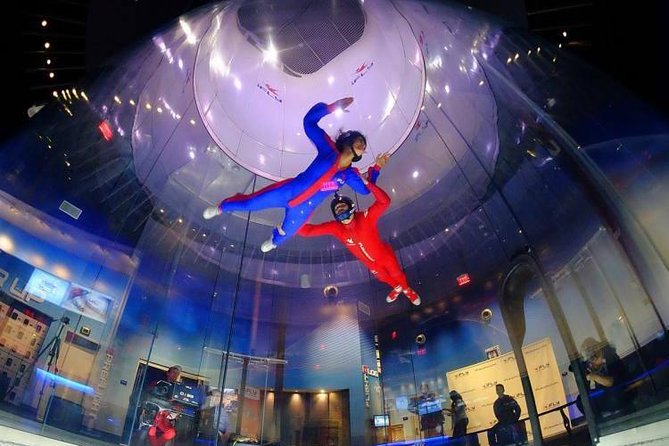
The best part of this activity is not the machine alone. It is the staff’s ability to make a noisy, unfamiliar room feel manageable.
Names that come up often in the experience include Vinnie, Vinny, Tommy, Hannah, Joe, JJ, Mark, Jocelyn, and David. Their roles can differ. One person may coach inside the chamber, another may control the air speed, and someone at the desk handles the flow of the session.
Tommy is noted for careful instruction and a calming manner. Vinnie is praised for helping families feel comfortable. Joe receives repeated approval for being friendly and professional at the front desk, while Jocelyn and JJ are singled out for strong instruction and encouragement.
That personal help is important for nervous participants. A child, older adult, or first-time flyer does not need to arrive fearless. You do need to listen, follow signals, and tell the staff if something feels wrong. The instructor remains with you in the chamber throughout your flight.
The group format also lets family members watch. Someone who does not want to fly can accompany you and use the observation area, so this can work as a shared outing even when only some people participate.
Is two minutes of flight worth $136.25?
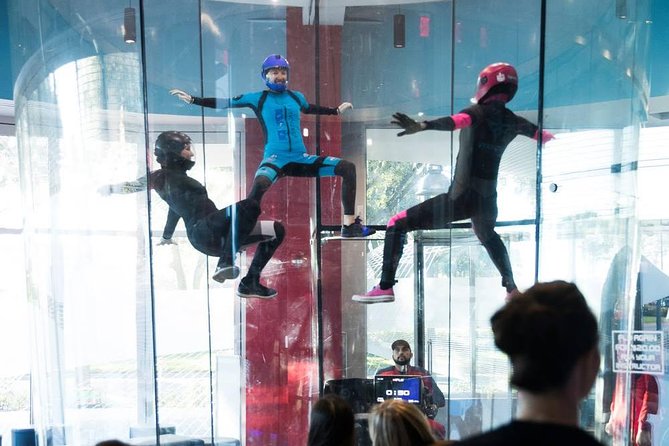
The listed price is $136.25 per person, and the value depends on what you want from the outing.
You are not paying for two uninterrupted minutes in a private machine. You are paying for the equipment, safety briefing, flight suit, instruction, two flights, group supervision, and a certificate. The whole appointment takes roughly 1 hour and 15 minutes according to the tour details, while the facility’s first-time format may run closer to 1 hour and 30 minutes from start to finish.
That distinction matters when planning your day. The actual air time is brief, but the session includes preparation and coaching. You should compare it with other activities based on the full appointment, not only the time your feet leave the floor.
I find the price easier to justify for a special occasion, a birthday, a parent-and-teen outing, or someone curious about learning indoor flight. Several people buy extra flights after enjoying the experience, but availability can be limited later that day. If you think you may want more time, ask at check-in rather than assuming an extra slot will be open.
The price is harder to justify if you want a dramatic adrenaline rush. One dissatisfied couple felt that a fairground ride delivered more excitement and expected more zero-gravity sensation. That criticism is fair. This is not the same as leaping from an aircraft, and it does not recreate the height, fear, or sudden drop of outdoor parachuting.
There have also been complaints about booking through an intermediary at a higher cost than booking directly with the facility. Before paying, compare the total price and confirm that your reservation is actually recorded. A booking error is especially troublesome if you are making a long drive to Chicago.
Safety rules you should take seriously
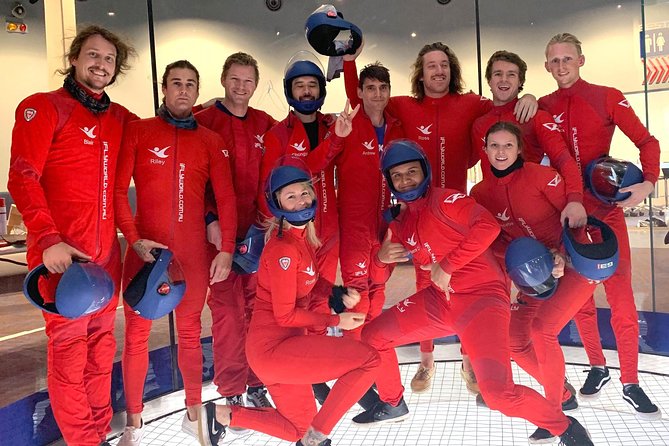
The minimum age is three, with no stated upper age limit. Anyone under 18 needs a parent or guardian to sign the waiver.
You cannot fly if you are pregnant, wearing a hard cast, or have certain neck, back, heart, or shoulder problems. A history of shoulder dislocation is specifically listed as a reason you may not be permitted to participate. If you have an injury or medical concern, contact the facility before booking rather than hoping it will be cleared at check-in.
Weight rules also require advance attention. People over 300 pounds cannot be accommodated. Those between 260 and 300 pounds may need an additional evaluation, and extra restrictions may apply. Note your current weight in the special requirements area when booking so the staff can assess the situation without a last-minute surprise.
Most people can participate, but that does not mean every person should. Physical or cognitive challenges may require a certified instructor for an All Abilities flight. Contact the Lincoln Park location ahead of time to request that support.
The facility says the chamber’s wall-to-wall air column and trained instructors make the flight safe. That does not remove all risk, so follow the briefing, wear the supplied gear, and do not attempt tricks without permission.
Who will enjoy this most
I would recommend this for families with children old enough to follow instructions, couples seeking an unusual date activity, and teenagers who want something more memorable than another museum or meal.
It is especially good for the person who has always wondered what flying feels like but does not want the height or commitment of an aircraft jump. You get a controlled introduction, immediate coaching, and a chance to try again after the first flight.
It also suits people who enjoy skill-based activities. The fun grows when you learn to hold position, turn, or rise higher. If you only want an intense physical rush, you may leave disappointed.
This is less suitable for anyone with strict timing. The session is group-based, and equipment trouble or a delayed start can affect the day. Give yourself extra time before and after, especially if you have a dinner reservation or another timed activity.
Practical tips for a smoother visit
- Arrive 10 to 15 minutes early, and do not treat the booking time as an arrival time.
- Wear athletic clothes, well-fitting lace-up shoes, and no loose accessories.
- Tie long hair securely in a braid and low bun.
- Leave watches, jewelry, and valuable items at home when possible.
- Watch the demonstrations closely. The hand signals are useful once you are inside.
- Ask about the high flight after your first round if you want more movement.
- Keep expectations realistic. This is supported indoor flight, not an outdoor parachute jump.
- If you need to change your date, call the location directly. Reservation changes cannot be handled another way.
- Cancel at least 24 hours before the start time for a full refund. Later cancellations and changes are not accepted.
Should you book the Lincoln Park indoor flight?
Book it if you want a polished first flight experience with strong personal coaching, a family-friendly age range, and no sensation of falling. The two flights are useful because you get a second chance to apply what you learned, and the certificate makes the outing feel like an event rather than a quick amusement ride.
I would hesitate if $136.25 feels steep for about two minutes in the air or if you are chasing a powerful thrill. The activity is controlled, technical, and surprisingly physical, but it does not reproduce the fear or force of jumping from a plane.
For the best match, think of it as an indoor flight lesson with an adrenaline edge. Ask for the high flight, listen closely to your instructor, and confirm the reservation and health requirements before you go. If that sounds like your kind of afternoon, iFLY Lincoln Park is a solid choice.
FAQ
How long is each flight?
Each flight lasts 60 seconds. You receive two flights during this experience.
How long does the whole session take?
The tour duration is listed as about 1 hour and 15 minutes. The first-time flyer format can take approximately 1 hour and 30 minutes from start to finish.
Do I fly alone or with other people?
You take part in a group of up to 12 people, but you fly one at a time in the chamber with your instructor.
Is there a minimum age?
Yes. Flyers must be at least three years old. Anyone under 18 needs a parent or guardian to sign the waiver.
What should I wear?
Wear comfortable clothes, preferably pants and a shirt without a collar, along with well-fitting lace-up sneakers or running shoes. You wear a flight suit over your clothing.
Can I fly if I am pregnant or have a medical condition?
Pregnant participants cannot fly. People with certain neck, back, heart, or shoulder conditions, previous shoulder dislocations, injuries, or a hard cast may also be unable to participate. Contact the location before booking if you have a concern.
Recently added around Chicago
- Travel between Chicago O’Hare and Madison★ 4.5 · 4 reviews
- Volo Auto Museum: Admission Ticket★ 4.5 · 55 reviews
- Holiday Walking Tour: Underground Chicago via the Pedway★ 5.0 · 27 reviews
- Workers Cottages of Oldtown Triangle Walking Tour★ 5.0 · 45 reviews
- Verse Immersive Holographic Theater in Chicago★ 4.5 · 28 reviews
- Vito’s Vault Chicago finest dinner theatre speakeasy★ 5.0 · 14 reviews
- Delicious Donuts & Sweet Treats: West Loop Walking Tour★ 5.0 · 47 reviews
- Traveling Spoon Chicago-Style Deep Dish Pizza Private Online Cooking Class★ 5.0 · 4 reviews