
Reviewed · 360 CHICAGO OBSERVATION DECK TICKETS
Chicago: Magnificent Mile Tour With Optional 360 Chicago
Chicago tells its story in stone, steel, glass, and polished storefronts. This leisurely Magnificent Mile walking tour links early city history with bold 1920s architecture, from the Federal Building Columns and Millennium Park to the Wrigley Building, Tribune Tower, and the former John Hancock Center.
I like the route’s manageable length and the way it mixes famous sights with small design details. I also like that guide Ben brings facts and backstories to buildings many repeat Chicago visitors think they already know. The main consideration is that the tour covers about two miles, and the 360 Chicago upgrade may not suit anyone uneasy with heights.
Key details at a glance
- A two-mile route with a clear story: Begin near Millennium Park, follow Michigan Avenue, and finish at 360 Chicago.
- Architecture from several eras: Look for Beaux-Arts, neoclassical, Art Deco, modernist, and contemporary design.
- A guide who adds context: Ben is specifically praised for friendly explanations, useful facts, and memorable anecdotes.
- Big-name buildings and fun storefronts: See the Wrigley Building, Tribune Tower, Cartier, St. Laurent, the world’s largest Starbucks, and a Harry Potter-themed shop.
- An optional 1,030-foot finale: Add a self-guided visit to 360 Chicago for wide views over Lake Michigan and the city.
- A flexible booking choice: The tour costs $39 per person, with free cancellation up to 24 hours before the start.
Why this Magnificent Mile walk works
Michigan Avenue can feel like a parade of grand facades and expensive shops when you walk it alone. This tour gives you a thread to follow. You are not just moving from one address to the next. You are watching Chicago shift from its 19th-century roots into a city of towers, department stores, bold commercial buildings, and sleek modern design.
The route also keeps the pace sensible. At about two miles, it is long enough to cover the major sights but not so long that the architecture blurs together. I would allow two to three hours, depending on the exact start time and how much explanation your guide gives along the way.
The English-speaking guide is central to the experience. Ben receives special praise for friendly delivery, useful facts, and stories that reveal details hidden in plain sight. That matters here because the best parts of the walk are often above eye level: a decorative crown, a change in materials, or a design choice that makes one building feel different from the next.
You should still expect an outdoor city walk, not a museum visit. There is no promise of extended interior access to every landmark. The value comes from seeing the buildings in sequence and learning how they fit into Chicago’s larger story.
More 360 Chicago tickets:
- Chicago: 360 CHICAGO Observation Deck Ticket
★ 4.5 · 3,173 reviews - 360 CHICAGO Observation Deck Admission
★ 4.0 · 1,206 reviews - Chicago Explorer Pass: 35+ Things To Do – Includes 360 Chicago
★ 4.0 · 354 reviews
Starting among the Federal Building Columns
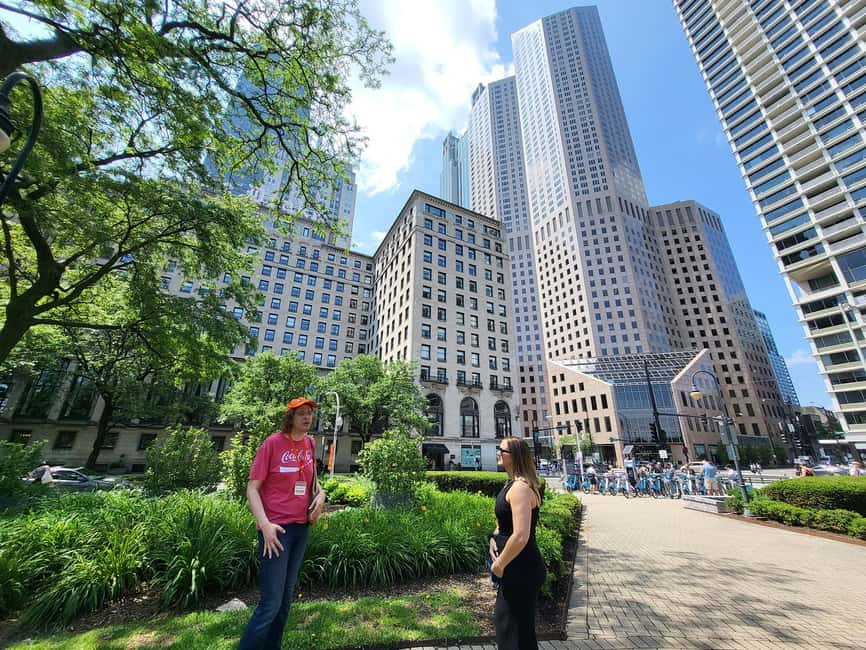
The meeting point is on the north side of the Cancer Survivors’ Garden, in front of the Federal Building Columns at Field Boulevard and East Randolph Street. Look for the guide wearing an orange hat marked ExperienceFirst.
This is a practical starting point because you are close to Millennium Park and the lakefront. The columns provide a clear visual marker, but give yourself a little time to find the right side of the garden. You do not want to begin by hunting around the block.
The opening stop focuses on early Chicago history in a contemporary park setting. That contrast is useful. Millennium Park is known for public art and modern city planning, yet it sits within a part of downtown shaped by Chicago’s older growth and rebuilding. Your guide uses the setting to connect the city’s past with the skyline you will see later.
I like this beginning because it gives you a quick orientation before the denser Michigan Avenue section. You get a sense of where you are in relation to the lake, the central business district, and the long commercial corridor ahead.
Millennium Park and the city’s early story
The Millennium Park portion is a guided sightseeing stop rather than a long park tour. Expect your guide to use the park as a starting point for Chicago’s story and its continuing love of ambitious public design.
This is a good place to listen for the broad themes of the walk. Chicago is not presented as a collection of isolated buildings. Instead, you begin to see how public spaces, commercial streets, and large architectural projects reflect different moments in the city’s development.
The park also helps break up the architecture before you reach the more concentrated run of landmark buildings. You get some open space, lakefront views, and a chance to settle into the walking pace.
Keep your shoes comfortable. The route is leisurely, but two miles on city pavement can still be tiring, especially if you have spent the morning sightseeing elsewhere.
The Chicago Riverwalk and landmark towers
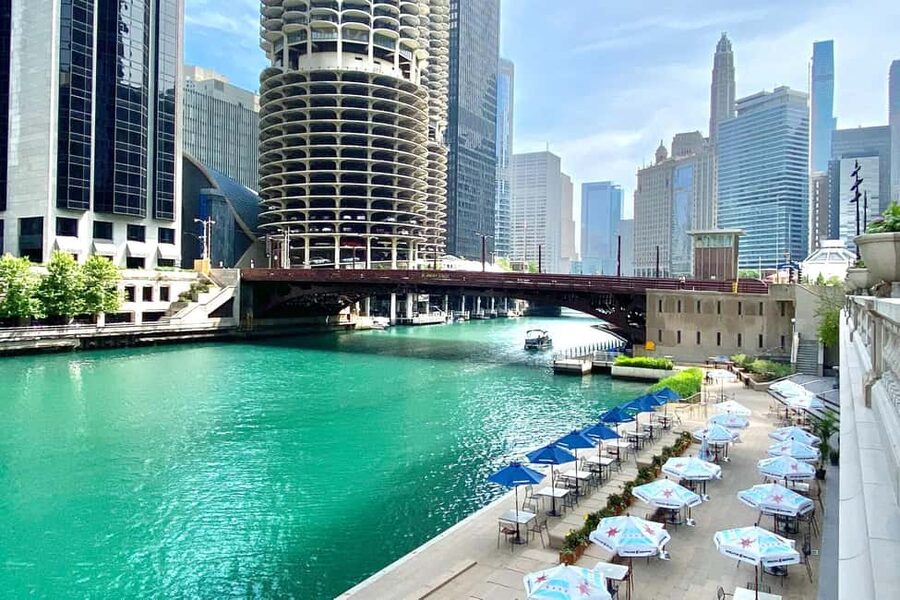
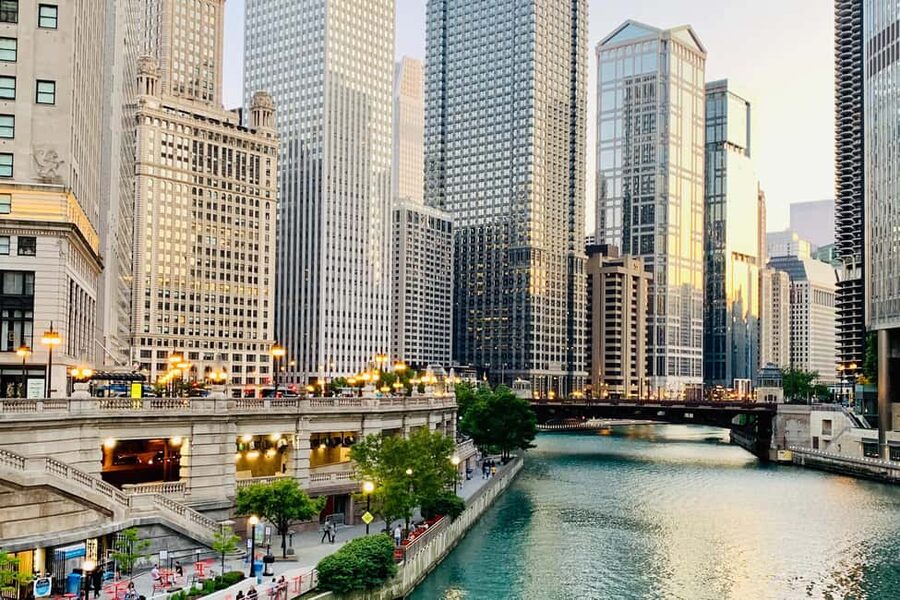
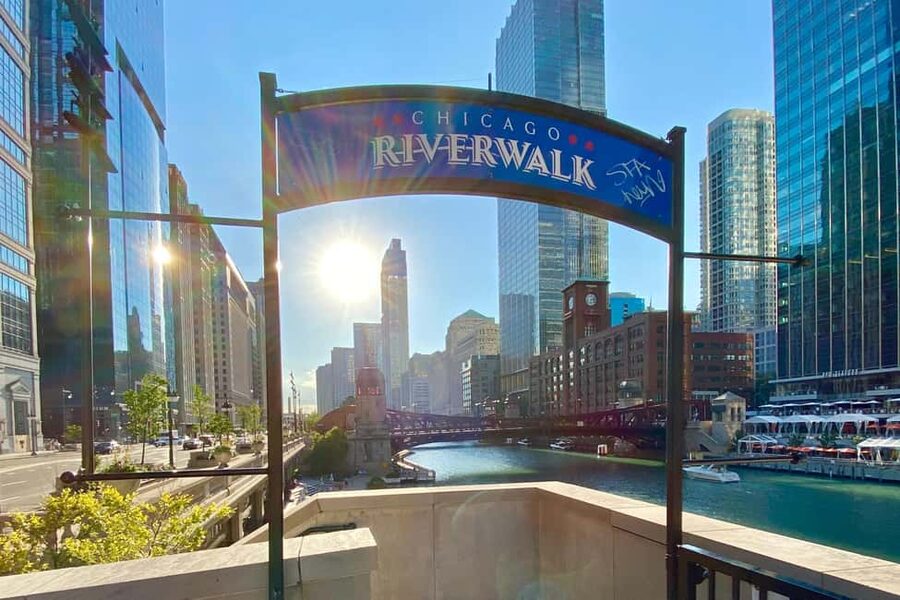
The route continues toward the Chicago Riverwalk and the major buildings along and near Michigan Avenue. This is where the tour’s architectural range becomes especially clear.
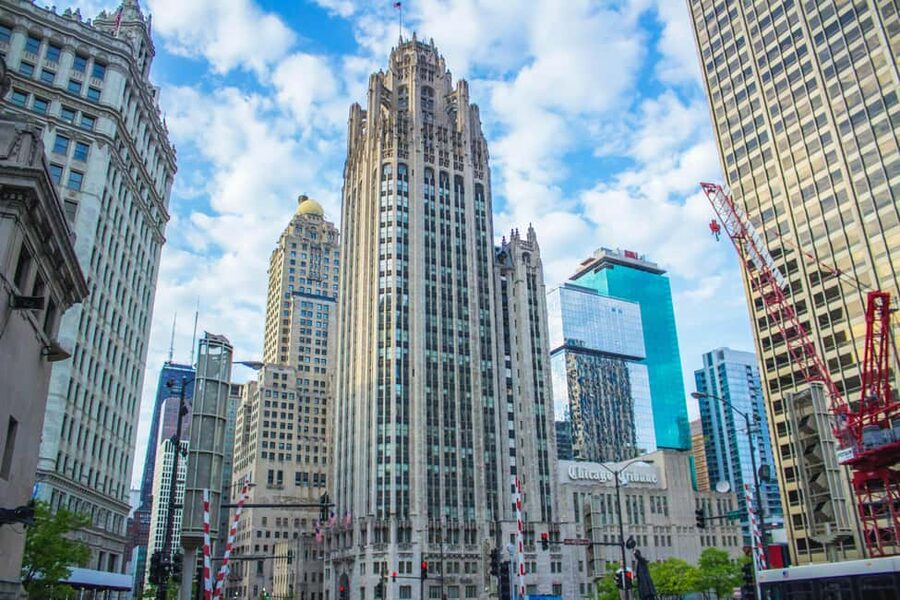
The Wrigley Building is one of the main visual anchors. Its pale exterior and carefully finished details make it easy to recognize, but a guide can help you look beyond the familiar silhouette. You may notice how the building presents itself from the street and how its design works as a symbol of Chicago’s commercial confidence.
The Tribune Tower provides another strong contrast. Its historic character and highly decorated exterior sit comfortably beside later buildings, yet the mood is different. Instead of seeing two famous addresses as isolated photo stops, you can compare their materials, ornament, proportions, and relationship to the street.
The route highlights architecture from the 1920s as well as Beaux-Arts, neoclassical, Art Deco, and modernist work. I find that variety more valuable than a tour devoted to one style. You get a visual lesson in how Chicago’s tastes changed, while still seeing how older and newer buildings share the same crowded avenue.
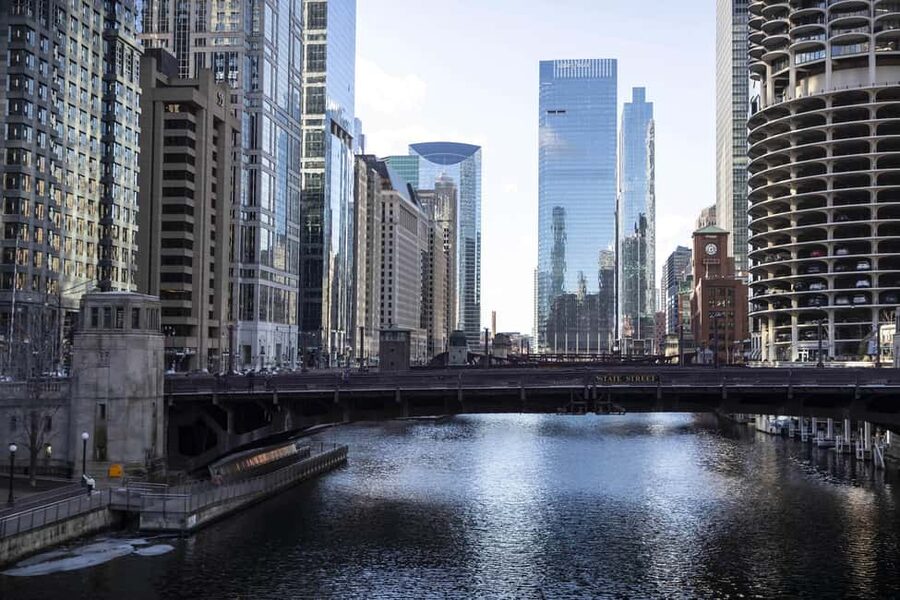
The river portion adds another angle. Chicago’s waterways help explain the city’s layout and offer a different way to view the towers. Do not expect a boat ride or a long riverside stop. The river is part of the walking route and sightseeing story.
More Magnificent Mile tours:
- Chicago River 45-Minute Architecture Tour from Magnificent Mile
★ 4.5 · 2,924 reviews - Magnificent Mile Tour With Optional 360 Chicago Upgrade
★ 5.0 · 80 reviews - Chicago Perfume Making Classes on Magnificent Mile
★ 5.0 · 44 reviews - Chicago Walking Tour: The Magnificent Mile
★ 5.0 · 34 reviews
Storefronts that make the walk lighter
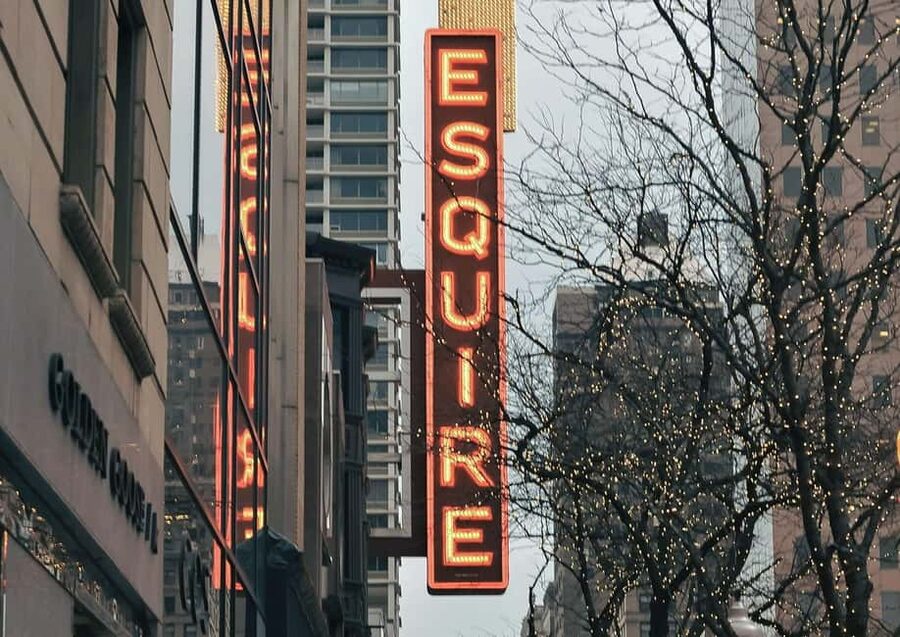
Not every worthwhile stop is a landmark tower. The tour also points out flashy storefronts, including the world’s largest Starbucks and a Harry Potter-themed shop.
These stops give the route a bit of humor and modern commercial energy. After several imposing facades, a giant coffee shop or themed retail space can reset your attention. They also show how the Magnificent Mile functions today, as a shopping district as much as an architectural one.
I like this mix because it keeps the experience from becoming too solemn. You can appreciate grand buildings without pretending that every part of the avenue is a formal monument. The street is also about branding, window displays, luxury retail, and the spectacle of shopping.
The storefronts may be especially useful if you are visiting with a mixed group. A dedicated architecture enthusiast gets the buildings, while someone more interested in current city life has recognizable places to enjoy along the way.
Rush Street, luxury retail, and the final approach
The walk includes Rush Street and moves away from Michigan Avenue for views of luxury shops such as Cartier and St. Laurent. This section shows another side of the district, where polished retail design becomes part of the visual experience.
You will not be taking a shopping tour, and the price tags may make browsing more realistic than buying. Still, these stores help explain why the avenue has its particular identity. The buildings, signs, windows, and public spaces all work together to create a high-end commercial corridor.
The route then heads toward the former John Hancock Center, now associated with the 360 Chicago observation experience. This provides a natural finish. You have spent the walk looking up at the city, and now you have the choice to view it from above.
Adding 360 Chicago at 1,030 feet
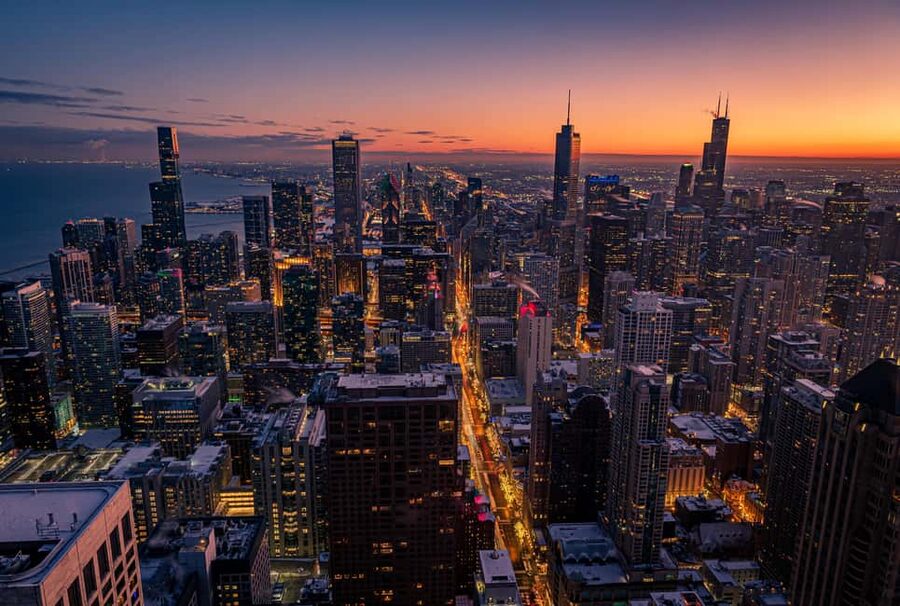
If you choose the upgrade, the guided walk ends with a self-guided visit to 360 Chicago. The observation deck is 1,030 feet above the city, with panoramic views of Lake Michigan and the tops of the skyscrapers below.
The key advantage is flexibility. You are not being rushed through a short timed viewpoint visit as part of the walking commentary. Once the walking tour is over, you can spend as long as you like on the observation deck.
The view changes the meaning of the earlier stops. From street level, the Wrigley Building, Tribune Tower, and surrounding towers compete for your attention. From above, the city’s layout becomes easier to read. Lake Michigan opens out beside the grid, and the buildings you just studied become part of a much larger pattern.
I would choose the upgrade if you want a complete experience that combines street-level architecture with a high city view. It is less essential if you have already visited another Chicago observation deck or prefer to keep your day firmly on the ground.
The optional TILT attraction is not included. You can purchase that separately on-site if you want the experience of leaning outward from the building. Anyone with vertigo or a strong fear of heights should skip both the observation deck and TILT. The tour information specifically warns that the activity is not suitable for people afraid of heights or dealing with vertigo.
What the $39 price gets you
At $39 per person, the base tour is reasonably priced for a professional guided walk in central Chicago. You are paying for an English-speaking local guide, a planned route, and interpretation that can turn familiar buildings into more meaningful sights.
The value depends on how you use the tour. If you simply want a quick stroll down Michigan Avenue, you can walk much of the route without paying. If you want architectural context, a logical sequence, and help noticing design details, the fee makes more sense.
The 360 Chicago option changes the calculation. The ticket is included only if you select the upgrade, and the supplied details do not give a separate upgrade price. Check the total before booking so you know whether the combined package fits your budget.
I would also compare this tour with the cost of visiting 360 Chicago separately. The advantage here is convenience: the observation deck follows the walking tour, and you can finish with the skyline while the buildings are still fresh in your mind.
Who will enjoy this tour most
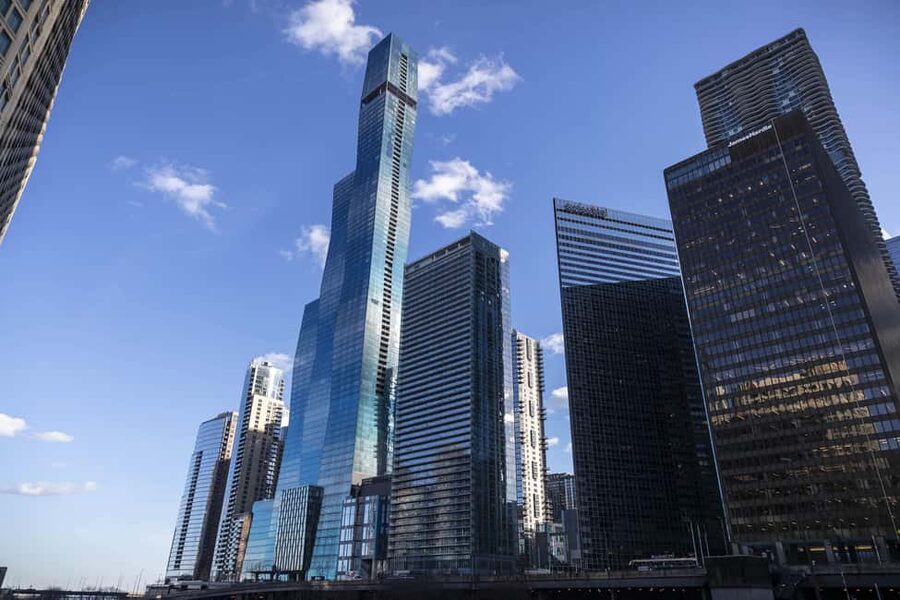
I would recommend it to first-time Chicago visitors who want a strong introduction without committing to a full-day city tour. It also suits repeat visitors. Char, who had visited Chicago many times, still found unexpected facts and backstories in this part of the city.
Architecture fans will get the most from the route, especially if you enjoy comparing styles rather than focusing on one famous building. The mixture of Beaux-Arts, neoclassical, Art Deco, modernist, and newer commercial design gives you plenty to discuss and photograph.
Families and mixed-interest groups may appreciate the balance of parks, towers, shopping displays, river views, and the Harry Potter-themed shop. You do not need to be an architecture specialist to follow the story.
You should think twice if you dislike walking, want extensive interior access, or prefer a quiet tour away from busy retail streets. The route is leisurely, but it is still a two-mile urban walk. And the optional observation deck is a poor match for anyone uncomfortable with heights.
The tour is wheelchair accessible, which makes the planned route more useful for visitors who need a stated accessibility option. As with any city walk, you may still want to confirm current arrangements when booking if you have specific mobility needs.
Timing, clothing, and meeting advice
Wear comfortable shoes. That is the most important practical tip because the tour covers about two miles at a relaxed pace.
Plan to arrive at the Federal Building Columns with enough time to locate the Cancer Survivors’ Garden and the north side of the columns. The orange ExperienceFirst hat is the key visual marker for your guide.
The tour lasts two to three hours, with starting times available according to the date you choose. If you add 360 Chicago, plan extra time afterward because you are welcome to remain on the observation deck as long as you like.
The reservation terms are helpful if your schedule may change. You can cancel up to 24 hours ahead for a full refund, and you can reserve now and pay later. Those policies do not make the tour better, but they reduce the risk of locking in plans too early.
Should you book the Magnificent Mile tour?
Book this tour if you want the famous Michigan Avenue sights explained rather than simply photographed. The strongest reasons are the manageable two-mile route, the mix of architectural styles, and the guide-led stories that make even familiar buildings feel less obvious.
I would give special weight to the guide choice if Ben is leading your date. His friendly facts and anecdotes are exactly the sort of added value that makes a city architecture walk worthwhile.
Choose the 360 Chicago upgrade if you want a full street-to-skyline experience and you are comfortable at 1,030 feet. Skip it if heights are a concern, or if you already have a favorite high viewpoint in Chicago.
For $39, the base walk is a solid way to organize a half-day introduction to the Magnificent Mile. It is not a substitute for exploring every building inside, but it gives you a clear route, useful context, and a better eye for the city’s architecture.
FAQ
How long does the walking tour last?
The guided walk lasts about two to three hours and covers approximately two miles at a leisurely pace.
Where does the tour begin?
Meet on the north side of the Cancer Survivors’ Garden, in front of the Federal Building Columns at the corner of Field Boulevard and East Randolph Street.
How will I recognize the guide?
The guide will be wearing an orange hat that says ExperienceFirst.
Is 360 Chicago included?
360 Chicago is included only if you select the upgrade. The visit is self-guided after the walking tour, and you can stay on the observation deck as long as you like.
Does the 360 Chicago ticket include TILT?
No. TILT is not included. You can purchase the TILT upgrade on-site if you decide to try it.
Is the tour suitable for wheelchair users?
Yes. The activity is listed as wheelchair accessible.
What language is the tour conducted in?
The live guided tour is conducted in English.
Can I cancel the booking?
Yes. You can cancel up to 24 hours in advance for a full refund. You can also reserve now and pay later.
Recently added around Chicago
- Travel between Chicago O’Hare and Madison★ 4.5 · 4 reviews
- Volo Auto Museum: Admission Ticket★ 4.5 · 55 reviews
- Holiday Walking Tour: Underground Chicago via the Pedway★ 5.0 · 27 reviews
- Workers Cottages of Oldtown Triangle Walking Tour★ 5.0 · 45 reviews
- Verse Immersive Holographic Theater in Chicago★ 4.5 · 28 reviews
- Vito’s Vault Chicago finest dinner theatre speakeasy★ 5.0 · 14 reviews
- Delicious Donuts & Sweet Treats: West Loop Walking Tour★ 5.0 · 47 reviews
- Traveling Spoon Chicago-Style Deep Dish Pizza Private Online Cooking Class★ 5.0 · 4 reviews
360 Chicago Observation Deck Tickets, compared.
Chicago Explorer Pass: 35+ Things To Do – Includes 360 Chicago
Read our review →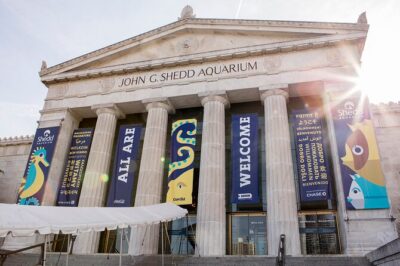
Chicago Attractions Pass: Save up to 50% – Includes 360 CHICAGO
Read our review →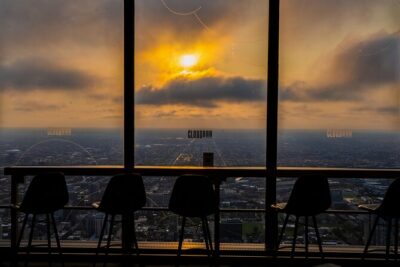
360 Chicago Observation Deck Sip and View Ticket
Read our review →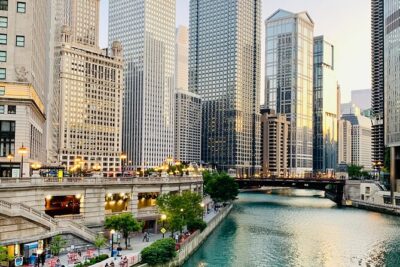
Magnificent Mile Tour With Optional 360 Chicago Upgrade
Read our review →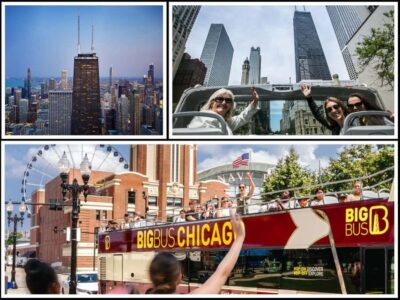
360 CHICAGO & Hop-on Hop-off Bus Tour (Save 20%)
Read our review →
Welcome to Chicago: Private Half-Day Tour with 360 Observation Deck
Read our review →Browse the lists this tour appears in