
Reviewed · CHICAGO SKYSCRAPER INTERIOR TOURS
Chicago’s Secret Interiors Architectural Walking Tour
Chicago’s best architectural surprises are often indoors. This walking tour takes you from Union Station through the Loop, where grand facades lead to frescoed ceilings, mosaic walls, ornate staircases, and a famous Tiffany glass dome. You get the city’s big skyline story, then step inside places you could easily pass without noticing.
I like the way the tour links architecture with Chicago’s money and power, from the Board of Trade to department stores and grand hotels. I also like the price: $35 for roughly two hours, with an expert guide and several interiors that are difficult to appreciate from the sidewalk.
The main thing to consider is the walking and weather. You will move between buildings in the open air, and the route requires good weather. The Rookery is also closed on Sundays, and the exact interior stops can vary.
Key things to know before you book
- The Rookery is the star stop for many visitors, with a Burnham and Root exterior and a Frank Lloyd Wright redesign inside.
- The route runs from Union Station to the Marshall Field Building, making it easy to pair with downtown sightseeing.
- Indoor stops include grand lobbies, mosaics, domes, a hotel lobby, and historic commercial spaces, not just views from the street.
- Guides such as Ethan, Grant, Ty, Matthew, Matt, and Avery have been praised for clear storytelling and good group control.
- The tour is listed at about two hours, though some outings have lasted closer to an hour and a half, sometimes with a short break.
- Sunday visitors miss the Rookery, so choose another day if that interior is a priority.
Why Chicago’s Loop is best seen from the inside
Chicago’s Loop can feel like a canyon of stone, steel, glass, and traffic. Look up and you see famous towers. Look down and you may miss the real surprise: a hotel entrance with bronze peacock doors, a lobby lined with mosaics, or a department store crowned by colored glass.
That is the strength of this tour. It does not treat architecture as a parade of façades. You hear why buildings were made the way they were, who paid for them, and how architects dealt with fire, height, light, commerce, and engineering.
The stories reach back to the Gilded Age and the Roaring Twenties. Magnates, retail empires, financiers, architects, and visiting celebrities all enter the picture. The buildings become easier to understand because you are not just staring at ornament. You are seeing the physical result of Chicago’s rise as a center of business and trade.
The tour begins at Chicago Union Station, at 225 South Canal Street, and ends at the Marshall Field and Company Building at 111 North State Street. That route matters. You move from a major transportation gateway toward the heart of the Loop’s commercial district, with the city’s changing ambitions written into the buildings along the way.
More skyscraper interior tours in Chicago:
- Original Chicago Architecture Interiors Tour: Dazzling Interiors
★ 5.0 · 1,489 reviews - Chicago: Secret Interiors Architecture Walking Tour
★ 4.9 · 498 reviews - Chicago Walking Tour: Art Deco Skyscrapers Loop
★ 5.0 · 138 reviews
Starting at Union Station and entering the Loop
Union Station provides a fitting opening. Designed by Daniel Burnham and completed in 1925, it was built for the grand age of rail travel. The Beaux-Arts exterior gives only part of the picture. Inside, the Great Hall supplies the drama, with a broad skylight and carefully finished details that make a railway station feel almost ceremonial.
I like beginning here because it gives you a clear sense of old Chicago scale. This was not designed as a quick place to catch a train. It was built to make an entrance.
The stop is short, about 10 minutes, so do not expect a long independent exploration of the station. The value comes from seeing the major spaces with context. Your guide points out what to notice, then connects the station to the city’s larger growth.
From Union Station, the group heads toward the Loop. This is where comfortable shoes matter. The route is not a strenuous hike, but you will walk on city streets, pause at building entrances, cross busy areas, and spend time standing while looking up or listening.
The Financial Canyon and Chicago’s commercial giants
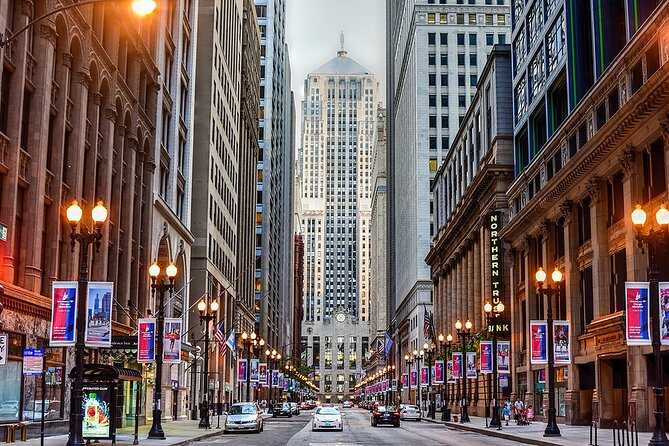
The La Salle Street portion shows Chicago at its most vertical. Tall buildings press close together, creating the Financial Canyon effect. The street becomes an outdoor lesson in commercial architecture, with the Chicago Board of Trade and Willis Tower helping frame the story.
The Board of Trade brings Art Deco drama and the world of commodities. Willis Tower represents a later push toward height and new engineering methods. Between them, you get a useful view of how the city moved from early skyscraper experiments to increasingly tall office towers.
This section is less about entering one single landmark and more about learning to read the street. Your guide explains the architects and the industries that filled these offices. You begin to see why Chicago’s buildings look so different from one another, even when they stand only a short distance apart.
The stop is listed at about 10 minutes, so the experience is brisk. If you want detailed architectural drawings or long photo sessions at every building, this will feel fast. If you want a strong introduction to the district without spending half a day on one block, the pace works well.
The Rookery, Chicago’s most rewarding interior
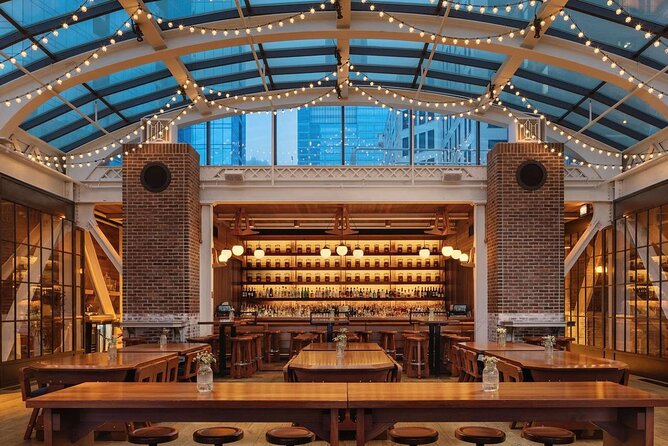
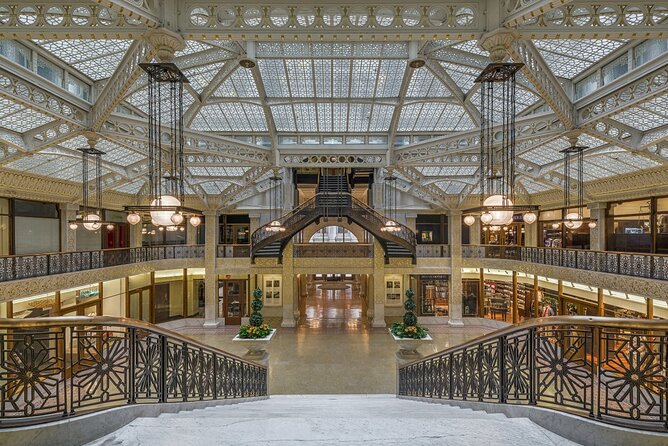
The Rookery is one of the strongest reasons to book this walk. Burnham and Root designed the building in 1888, combining Romanesque and Moorish touches in a structure that helped define Chicago’s early architectural identity.
Inside, the light court is the main event. Ironwork, glass, and the famous oriel staircase create a space that feels far more delicate than the exterior suggests. The lobby was later reworked by Frank Lloyd Wright, adding another chapter to the building’s story.
This is the point where the tour’s title makes sense. From outside, you see a historic office building. Inside, you find layered design, structural problem-solving, and decorative work that rewards close attention. The Rookery also helps you understand how architects worked with light before modern office lighting made the problem easier.
The stop is listed at about 10 minutes, so listen closely and take your pictures efficiently. The Rookery is closed on Sundays and will not be included in the route then. If you care most about this building, book a day from Monday through Saturday.
More architecture tours in Chicago:
- Chicago Architecture River Cruise
★ 5.0 · 15,756 reviews - Chicago River 90-Minute Architecture Tour
★ 4.5 · 9,629 reviews - Chicago River: 1.5-Hour Guided Architecture Cruise
★ 4.8 · 8,046 reviews - Chicago Architecture Center River Cruise aboard First Lady
★ 5.0 · 5,536 reviews
The Field Building and the Marquette Building
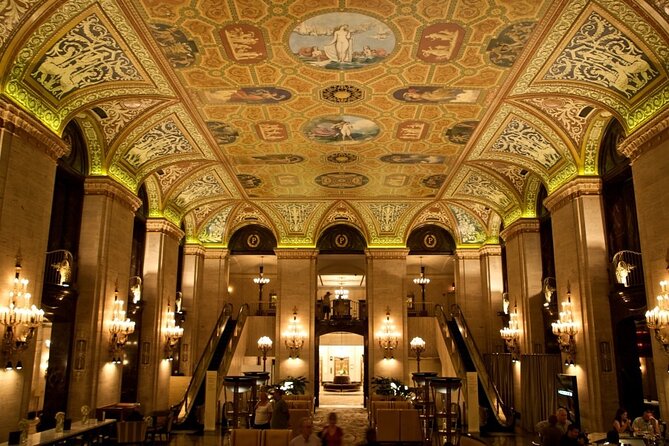
The Field Building brings Art Deco into the route. Its details show a later taste than the Rookery, with a stronger focus on geometric form and the polished confidence of the early twentieth century.
The tour uses the Field Building to show how Chicago’s design language changed over time. You are not simply jumping from one pretty lobby to the next. You are comparing styles, materials, and ideas about what an office building should say about its owners.
The Marquette Building offers a different kind of pleasure. It is closely tied to the Chicago School of Architecture and is known for its use of the Chicago window, a design that allowed wider areas of glass while keeping strong structural support.
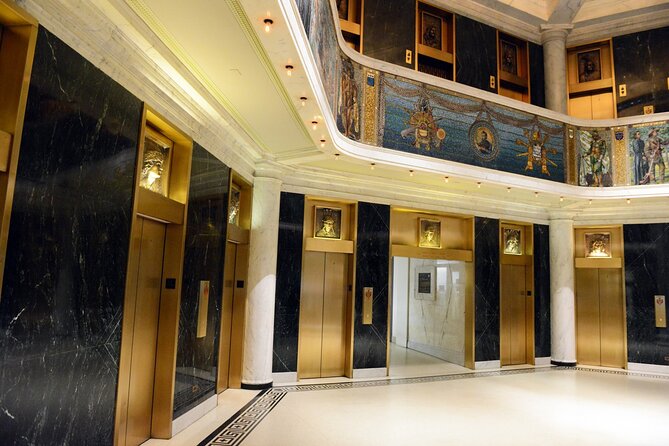
Inside, the lobby’s terra cotta details and mosaics tell the story of Jacques Marquette’s exploration of Illinois. That gives the stop a strong connection between decoration and local history. The artwork is not random trim. It helps turn the entrance into a visual story.
I especially like this pairing because it lets you compare the exterior language of Art Deco with the earlier Chicago School approach. The route keeps moving, but the guide gives you enough context to notice the differences.
Palmer House and the luxury of the Gilded Age
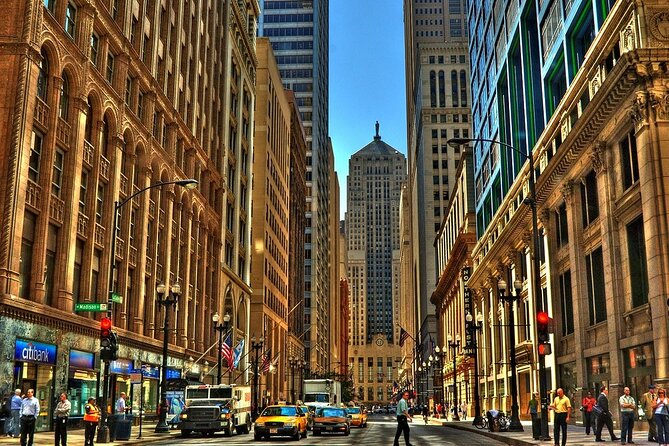
The Palmer House is where the tour shifts from commercial ambition to hotel grandeur. Rebuilt after the Great Chicago Fire, it became one of the city’s best-known luxury hotels and a social center for celebrities and dignitaries.
The lobby is the reason to pay attention. A frescoed ceiling, mosaic floors, and bronze peacock doors create the sort of setting that makes a quick look inside worthwhile. This is not understated design. The Palmer House wanted visitors to feel that they had entered a special world.
The building also adds useful social context. Hotels were places where business, politics, entertainment, and high society met. The stories about Gilded Age figures and later stars help explain why these spaces were made so lavish.
The stop is again listed at around 10 minutes. You may want to linger, but the tour has a larger route to cover. If the lobby is open and the group can enter, it is one of the easiest places to appreciate how architecture shaped daily life, not just city skylines.
Chicago Cultural Center or the Monadnock Building
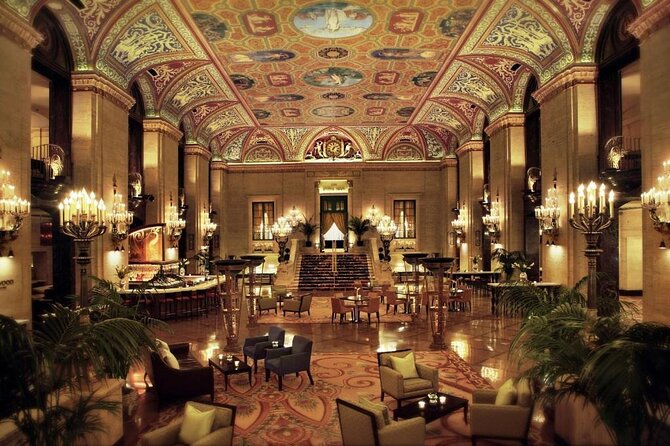
At this point, the route may take you to the Chicago Cultural Center or the Monadnock Building. The exact choice matters because the two stops offer different experiences.
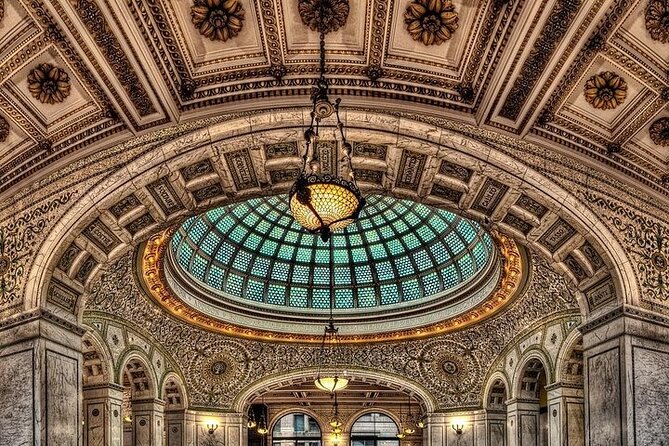
The Chicago Cultural Center is known for its architectural beauty and cultural role. It is a good fit if you want another grand public interior and more decorative detail after the hotels and office buildings.
The Monadnock Building gives you a look at late nineteenth-century commercial design. It is especially useful for understanding how Chicago’s office architecture developed before later skyscrapers pushed higher into the sky.
Since the route can use one or the other, you should not book expecting both. This is one of the tour’s small uncertainties, but it also keeps the walk flexible.
The Marshall Field Building and its Tiffany dome
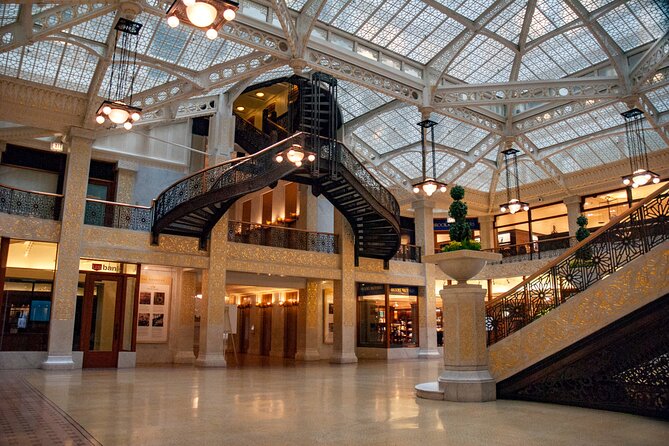
The tour finishes at the former Marshall Field and Company Building, now home to Macy’s, on State Street. This was one of Chicago’s great department stores, built around the idea that shopping could be a grand public experience.
The Tiffany glass mosaic dome is the big visual reward. It brings color and craftsmanship into a building designed for commerce. The walnut-paneled Tea Room adds another touch of old department-store luxury.
This final stop works well because it brings together the tour’s main themes: business, design, craftsmanship, and public life. You see how a retailer used architecture to make shopping feel important and memorable.
The ending also gives you a useful downtown position. You are near State Street and can continue exploring the Loop, stop for food, or use public transportation. The tour does not return you to Union Station, so plan your next move from the finish rather than the starting point.
What the guide adds to the buildings
The guide can make or break a walking tour, and this one depends heavily on the person leading it. Ethan has been praised for energy, clear explanations, and a strong command of Chicago’s architectural story. Grant is described as warm, organized, and good at keeping a group together, even in cold weather.
Ty, Matthew, Matt, and Avery have also led well-received outings. The common thread is a mix of facts, humor, and practical group management. That matters in the Loop, where you need to cross streets, enter buildings, and keep track of a moving group.
One useful detail is that the guides do more than recite facts at each stop. They answer wider questions about Chicago and point out details you would probably walk past alone. The tour is a good choice if you like architecture but do not want a lecture full of dates and names.
Group size is listed as a maximum of 15, though some outings have had larger groups. If the group is bigger than expected, staying close and positioning yourself near the guide will help. A few people have also found the route easy to manage in cold or rainy conditions because much of the time is spent indoors, but you still need to prepare for the outdoor walking between buildings.
Price, timing, and practical value
At $35, this is a strong-value introduction to central Chicago architecture. You are paying for a guide who connects several landmarks, not for admission to a single major attraction. Many of the interiors are free to enter, but finding them, understanding their importance, and timing your route on your own takes effort.
The published duration is about two hours. Some outings have lasted closer to an hour and a half, with a short break in the middle. I would set aside two hours so you are not rushed, especially if the group moves slowly or building access takes time.
The tour includes a mobile ticket and an expert guide. It does not include a meal or a separate attraction ticket. Most people can participate, and service animals are allowed. The starting point is near public transportation, which makes Union Station a practical place to meet.
Wear shoes you can walk in and bring an extra layer. Chicago weather can change quickly, and the experience requires good weather. If the operator cancels because of poor conditions, you are offered another date or a full refund.
You can cancel for a full refund up to 24 hours before the start time. Cancellations within 24 hours are not refunded, so avoid waiting until the last minute if the forecast looks doubtful.
Who should book this walking tour
I would recommend it most strongly to first-time Chicago visitors who want more than an exterior photo tour. It also suits architecture students, design fans, history-minded visitors, and locals who have lived near the Loop without entering its grand buildings.
It is a good companion to an architecture boat tour because the focus is different. A boat shows you the skyline and the river corridor. This walk takes you through doors, lobbies, staircases, mosaics, and commercial interiors.
It is less suitable if you dislike walking, standing, or changing plans around building access. It is also not the best Sunday choice for someone whose main goal is the Rookery.
Should you book it?
Book this tour if you want Chicago architecture explained in place, with time inside the buildings rather than only outside them. The Rookery, Palmer House, Marquette Building, Union Station, and Marshall Field Building give you a fine range of styles and stories for $35.
Choose another day than Sunday if the Rookery matters to you. Otherwise, this is an efficient and reasonably priced way to see the Loop with sharper eyes. You will finish knowing not only which buildings are famous, but what to look for when you walk past the next one.
FAQ
How long does Chicago’s Secret Interiors Architectural Walking Tour last?
The tour is advertised at approximately two hours. Some outings have lasted closer to an hour and a half, sometimes with a short break.
Where does the tour begin?
It begins at Chicago Union Station, 225 S Canal St, Chicago, Illinois 60606.
Where does the tour end?
The tour ends at the Marshall Field and Company Building, 111 N State St, Chicago, Illinois 60602.
Is the Rookery included every day?
No. The Rookery is closed on Sundays, so it is not included in the Sunday route.
What is included in the price?
The $35 price includes an expert tour guide and a mobile ticket.
What happens if the weather is poor?
The experience requires good weather. If it is canceled because of poor conditions, you are offered a different date or a full refund.
Can I cancel for a full refund?
Yes. You must cancel at least 24 hours before the experience start time for a full refund. Cancellations within 24 hours are not refunded.
More Walking Tours in Chicago
- Chicago: Gangsters and Ghosts Walking Tour
★ 5.0 · 7,155 reviews - Chicago Favorites Ultimate Food and Walking Tour
★ 5.0 · 1,962 reviews - Chicago: Gangsters and Ghosts Guided Walking Tour
★ 4.7 · 1,697 reviews - Chicago in a Day: Food, History & Architecture Walking Tour
★ 5.0 · 1,153 reviews
Recently added around Chicago
- Travel between Chicago O’Hare and Madison★ 4.5 · 4 reviews
- Volo Auto Museum: Admission Ticket★ 4.5 · 55 reviews
- Holiday Walking Tour: Underground Chicago via the Pedway★ 5.0 · 27 reviews
- Workers Cottages of Oldtown Triangle Walking Tour★ 5.0 · 45 reviews
- Verse Immersive Holographic Theater in Chicago★ 4.5 · 28 reviews
- Vito’s Vault Chicago finest dinner theatre speakeasy★ 5.0 · 14 reviews
- Delicious Donuts & Sweet Treats: West Loop Walking Tour★ 5.0 · 47 reviews
- Traveling Spoon Chicago-Style Deep Dish Pizza Private Online Cooking Class★ 5.0 · 4 reviews
Chicago Skyscraper Interior Tours, compared.
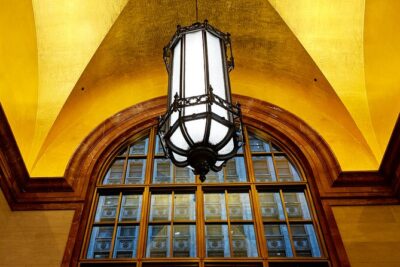
Original Chicago Architecture Interiors Tour: Dazzling Interiors
Read our review →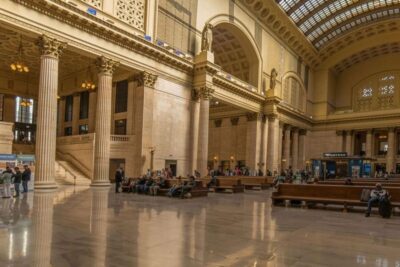

Chicago Walking Tour: Art Deco Skyscrapers Loop
Read our review →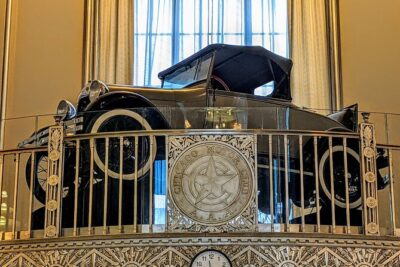
Chicago Architecture Walking Tour: Incredible Art Deco Interiors
Read our review →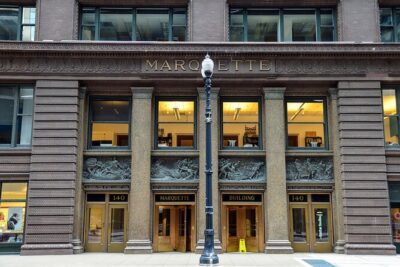
Chicago Walking Tour: Art Deco Skyscrapers Riverfront
Read our review →
Chicago’s Original Dazzling Architectural Interiors Tour
Read our review →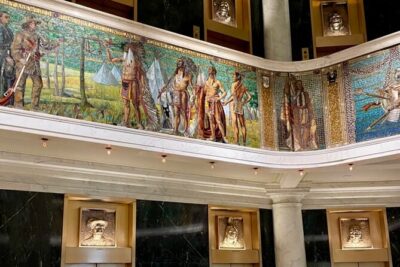
Walking Tour: Chicago’s Loop – Home of the Modern Skyscraper
Read our review →Browse the lists this tour appears in