
Reviewed · LUNCH EXPERIENCES
Learn To Make Mole The Real Mexican Way Before Lunch
Mole is the star here, and you do more than taste it. In Carla’s Chicago home, you learn how this Mexican sauce comes together from chiles, spices, nuts, seeds, and chocolate, then sit down to eat the finished dish before the afternoon gets away from you. The story reaches back to Puebla, where mole became part of Mexican cooking tradition.
I like the small group of no more than 10 people, which gives this class a personal feel instead of a crowded demonstration. I also like that Carla brings serious kitchen experience: she worked at the Michelin-starred Carles Abellan restaurant in Spain, while her Mexican background gives the lesson a direct connection to the food.
The main drawback is the short two-hour schedule. Mole involves many ingredients and plenty of cultural context, so this is an introduction rather than a full culinary course. You also need to meet at a private residence, and the location and home setting may not suit anyone seeking a standard restaurant or school kitchen.
Key points to know before booking
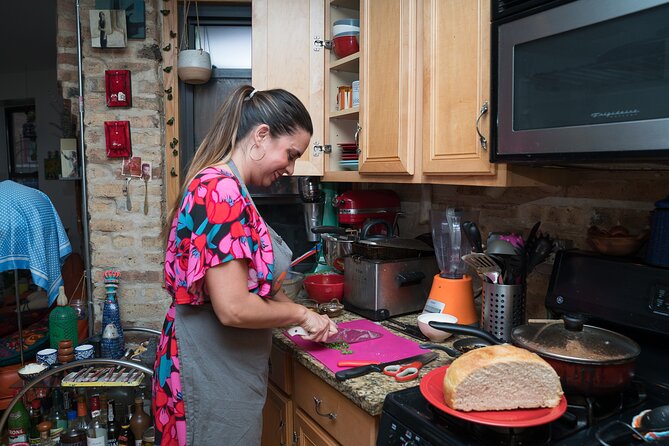
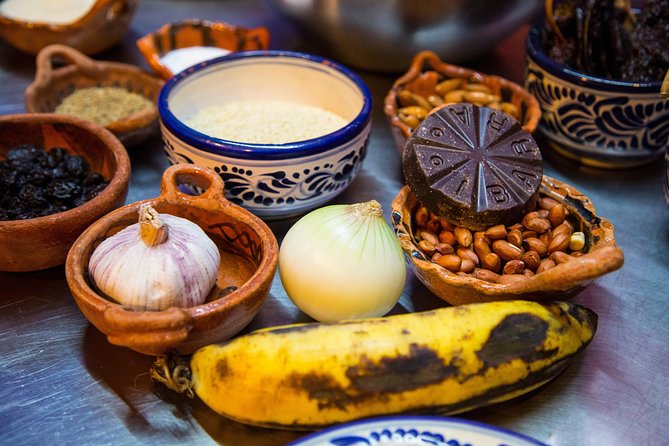
- Puebla-style mole takes center stage: Learn about the sauce’s Mexican roots and the mix of chiles, spices, nuts, seeds, and chocolate that gives it depth.
- Carla leads the class: She is from Mexico and worked at Michelin-starred Carles Abellan in Spain.
- You cook, not just watch: The class promises hands-on instruction for beginners and experienced home cooks alike.
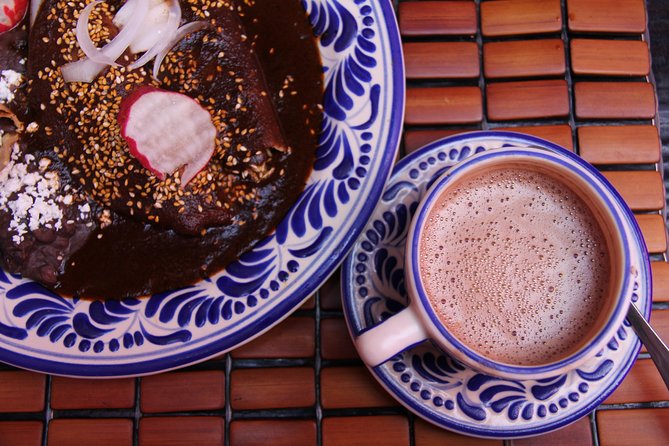
- Lunch follows the lesson: The mole comes with chicken, beans, green rice, and a hibiscus drink with cinnamon and ginger.
- The group stays small: A maximum of 10 people helps keep instruction direct and practical.
- The timing is straightforward: Meet at 1:00 p.m. on West Iowa Street for about two hours, with the activity ending where it began.
Why mole makes a good Chicago cooking lesson
Mole is not a single fixed recipe. It is a family of Mexican sauces, and the version taught here brings together several flavor groups at once. Chiles provide body and heat, spices add fragrance, nuts and seeds bring texture and weight, and chocolate rounds out the sauce rather than turning it into dessert.
That mix makes mole a useful dish to study. You can learn how Mexican cooking builds flavor in layers instead of relying on one dominant ingredient. The class also gives you a better sense of why a sauce that looks simple on the plate can carry so much technique and tradition.
The focus on Puebla matters. One of the strongest parts of the experience is the link between the food and the city where mole developed. Carla shares that background as part of the lesson, giving you more than a list of ingredients to copy at home.
I would not expect a complete survey of every type of mole in Mexico. The schedule is only about two hours, and the supplied menu points to one main dish rather than a long series of tastings. Still, if you want a clear introduction to one important Mexican preparation, the subject is well chosen.
More tours with lunch in Chicago:
- City Cruises Chicago: Signature Lunch Cruise on Lake Michigan
★ 4.0 · 348 reviews - City Cruises Chicago: Premier Lunch or Dinner Cruise
★ 4.3 · 334 reviews - City Cruises Chicago: Lake Michigan Lunch or Dinner Cruise
★ 4.0 · 217 reviews
Meeting Carla on West Iowa Street
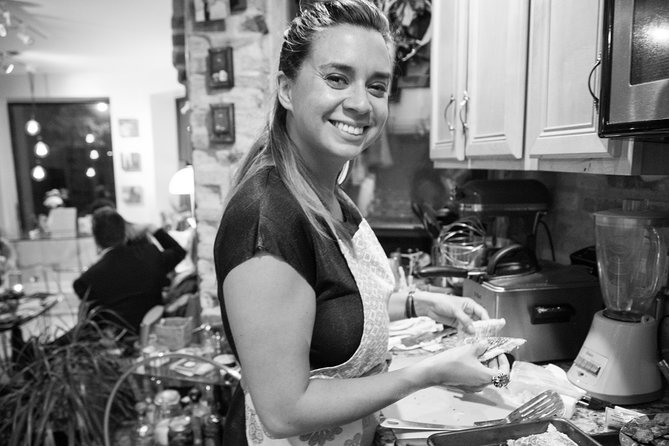
The experience begins at 1:00 p.m. on West Iowa Street in Chicago. You meet Carla at her residence, which changes the mood from a formal cooking school to a meal in someone’s home. That setting is central to the experience, not just a place to pick up an apron and leave.
Carla’s background gives the class an interesting mix of influences. She is from Mexico and has also lived in Spain and Chicago. Her work at Carles Abellan, a Michelin-starred restaurant in Spain, adds professional kitchen experience, while her Mexican roots connect the dish to its place of origin.
Her partner Ronaldo is also part of the wider story. He has a background in Flamenco dancing, and Carla has worked in photography. Their interests in art, travel, and food help explain why this is presented as a shared home experience rather than a technical cooking drill.
The practical point is simple: confirm the exact meeting details before setting out, since you are going to a residence rather than a clearly marked public attraction. The location is near public transportation, which helps, but the supplied information does not identify a specific station or route.
What happens during the two-hour class
The class is built around participation. You are not there only to watch Carla prepare mole while standing at a distance. The format promises hands-on instruction, and cooks at every skill level are welcome to take part.
The first part is likely to focus on the ingredients and the background of the sauce. Carla explains how mole developed in Puebla and how the separate elements work together. That context is useful because it gives purpose to the recipe. You are not simply adding ingredients because a printed list says so.
The lesson then moves into preparation of the mole itself. The available information does not provide a minute-by-minute recipe or specify every cooking technique, so you should not expect a published formula in advance. What you can expect is direct guidance from Carla as you help make the sauce.
That setup is best for people who learn by doing. If you are already comfortable in the kitchen, you can pay attention to balance, seasoning, and method. If you are new to cooking, you can ask questions and follow along without needing professional skills.
The group limit of 10 is important here. Mole has many parts, and a large class could turn hands-on work into a vague promise. With fewer people, you have a better chance of seeing what Carla is doing and taking part yourself, though the exact amount of individual attention can vary with the group.
Understanding the Puebla connection
The cultural explanation may be the most useful part for anyone who has eaten mole but never understood it. Puebla is closely associated with the development of mole, and Carla uses that connection to explain the dish’s place in Mexican cooking.
You will hear how the sauce developed in the city of Puebla, according to the supplied experience details. That makes the meal feel tied to a particular Mexican tradition rather than presented as a generic Latin American recipe.
It is worth keeping expectations in check. Two hours cannot cover the full story of mole across Mexico, nor can it replace a longer cooking course. The value comes from a focused lesson with a personal guide who can connect the recipe to her own background.
Carla’s Mexican identity is not a minor detail. It gives her a natural way to explain why the dish matters and how it fits into food culture. At the same time, her professional experience in Spain suggests that she can discuss technique with cooks who want more than a casual demonstration.
Different part of the city, different kind of afternoon:
- Chicago Architecture River Cruise
★ 5.0 · 15,756 reviews - Chicago River 90-Minute Architecture Tour
★ 4.5 · 9,629 reviews - Chicago River: 1.5-Hour Guided Architecture Cruise
★ 4.8 · 8,046 reviews - Chicago: Gangsters and Ghosts Walking Tour
★ 5.0 · 7,155 reviews
The lunch: chicken, beans, and green rice
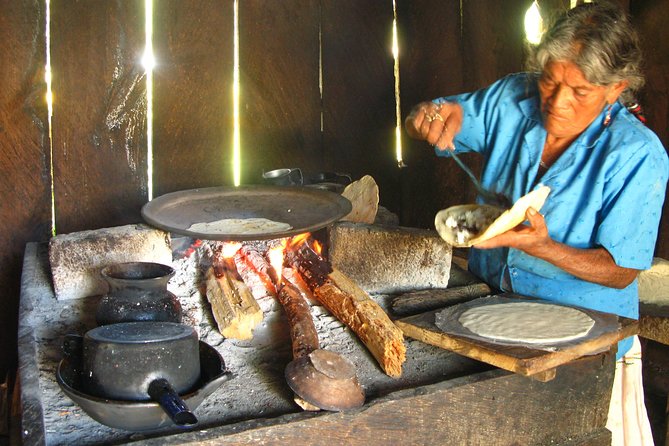
After the cooking portion, you eat the finished mole as a meal. The main plate includes mole with chicken, beans, and green rice. This is a sensible way to finish because you taste the sauce in a complete dish, not from a spoon alone.
Chicken provides a mild base for the sauce, allowing the mole to carry the main flavor. Beans and green rice add familiar side dishes and make the meal feel like lunch rather than a small sample. The menu is focused, so do not book this expecting several courses or a broad tasting menu.
A meal at the end also helps you judge what you have made. Cooking instruction can feel abstract until you sit down with the finished food. You get to notice how the sauce works with the chicken and how the sides balance the plate.
The drink is a fresh hibiscus infusion with cinnamon and ginger. Hibiscus brings a tart, fruity note, while cinnamon and ginger add warmth. It is a useful companion to a sauce built from chiles, spices, and chocolate, though the exact level of sweetness is not provided.
One practical point: tell the host about allergies, special diets, or other food restrictions before the experience. The supplied information specifically asks you to communicate these needs. Do not wait until you arrive, especially since the menu includes several ingredients that can matter to people with dietary restrictions.
A home setting with a personal touch
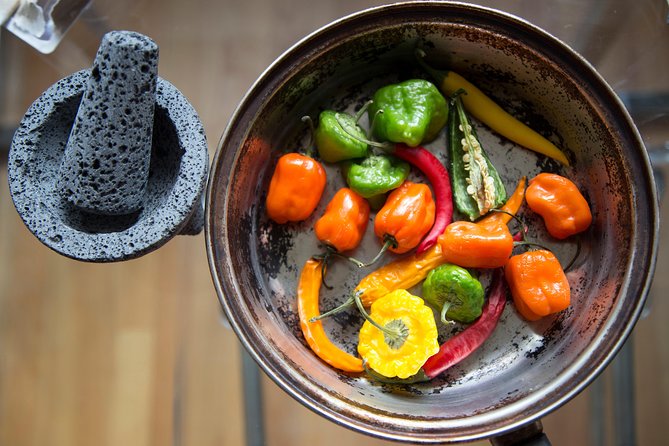
Meeting at Carla’s residence gives you a glimpse of how food fits into her life. The experience combines her love of cooking with her interests in photography, art, and travel. Ronaldo’s connection to Flamenco adds another cultural thread, even though the class itself centers on mole.
This kind of setting suits you if you enjoy conversation and personal contact. You are not moving through a busy sightseeing schedule or checking off a major attraction. You are spending part of an afternoon at a local home, learning one dish and eating it with the person who taught you.
That intimacy can also be a limitation. A private residence does not offer the formal structure of a culinary school, and the experience may feel less predictable than a restaurant meal. You should choose it because you want a social home setting, not because you need a polished venue with a large kitchen and a fixed classroom routine.
The class is offered in English. That makes the instruction accessible to English-speaking visitors, while Carla’s Mexican background and Spanish experience add context to the lesson without requiring you to speak Spanish.
What the $185.72 price includes in value
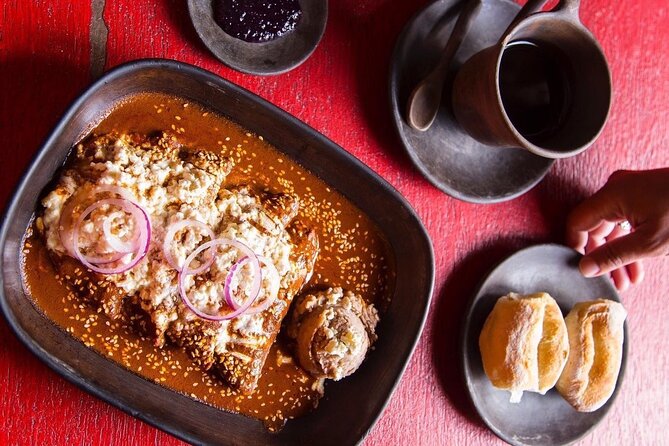
At $185.72 per person, this is not a low-cost lunch. You are paying for a small-group activity, personal instruction, a meal, and access to a host’s home. The price makes the most sense if you place real value on participation and cultural context.
A standard Mexican meal in Chicago would cost much less. If your main goal is simply to eat mole, you can find cheaper options. This experience is for learning how the dish is made, hearing about its Puebla roots, and sharing the food with Carla after the cooking.
The small group helps support the cost. A maximum of 10 people means you are not paying for a mass-market demonstration with dozens of participants. You also get a Michelin-starred restaurant connection through Carla’s past work in Spain, though this is still a home cooking experience, not a meal prepared entirely by a restaurant brigade.
I would consider the price fair for a special occasion, a food-focused afternoon, or a visitor who wants a more personal Chicago activity. It is less appealing if you are watching every dollar, dislike cooking, or would rather spend the same amount on several restaurant meals.
The experience is often booked about 48 days ahead, so it is wise to plan early if your Chicago dates are fixed. That booking pattern also means you should not assume you can arrange it at the last minute.
Who will enjoy this experience most
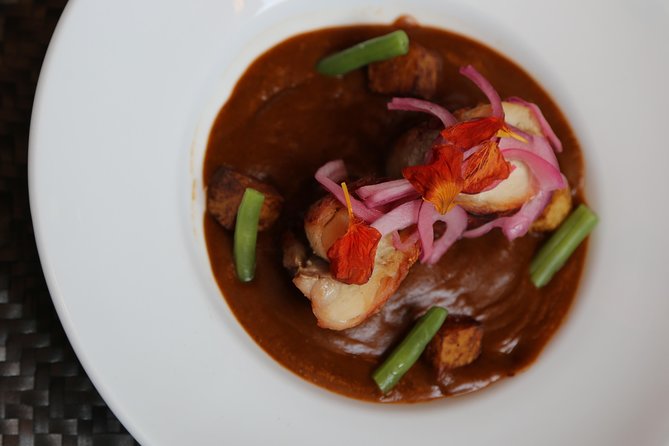
This class is a strong fit for home cooks who want to learn a Mexican dish from someone with a personal connection to it. You do not need advanced skills. The format welcomes beginners, and the hands-on structure gives you a reason to participate rather than sit back.
It also suits couples, friends, and small celebrations. One person used the class for a girlfriend’s birthday, and the occasion worked well because the meal and lesson create a shared activity. You get conversation, practical cooking, and lunch in one compact experience.
Food historians and culture-minded visitors should appreciate the Puebla connection. The lesson is not only about flavor. It explains where mole developed and gives the dish a human face through Carla’s background.
You might want to skip it if you prefer sightseeing outdoors, dislike eating in private homes, or need a fully specified menu before booking. The available menu lists chicken, beans, green rice, and hibiscus infusion, but it does not provide a full ingredient list or detailed substitutions.
Timing, group size, and cancellation advice
The activity lasts about two hours and starts at 1:00 p.m. That makes it a manageable afternoon plan, but allow extra time around the appointment for public transportation and finding the residence. The activity ends back at the meeting point.
A maximum of 10 people keeps the class small by city tour standards. It should help Carla give direct instruction, though the amount of one-on-one time depends on how many people attend and how much help each person needs.
You receive confirmation at booking. Mobile tickets are accepted, and the experience is offered in English. Free cancellation is available up to 24 hours before the start time for a full refund. Cancellations or changes made inside that 24-hour window are not accepted for a refund, with cut-off times based on Chicago local time.
Should you book Carla’s mole class?
Book this experience if you want a hands-on Mexican cooking lesson with a personal host, a small group, and lunch at the end. Carla’s connection to Mexico, Puebla’s mole tradition, and professional restaurant work gives the class a strong foundation.
Think twice if $185.72 feels high for a two-hour activity, or if you want a long cooking course with a detailed recipe and several dishes. The meal is focused, and the schedule is short.
For a birthday, a food-centered afternoon, or a first introduction to mole, I would put this on your shortlist. You leave with a better sense of how the sauce is built, why Puebla matters, and how the finished dish works at the table. Just tell Carla about dietary needs in advance and arrive ready to take part.
FAQ
Where does the mole cooking class meet?
The class begins at a residence on West Iowa Street in Chicago, Illinois, ZIP code 60622. The activity ends back at the meeting point.
What time does the experience start?
The class starts at 1:00 p.m.
How long does the mole class last?
The activity lasts approximately two hours.
Is the cooking class taught in English?
Yes. The experience is offered in English.
How many people can attend?
The group has a maximum of 10 participants.
What food is served after the class?
The meal includes mole with chicken, beans, and green rice. The drink is a hibiscus infusion with cinnamon and ginger.
Can I cancel for a full refund?
Yes. You can cancel at least 24 hours before the start time for a full refund. Cancellations or changes made less than 24 hours before the start time are not accepted for a refund.
Recently added around Chicago
- Travel between Chicago O’Hare and Madison★ 4.5 · 4 reviews
- Volo Auto Museum: Admission Ticket★ 4.5 · 55 reviews
- Holiday Walking Tour: Underground Chicago via the Pedway★ 5.0 · 27 reviews
- Workers Cottages of Oldtown Triangle Walking Tour★ 5.0 · 45 reviews
- Vito’s Vault Chicago finest dinner theatre speakeasy★ 5.0 · 14 reviews
- Verse Immersive Holographic Theater in Chicago★ 4.5 · 28 reviews
- Delicious Donuts & Sweet Treats: West Loop Walking Tour★ 5.0 · 47 reviews
- Traveling Spoon Chicago-Style Deep Dish Pizza Private Online Cooking Class★ 5.0 · 4 reviews
Lunch Experiences, compared.

City Cruises Chicago: Signature Lunch Cruise on Lake Michigan
Read our review →
City Cruises Chicago: Premier Lunch or Dinner Cruise
Read our review →
City Cruises Chicago: Lake Michigan Lunch or Dinner Cruise
Read our review →
City Cruises Chicago: Brunch, Lunch, or Dinner River Cruise
Read our review →
City Cruises Chicago: River Architectural Lunch Cruise
Read our review →
Thanksgiving Gourmet Lunch Cruise on Chicago River
Read our review →Browse the lists this tour appears in