
Reviewed · CHICAGO SKYSCRAPER INTERIOR TOURS
Chicago’s Modern Skyscrapers Guided Walking Tour
Chicago’s modern skyscrapers make the best classroom in the city. On this 90-minute walk, you’ll see how steel frames, concrete, glass, mass production, and bold civic planning reshaped Chicago from the ground up. The route links the Reliance Building, the River Walk, Marina City, the Daley Center, and the IBM Building.
I like the way this tour connects architecture to politics and city life, especially through Ludwig Mies van der Rohe and Mayor Richard J. Daley. I also like the included admission to the new Chicago Architecture Center exhibits, which gives you more context before or after the walk. The main drawback is simple: the tour runs rain or shine, and there is no luggage or stroller storage.
- The Reliance Building shows where modern design began, before the glass towers took over the skyline.
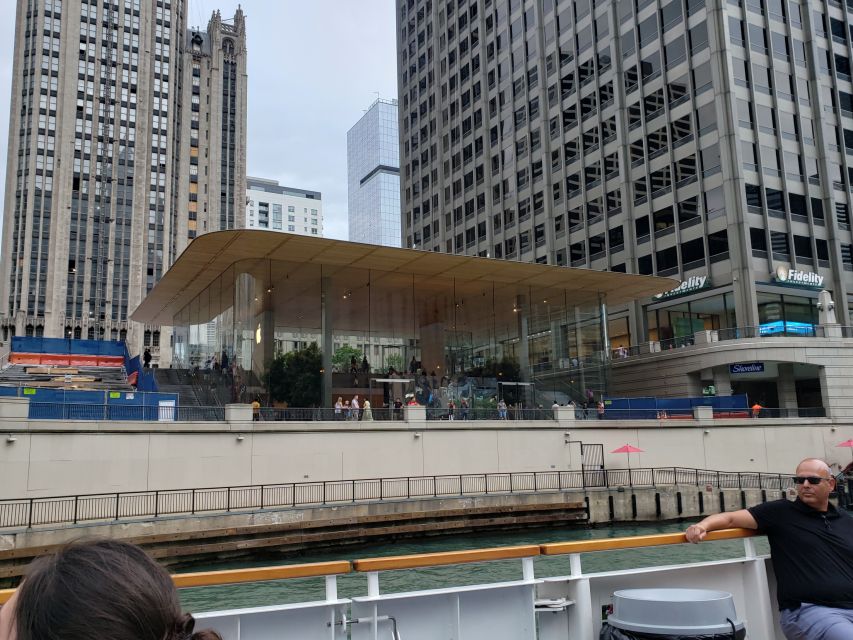
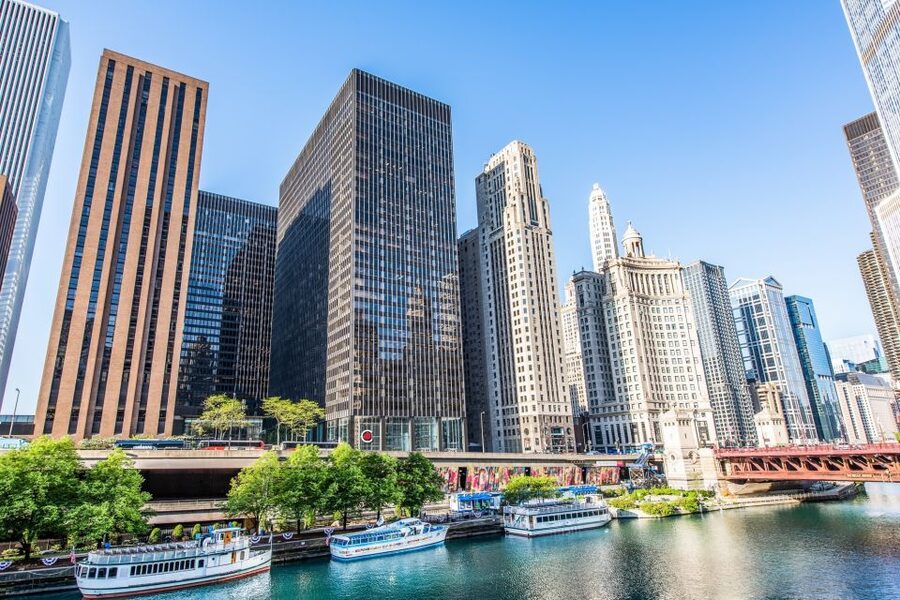
- The River Walk supplies the best views, with modern buildings rising directly beside the water.
- Mies van der Rohe, Bertrand Goldberg, and Harry Weese each bring a different answer to the skyscraper question.
- The Chicago Architecture Center docent is a trained volunteer, with hundreds of hours of study behind the talk.
- The $35 price is for a group of up to one person, and includes the walking tour plus new Center exhibits.
- Wheelchair access and flexible cancellation make this easier to fit into a city itinerary.
Why Chicago Became Modernism’s Great Test Site
Modernism is not just a look. It is a way of thinking about design, materials, work, and daily life. The style shaped houses, furniture, appliances, automobiles, clothing, and city blocks. In Chicago, its clearest expression is the steel or reinforced-concrete skyscraper, with a skeleton frame carrying the building so the exterior can open up to glass.
That skeleton frame changed everything. Earlier buildings needed thick masonry walls to hold themselves up. The newer system moved the structural work inside, allowing taller buildings, wider windows, and more flexible interiors. Chicago is widely regarded as the birthplace of this approach, so you are not simply looking at handsome towers. You are looking at a change in how cities could be built.
The tour gives you a useful way to read the city. Instead of seeing a wall of unrelated high-rises, you can ask who designed each building, what material carries its weight, how the building meets the sidewalk, and what its original purpose was. That turns a skyline view into a series of design decisions.
Starting at the Chicago Architecture Center
You check in inside the Chicago Architecture Center at 111 E Wacker Drive. This location is practical, since it sits near the River Walk and puts you close to many of the buildings discussed on the tour.
The included admission to the Center’s new exhibits adds real value. You can use the exhibits to get your bearings before heading outside, or return afterward while the buildings and ideas are still fresh. The tour itself is in English and led by a certified Chicago Architecture Center volunteer docent.
The docent matters here. Modern architecture can look plain at first glance: a glass wall, a steel grid, a concrete tower. A trained guide can point out the details that are easy to miss, then connect them to Chicago’s political and economic story. The docents receive hundreds of hours of training in architecture and local history, and they work as storytellers rather than simply reciting dates.
You should arrive ready to walk outside soon after checking in. There is no coat check, and the Center cannot store luggage or strollers, so leave large bags at your hotel or another secure location.
More skyscraper interior tours in Chicago:
- Original Chicago Architecture Interiors Tour: Dazzling Interiors
★ 5.0 · 1,489 reviews - Chicago’s Secret Interiors Architectural Walking Tour
★ 5.0 · 635 reviews - Chicago: Secret Interiors Architecture Walking Tour
★ 4.9 · 498 reviews
The Reliance Building and the First Modern Ideas
The Reliance Building introduces the roots of Modernism. It is an important early stop because it helps you see that modern skyscrapers did not appear fully formed. Their ideas developed through experiments with structure, windows, light, and the relationship between the building and the street.
At the Reliance, pay attention to how much glass and open surface the building uses compared with older masonry blocks. The structure points toward the later glass towers, but it belongs to an earlier stage of the story. That makes it especially helpful for anyone who wants to understand change rather than simply collect famous buildings.
This part of the walk also keeps the tour from becoming a parade of famous names. You begin with the roots, then see how later architects pushed those ideas in new directions. I find that approach more useful than starting with a list of celebrated towers and asking you to admire them without context.
Mies van der Rohe and the Discipline of the Grid
Ludwig Mies van der Rohe is one of the central figures on the tour. His work helped define the clean, ordered language many people associate with modern skyscrapers: regular grids, spare materials, glass walls, and a strong sense of proportion.
You will learn how Mies shaped Chicago’s modern identity and how his approach influenced later buildings. His work can appear simple, but simplicity is the point. The fewer decorative elements a building has, the more important its structure, spacing, reflections, and details become.
The guide also places Mies in the story of Mayor Richard J. Daley. That pairing is useful because architecture does not happen in isolation. A city government can encourage certain forms, approve major projects, reshape streets, and decide how new towers fit into civic space. Chicago’s modern skyline came from architects, developers, engineers, and political decisions working together.
You may find Mies’s buildings colder than Chicago’s older architecture. That is a fair reaction. Modernism often values order and efficiency over ornament and warmth. The tour does not require you to love every building. It gives you the tools to understand why these buildings look the way they do and why their influence remains strong.
Marina City and Bertrand Goldberg’s Bold Detour
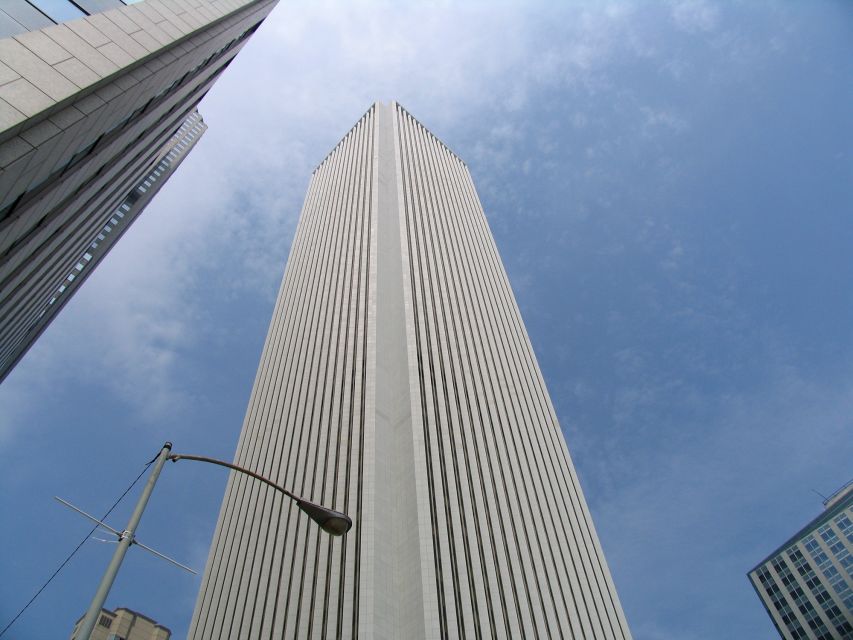
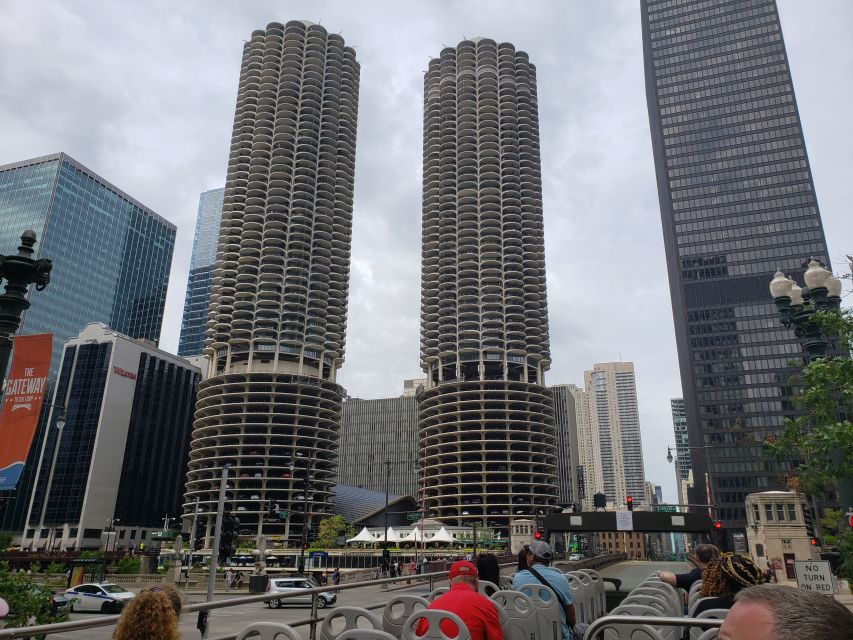
Marina City adds a different voice to the walk. Bertrand Goldberg’s towers do not follow the strict rectangular pattern many people expect from Modernist architecture. Their rounded forms make them instantly recognizable and show that modern design could be inventive, expressive, and even playful.
The buildings are especially useful in comparison with Mies. Both belong to the modern era, yet they produce very different results. Mies emphasized disciplined grids and restrained surfaces. Goldberg explored curved forms and a more unusual visual rhythm. Seeing both in one walk helps you understand that Modernism was never a single formula.
Marina City also supports the tour’s broader point about the city. Modern buildings were not only office machines. They could be part of plans for urban living, work, and services. The guide can help you connect the building’s design to the larger question of how Chicagoans might live in a dense downtown.
From the riverfront, the rounded towers are easy to appreciate as part of the skyline. Their form changes as you move, which is one reason a walking route works better than a quick photograph from a single viewpoint. You get time to notice how the shape reads from different angles.
More walking tours in Chicago:
- Chicago: Gangsters and Ghosts Walking Tour
★ 5.0 · 7,155 reviews - Chicago Favorites Ultimate Food and Walking Tour
★ 5.0 · 1,962 reviews - Chicago: Gangsters and Ghosts Guided Walking Tour
★ 4.7 · 1,697 reviews - Chicago in a Day: Food, History & Architecture Walking Tour
★ 5.0 · 1,153 reviews
Harry Weese, Civic Space, and the Daley Center
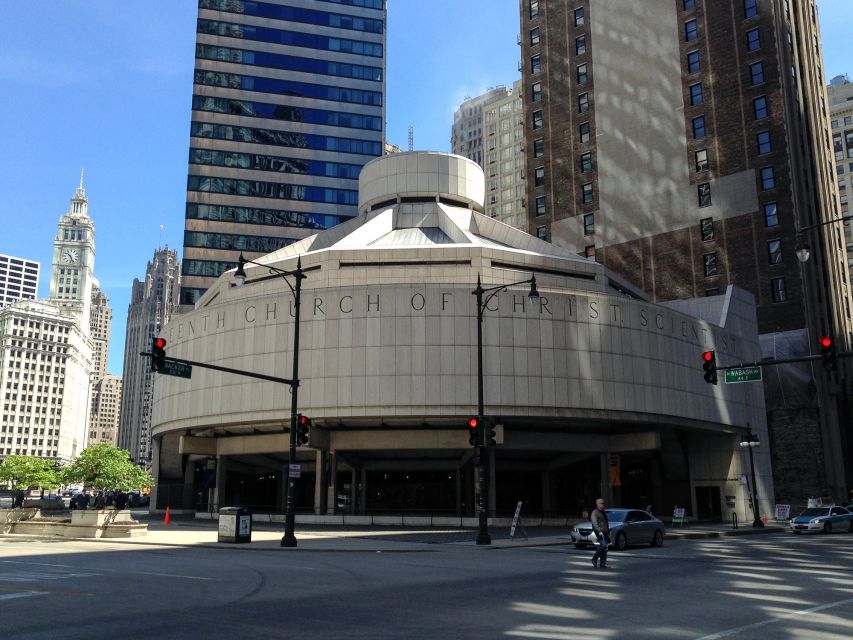
Harry Weese brings another important chapter to the tour. His work helps widen the discussion beyond private office towers. Modernism also shaped public buildings and civic spaces, places designed to represent government and serve large numbers of people.
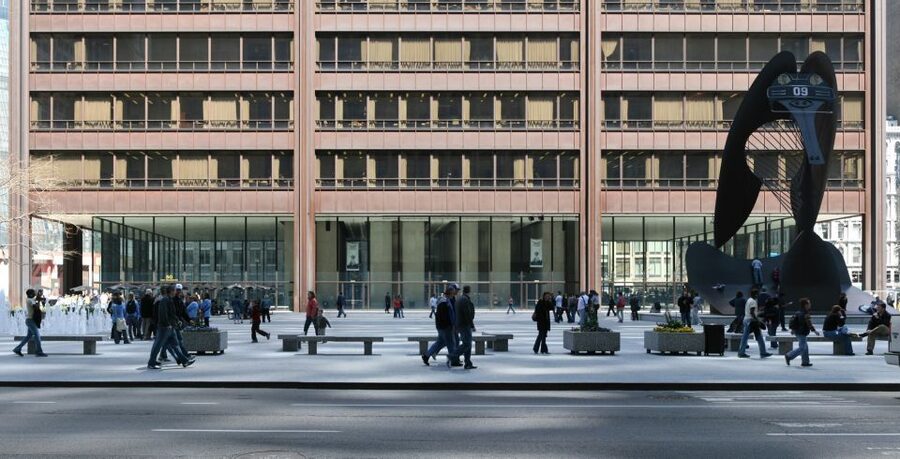
The Daley Center is one of the key buildings highlighted along the route. Its importance is not only its appearance. It reflects the connection between architecture and city government, a theme that runs through the discussion of Mayor Daley and Chicago’s postwar development.
You will get more from this stop if you look at the surrounding open space as well as the building itself. Modern architecture often depends on the space around a tower. A plaza, broad walkway, or open view can be as deliberate as the structure above it.
This is also where the tour’s balanced approach helps. Large civic projects can feel impressive, but they can also seem severe or impersonal. I like having a guide explain both the ambition and the human effect. A building can be important in architectural history without being the most comfortable place to sit, walk, or meet a friend.
The IBM Building and Chicago’s Riverfront View
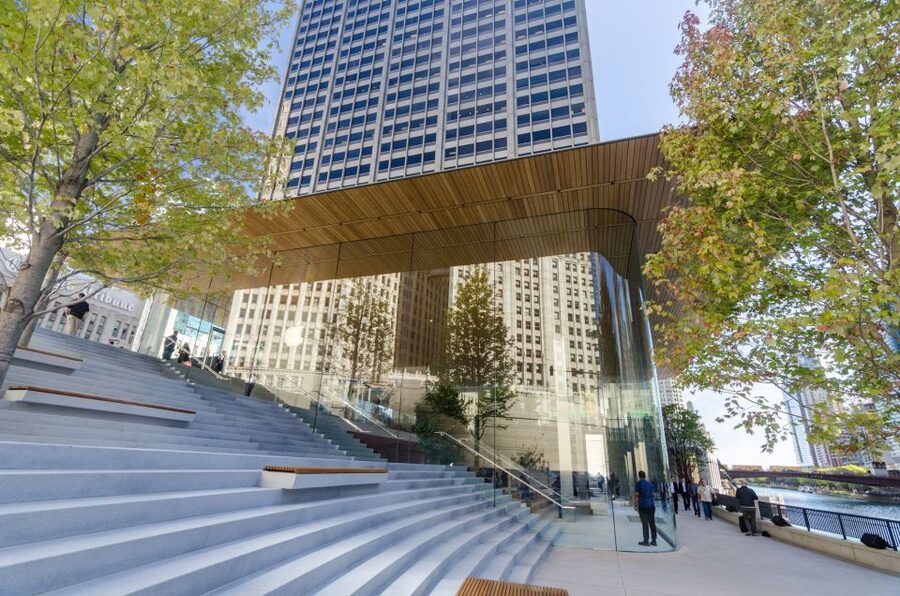
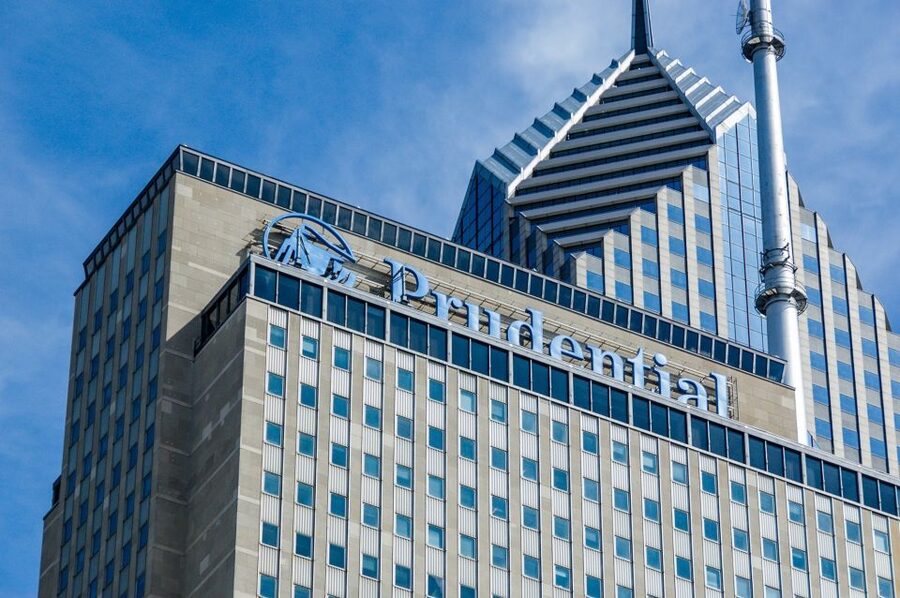
The IBM Building is another major stop, and the River Walk gives you one of the clearest settings for understanding downtown architecture. Along the water, you can see modern structures lining the Chicago River and compare their height, materials, edges, and placement.
The riverfront view is one of the strongest parts of the tour. You are not looking at one building in isolation. You are watching the city stack different generations of design beside one another. The water also gives you a longer sightline, which makes it easier to see how towers affect one another.
The newer River Walk adds to the experience. It gives the route a pleasant public path and makes the river feel like part of downtown life rather than a gap between buildings. You should still wear comfortable shoes, since this is an outdoor walking tour with several stops and plenty to look at overhead.
Weather deserves attention. Tours depart rain or shine, and there are no refunds because of weather. A drizzly outing has still been described as informative and enjoyable, but you should bring clothing that handles Chicago’s changing conditions. Comfortable shoes are more important than dressing up.
What the $35 Price Really Buys You
The listed price is $35 for a group of up to one person. That wording makes this a solo booking rather than a per-person family rate, so check the final booking details carefully if you are traveling with others.
For one person, the value is solid if you care about architecture or want a structured introduction to downtown. You receive a 90-minute guided walk, a certified docent, and admission to the Chicago Architecture Center exhibits. The tour also gives you access to stories and comparisons that are difficult to assemble from street signs alone.
The value is less obvious if you only want general sightseeing. You will spend much of the time looking closely at buildings, materials, structure, and urban planning. If your main goal is shopping, food, or a broad city overview, another tour may suit you better.
I see the price as partly a payment for interpretation and partly a contribution to local education. Chicago Architecture Center ticket income supports programs such as Girls Build!, Teen Fellows, the Newhouse Architecture + Design Competition, and free community events including Open House Chicago. You are paying for a tour, but the money also supports architecture education and public engagement.
Who Will Get the Most From This Walk
I would choose this tour if you enjoy cities, design, photography, engineering, or urban history. It is also a good first activity in Chicago because it teaches you how to look at the downtown core before you spend the rest of your visit moving through it.
You do not need formal architecture training. The subject is presented through visible buildings and clear comparisons. If the vocabulary feels new at first, the route gives you something concrete to watch: glass, steel, concrete, curves, grids, plazas, and river views.
Families with children may find the buildings easier to appreciate if the kids enjoy drawing, shapes, or tall structures. The 90-minute length is manageable, but the no-stroller-storage rule matters. Wheelchair access is available, which removes one common barrier for visitors planning a downtown outing.
I would skip it if you dislike walking in poor weather, cannot leave bags behind, or want a tour centered on interior spaces. Most of the architectural viewing happens outside, and the experience depends on paying attention to the buildings along the route.
Practical Advice Before You Go
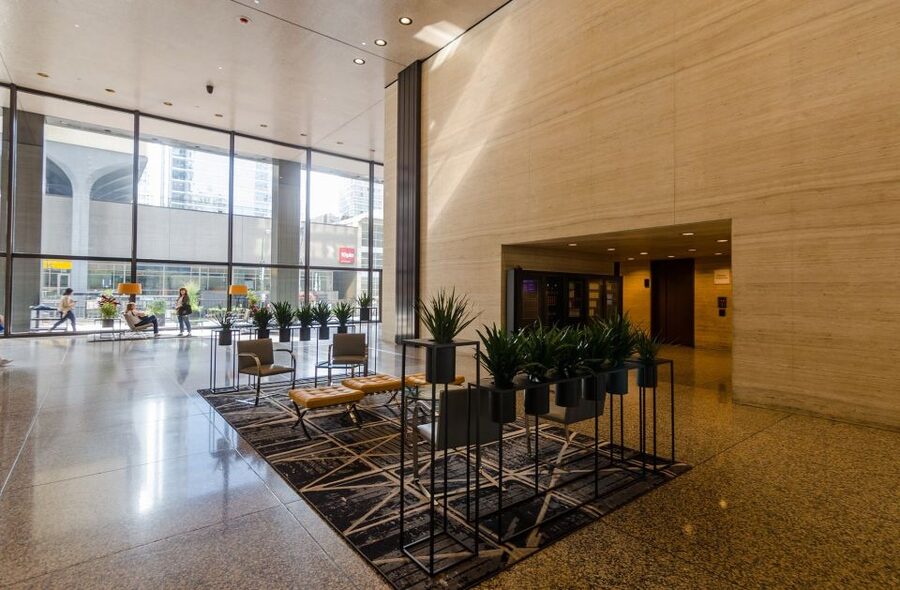
Wear comfortable shoes and dress for rain, wind, or changing temperatures. The route uses the River Walk, and the tour operates in all weather.
Leave luggage and large bags elsewhere. The Chicago Architecture Center cannot provide secure storage for luggage or strollers, and there is no coat check.
Plan enough time to check in at 111 E Wacker Drive. The tour is in English, and the starting times vary, so confirm the available departure when you reserve.
The cancellation policy is flexible if your plans change. You can cancel up to 24 hours in advance for a full refund, and you can reserve now while paying later. That is useful for a Chicago schedule that still has moving parts.
Pets are not allowed, though service animals are welcome. Since the walk is wheelchair accessible, you can also ask about the route when planning around mobility needs.
Should You Book Chicago’s Modern Skyscrapers Tour?
Book it if you want Chicago’s skyline explained rather than merely photographed. The strongest reasons are the trained docent, the clear progression from the Reliance Building to later Modernist towers, the River Walk views, and the chance to compare Mies, Goldberg, and Weese in one outing.
The main caution is the weather and the subject matter. This is a focused architecture walk, not a general sightseeing tour, and it runs rain or shine. For an architecture-minded visitor, the $35 cost and included Center exhibits make good sense. For everyone else, ask yourself one question: do you want to know why Chicago looks this way? If yes, this is a smart 90-minute choice.
FAQ
How long is the Chicago’s Modern Skyscrapers Guided Walking Tour?
The tour lasts 90 minutes.
Where does the tour meet?
Check in inside the Chicago Architecture Center at 111 E Wacker Drive, Chicago, Illinois 60601.
What buildings are highlighted?
The tour highlights the Reliance Building, Marina City, the Daley Center, and the IBM Building. It also discusses modern structures along the Chicago River and architects including Ludwig Mies van der Rohe, Bertrand Goldberg, and Harry Weese.
Is admission to the Chicago Architecture Center included?
Yes. Admission to the Center’s new exhibits is included with the walking tour.
What happens if it rains?
Tours depart rain or shine, and refunds are not available because of weather. Wear weather-appropriate clothing and comfortable shoes.
Is the tour wheelchair accessible?
Yes, the activity is wheelchair accessible. The tour is given in English by a Chicago Architecture Center certified volunteer docent.
Recently added around Chicago
- Travel between Chicago O’Hare and Madison★ 4.5 · 4 reviews
- Holiday Walking Tour: Underground Chicago via the Pedway★ 5.0 · 27 reviews
- Workers Cottages of Oldtown Triangle Walking Tour★ 5.0 · 45 reviews
- Volo Auto Museum: Admission Ticket★ 4.5 · 55 reviews
- Verse Immersive Holographic Theater in Chicago★ 4.5 · 28 reviews
- Vito’s Vault Chicago finest dinner theatre speakeasy★ 5.0 · 14 reviews
- Delicious Donuts & Sweet Treats: West Loop Walking Tour★ 5.0 · 47 reviews
- Traveling Spoon Chicago-Style Deep Dish Pizza Private Online Cooking Class★ 5.0 · 4 reviews
Chicago Skyscraper Interior Tours, compared.
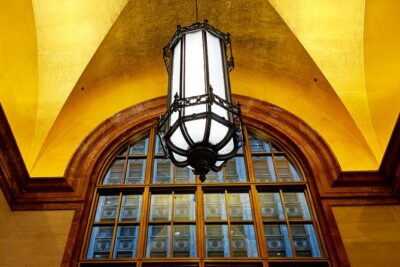
Original Chicago Architecture Interiors Tour: Dazzling Interiors
Read our review →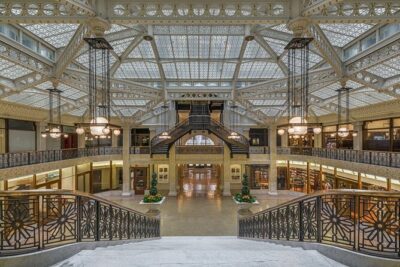
Chicago’s Secret Interiors Architectural Walking Tour
Read our review →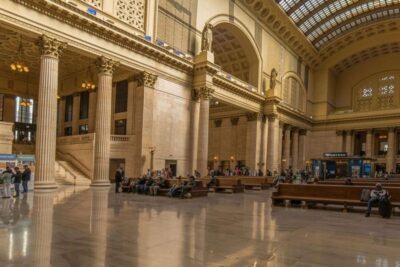

Chicago Walking Tour: Art Deco Skyscrapers Loop
Read our review →
Chicago Architecture Walking Tour: Incredible Art Deco Interiors
Read our review →
Chicago Walking Tour: Art Deco Skyscrapers Riverfront
Read our review →
Chicago’s Original Dazzling Architectural Interiors Tour
Read our review →Browse the lists this tour appears in