Reviewed · TOURS
The Chicago Theatre Tour Experience
The Chicago Theatre tour puts you inside one of downtown Chicago’s most recognizable buildings, beneath the huge six-story C-H-I-C-A-G-O sign and inside an auditorium built for spectacle. You’ll see painted murals, the grand lobby, the stage, artist signatures from Frank Sinatra, Dean Martin, and Dolly Parton, and sometimes the Wurlitzer organ in action. The architecture is the main event, but the stories about musicians, comedians, and stage crews give the building a human scale.
I like the chance to stand on the theatre stage and look out toward the seats, a view you rarely get during a performance. I also like the way the guides connect the 1921 building with working theatre life today. Guides including Colin, Jackie, John, and Kiara have been praised for adding humor and practical insight. The main consideration is timing: the tour is sold as one hour, but it can run to 75 or even 90 minutes, and event-day restrictions may remove stage or dressing-room access.
Key points to know before you go
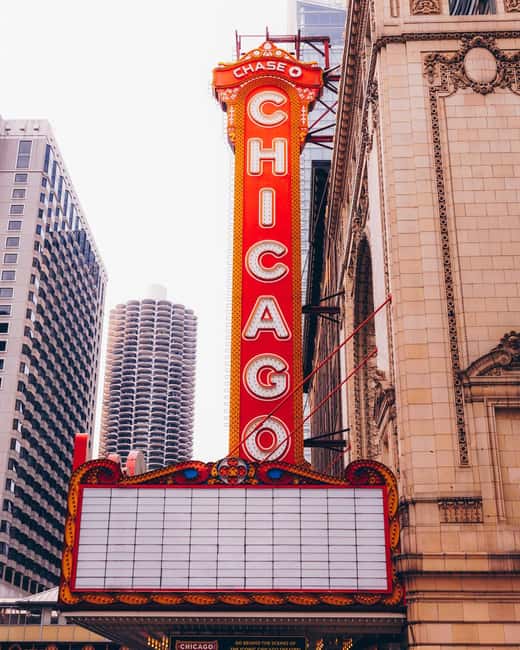
- Look up at the six-story C-H-I-C-A-G-O sign: The marquee is one of the easiest photo stops in downtown Chicago and gives the tour an immediate sense of place.
- Stand on the historic stage: You can look toward the auditorium from the performer’s side, though stage access is not available on event days.
- Listen for the Wurlitzer organ: Some tours include a short demonstration, linking the theatre to its silent-film years.
- See signatures from famous performers: Frank Sinatra, Dean Martin, and Dolly Parton are among the names connected with the stage.
- Expect a lively English-language tour: Guides such as Colin, Jackie, John, and Kiara bring venue knowledge, humor, and stories about working inside the theatre.
- Allow more than the advertised hour: Some visits last 75 minutes or longer, so avoid scheduling a tight connection afterward.
Beginning beneath Chicago’s famous marquee
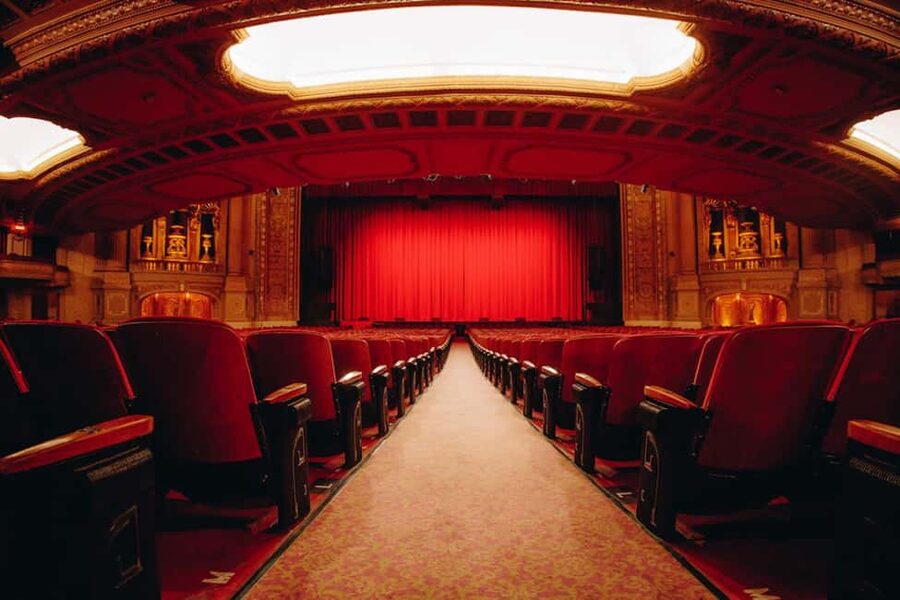
The tour starts at the Chicago Theatre, an easy landmark to spot in the middle of downtown. The large C-H-I-C-A-G-O letters are not a minor sign above the door. They are part of the city’s visual identity, and seeing them from street level helps you understand why this building has become a symbol of Chicago entertainment.
Before you go inside, take a moment to look at the full marquee and entrance. The scale is deliberate. This was designed to announce performances from a distance, and the sign still does that job. If you are meeting friends or arriving by taxi, it is also a useful landmark.
You need to present your Ticketmaster ticket through the Ticketmaster app or website. A GetYourGuide confirmation or voucher by itself is not the admission ticket. If you have trouble downloading the ticket, take your ID and confirmation to the box office for help. This is worth handling before the tour begins, since the activity is non-refundable.
Other Chicago tours that go well next to this one:
- Chicago Architecture River Cruise
★ 5.0 · 15,756 reviews - Chicago River 90-Minute Architecture Tour
★ 4.5 · 9,629 reviews - Chicago River: 1.5-Hour Guided Architecture Cruise
★ 4.8 · 8,046 reviews
The 1921 story starts in the lobby
Once inside, your guide sets the building in context. The theatre opened in 1921, and the tour follows its path from early cinema and stage entertainment to its current use as a major performance venue.
The lobby is the first big architectural payoff. Look for the scale, decorative details, and painted surfaces as your guide explains how the theatre was designed to make an ordinary night out feel grand. The building was not meant to be a plain room with seats and a stage. It was part of the event.
I find this kind of introduction useful because it gives the decoration a purpose. You are not simply walking through an old interior and trying to spot the prettiest ceiling. You are seeing how the building welcomed audiences, shaped their mood, and prepared them for the show.
The guides also add details about how the building operates. That practical angle makes the tour more than an architecture walk. Colin, in particular, has been praised for explaining both the venue’s past and what it is like to work there. Jackie, John, and Kiara have also led visits with a mix of theatre knowledge and humor.
Painted murals and the grand auditorium
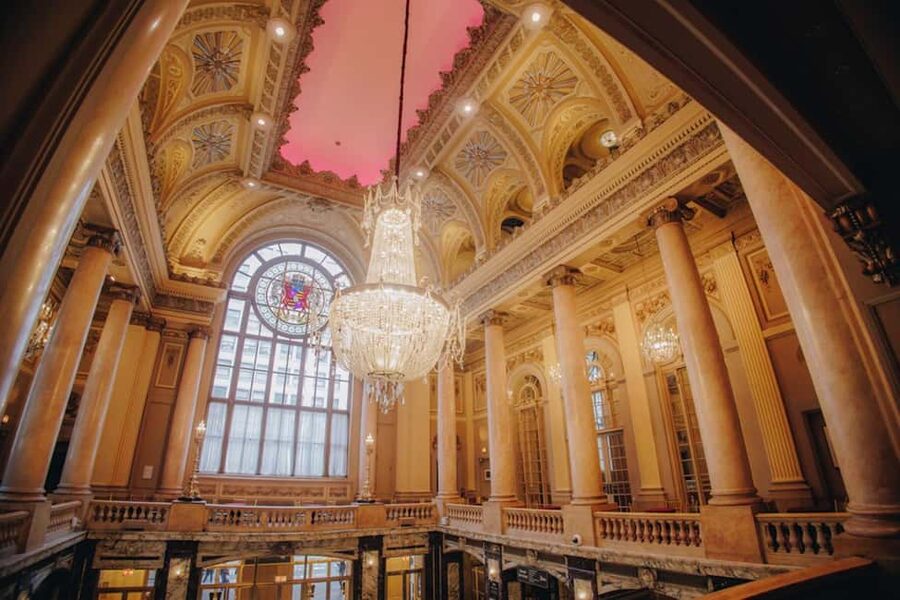
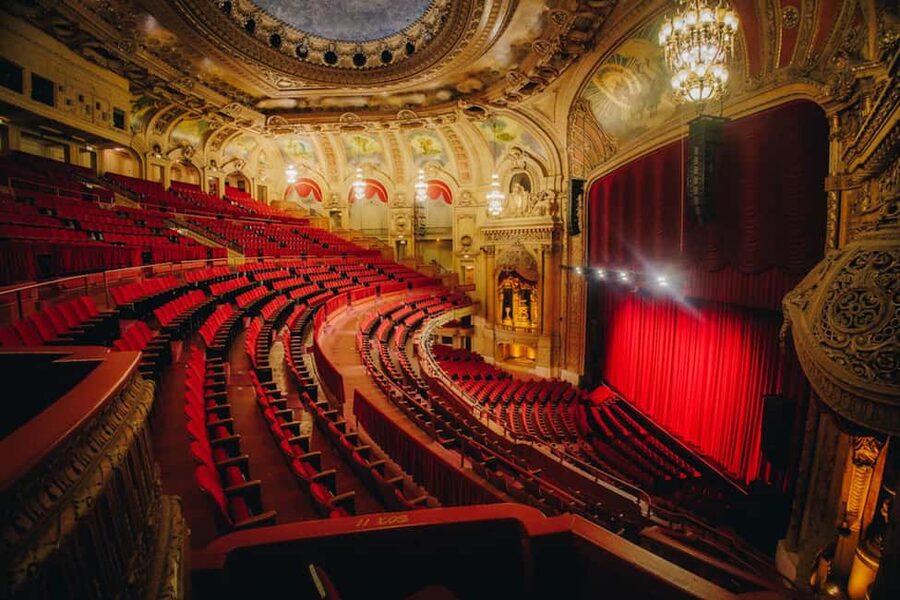
The auditorium is the heart of the visit. From here, you can take in the theatre’s scale in a way that is difficult during a concert or comedy show. The seats, balconies, decorative surfaces, and painted murals work together as one large theatrical composition.
Your guide points out architectural details that you might miss if you came only for a performance. You can also spend a few minutes looking around the seating areas from viewpoints that are not normally available during an event. That pause matters. It gives you time to notice the room without worrying about finding your seat or waiting for the curtain.
The auditorium also explains the appeal of the tour for people who already attend shows at the Chicago Theatre. You know the room as a place to sit in the dark and watch a performer. On this tour, you get to consider the audience area, stage sightlines, and decorative setting as parts of the same design.
Bring comfortable shoes. The visit is only about an hour on paper, but you may be standing and walking for longer. Some tours take up to 75 minutes, and past visits have stretched closer to 90 minutes when guides had time to show extra areas.
A performer’s view from the stage
One of the strongest moments is standing on the Chicago Theatre stage and looking out toward the auditorium. From the audience, the performers seem to own the room. From the stage, you can see the size of the crowd they face and get a better feel for the concentration required to work in such a large venue.
The stage also carries physical traces of famous appearances. Artist signatures connected with Frank Sinatra, Dean Martin, and Dolly Parton are among the details you may see. These names help turn the building’s history into something tangible. You are not only hearing that major entertainers appeared here. You are standing in the place where their work left a mark.
Stage access depends on the calendar. On event days, there is no stage or dressing-room access. That is an important limitation, especially if the stage is your main reason for booking. The tour content can change when the building is being prepared for a show, so check the conditions for your chosen date and keep your expectations flexible.
When access is available, this section is likely to be the most memorable part for anyone interested in performance. It also suits children and first-time visitors because it turns the theatre from a grand room into a working place where people have to sing, speak, play, move, and connect with a large audience.
Different part of the city, different kind of afternoon:
- Chicago: Gangsters and Ghosts Walking Tour
★ 5.0 · 7,155 reviews - Chicago Architecture Center River Cruise aboard First Lady
★ 5.0 · 5,536 reviews - Chicago: Willis Tower Skydeck and The Ledge Ticket
★ 4.6 · 4,350 reviews - Chicago: Architecture River Cruise Skip-the-Ticket Line
★ 4.8 · 4,325 reviews
Behind the scenes and the working theatre
The tour can include areas beyond the public lobby and auditorium. These backstage spaces give you a look at the theatre as a workplace rather than only a historic interior.
The exact route is not fixed. Some tours include more of the hidden areas than others, and event schedules can affect what you see. That uncertainty is not necessarily a flaw, but you should treat backstage access as a possibility rather than a guarantee.
I like this part because it adds balance to the polished public rooms. The murals and auditorium show the theatre at its most formal. Backstage areas, by contrast, help you think about the staff, performers, ushers, and technicians who keep a performance moving.
Several guides have worked as ushers at the Chicago Theatre. That experience can add useful details about the venue’s day-to-day life. John and Kiara, for example, have been noted for combining usher experience with humor. You may learn more from that kind of perspective than from a string of dates and architectural terms.
The Wurlitzer organ and the silent-film connection
A highlight on some tours is the Wurlitzer organ. Colin and other guides have played it during visits, and the sound gives the building a direct link to the era when theatres hosted silent films with live musical accompaniment.
This is one of the most effective details on the tour because you do not have to imagine the organ’s role from a plaque. Hearing it in the auditorium lets you understand how it helped fill the room and support a film before recorded dialogue and modern sound systems changed cinema.
The organ demonstration is not guaranteed on every visit, since tour content may change. Still, if it is included, it adds a strong historical moment without requiring a long lecture. You hear the instrument, look around the auditorium, and can picture earlier audiences experiencing the room in a very different way.
Meeting a Rockettes precision dancer
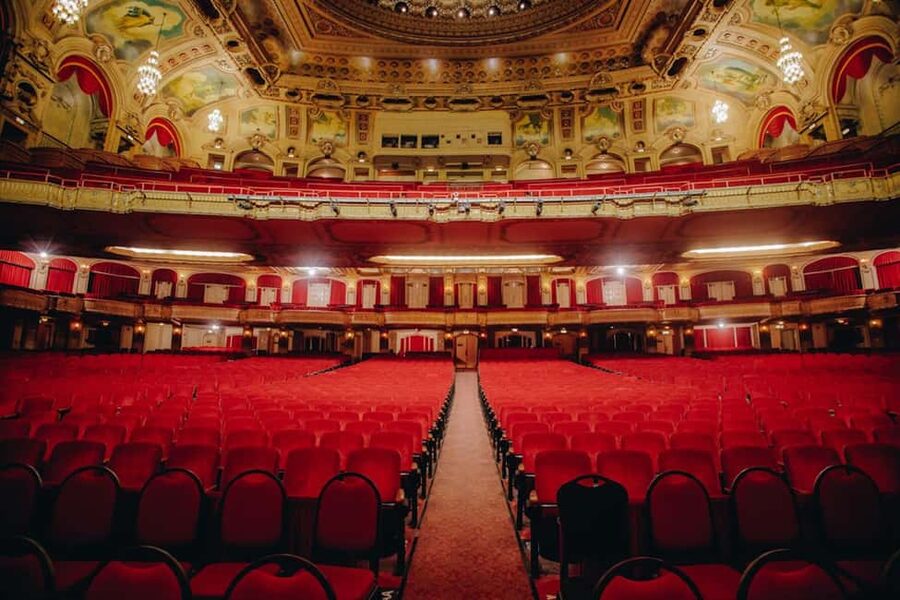
The experience highlights a chance to meet one of the famous precision dancers from the Rockettes. This adds a performer’s perspective to the architectural tour and gives you a chance to connect the building with the discipline of live entertainment.
The supplied details do not promise a particular dancer or explain that person’s exact role on every departure, so treat this as a planned feature that may depend on scheduling. It is best viewed as an added performance connection, not the sole reason to book.
For families, dance fans, and anyone curious about stage work, this can make the visit more personal. The building tells you where performances happen. A professional dancer can help you think about what it takes to perform with timing and precision in front of a large audience.
How the guides shape the experience
The guide matters a great deal here. The Chicago Theatre has plenty to look at, but a quiet walk through beautiful rooms would not explain how the venue changed over time or what it feels like to work inside it.
Colin has led tours with a friendly, informative style and has also played the Wurlitzer organ. Jackie has been praised for working with a team member to make the visit engaging. John and Kiara have brought usher experience and humor to the route. Other guides have been described as enthusiastic and proud to show the theatre’s rooms.
That range is useful to know. You are not buying a recorded audio walk. You are joining a live English-language tour, and the personality of the guide will shape the pace and amount of detail. The strongest visits appear to go beyond the exact one-hour promise when time and building activity allow.
The tradeoff is that the experience may not feel identical every day. One guide may focus more on architecture, another on performance, another on backstage work. I see that as part of the appeal, provided you are comfortable with a tour that has some variation.
Is $30 a fair price?
At $30 per person, the tour is not the cheapest way to see the outside of the Chicago Theatre. You can photograph the marquee and admire the entrance without paying anything. The price makes sense only if you want access inside and a guide to explain what you are seeing.
The value improves when your visit includes the stage, backstage areas, murals, and organ demonstration. Those elements give you experiences you cannot get from a street photo or a normal evening ticket. If the tour runs 75 to 90 minutes, the cost also compares well with other guided cultural visits in a major city.
The value is weaker if event-day restrictions prevent stage and dressing-room access, especially if you booked mainly for the performer’s view. Even then, you still get the lobby, auditorium, architecture, and theatre stories. I would consider the price fair for someone who appreciates historic performance spaces, but less essential for someone with limited interest in theatre interiors.
Who should book the Chicago Theatre tour?
I would recommend this tour to first-time Chicago visitors who want more than an exterior photo of the Loop. It is also a good choice for people attending a concert or comedy show who want to understand the building before returning for a performance.
Families can benefit from the clear visual highlights, especially the large sign, grand auditorium, stage, and organ. The visit also works for architecture fans, music fans, theatre students, and anyone interested in how a famous venue functions behind the curtain.
You may want to skip it if you need a tightly timed activity, since the tour can run longer than an hour. You should also think twice if your date falls during an event and stage access is important to you.
The theatre is wheelchair accessible, and the tour is offered in English. Wear comfortable shoes, check the start time carefully, and make sure you have the actual Ticketmaster ticket ready rather than only your booking confirmation.
FAQ
How long does the Chicago Theatre tour last?
The tour is scheduled for approximately one hour. Some visits take up to 75 minutes, and others may run closer to 90 minutes, so allow extra time afterward.
What ticket do I need to enter?
You must present your Ticketmaster ticket through the app or website. A GetYourGuide confirmation or voucher is not the admission ticket. If you cannot download the ticket, you can redeem it at the box office with your ID and confirmation.
Is the tour offered in English?
Yes. The tour has a live English-speaking guide, and English is the stated language.
Can I go on the stage during the tour?
Stage access is available on some tours, but there is no stage or dressing-room access on event days. Tour content can change based on activity in the building.
Is the Chicago Theatre tour wheelchair accessible?
Yes, the activity is wheelchair accessible.
Is the tour refundable if I change my plans?
No. The activity is non-refundable, so check your schedule and ticket details before booking.
Recently added around Chicago
- Travel between Chicago O’Hare and Madison★ 4.5 · 4 reviews
- Volo Auto Museum: Admission Ticket★ 4.5 · 55 reviews
- Holiday Walking Tour: Underground Chicago via the Pedway★ 5.0 · 27 reviews
- Workers Cottages of Oldtown Triangle Walking Tour★ 5.0 · 45 reviews
- Verse Immersive Holographic Theater in Chicago★ 4.5 · 28 reviews
- Vito’s Vault Chicago finest dinner theatre speakeasy★ 5.0 · 14 reviews
- Delicious Donuts & Sweet Treats: West Loop Walking Tour★ 5.0 · 47 reviews
- Traveling Spoon Chicago-Style Deep Dish Pizza Private Online Cooking Class★ 5.0 · 4 reviews
Tours, compared.
Chicago River 45-Minute Architecture Tour from Magnificent Mile
Read our review →
Big Bus Chicago: Hop-On Hop-Off Sightseeing Tour, 24/48/72hr Pass
Read our review →
Chicago Favorites Ultimate Food and Walking Tour
Read our review →