
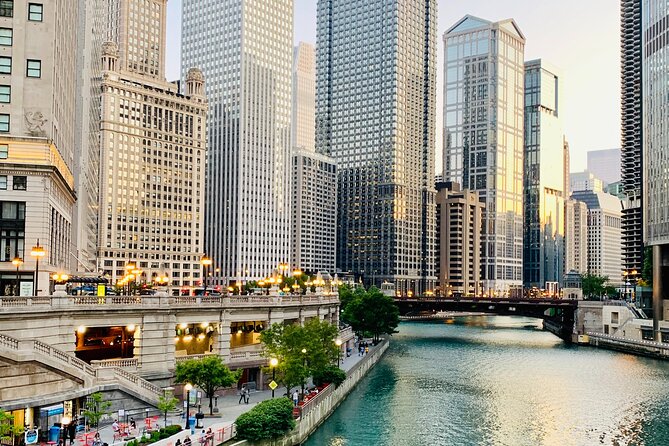
Reviewed · 360 CHICAGO OBSERVATION DECK TICKETS
Magnificent Mile Tour With Optional 360 Chicago Upgrade
Chicago’s Magnificent Mile is more than a shopping street. It is a two-hour walk through the city’s architectural story, from Italian Renaissance details near Millennium Park to Art Deco towers, modern retail façades, and the Chicago River. I like that the tour keeps its focus on buildings and city design, rather than trying to squeeze in every famous sight. Ben and Chris are named guides praised for clear stories, humor, and helpful Chicago tips.
I also like the finish at 360 Chicago, where the optional ticket gives you time to take in the city at your own pace from 1,030 feet up. The main drawback is that the tour moves at a brisk clip, and the Bean is not part of the route, despite the meeting point near Millennium Park. If seeing Cloud Gate is your main goal, plan it separately.
Key points to know before booking
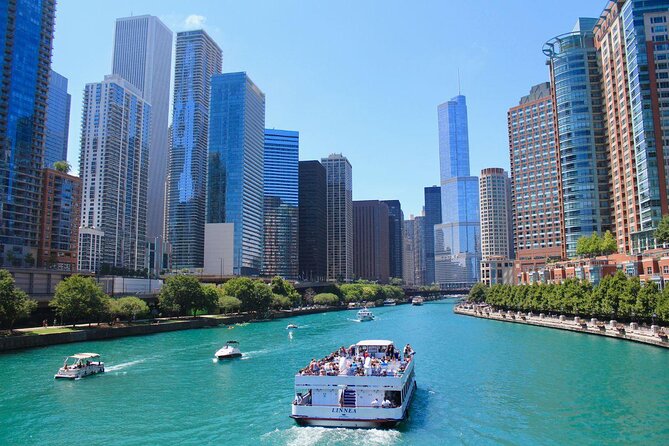
- A two-hour architectural walk: Follow Michigan Avenue from Millennium Park toward the Magnificent Mile, with stops along the Chicago River and Rush Street.
- Strong guide-led storytelling: Ben has been praised for lively presentations, humor, and useful local suggestions. Chris is also noted for keeping the walk interesting.
- The 360 Chicago upgrade changes the ending: Add the observation deck ticket for self-guided views of Lake Michigan, the Magnificent Mile, and Chicago from 1,030 feet.
- A small group of up to 20 people: This is intimate enough for questions, though it is still a walking tour with a fair amount of ground to cover.
- The Bean is not included: The route begins near Millennium Park, but the tour centers on architecture and does not stop at Cloud Gate.
- A good value for architecture fans: At $39 per person, the guided portion is reasonably priced if you want context rather than a simple walk past buildings.
Why this walk works for first-time Chicago visitors
The clever part of this tour is its route. You begin downtown near Millennium Park, then move north along a corridor where Chicago’s commercial, cultural, and architectural history is easy to read from the street. Instead of treating each building as an isolated photo stop, the guide links them through design movements, business history, and the changing role of Michigan Avenue.
That makes the walk useful early in your stay. You get a sense of where the river, lakefront, downtown streets, luxury shops, and major cultural buildings fit together. Afterward, you can return to the places that caught your eye, armed with a better idea of what you are looking at.
At $39, the tour sits in a sensible middle range for a two-hour guided city walk. The price pays for a local guide and a clear route, not just access to a building. The 360 Chicago ticket is separate as an optional upgrade, so check the booking choice carefully if you want the observation deck included.
The group limit is 20 people. That is not a private tour, but it should be easier to hear and ask questions than on a large coach outing. The tour is offered in English, and you receive a mobile ticket. It begins at 10:00 a.m., a useful time for getting your day started before an afternoon of shopping, museums, or neighborhood exploring.
More 360 Chicago tickets:
- Chicago: 360 CHICAGO Observation Deck Ticket
★ 4.5 · 3,173 reviews - 360 CHICAGO Observation Deck Admission
★ 4.0 · 1,206 reviews - Chicago Explorer Pass: 35+ Things To Do – Includes 360 Chicago
★ 4.0 · 354 reviews
Starting at Millennium Park and the Cultural Center
The meeting point is at the Federal Building Columns on East Randolph Street, close to Millennium Park. The opening section looks at Chicago’s lakefront and the city’s development around it, giving you a quick sense of why downtown Chicago is arranged as it is.
You also get a glimpse of the Chicago Cultural Center and its Italian Renaissance style. This is a strong opening because it puts a decorative, civic building beside the larger story of Chicago’s lakefront planning. The stop lasts about 20 minutes and does not require a separate admission ticket.
There is one practical point to keep in mind. Millennium Park is associated with Cloud Gate, but the tour does not include the Bean. The route may begin in the general area, yet the guide’s attention is on architecture and city history. If you want a close look at Cloud Gate, allow extra time before or after the walk.
That clarification matters because one disappointed participant expected the famous sculpture to be included. The tour description is clear about its stops, so treat Millennium Park as the starting neighborhood, not as a Bean visit.
Three generations of design beside the Chicago River
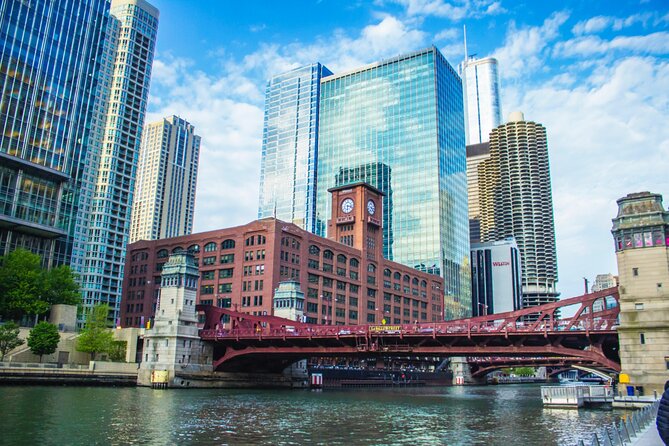
The next section brings you to the Chicago Riverwalk, where three notable Chicago buildings from the 1920s help explain the city’s architectural development. You will hear about Beaux Arts and Art Deco design, along with the Chicago School of Architecture.
This is where the tour’s subject becomes especially clear. Chicago is not simply a collection of tall buildings. Its streets show changes in materials, decoration, engineering, retail, and business ambition. A guide can point out details that are easy to miss when you are walking alone, then explain why those details matter.
The river setting also gives you a break from the straight run of Michigan Avenue. You can look across the water, compare building fronts, and see how the city’s architecture works at street level. The stop lasts about 20 minutes and is included in the walking tour.
Do not expect an extended river cruise or a long riverside rest. This is a short, guided look at the buildings and their design. If you enjoy architecture but prefer a compact schedule, that focus is a benefit. If you want a slow photo session beside the river, you may need to return later on your own.
The Magnificent Mile, from Starbucks to Harry Potter
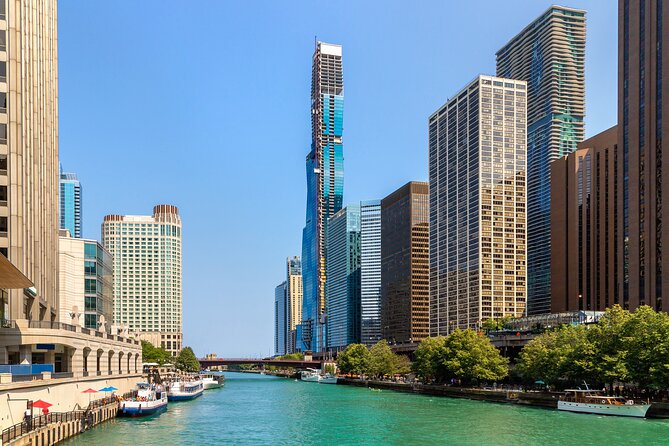
The longest part of the walk, about 50 minutes, takes place on the Magnificent Mile. This is the tour’s main stage, and it mixes famous retail names with architectural details from Art Deco through late Modernism.
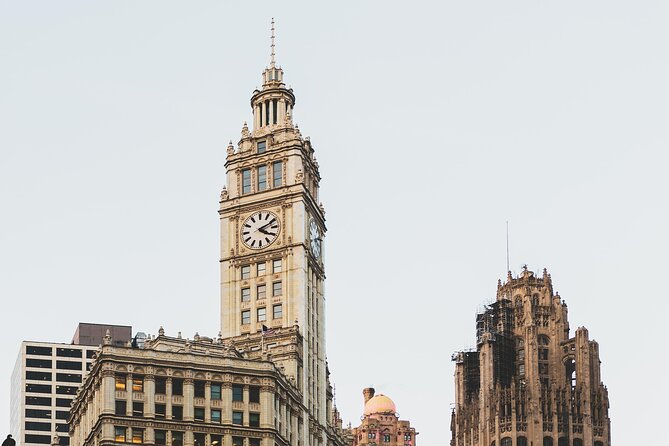
You will pass the Wrigley Building and Tribune Tower, two of the corridor’s best-known landmarks. The guide also points out Burberry’s distinctive façade, the world’s largest Starbucks retailer, and the only Harry Potter themed store in the country outside Orlando. Those details give the walk a modern, commercial edge. You are not looking only at old towers. You are seeing how global brands use architecture to attract attention and create an identity.
Luxury retail is part of the story, too. Cartier and St. Laurent appear later around the river area, while the Magnificent Mile brings high-end shopping into the wider discussion of Michigan Avenue. You can enjoy the design without planning to buy anything. That is one of the pleasures of a city walk: the storefronts become part of the public scenery.
The guide’s delivery is important here. There is a lot to absorb in 50 minutes, but Ben has been praised for making the information accessible, adding humor, and telling stories about the people who built the street and surrounding neighborhoods. That style helps keep a fact-heavy walk from feeling like a list of dates and building names.
You should still expect a brisk pace. The route covers major landmarks rather than lingering at every doorway. Wear comfortable shoes, keep your phone ready for photos, and ask questions when something catches your attention. The group is limited to 20, and the guide is expected to respond to questions, but the schedule cannot pause for long at every stop.
More Magnificent Mile tours:
- Chicago River 45-Minute Architecture Tour from Magnificent Mile
★ 4.5 · 2,924 reviews - Chicago Perfume Making Classes on Magnificent Mile
★ 5.0 · 44 reviews - Chicago Walking Tour: The Magnificent Mile
★ 5.0 · 34 reviews - Chicago Candle Making Class On Magnificent Mile
★ 4.5 · 20 reviews
The Chicago River and the city’s polished storefronts
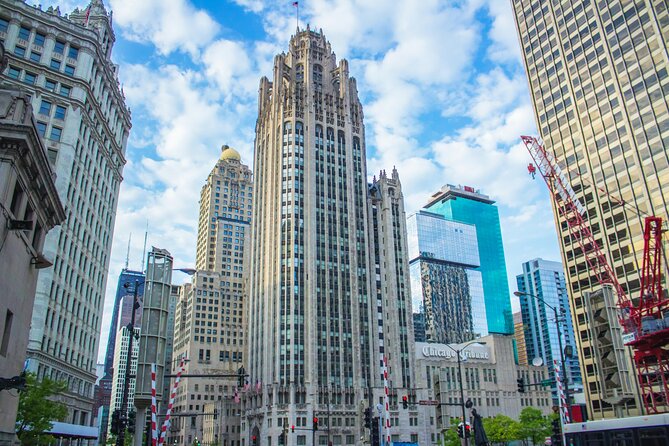
The walk returns to the Chicago River for another 20-minute section. Here, the contrast between luxury retail and everyday commercial life becomes part of the experience.
You will see storefronts associated with St. Laurent and Cartier, as well as the Esquire Theater. These names help show how the area combines shopping, entertainment, architecture, and status. You can look beyond the price tags and consider how major streets use façades, signs, entrances, and materials to shape a district’s character.
This is also a useful counterpoint to the earlier architectural discussion. Chicago’s built environment is not frozen in one period. Older design movements sit beside newer commercial work, and the result can be polished, playful, or occasionally a little overwhelming. The guide helps separate the visual noise into a story you can follow.
The tour ends at 360 Chicago, so you do not need to find your way back to the starting point. That one-way route is convenient if you want to continue north afterward, shop along Michigan Avenue, or take the observation deck upgrade.
Is the 360 Chicago upgrade worth adding?
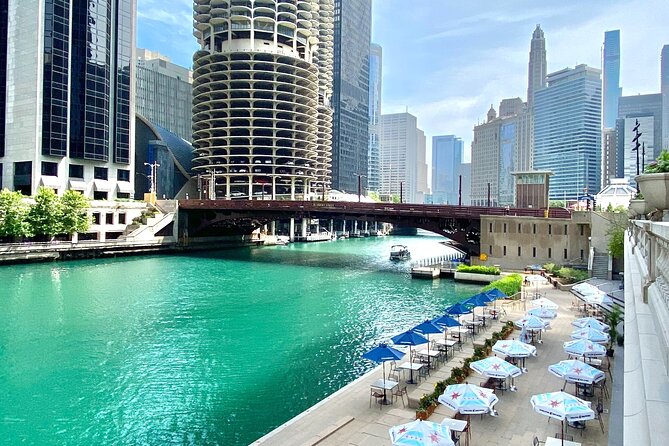
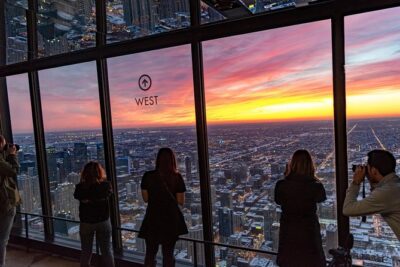
The optional 360 Chicago ticket gives you a self-guided visit to the observation deck on the 94th floor, 1,030 feet above the city. From there, you can look over the Magnificent Mile, Lake Michigan, and the wider Chicago view.
The guided walk itself lasts about two hours, while the observation deck portion is listed as about 10 minutes in the schedule. In practice, the key detail is that you are allowed to stay as long as you like after the walk if you have purchased the upgrade. That makes the deck more flexible than a timed guide-led finale.
I like the upgrade for two reasons. First, it lets you see the same streets from above after studying them from ground level. Second, you can take your time. You are not being hurried through a final group explanation.
The ticket does not include TILT, the glass-enclosed thrill ride that angles you outward from the building. You can purchase that separately on-site if you want the extra sensation. Do not assume it is part of the observation deck ticket.
The upgrade makes the most sense if you enjoy city views and want a clean finish to the route. It may be less useful if you already have another high viewpoint planned or if you prefer to spend the rest of the day at street level. Since the added price is not provided here, compare it with your plans before booking.
What the guide adds to the experience
A walking tour like this depends heavily on the person holding the microphone, and the strongest feedback centers on the guides. Ben is praised for a mix of historical facts, architectural explanation, humor, and stories about the businesspeople and pioneers who shaped the area. That combination matters because Chicago architecture can become dry when presented as a catalogue.
Ben also gives practical Chicago suggestions, which can help you decide what to see next. Chris is noted for keeping the experience interesting and explaining the material clearly. Guides can vary by date, so you should not assume that Ben or Chris will lead every departure, but their strengths show the kind of presentation to expect.
The best use of your time is to ask about buildings that interest you. A guide can explain why a façade looks the way it does, how a design movement fits into Chicago’s story, or where to continue exploring after the tour. You get more value when you treat the walk as a conversation rather than a passive march.
Who should book this Chicago walking tour?
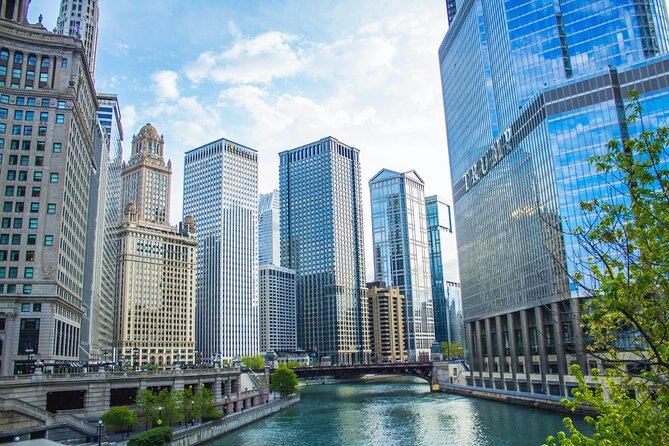
I would recommend this experience to you if you want an introduction to downtown Chicago that is focused, walkable, and full of visual detail. It suits first-time visitors who want to understand the Magnificent Mile before exploring it alone, as well as locals who enjoy hearing fresh stories about familiar streets.
It is especially good for:
- Architecture fans who want Beaux Arts, Art Deco, Chicago School, and late Modernist examples explained in context.
- Shoppers who want to understand the façades and history of Michigan Avenue, even if they are not buying luxury goods.
- Visitors with only part of a day available, since the walk takes about two hours and ends at 360 Chicago.
- Anyone who prefers a small guided group over a large sightseeing vehicle.
- People who want the option of adding a high city view without committing to it separately.
You may want a different experience if your priority is Cloud Gate, a river cruise, or a slow visit to one building. The Bean is not included, the river sections are short, and the route covers a lot of ground. This is a structured architectural walk, not a relaxed photo tour.
Most people can participate, and service animals are allowed. The meeting point is near public transportation. Since this is a walking tour with several stops, comfortable footwear and weather-ready clothing are sensible, even though the supplied details do not specify a required dress code.
Booking details that affect your day
The tour starts at 10:00 a.m. at the Federal Building Columns on East Randolph Street in Chicago. It ends at 360 Chicago, 875 North Michigan Avenue, on the 94th floor. That northbound finish can save you a return trip if the Magnificent Mile is part of your plans.
The experience is offered in English and uses a mobile ticket. Confirmation is provided when you book. It is often reserved about 22 days ahead, so do not wait until the last moment if your schedule is fixed.
Free cancellation is available when you cancel at least 24 hours before the start time. Cancellations or changes inside that window are not accepted for a refund, and the cut-off follows local Chicago time.
Should you book the Magnificent Mile Tour?
Book it if you want architecture with a guide’s voice, not just a string of photo stops. The route gives you a useful downtown framework, the guides bring humor and stories to the buildings, and the optional 360 Chicago ticket adds a flexible ending with broad city views.
Before you commit, remember the two key limits: the Bean is not included, and the walking pace is fairly purposeful. For $39, the guided portion is a good buy for curious first-time visitors, architecture fans, and anyone who wants to see Michigan Avenue with more context. Add 360 Chicago if you value the view and the freedom to stay afterward. Skip the upgrade if your day already has a high-rise lookout planned.
FAQ
How long does the Magnificent Mile tour last?
The guided walking tour lasts approximately two hours. If you add the 360 Chicago ticket, the observation deck visit is self-guided and you may stay as long as you like.
Where does the tour begin and end?
The tour begins at the Federal Building Columns on East Randolph Street in Chicago. It ends at 360 Chicago, located at 875 North Michigan Avenue on the 94th floor.
Does the tour include the Bean at Millennium Park?
No. The Bean is not a stop on this tour. Millennium Park is part of the opening area, but the experience focuses on Chicago architecture.
Is 360 Chicago included in the tour price?
The 360 Chicago ticket is included only if you select the optional upgrade. The standard guided walking tour does not include it.
Does the 360 Chicago ticket include TILT?
No. TILT is not included. You can purchase the TILT experience separately on-site.
What happens if I need to cancel?
You can receive a full refund if you cancel at least 24 hours before the experience begins. Cancellations or changes made less than 24 hours before the start time are not accepted for a refund.
Recently added around Chicago
- Travel between Chicago O’Hare and Madison★ 4.5 · 4 reviews
- Volo Auto Museum: Admission Ticket★ 4.5 · 55 reviews
- Holiday Walking Tour: Underground Chicago via the Pedway★ 5.0 · 27 reviews
- Workers Cottages of Oldtown Triangle Walking Tour★ 5.0 · 45 reviews
- Verse Immersive Holographic Theater in Chicago★ 4.5 · 28 reviews
- Vito’s Vault Chicago finest dinner theatre speakeasy★ 5.0 · 14 reviews
- Delicious Donuts & Sweet Treats: West Loop Walking Tour★ 5.0 · 47 reviews
- Traveling Spoon Chicago-Style Deep Dish Pizza Private Online Cooking Class★ 5.0 · 4 reviews
360 Chicago Observation Deck Tickets, compared.
Chicago Explorer Pass: 35+ Things To Do – Includes 360 Chicago
Read our review →
Chicago Attractions Pass: Save up to 50% – Includes 360 CHICAGO
Read our review →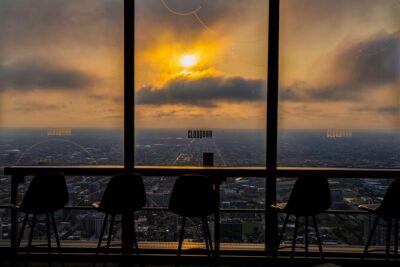
360 Chicago Observation Deck Sip and View Ticket
Read our review →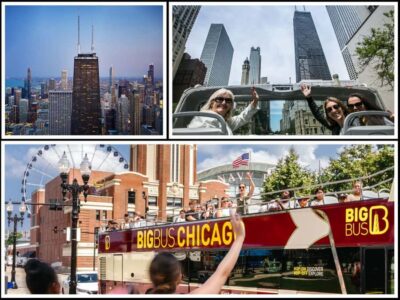
360 CHICAGO & Hop-on Hop-off Bus Tour (Save 20%)
Read our review →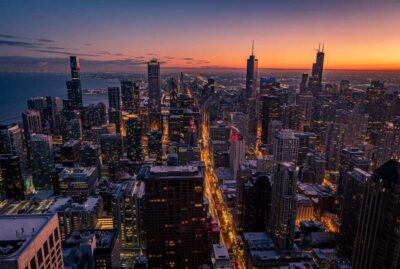
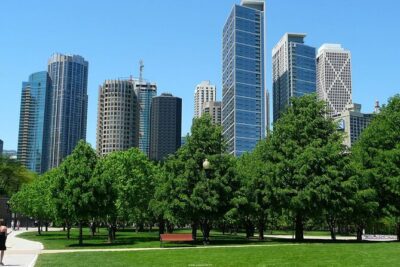
Welcome to Chicago: Private Half-Day Tour with 360 Observation Deck
Read our review →Browse the lists this tour appears in