
Reviewed · CHICAGO HISTORY TOURS
Black Heritage Tour
The most meaningful part of this tour is its focus on the route itself. You follow the path Black families took from the South into Chicago, then see how that movement shaped Bronzeville, gospel music, politics, business, and everyday life. I like that the tour connects places to causes and consequences, rather than treating them as isolated photo stops.
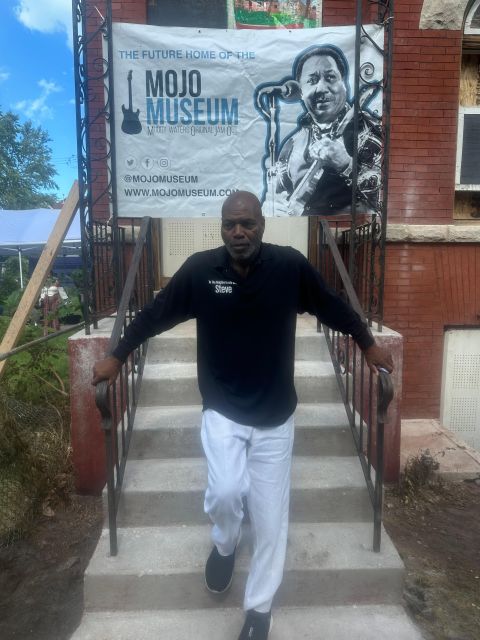
I also like the chance to ride with a small group, since 90 percent of tours seat 11 people or fewer. Guide Steve brings personal connections to the subject, including time with Operation PUSH, meetings with Jesse Jackson, and experience living across the street from leaders of the Black Muslim movement. The drawback is that the tour covers a lot in four hours, so some stops are viewed from the vehicle rather than explored at length.
Key points to know before booking
- Trace the Great Migration by road: Follow the routes and train stations tied to Black migration from the South into Chicago.
- See Bronzeville in context: Learn why this South Side district became the largest and most populated Black neighborhood in America during the early and mid-1900s.
- Meet Chicago’s gospel roots: Visit Pilgrim Baptist Church and hear about Thomas Dorsey, Mahalia Jackson, and the birth of modern gospel music.
- Expect a personal guide’s perspective: Steve draws on firsthand experiences connected to Operation PUSH and Chicago’s Black Muslim leadership.
- Small groups are common: Although the vehicle is a big bus, most departures seat 11 people or fewer.
- Plan ahead for large parties: Groups of 12 or more need to give seven days’ notice.
Following the Great Migration into Chicago
This four-hour tour gives you a moving introduction to Chicago through the route Black families took north. The Great Migration brought thousands of Black people from the South to cities such as Chicago, where they looked for work, safety, education, and a larger say in their own lives.
You begin downtown, with pickup in front of the Chicago Theater at 175 North State Street. Free pickup is also available from a downtown Chicago hotel. From there, the tour traces the path toward the historic Black neighborhoods on the South Side.
I appreciate this route-based approach because it turns Chicago’s streets into part of the story. You are not simply driven to a list of famous addresses. You hear why people came, where they settled, and how communities grew around churches, businesses, music, politics, and family networks.
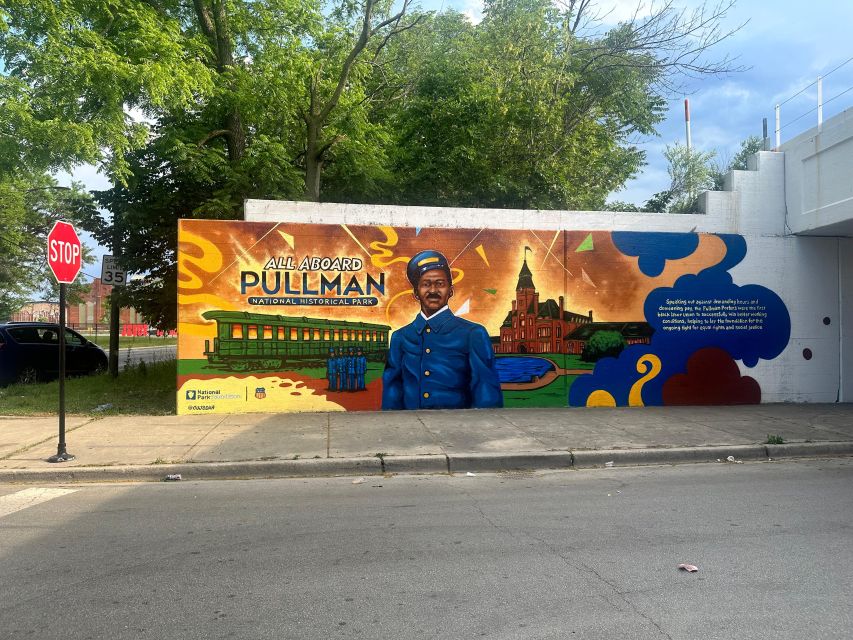
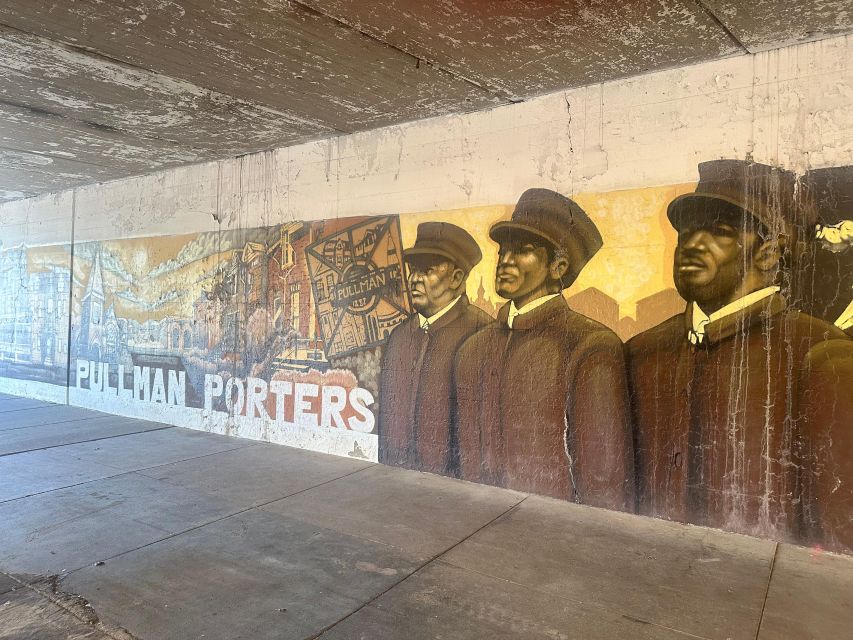
The train stations are an important part of the experience. Thousands of Black migrants arrived by rail, stepping into a city that promised opportunity but also imposed serious limits through discrimination and segregation. The tour uses those arrival points to explain how migration changed Chicago and how newcomers built strong neighborhoods despite difficult conditions.
The experience is best for someone who wants interpretation along with sightseeing. If you prefer museum displays, long indoor visits, or a walking tour with plenty of time at each building, this may feel fast. The value here comes from the guide’s explanations while you move through the city.
More history tours in Chicago:
- Chicago in a Day: Food, History & Architecture Walking Tour
★ 5.0 · 1,153 reviews - Chicago: Field Museum of Natural History Ticket or VIP Tour
★ 4.7 · 717 reviews - Field Museum of Natural History Admission Tickets
★ 4.5 · 489 reviews
Bronzeville and the center of Black Chicago
Bronzeville is the heart of the tour. During the early and middle decades of the 20th century, it became the largest and most populated Black area in America. The neighborhood was home to workers, ministers, musicians, business owners, political organizers, and families who created institutions that served the community when many other parts of Chicago were closed to them.
You go beyond the name Bronzeville and learn how the district fit into the larger migration story. The streets reflect both the promise of Chicago and the barriers Black residents faced. That balance matters. A tour about Black Chicago should not reduce the neighborhood to famous entertainers or old buildings, and this experience makes room for social and political context.
I would pay close attention to the guide’s explanations of how different areas connect. The tour follows the migration route onward to other Black neighborhoods and explains how Chicago’s Black middle class developed. That gives you a broader view than a short stop at one landmark.
There are also photo opportunities along the way. The schedule allows for guide engagement and questions, so you can ask about a particular building, neighborhood, or person as the tour unfolds. Since the exact amount of time at each stop can vary, bring questions if you want to get the most from the four hours.
Pilgrim Baptist Church and the birth of modern gospel
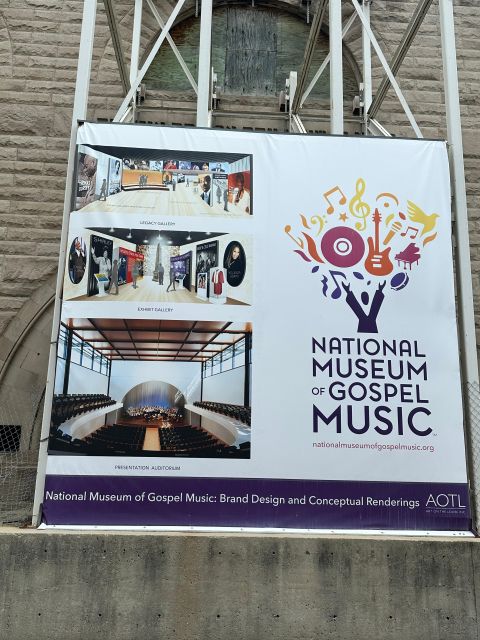
One of the most important stops is Pilgrim Baptist Church, identified here as the birthplace of modern gospel music. The church links the tour’s migration story with Chicago’s musical legacy.
The guide discusses Thomas Dorsey and Mahalia Jackson, along with other figures who helped shape gospel. Dorsey’s work brought new energy and form to religious music, while Jackson became one of gospel’s best-known voices. You hear how music grew from church life and Black community institutions, not simply from the recording industry.
This stop adds depth to the tour. Chicago’s gospel tradition is tied to worship, migration, family life, and public performance. Many people come to Chicago for blues or jazz, but gospel is just as important to understanding the city’s Black cultural identity.
You should expect explanation and sightseeing rather than a concert or a long church visit. The appeal is hearing the story while standing near a place connected to it. If music is your main interest, this may be the part you remember most.
Homes connected to Chicago’s famous names
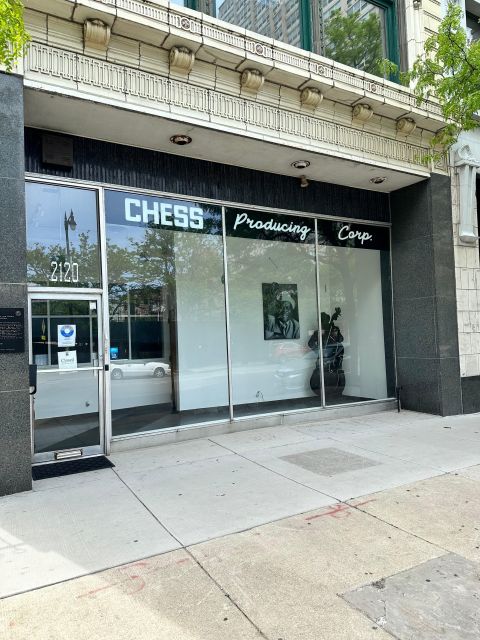
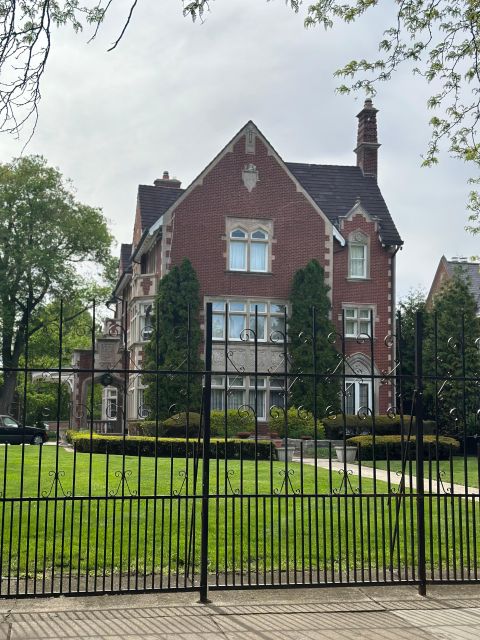
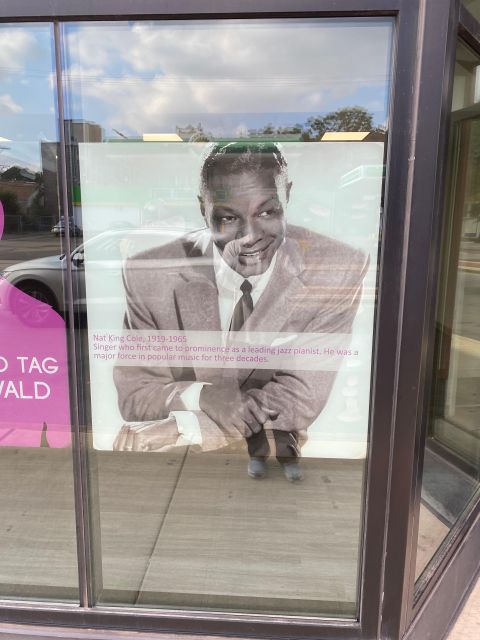
The route passes homes connected with several major Black figures, including Nat King Cole, Louis Armstrong, Muddy Waters, Jennifer Hudson, and Barack Obama. It also includes the home of Elijah Muhammad, founder of the Nation of Islam.
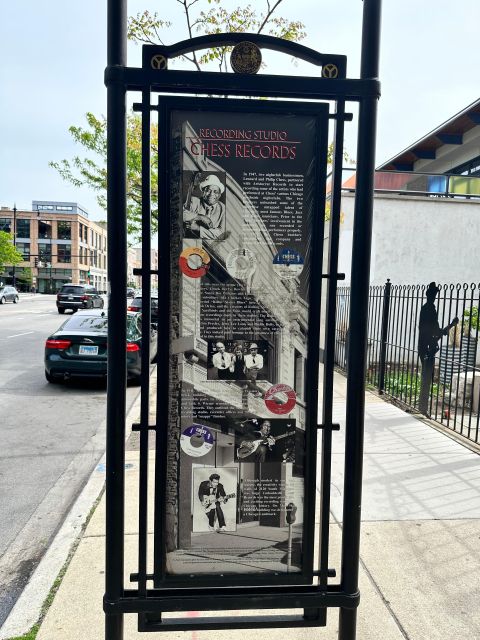
These addresses help show the range of Black life in Chicago. Nat King Cole and Louis Armstrong point to the city’s place in American music. Muddy Waters connects Chicago to the electric blues tradition. Jennifer Hudson represents a later generation of Chicago talent, while Barack Obama connects the city’s Black community to the nation’s highest office.
The Obama story is especially personal. The guide shares a firsthand account of Barack Obama giving his mother’s car a jump start. It is a small, ordinary moment, but that is why it works. Famous people can seem distant when reduced to monuments and headlines. A practical problem on a Chicago street makes the story feel human.
You will also hear that Obama was part of the Great Migration story through his family, who stepped off a train into Chicago. That connection is useful because it ties a modern political figure to the same migration pattern the tour follows from the start.
Keep in mind that passing a home is different from entering a museum. You may see the exterior and hear the story, but the focus is on context rather than a private-house visit. Be respectful with photography and remember that some places are still private residences.
Different part of the city, different kind of afternoon:
- Chicago Architecture River Cruise
★ 5.0 · 15,756 reviews - Chicago River 90-Minute Architecture Tour
★ 4.5 · 9,629 reviews - Chicago River: 1.5-Hour Guided Architecture Cruise
★ 4.8 · 8,046 reviews - Chicago: Gangsters and Ghosts Walking Tour
★ 5.0 · 7,155 reviews
A guide with personal ties to the subject
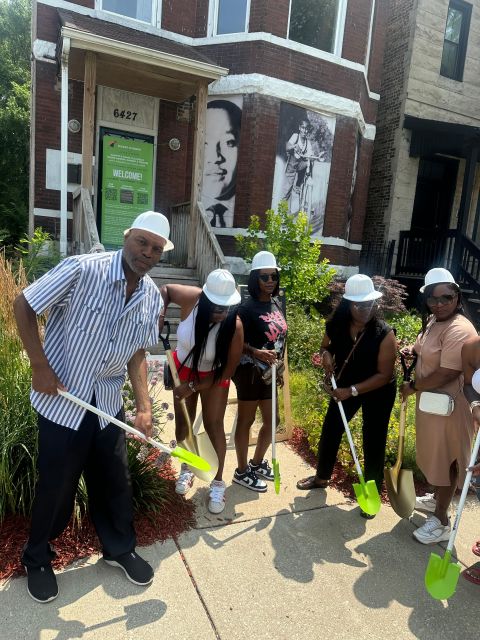
The guide’s background is one of the tour’s strongest features. Steve is described as having lived this subject, with experience connected to Operation PUSH, meetings with Jesse Jackson, and a home across the street from leaders of the Black Muslim movement.
That personal connection can change the tone of a history tour. Instead of relying only on dates and famous names, Steve can explain how movements, neighborhoods, and leaders relate to one another. The supplied feedback specifically praises him for being flexible and answering questions, which is useful on a subject that often leads to conversation.
I would use the question time well. Ask about the Great Migration, Bronzeville, gospel music, Operation PUSH, or the Nation of Islam. The tour promises insight, reasons, and analysis, so you are encouraged to ask how and why events unfolded, not just when they happened.
The personal approach also means the tour may feel less scripted than a standard sightseeing circuit. That is a benefit for curious visitors, though anyone looking for a tightly timed list of formal attractions may prefer a more conventional city tour.
Vehicle size, photos, and the four-hour pace
Although the company can use a big bus, 90 percent of departures seat 11 people or fewer. That is a useful detail. A smaller group usually makes it easier to hear the guide, ask questions, and adjust the conversation around the interests of the people onboard.
You will have several chances to take photos and speak directly with the guide. The tour is not presented as a nonstop drive, but you should still expect a vehicle-based experience with stops and views from the street.
The four-hour length is long enough to cover several neighborhoods without taking up an entire day. I see that as a good fit if you want to pair the tour with another Chicago activity. It is also long enough that the pace may feel full, especially for anyone who wants a lot of time outside the vehicle.
Custom deviation is optional. That gives you some flexibility, but the details should be confirmed before booking. A custom route may be useful if your group has a specific Chicago connection or wants to focus more closely on a certain part of the story.
Groups of 12 or more need to give seven days’ notice. This is important for family groups, church groups, school groups, and reunion parties. Smaller parties have a simpler fit, since the usual tour size is 11 people or fewer.
Is the $125 price a good value?
The price is $125 per person for four hours. That is more than a basic bus ride, but the cost includes a private-style city route, downtown pickup, a guide with personal ties to the subject, and a focused look at places that are difficult to understand without local context.
For me, the value depends on your interests. If you want a broad introduction to Black Chicago and would otherwise need to arrange transportation between Bronzeville, church sites, train routes, and residential areas, the price is reasonable. You are paying for the route, the driving, and the interpretation.
The value is weaker if you mainly want to enter attractions or spend long periods at each location. This is a moving city lesson, not a package of admission tickets. The price does not appear to include meals, museum entry, or a performance.
Downtown hotel pickup is included, and pickup from the standard meeting point is in front of the Chicago Theater. For surrounding suburbs, a standard ride-share fare applies. That extra transportation cost should be part of your budget if you are not staying downtown.
Free cancellation is available up to 24 hours before the tour for a full refund. You can also reserve and pay later, which helps if your Chicago schedule is still changing.
Who will get the most from this tour?
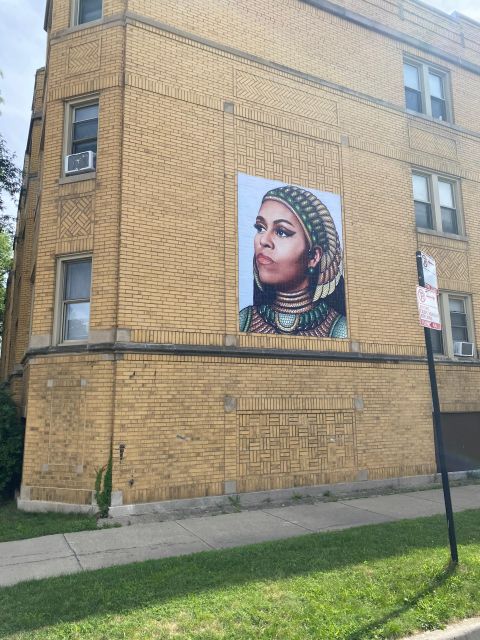
I would recommend it to adults interested in Black American history, migration, Chicago neighborhoods, gospel, jazz, blues, civil rights, or local politics. It suits people who want a guide to connect the dots between places rather than simply point out buildings.
It is also a good choice for anyone who has already seen the Loop and wants a different view of Chicago. The tour moves beyond the usual downtown attractions and explains how the city grew through Black migration and community action.
The tour is not suitable for children under 18. Families traveling with younger children need another plan. It may also be less satisfying for visitors who prefer walking, museums, or a slow architectural tour.
I would bring a phone or camera, comfortable clothes, and a short list of questions. The tour offers multiple photo chances, but its strongest feature is the conversation. A little preparation will help you connect the names and places as the route develops.
Should you book the Black Heritage Tour?
Book this tour if you want a personal, four-hour introduction to Chicago’s Black communities and the Great Migration. The combination of Bronzeville, Pilgrim Baptist Church, train routes, celebrity homes, Elijah Muhammad’s home, and Steve’s firsthand perspective gives you a wide view of the city’s Black experience.
I would be cautious only if you expect long visits inside attractions or a fully walking-based tour. Most of the experience takes place from the vehicle, and the schedule covers a lot of ground.
For a small group, the $125 price can make sense, especially with downtown pickup and the chance to ask direct questions. If you want the most from it, choose a departure with 11 or fewer people and treat the ride as an open conversation about how Chicago was shaped.
FAQ
How long is the Black Heritage Tour?
The tour lasts four hours. Starting times vary, so you need to check availability for the date you want.
Where does the tour begin?
The standard pickup point is in front of the Chicago Theater at 175 North State Street, in the 60611 area.
Is hotel pickup available?
Yes. Free pickup is available from a downtown Chicago hotel. Pickup from surrounding suburbs uses a standard ride-share fare.
What places and subjects does the tour cover?
The tour follows the Great Migration route into Chicago and includes Bronzeville, train routes connected with Black migration, Pilgrim Baptist Church, homes linked with figures such as Nat King Cole, Louis Armstrong, Muddy Waters, Jennifer Hudson, and Barack Obama, plus Elijah Muhammad’s home.
How large is the tour group?
Although the company can use a big bus, 90 percent of tours seat 11 people or fewer. Groups of 12 or more need to provide seven days’ notice.
Can I cancel or pay later?
You can cancel up to 24 hours before the tour for a full refund. Reserve now and pay later is also available.
Recently added around Chicago
- Travel between Chicago O’Hare and Madison★ 4.5 · 4 reviews
- Workers Cottages of Oldtown Triangle Walking Tour★ 5.0 · 45 reviews
- Volo Auto Museum: Admission Ticket★ 4.5 · 55 reviews
- Holiday Walking Tour: Underground Chicago via the Pedway★ 5.0 · 27 reviews
- Verse Immersive Holographic Theater in Chicago★ 4.5 · 28 reviews
- Vito’s Vault Chicago finest dinner theatre speakeasy★ 5.0 · 14 reviews
- Delicious Donuts & Sweet Treats: West Loop Walking Tour★ 5.0 · 47 reviews
- Traveling Spoon Chicago-Style Deep Dish Pizza Private Online Cooking Class★ 5.0 · 4 reviews
Chicago History Tours, compared.
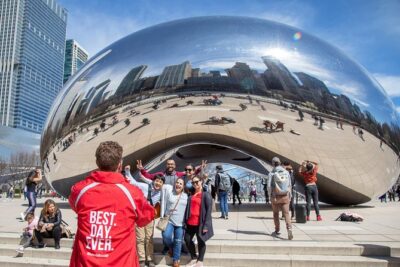
Chicago in a Day: Food, History & Architecture Walking Tour
Read our review →
Field Museum of Natural History Ticket or VIP Tour
Read our review →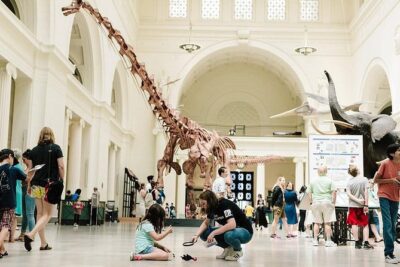
Field Museum of Natural History Admission Tickets
Read our review →
Chicago Walking Tour: Historic Treasures of Chicago
Read our review →
Historical and Architectural Chicago Fireboat River & Lake Cruise
Read our review →
Walkin’ with Colin: Chicago History-Mystery-Comedy-Tragedy Tour
Read our review →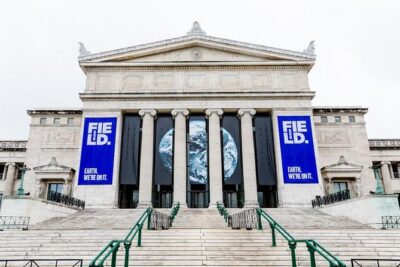
Field Museum of Natural History All-Access Pass
Read our review →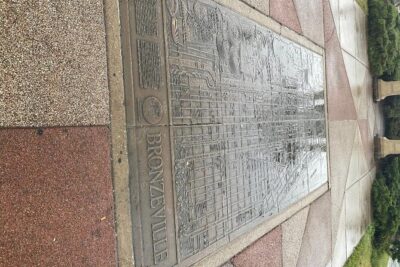
Browse the lists this tour appears in