Reviewed · TOURS
Inside Tour of Chicago’s Fine Arts Building
Chicago’s Fine Arts Building is easy to miss on Michigan Avenue, yet inside are ten floors of old corridors, studios, workshops, and stories. Built under the vision of Solon Spencer Beman, the architect behind Pullman, it offers a close look at how art and work shared one address in Chicago.
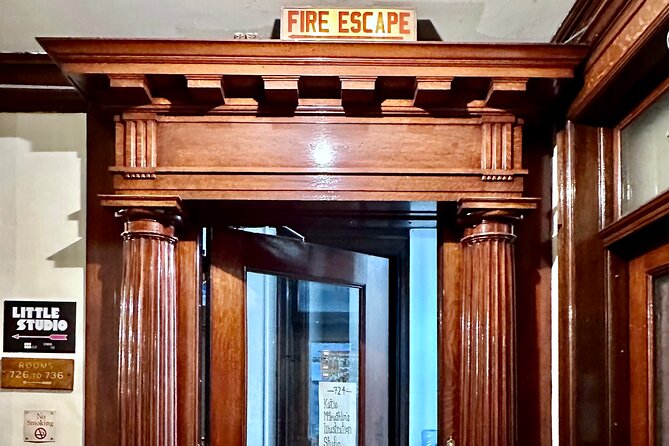
I like the preserved hallways and hand-finished details, including plaster, marble, and decorative floor tiles. I also like the chance to see working creative spaces, with the stringed-instrument workshop and former Studebaker Theatre adding real character.
The main drawback is that this is an indoor walking tour with many stairs, and the group may need patience if someone arrives late. At $45, the tour makes the most sense if you care about architecture, local stories, and places you would not discover by simply walking past the building.
Key points to know before you book
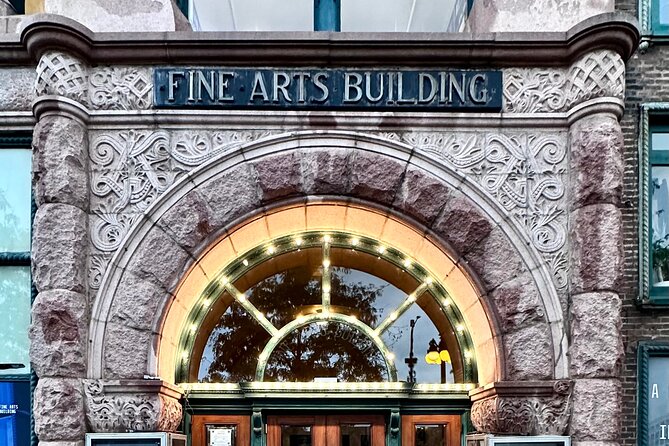
- The building dates to 1898: Much of the hallway design remains remarkably close to its original form.
- Ronnie Frey leads the tour: His storytelling focuses on the building, its architect, and notable former tenants.
- Creative work still shapes the visit: You may see spaces linked to painters, photographers, music teachers, architects, lawyers, booksellers, and instrument makers.
- The stringed-instrument workshop is a special stop: It adds a working craft element to what could otherwise be only an architecture tour.
- Expect stairs and a small group: The maximum group size is 10, but the physical pace is not ideal for everyone.
- The tour lasts about one to 90 minutes: It begins and ends at 410 Michigan Avenue at 10:00 am.
Why the Fine Arts Building makes a good Chicago stop
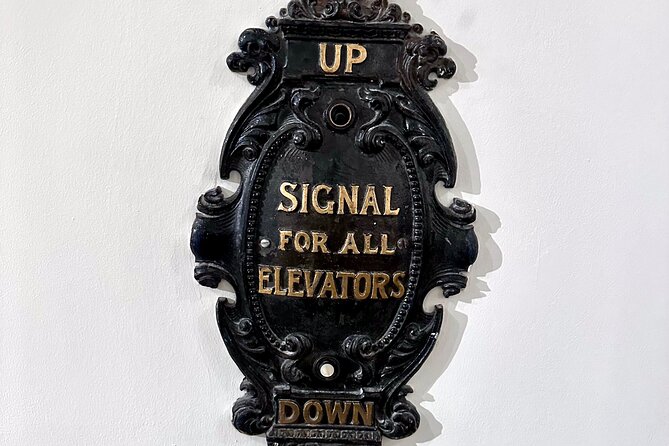
Most Chicago architecture tours focus on grand exteriors, famous towers, or the Loop seen from the street. This experience takes a different path. You go inside one building and look at how its rooms, corridors, businesses, and residents shaped its identity over time.
The Fine Arts Building was created from the former Studebaker Brothers Carriage Company showroom after the company moved in 1896. That change matters because the building was not simply designed as a quiet monument. It became a place where many kinds of creative work happened under one roof.
You can expect a mix of architecture and biography. The guide explains the building’s design, then connects it with the people who worked there. Painters, photographers, music instructors, architects, lawyers, booksellers, and makers of stringed instruments all form part of the story.
That mix gives the tour its appeal. You are not only looking at trim, tile, elevators, and stairways. You are also learning how a Chicago address became useful to people making art, teaching music, selling books, and building careers.
Other Chicago tours that go well next to this one:
- Chicago Architecture River Cruise
★ 5.0 · 15,756 reviews - Chicago River 90-Minute Architecture Tour
★ 4.5 · 9,629 reviews - Chicago River: 1.5-Hour Guided Architecture Cruise
★ 4.8 · 8,046 reviews
Entering a 125-year-old building on Michigan Avenue
The meeting point is 410 Michigan Avenue, and the experience starts at 10:00 am. The tour stays at the Fine Arts Building, ending back at the same point, so you do not need to plan for a separate pickup or finish in another part of the city.
The exterior may not prepare you for the details inside. Once you enter, the focus shifts to the building’s internal arrangement and the traces of its past. Hallways that have remained largely unchanged since 1898 help make the visit feel less like a standard city walk and more like a look behind the public face of Chicago.
Ronnie Frey leads the tour for Doorways of Chicago. His approach is personal and story-driven. He knows the building closely and has a connection to one of its spaces, which can add an insider quality to the visit. He also shares a phone link with historical photographs and related images, giving you visual context for what the building looked like and for the people tied to it.
That phone material is useful. Old buildings can be hard to read when you only see the present-day walls. Historical images let you compare earlier views with what remains now.
The architecture is in the small details
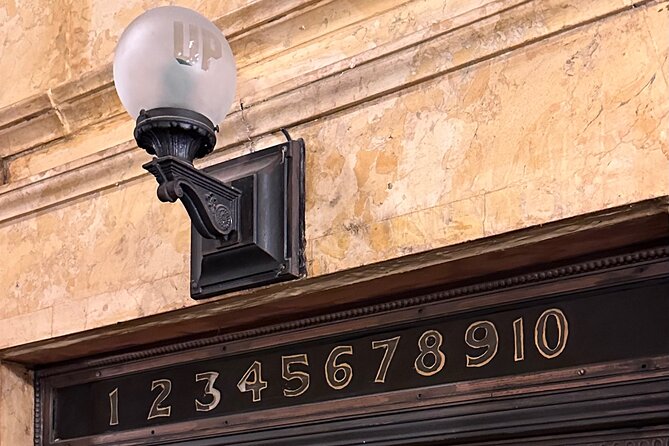
Solon Spencer Beman is the central architectural figure here. He is best known for planning the town of Pullman and for his work with the Pullman Palace Car Company. The Fine Arts Building gives you another way to understand his work, through a smaller and more intimate setting.
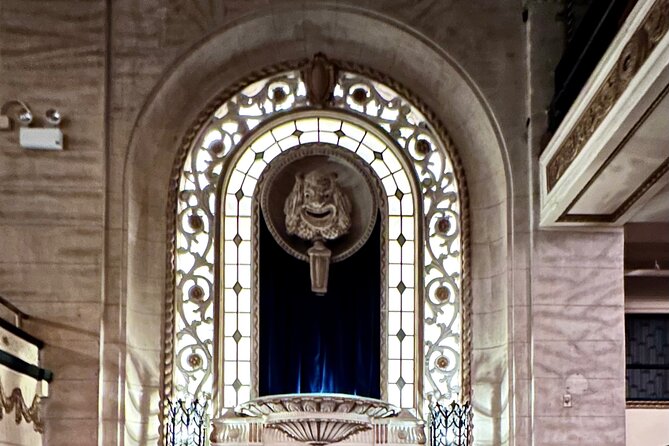
You will look at the building from the inside rather than only hearing a short biography of its architect. The route brings attention to surfaces and craftsmanship, including plaster, marble, and hand-finished floor tiles. These details reward a slower pace and a watchful eye.
I would not book this tour expecting a polished museum display. The appeal is that the building remains part of daily life. Creative workers and businesses still give the place a working character, so you are seeing historic design alongside rooms that continue to serve practical purposes.
The tradeoff is that not every part of the building may be equally easy to inspect. The tour has a set amount of time, and the building has ten floors of material to cover. One hour to 90 minutes is enough for a strong introduction, but not enough to examine every room or story in full.
The former Studebaker Theatre and creative tenants
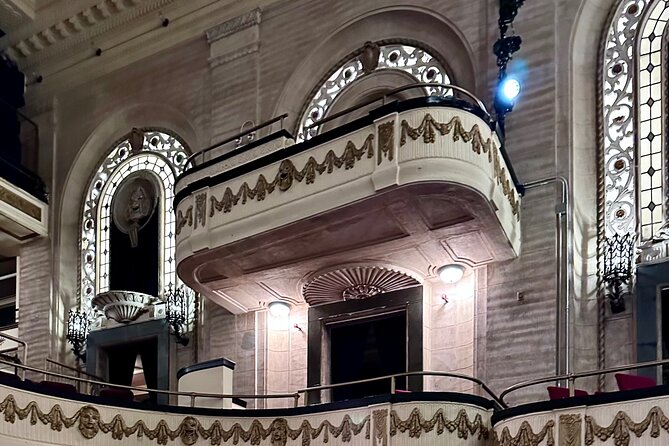
One of the more interesting parts of the route is the former Studebaker Theatre. The theater links the building to its earlier commercial life and helps explain why the address attracted artists and other creative professionals.
The Fine Arts Building was never only a place to admire. Its rooms supported work. The range of former tenants is unusually broad, from art and music to architecture, law, publishing, and photography. You may hear about well-known figures associated with the building, including Frank Lloyd Wright and Norman Rockwell.
That history gives the tour a human scale. Instead of treating the building as a shell, Ronnie connects rooms and corridors with the people who used them. You learn how a person’s workplace can become part of a city’s cultural memory.
If you enjoy biographies, this section may be the strongest part of the tour. If you prefer a strictly architectural visit, the stories of former tenants may feel like a detour, but they also explain why the building matters beyond its decoration.
Different part of the city, different kind of afternoon:
- Chicago: Gangsters and Ghosts Walking Tour
★ 5.0 · 7,155 reviews - Chicago Architecture Center River Cruise aboard First Lady
★ 5.0 · 5,536 reviews - Chicago: Willis Tower Skydeck and The Ledge Ticket
★ 4.6 · 4,350 reviews - Chicago: Architecture River Cruise Skip-the-Ticket Line
★ 4.8 · 4,325 reviews
The stringed-instrument workshop is the surprise
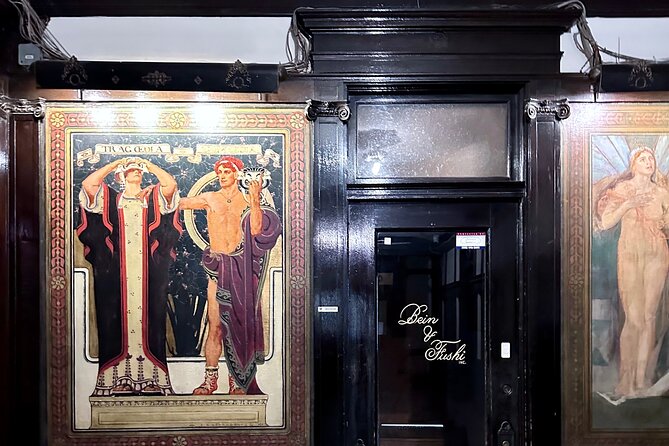
The visit to a stringed-instrument maker is one of the most distinctive elements of the experience. It adds a working craft to the architectural material and shows that the Fine Arts Building is not simply preserved for display.
You might see how a specialist business fits into the building’s long tradition of creative work. The connection between old corridors and present-day instrument making gives the tour a useful sense of continuity.
This stop also helps break up the historical narration. After hearing about architects, artists, and past tenants, seeing a craft-based business makes the building’s purpose feel more concrete. It is a place where people make and teach things, not only a place with attractive walls.
Access to working spaces can depend on conditions inside the building, so I would treat this as a valued part of the route rather than the sole reason to book. The main experience remains the building’s history and design.
Why Ronnie Frey matters to the experience
A tour of an old building can easily become a list of dates and names. Ronnie Frey gives the visit more energy by moving between architecture, personal stories, and small observations about the spaces.
His enthusiasm for Chicago and for the Fine Arts Building is a clear part of the experience. That matters here because the building is not presented as a detached landmark. Ronnie treats it as a place with an ongoing life, and his narration helps you notice the connection between past tenants and present occupants.
He also seems comfortable with repeat interest. One person who had already visited the building still found the tour useful because it supplied background and access to places that are easy to overlook. That makes the experience a good choice for someone who has walked past the Fine Arts Building before but never understood what was inside.
The tour works best when you enjoy a guide who tells stories with feeling. If you want a silent, self-paced visit, this format will be less suitable.
Stairs, elevators, and the physical pace
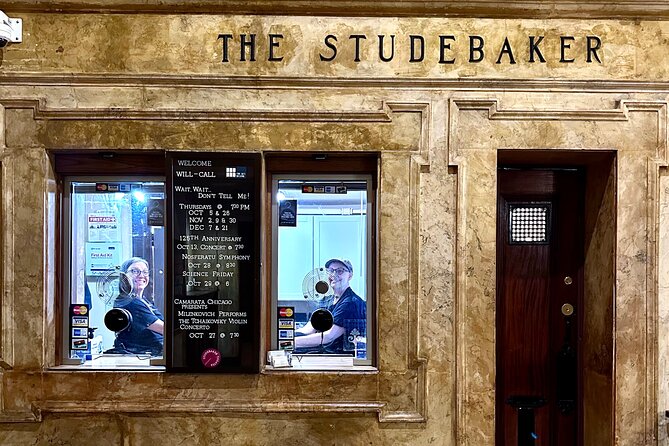
The practical warning is simple: expect stairs. Several accounts of the tour point to a lot of stair use, while one particularly memorable feature is a ride in the building’s manually operated elevator.
That elevator ride may be a highlight for architecture fans, but you should not assume it replaces the walking. The tour requires a moderate level of physical fitness, and you should be ready to move through corridors and between floors.
The small group limit of 10 people is helpful. It should make it easier to hear the guide and to look closely at details without the crowd of a large city tour. Still, a compact group can become spread out in an old building, especially if people stop to take photos or arrive after the start.
Arrive early. The tour begins at a fixed time, and late arrivals can slow the group and frustrate those who were ready to start. The building is near public transportation, so getting to the meeting point should fit easily into a Chicago sightseeing day.
Is $45 a fair price?
The price is $45 per person. That is more than you would pay to walk around Michigan Avenue on your own, but you cannot reproduce this experience simply by entering the neighborhood and looking at the exterior.
The value comes from three things: guided access inside the building, the background on Solon Spencer Beman and former tenants, and the effort required to connect architectural details with personal stories. The phone link with historic photographs adds another layer without turning the tour into a lecture.
I think the price is fair for visitors who would otherwise pass the building without knowing what they were missing. It is less compelling if your main goal is a broad survey of Chicago architecture. For that, a larger city architecture tour may cover more landmarks for a similar amount of time.
You should also remember that gratuities are not included. Tipping is optional and separate from the ticket price.
Who should book this tour?
I would recommend it to you if you enjoy:
- Chicago architecture away from the best-known landmarks
- Historic interiors and decorative craftsmanship
- Stories about artists, designers, teachers, and makers
- Small-group tours with an involved local guide
- Working creative spaces rather than buildings preserved only as museums
- A focused indoor activity on a cold or wet Chicago morning
It is also a good choice for repeat visitors. If you have already seen the Art Institute, the major Loop buildings, and the usual Michigan Avenue sights, this tour gives you a different kind of city experience.
Families with very young children may find the stories and stair use less convenient. Anyone with limited mobility should consider the physical demands before booking, since the tour requires moderate fitness and includes stairs.
Booking and cancellation details
You receive confirmation when you book, and the ticket is mobile, so you can keep the booking on your phone. The tour is generally booked about five days ahead, which suggests that planning a few days early is sensible, especially if your schedule is tight.
The experience is non-refundable and cannot be changed after booking. If poor weather causes the operator to cancel, you will be offered another date or a full refund. If the minimum number of participants is not reached, you will receive the same choice of a different date or experience, or a full refund.
The tour requires good weather even though it takes place indoors, so check for operator updates before setting out.
Should you book the Fine Arts Building tour?
Book it if you want a close look at a Chicago building that combines architecture, local biography, and working craft. The best parts are the preserved 1898 corridors, the detailed interior finishes, Ronnie Frey’s storytelling, the former theater, and the unexpected stringed-instrument workshop.
Skip it if you want a fast overview of many Chicago landmarks, need a fully step-free route, or prefer to explore without a guide. For the right visitor, $45 buys more than a look at an old interior. It gives you a way to understand how one address brought art, teaching, making, and city life together.
FAQ
Where does the Fine Arts Building tour begin?
The tour begins at 410 Michigan Avenue, Chicago, Illinois 60611, at 10:00 am.
Where does the tour end?
The activity ends back at the meeting point.
How long does the tour last?
The tour lasts approximately one hour to 90 minutes.
How much does the tour cost?
The price is $45 per person.
Who operates the tour?
Doorways of Chicago operates the experience, with Ronnie Frey serving as the guide.
How many people can join the tour?
The maximum group size is 10 participants.
Is the tour refundable if I cancel?
No. The experience is non-refundable and cannot be changed for any reason. If the operator cancels because of poor weather or because the minimum number of participants is not reached, you will be offered another date or experience, or a full refund.
Recently added around Chicago
- Travel between Chicago O’Hare and Madison★ 4.5 · 4 reviews
- Volo Auto Museum: Admission Ticket★ 4.5 · 55 reviews
- Holiday Walking Tour: Underground Chicago via the Pedway★ 5.0 · 27 reviews
- Workers Cottages of Oldtown Triangle Walking Tour★ 5.0 · 45 reviews
- Verse Immersive Holographic Theater in Chicago★ 4.5 · 28 reviews
- Vito’s Vault Chicago finest dinner theatre speakeasy★ 5.0 · 14 reviews
- Delicious Donuts & Sweet Treats: West Loop Walking Tour★ 5.0 · 47 reviews
- Traveling Spoon Chicago-Style Deep Dish Pizza Private Online Cooking Class★ 5.0 · 4 reviews
Tours, compared.

Chicago River 45-Minute Architecture Tour from Magnificent Mile
Read our review →
Big Bus Chicago: Hop-On Hop-Off Sightseeing Tour, 24/48/72hr Pass
Read our review →
Chicago Favorites Ultimate Food and Walking Tour
Read our review →