
Reviewed · CHICAGO HISTORY TOURS
Explore the Historic Old Post Office in Chicago
Chicago’s Old Post Office is far more than a handsome facade. Inside, you’ll see a grand lobby, preserved mail-era details, and a working office building that once sat empty for nearly 20 years. The tour also reaches the 3.5-acre rooftop meadow, a surprising green space above the city.
I like the clear look at adaptive reuse and the chance to enter spaces that are not normally open to the public. I also like the small details, including historic vent covers and the zig-zag wall. The main drawback is that this remains an active commercial building, so management can change the route without notice, and photography is not allowed.
Key points to know before you book
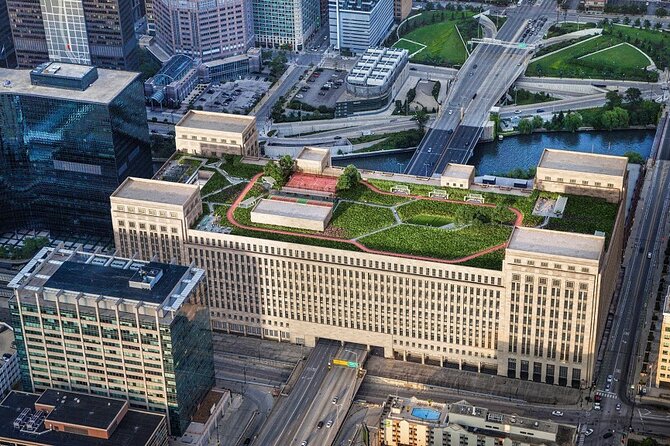
- A 1934 post office reborn: Learn how a 2.8-million-square-foot building became a modern office and event center.
- The rooftop meadow: Visit a 3.5-acre urban roof park that gives the tour its most unusual stop.
- A docent-led visit: A certified Chicago Architecture Center docent leads the 90-minute tour.
- Small-group scale: The group is limited to 21 people, which helps keep the presentation personal.
- Details worth noticing: Look for the main lobby, zig-zag wall, postcard wall, old vent covers, and preserved artifacts.
- Plan for a working building: Photography is prohibited, and the route can change because offices and events still operate here.
Why the Old Post Office is worth your time
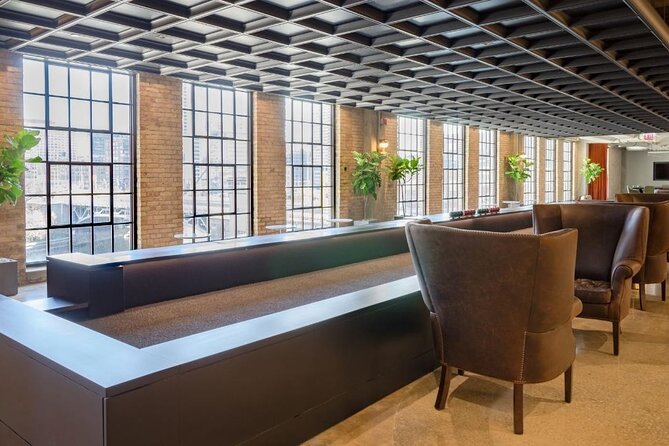
Chicago has no shortage of famous buildings, but the Old Post Office offers a different kind of architectural lesson. You are not simply looking at a preserved shell. You are seeing an old civic building put back to work as a modern office and event center.
The building was completed in 1934 and covers about 2.8 million square feet. It later sat vacant for almost two decades, a long period when its grand interior could easily have been lost or neglected. Its renovation shows how a building made for one purpose can serve a new one without wiping away its character.
That idea gives the tour a useful focus. You learn about Chicago architecture, but you also learn why adaptive reuse matters. Saving an old building is not only about protecting decorative details. It can mean finding a practical new use, updating the structure, and allowing the place to function in present-day city life.
At $15 per person, this is a good-value Chicago architecture experience if you care about buildings, urban planning, or local history. The tour lasts about 90 minutes, and the price includes a certified Chicago Architecture Center docent. You are paying for access, interpretation, and a look inside a building that is not simply open for casual wandering.
More history tours in Chicago:
- Chicago in a Day: Food, History & Architecture Walking Tour
★ 5.0 · 1,153 reviews - Chicago: Field Museum of Natural History Ticket or VIP Tour
★ 4.7 · 717 reviews - Field Museum of Natural History Admission Tickets
★ 4.5 · 489 reviews
Entering the 433 West Van Buren Street landmark
The tour begins at 433 W Van Buren Street in Chicago’s Old Post Office. The start time is 11:00 a.m., and the activity ends back at the same meeting point.
The location is near public transportation, which makes it practical to add before or after other downtown sightseeing. Give yourself enough time to reach the building without rushing. This is a large property, and arriving at the correct entrance matters more than it would at a small museum.
The building still functions as a commercial office center, so the mood is different from a standard historic house tour. You are entering a place where people work, attend events, and move through the building during the day. That gives the experience a useful sense of reality, but it also means the route must respect building operations.
A maximum of 21 people keeps the group fairly manageable. That matters in a large interior. You should be able to hear the guide and get a good view of the details without being part of a large crowd.
The main lobby and the building’s original purpose
The main lobby is the architectural centerpiece. One of the best reasons to take this tour is that the lobby is difficult to understand from photographs alone. Its scale, decorative treatment, and relationship to the rest of the building make more sense when you are standing inside it.
Your docent explains how the building served Chicago’s mail system and how its design reflected the importance of that work. The Old Post Office was built for a major public function, not as a small neighborhood postal branch. Its size and interior details reflect that civic role.
Pay attention to the way the old elements fit beside the new office design. The renovation did not turn the building into a frozen museum. Modern workspaces and updated facilities now operate within the historic structure. That contrast is the central lesson of the visit.
The guide may use printed maps and old photographs to explain how the building and postal system changed over time. These visual aids are especially useful because the building is so large. A map helps you understand the original layout, while older images show what has been preserved, altered, or adapted.
The zig-zag wall, postcard wall, and smaller details
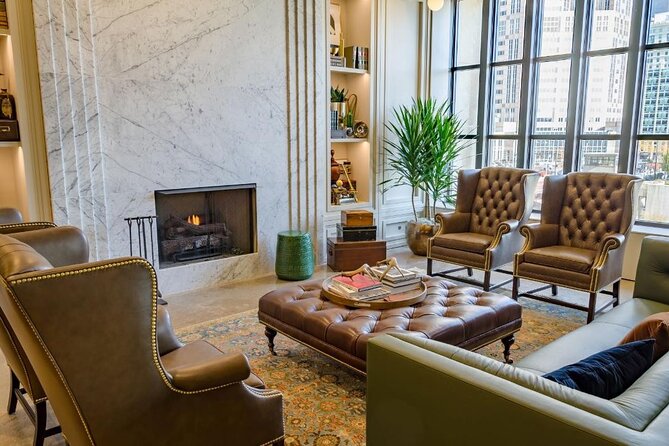
The Old Post Office tour rewards close looking. The most obvious features get your attention first, but the smaller elements explain how carefully the building was restored.
The zig-zag wall is one of the named stops. Its unusual form gives the tour a break from broad discussions of size and history. It is the sort of design feature you might pass without understanding if you explored the building alone.
The postcard wall offers another visual point of interest. It helps connect the building to the way postal service linked Chicago with the rest of the country. Your guide puts these features into context instead of leaving you to guess why they matter.
Historic vent covers are also worth watching for. They are easy to overlook, yet they show how practical building systems could receive decorative treatment. Details such as these make the building feel designed from top to bottom, rather than decorated only in the public rooms.
The tour includes historic artifacts and building details that have been incorporated into the renovated office center. For me, this is where the experience becomes more than a quick look at a pretty lobby. You begin to see the building as a working object, with structure, decoration, services, and circulation all tied together.
Different part of the city, different kind of afternoon:
- Chicago Architecture River Cruise
★ 5.0 · 15,756 reviews - Chicago River 90-Minute Architecture Tour
★ 4.5 · 9,629 reviews - Chicago River: 1.5-Hour Guided Architecture Cruise
★ 4.8 · 8,046 reviews - Chicago: Gangsters and Ghosts Walking Tour
★ 5.0 · 7,155 reviews
Seeing adaptive reuse in action
Adaptive reuse can sound like a dry planning term, but this building makes it easy to understand. The basic question is simple: how can an older structure continue serving people after its original use has faded?
Here, the answer involved a major renovation and a new role as a Class A office building, event space, and multi-use property. The building now meets the needs of modern workplaces, including the demand for large, light-filled offices. At the same time, key historic pieces remain visible.
That balance is not always easy. A renovation can preserve a facade while losing the character inside. It can also protect every old feature so rigidly that the building becomes difficult to use. The Old Post Office presents a middle path, with old details and modern functions sharing the same structure.
The docent helps you notice the decisions behind that process. You learn why certain artifacts were retained and how a vacant property could become useful again. If you enjoy architecture but do not have a technical background, the tour keeps the subject grounded in things you can see.
If your interest is mainly in postal history, be aware that this is not a full museum-style treatment of mail in Chicago. The postal past is part of a wider story about the building, its architecture, and its new life.
The rooftop meadow above Chicago
The rooftop meadow is the tour’s most unexpected feature. The roof was converted into a 3.5-acre urban park, creating open space above a building that once handled mail and now houses offices.
The meadow shows that adaptive reuse can involve more than interior decoration. The roof itself has a new function. Instead of remaining a hidden structural surface, it becomes part of the building’s public identity and a place for people to experience the property from above.
The rooftop is also a welcome change of pace after time indoors. You get a broader view of the building’s size and the city around it. On a pleasant day, this may be the most memorable section of the visit.
Keep your expectations practical. This is not described as a full botanical garden or a long independent park visit. It is one part of a guided 90-minute experience, and access can depend on building operations and management decisions.
The rooftop stop may also be affected by weather or scheduling, though no specific guarantee is provided. The itinerary can change without notice because the building remains an active commercial property. That possibility is worth accepting before you book.
What the guides add to the experience
The guide matters here because much of the value comes from explanation. The building is visually impressive, but without context you could miss why the old details matter or how the renovation changed the property.
Several guides have received strong praise for their presentations. Lorie is described as engaging and especially good at explaining details such as the vent covers. Alice has led tours focused on the building’s origin, changing purpose, architecture, and adaptive-reuse process. John is also noted for a clear, informed presentation.
Guide assignments can change, so you should not book expecting a particular person. Still, the repeated strength of the docent-led format is important. You get maps, old photographs, historical background, and a clear explanation of what you are seeing.
A good docent also helps pace the visit. In a building this large, it would be easy to spend all your time staring upward or moving from room to room without a clear story. The guide connects the lobby, decorative walls, postal function, modern office use, and rooftop park.
Practical details that affect your visit
The tour takes about one hour and 30 minutes. That is long enough to cover the main interior features and rooftop meadow without taking up half a day. It fits well into a downtown itinerary, especially if you want an indoor activity with a strong architectural focus.
The $15 price includes the guided visit but not food or drink. There is no coat check, and the property cannot store luggage or strollers. Travel light and avoid arriving with bags you need to leave somewhere.
Photography is not allowed. This is a significant consideration if you normally document every stop. You will need to rely on your memory and the guide’s explanation rather than photographing the lobby, walls, or rooftop.
Service animals are allowed, and the building is near public transportation. Pets are not allowed. Most people can take part, but the supplied details do not describe specific accessibility arrangements, so contact the provider if you have mobility or access questions.
Free cancellation is available if you cancel at least 24 hours before the 11:00 a.m. start time. Cancellations or changes made less than 24 hours ahead are not refunded or accepted. The cut-off uses Chicago local time.
Who should take this Chicago architecture tour?
I would choose this tour if you like buildings that show both history and present-day use. It suits architecture fans, design students, urban planners, and anyone curious about what happens to large old properties after their original purpose disappears.
It is also a good choice if you have already seen Chicago’s famous skyline and want to look at the city from a different angle. The rooftop meadow and the building’s working office role give you a story that is less familiar than a standard observation deck visit.
Families with older children may find the scale and transformation interesting, though the no-photo rule and guided format may not suit very young children. The visit is best for anyone willing to listen, look closely, and follow the group through a commercial property.
I would skip it if you want a flexible, self-guided museum visit, a food stop, or guaranteed access to every part of the building. The route can change, photography is prohibited, and the building’s management has final say over the itinerary.
Should you book the Old Post Office tour?
Book it if you want a focused, affordable look at one of Chicago’s largest adaptive-reuse projects. The main lobby, zig-zag wall, postcard wall, preserved details, and rooftop meadow create a strong 90-minute visit, while the docent gives you the context needed to understand what you are seeing.
The strongest reason to go is the combination of access and explanation. You can enter non-public areas, see a building that was once close to being lost, and learn how it now supports modern offices and events.
At $15, it offers solid value, especially for architecture fans. Just arrive ready for a working building, leave your camera behind, and keep your schedule slightly flexible in case management changes the route. If those conditions suit you, the Old Post Office is a smart addition to a Chicago itinerary.
FAQ
Where does the Old Post Office tour begin?
The tour begins at the Old Post Office, 433 W Van Buren Street, Chicago, Illinois 60607.
What time does the tour start?
The scheduled start time is 11:00 a.m.
How long does the tour last?
The tour lasts approximately one hour and 30 minutes.
Is the tour guided?
Yes. A certified Chicago Architecture Center docent leads the tour.
Can I take photographs inside the building?
No. Photography is not allowed during the tour.
Can I cancel for a full refund?
Yes, if you cancel at least 24 hours before the experience start time. Cancellations and changes made less than 24 hours before the start are not refunded or accepted.
Recently added around Chicago
- Travel between Chicago O’Hare and Madison★ 4.5 · 4 reviews
- Volo Auto Museum: Admission Ticket★ 4.5 · 55 reviews
- Holiday Walking Tour: Underground Chicago via the Pedway★ 5.0 · 27 reviews
- Workers Cottages of Oldtown Triangle Walking Tour★ 5.0 · 45 reviews
- Verse Immersive Holographic Theater in Chicago★ 4.5 · 28 reviews
- Vito’s Vault Chicago finest dinner theatre speakeasy★ 5.0 · 14 reviews
- Delicious Donuts & Sweet Treats: West Loop Walking Tour★ 5.0 · 47 reviews
- Traveling Spoon Chicago-Style Deep Dish Pizza Private Online Cooking Class★ 5.0 · 4 reviews
Chicago History Tours, compared.
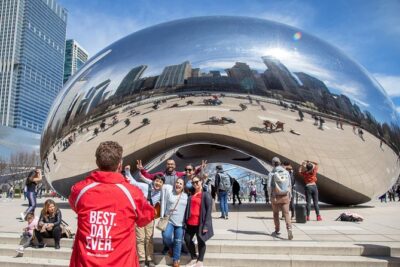
Chicago in a Day: Food, History & Architecture Walking Tour
Read our review →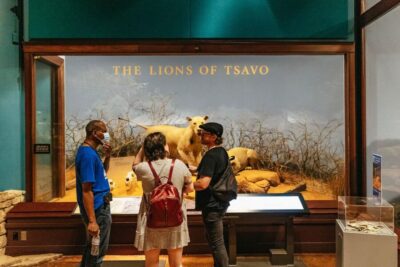
Field Museum of Natural History Ticket or VIP Tour
Read our review →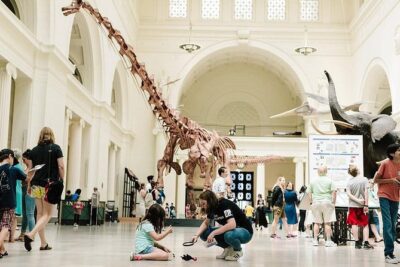
Field Museum of Natural History Admission Tickets
Read our review →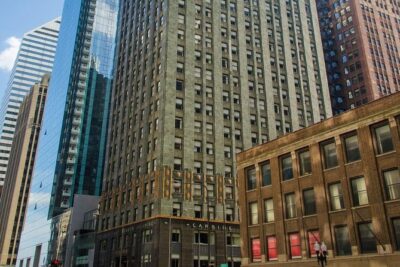
Chicago Walking Tour: Historic Treasures of Chicago
Read our review →
Historical and Architectural Chicago Fireboat River & Lake Cruise
Read our review →
Walkin’ with Colin: Chicago History-Mystery-Comedy-Tragedy Tour
Read our review →
Field Museum of Natural History All-Access Pass
Read our review →
Browse the lists this tour appears in