
Reviewed · CHICAGO SKYSCRAPER INTERIOR TOURS
Chicago: Evolution of the Skyscraper Walking Tour
Chicago’s skyscraper story makes the most sense when you walk it in order. This 90-minute tour links the Chicago River, the Great Fire, changing styles, and new building technology into one clear downtown narrative. I like the chronological route and the way it connects buildings to the people and business needs behind them. I also like that your guide is trained by the Chicago Architecture Center, the city’s leading architecture authority.
The main consideration is pace. You cover several blocks around the river and Michigan Avenue, so this is not a sit-down lecture or a close look inside every building. The tour runs rain or shine, and there is no luggage or stroller storage. Bring a face covering if required for your visit, and leave large bags and pets behind.
Key points to know before you go
- Chicago’s growth unfolds in building order: You follow the city from river settlement to commercial powerhouse, rather than jumping randomly between famous towers.
- The Great Fire gets its proper place: The tour explains how destruction led to rebuilding and new ideas about height, materials, and city planning.
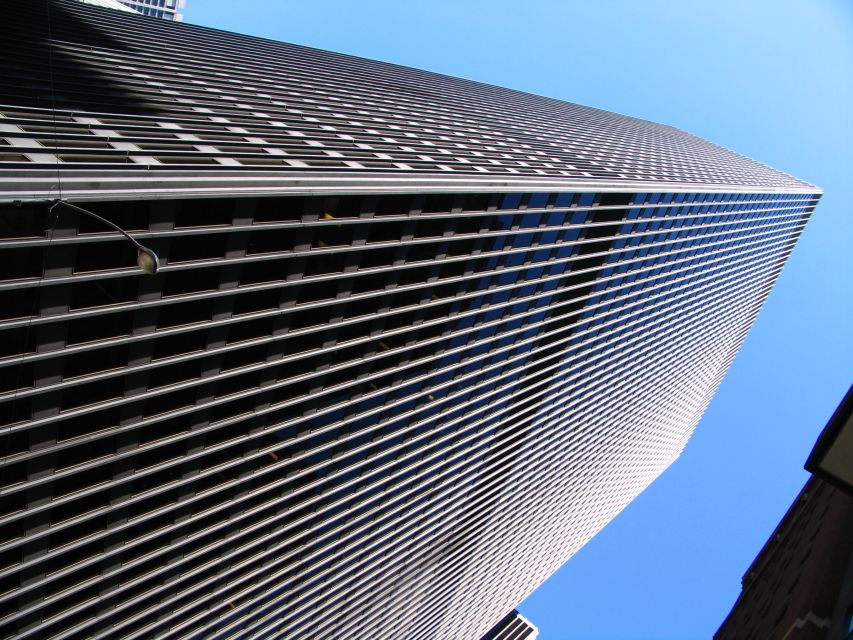
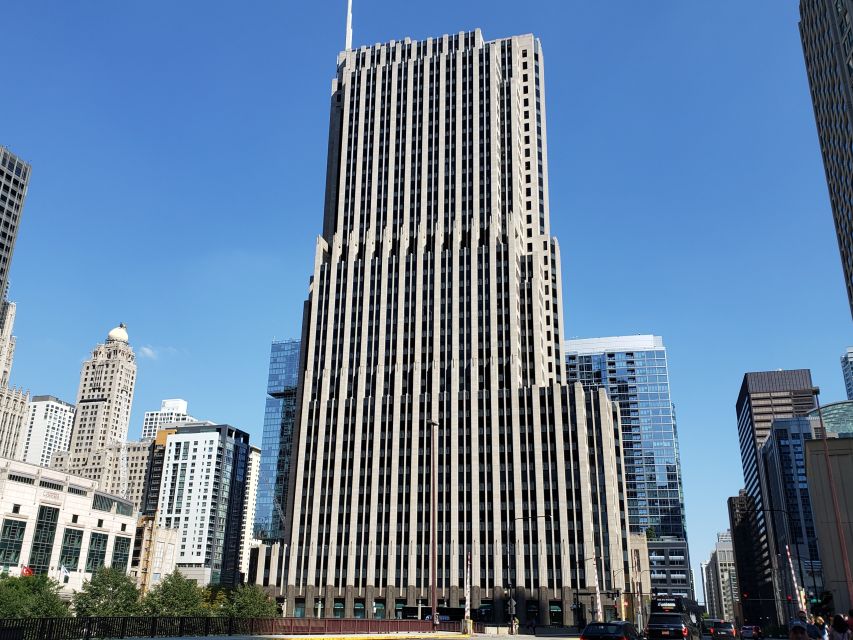
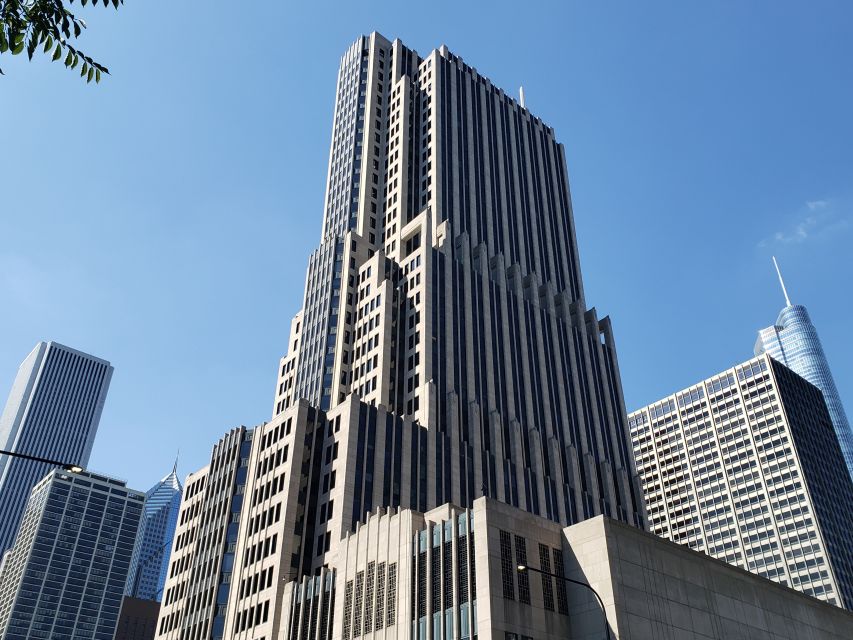
- Several distinct styles appear on one walk: Look for the Page Brothers Building, Old Dearborn Bank, Chicago Motor Club, Carbide and Carbon Building, and NBC Tower.
- Mitch has led a particularly detailed version: One highly rated outing with Mitch covered the river and Michigan Avenue area and allowed plenty of questions.
- Your ticket supports local programs: Admission helps fund Chicago Architecture Center education projects, including Girls Build!, Teen Fellows, and Open House Chicago.
- The Chicago Architecture Center is part of the experience: Your ticket includes admission to its exhibits, including a miniature model of the Chicago Loop.
Why Chicago’s skyscraper story works best on foot
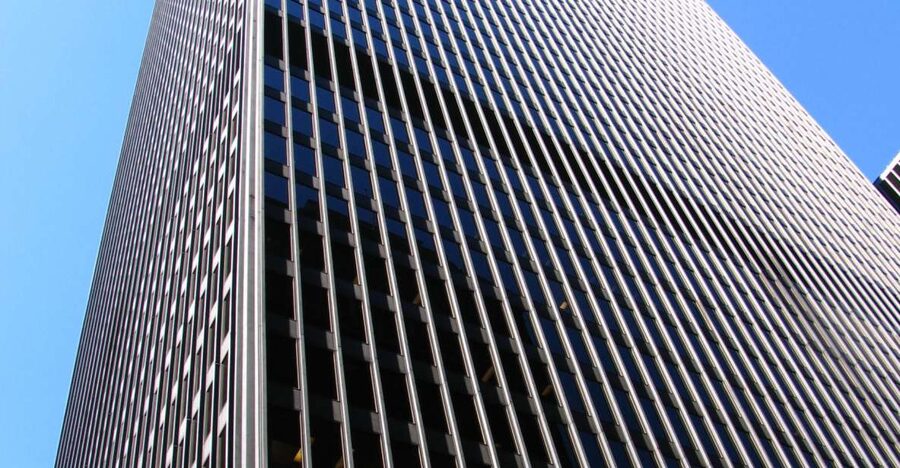
A boat cruise gives you a grand view of Chicago’s riverfront. This walk gives you a different kind of understanding. You pause at street level, look up at façades, and see how each generation responded to the last one.
That matters because Chicago’s architecture is not a pile of unrelated landmarks. The city’s buildings reflect changing technology, fashions, business demands, and civic ambition. A chronological route helps you notice those links. An older bank building can explain one stage of commercial growth, while a later tower shows how engineers and designers handled greater height and new materials.
I like this format for a first visit because it gives you a usable framework. Afterward, you can walk around downtown and recognize why a building looks the way it does. You are not just collecting names. You are learning to read the city.
The tour begins inside the Chicago Architecture Center at 111 E. Wacker Drive. That is a useful starting point, especially if you have not yet found your bearings along the river. The Center itself has exhibits and a miniature model of the Chicago Loop, giving you a helpful overview before you step outside.
More skyscraper interior tours in Chicago:
- Original Chicago Architecture Interiors Tour: Dazzling Interiors
★ 5.0 · 1,489 reviews - Chicago’s Secret Interiors Architectural Walking Tour
★ 5.0 · 635 reviews - Chicago: Secret Interiors Architecture Walking Tour
★ 4.9 · 498 reviews
Beginning at the Chicago River
The Chicago River is the opening chapter. The city grew around this waterway, and the tour uses that setting to explain how Chicago developed from a strategic river location into a major commercial center.
Your guide connects the city’s physical growth to its business life. That is one of the strongest parts of the tour’s design. Instead of treating architecture as decoration, the walk shows you how buildings answered practical needs. Banks, offices, transportation interests, and commercial firms all required new kinds of space.
This beginning also gives the rest of the walk a clear purpose. You see why downtown became so important, then watch its buildings change as the city expanded. The river setting adds useful perspective, since you are standing close to the route that helped shape Chicago’s early growth.
Do not expect an extended river cruise or a tour focused only on the waterfront. The river is the starting point for the story, not the entire subject. The route continues toward Michigan Avenue and other nearby downtown streets.
Rebuilding after the Great Chicago Fire
The Great Chicago Fire is a major turning point in the tour. After the destruction, Chicago had to rebuild, and that rebuilding created room for new architectural thinking.
Your guide explains the fire as part of a larger story about materials, engineering, and urban ambition. The key point is not simply that the city was damaged. It is that reconstruction pushed architects and builders to reconsider how downtown structures should be designed.
This is where the idea of the skyscraper begins to feel less like a single invention and more like a series of solutions. New construction methods allowed buildings to rise higher. Commercial growth created demand for more offices. Design styles changed as architects tested what the new technology could do.
I appreciate that the tour places this period between the river’s early importance and the later towers. Without that bridge, Chicago’s tall buildings can look like isolated marvels. With it, you can see them as part of a long response to fire, land pressure, business, and technology.
Reading the Page Brothers Building and Old Dearborn Bank
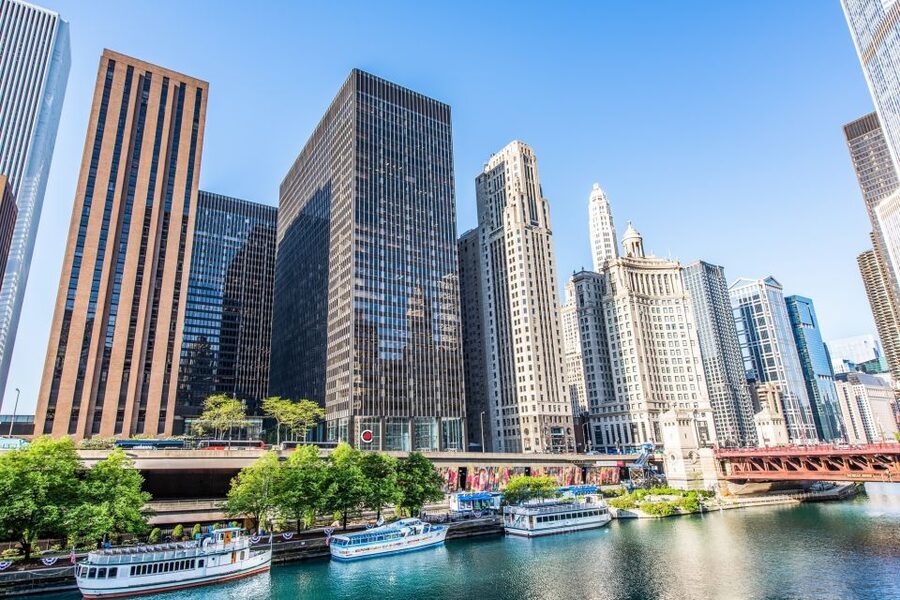
The Page Brothers Building and Old Dearborn Bank help make the early part of the story concrete. You are not only hearing about old Chicago. You are looking at specific buildings in the order they were constructed and considering what their designs reveal.
The Page Brothers Building gives you an early example of the city’s commercial architecture. Your guide points out details that may be easy to miss when you pass on your own. The goal is to understand the building’s place in Chicago’s development, not just to admire its exterior.
Old Dearborn Bank shifts the focus toward finance and downtown business. A bank building tells you something about the confidence and commercial power Chicago wanted to project. Its design also reflects the period in which it was built, allowing you to compare it with neighboring structures from different eras.
These stops are most useful if you enjoy connections. You will not spend a long time inside each building, and the tour does not promise interior access. Instead, you get a guided look at the exterior, the surrounding streets, and the forces that shaped the buildings.
More walking tours in Chicago:
- Chicago: Gangsters and Ghosts Walking Tour
★ 5.0 · 7,155 reviews - Chicago Favorites Ultimate Food and Walking Tour
★ 5.0 · 1,962 reviews - Chicago: Gangsters and Ghosts Guided Walking Tour
★ 4.7 · 1,697 reviews - Chicago in a Day: Food, History & Architecture Walking Tour
★ 5.0 · 1,153 reviews
Following technology through the Chicago Motor Club
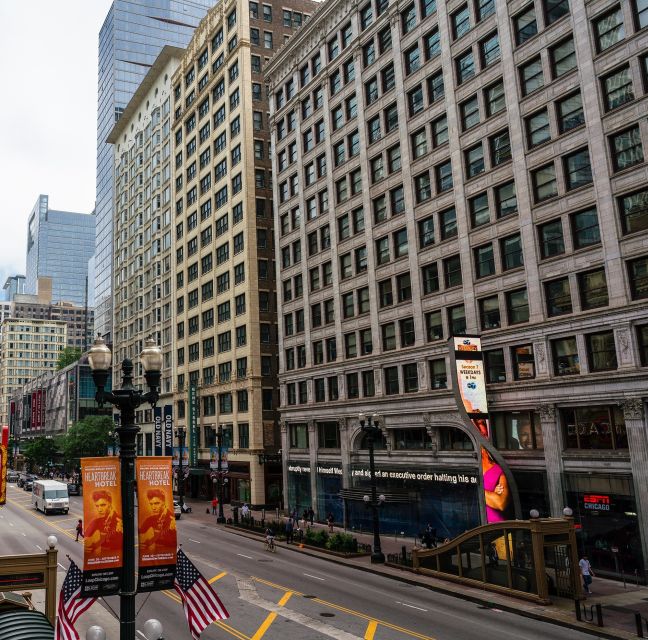
The Chicago Motor Club marks another stage in the city’s architectural and cultural development. By this point, the tour has moved beyond the earliest commercial buildings and into a period when new industries and modern life influenced design.
The building helps show how architecture responded to changing interests. Chicago was no longer only a river and banking center. It was developing into a wider commercial and cultural hub, and its buildings began to express that broader identity.
This is a good place to pay attention to the guide’s explanations rather than relying on photographs alone. A façade can appear simply decorative until you understand the organization or technology behind it. The tour asks you to look at style and function together.
One advantage of a certified Chicago Architecture Center guide is the chance to ask questions as you go. A previous participant particularly enjoyed being able to ask questions during the walk. That makes this a better choice than a self-guided route if you want clarification about a detail you notice.
The Carbide and Carbon Building and changing fashion
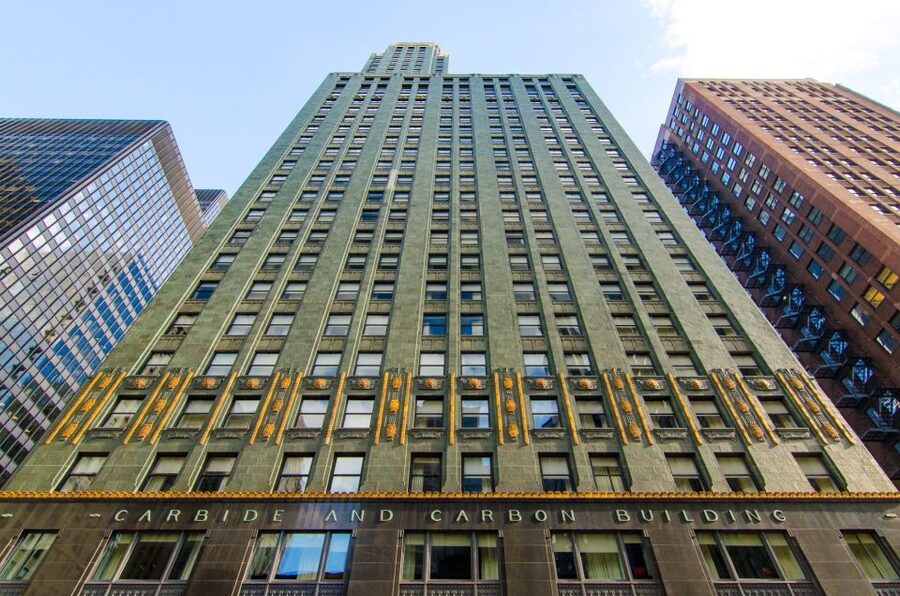
The Carbide and Carbon Building gives the walk a dramatic stylistic change. Its design reflects the fashions of its era and shows that Chicago’s skyscrapers were not built from one fixed architectural formula.
This is one of the tour’s clearest lessons: engineering made height possible, but style gave each generation a way to express what that height meant. Some buildings project restraint and financial seriousness. Others use ornament, color, or strong geometric forms to announce modernity and confidence.
You see these differences close up on foot. From a boat, the skyline can blur into one grand view. At street level, you can stop and compare materials, shapes, details, and proportions. I find that especially valuable around buildings whose upper sections are easy to miss from a moving vessel.
The tour does not treat the Carbide and Carbon Building as an isolated photo stop. It places the building within the wider sequence, so you can see how the city’s design language changed from earlier commercial structures to later towers.
NBC Tower and Chicago’s commercial identity
NBC Tower brings the story toward a more recent stage of Chicago’s development. Its presence helps explain how the city continued to adapt as offices, media, and large commercial organizations shaped downtown.
By this point, you have seen architecture respond to river commerce, rebuilding, finance, transportation, and changing technology. NBC Tower adds another layer, showing how the city remained a working commercial center while architectural styles continued to shift.
The route’s strength is its range. In 90 minutes, you get a compact sequence of important buildings rather than an exhaustive survey of every landmark. That means some places receive only a brief explanation, but the payoff is a clearer sense of the city as a whole.
If you have already taken a Chicago river cruise, this walk still adds something different. One participant who had done boat tours before found the walking tour rewarding because it offered more direct contact with the buildings and room for questions. I would pair the two rather than treating them as duplicates.
What the 90-minute timing feels like
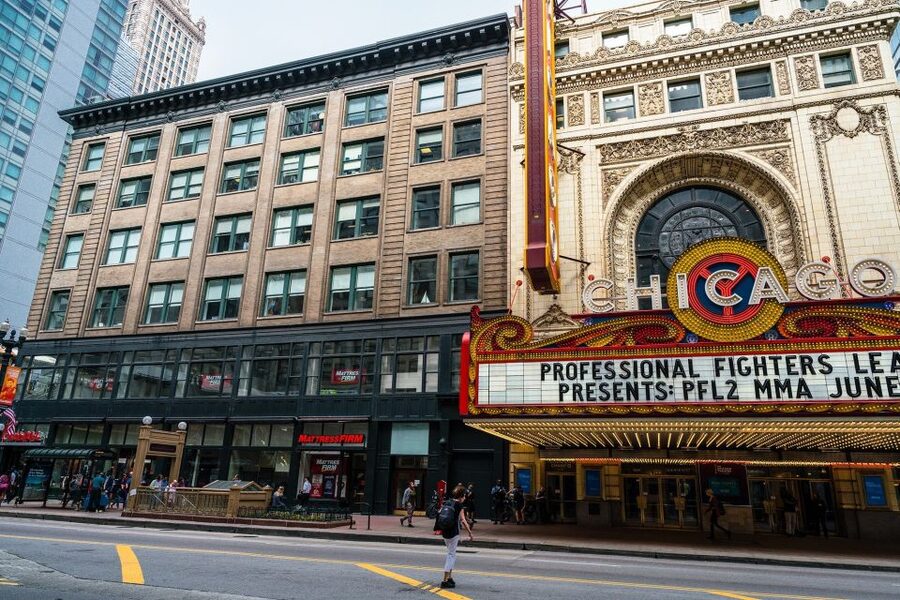
Ninety minutes is long enough to build a meaningful story but short enough to fit into a busy downtown day. You can schedule it before lunch, between other Loop activities, or early in a Chicago visit to help shape the rest of your sightseeing.
The route covers several blocks around the Chicago River and Michigan Avenue. Wear comfortable shoes and expect to remain outdoors for the duration. There is no hotel pickup or drop-off, so you need to make your own way to the Chicago Architecture Center.
The short format also keeps the tour focused. You will not get a detailed architectural lecture on every building, and you will not see every famous tower in Chicago. Instead, you receive an introduction to the major stages of the city’s architectural development.
Rain does not cancel the tour, and no refunds are provided because of weather. That is worth taking seriously. Bring suitable clothing and plan for changing conditions. The walk is not designed for pets, though service animals are welcome.
Is $35 good value for one person?
The listed price is $35 per group up to one person, so confirm the exact booking terms before paying if you are reserving for more than one participant. For a solo visitor, the value is reasonable because the price includes the 90-minute guided walk and admission to the Chicago Architecture Center exhibits.
You are also paying for interpretation, not just access to a route. Anyone can walk past the Page Brothers Building or NBC Tower. A guide helps you understand why those buildings matter and how they fit into the city’s growth.
The nonprofit connection adds another practical point. Chicago Architecture Center ticket revenue supports education and community programs such as Girls Build!, Teen Fellows, and the Newhouse Architecture + Design Competition. It also helps keep programs such as Open House Chicago free.
That does not make the tour automatically right for everyone. If you prefer to explore at your own speed, stop often for photographs, or spend a long time inside each landmark, you may find the scheduled walk too structured. If you want a clear introduction with an expert guide, the price is easier to justify.
Who will get the most from this walk?
I would choose this tour for a first-time Chicago visitor who wants context before exploring more of downtown. It is also a good fit if you have already seen the skyline from the river and now want to understand the buildings at street level.
Architecture students, design fans, and anyone interested in city growth should find plenty to hold their attention. The chronological setup gives you a useful sequence, while the range of buildings shows how style and engineering changed together.
Families with older children may also appreciate the straightforward story of fire, rebuilding, business, and taller buildings. The walk is less suitable for anyone who needs secure stroller or luggage storage, since neither is available at the meeting point.
English is the only listed tour language. That is another factor to weigh if you need a different language. The guide is live, so you can listen and ask questions rather than relying on an audio recording.
Booking details that matter
Meet inside the Chicago Architecture Center at 111 E. Wacker Drive, Chicago, Illinois 60601. Check the available starting times when you book, since the tour schedule can vary.
You can cancel up to 24 hours before the start time for a full refund. A reserve now and pay later option is available, which helps if your Chicago plans are still shifting.
Leave large bags and luggage behind. The Center cannot provide secure storage for luggage or strollers, and there is no coat check. Pets are not allowed, although service animals are welcome.
The ticket includes admission to the Center’s new exhibits. I would allow a little time around the tour to look at the displays and the miniature Chicago Loop model, particularly if you want a broader visual picture of the downtown area.
Should you book the Evolution of the Skyscraper walk?
Book it if you want Chicago architecture explained as a connected story rather than a list of famous façades. The strongest features are the chronological route, the mix of buildings, the Great Fire and river context, and the chance to ask a certified guide questions as you walk.
I would especially recommend it early in your stay, before you spend more time around the Loop. It gives you a sharper eye for the city and helps a later river cruise or independent walk make more sense.
Skip it if you want interior visits, a relaxed photo tour, or a route that continues regardless of weather without concern. But if a focused 90-minute introduction suits your plans, this is a practical, worthwhile way to meet Chicago’s skyscrapers at street level.
FAQ
Where does the walking tour begin?
The tour begins inside the Chicago Architecture Center at 111 E. Wacker Drive, Chicago, IL 60601.
How long does the tour last?
The walking tour lasts 90 minutes.
What language is the tour offered in?
The live tour guide conducts the tour in English.
Is admission to the Chicago Architecture Center included?
Yes. The ticket includes admission to the Chicago Architecture Center exhibits.
Can I cancel for a full refund?
Yes. You can cancel up to 24 hours in advance for a full refund.
Does the tour run in bad weather?
Yes. Tours depart rain or shine, and refunds are not provided because of weather.
Can I bring luggage, a stroller, or a pet?
No. Secure storage is not available for luggage or strollers, and pets are not allowed. Service animals are welcome.
Recently added around Chicago
- Travel between Chicago O’Hare and Madison★ 4.5 · 4 reviews
- Volo Auto Museum: Admission Ticket★ 4.5 · 55 reviews
- Holiday Walking Tour: Underground Chicago via the Pedway★ 5.0 · 27 reviews
- Workers Cottages of Oldtown Triangle Walking Tour★ 5.0 · 45 reviews
- Verse Immersive Holographic Theater in Chicago★ 4.5 · 28 reviews
- Vito’s Vault Chicago finest dinner theatre speakeasy★ 5.0 · 14 reviews
- Delicious Donuts & Sweet Treats: West Loop Walking Tour★ 5.0 · 47 reviews
- Traveling Spoon Chicago-Style Deep Dish Pizza Private Online Cooking Class★ 5.0 · 4 reviews
Chicago Skyscraper Interior Tours, compared.
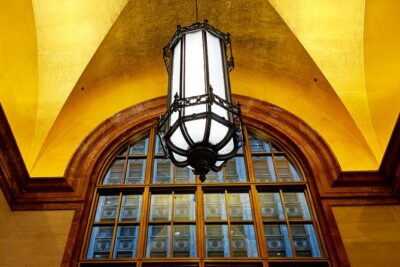
Original Chicago Architecture Interiors Tour: Dazzling Interiors
Read our review →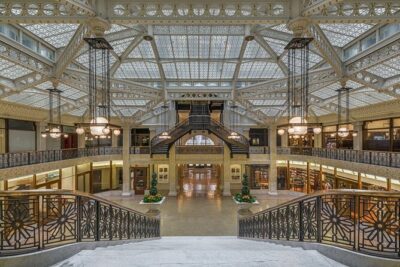
Chicago’s Secret Interiors Architectural Walking Tour
Read our review →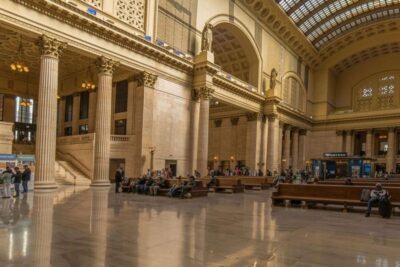

Chicago Walking Tour: Art Deco Skyscrapers Loop
Read our review →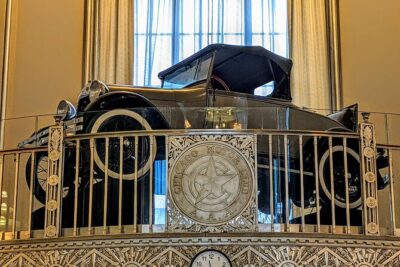
Chicago Architecture Walking Tour: Incredible Art Deco Interiors
Read our review →
Chicago Walking Tour: Art Deco Skyscrapers Riverfront
Read our review →
Chicago’s Original Dazzling Architectural Interiors Tour
Read our review →Browse the lists this tour appears in