
Reviewed · CHICAGO FOOD TOURS
Chicago’s Chinatown Food and Walking Tour
Chicago’s Chinatown is best understood one bite at a time. This three-hour walk links family restaurants, bakeries, public art, and landmarks within a compact part of the neighborhood, giving you both a hearty meal and a useful introduction to the area. The food is the main event, but the short history lessons give each dish a clearer place.
I especially like the regional range, from Cantonese dim sum to Xi’an street food and Sichuan spice. I also like the generous portions. Several stops serve what feels like a full order, not a token sample. The main caution is dietary: vegetarians and people avoiding beef or pork can usually be accommodated, but vegan and gluten-free choices are very limited. Some dishes are spicy, though the heat can be reduced.
Key Points
- Five substantial food stops cover dumplings, noodles, Xi’an flavors, Sichuan chicken, and a Portuguese-style egg tart.
- The walking is easy and fairly short, with most stops close together and regular breaks.
- Guide quality matters, and guides such as Joe, Greg, Lillian, York, Mickey, and AJ are praised for friendly storytelling.
- Chinatown Square and Nine Dragon Wall add architecture, symbolism, and photo stops between meals.
- The $79.99 price includes food, making this closer to a guided lunch than a snack tour.
- A $19.99 drink upgrade adds three alcoholic beverage samples for adults age 21 and older.
Why This Chicago Chinatown Walk Works
The appeal here is simple: you do not need to research five restaurants, guess what to order, or worry about missing the neighborhood’s key landmarks. Your guide handles the route and explains what is on the table, while you concentrate on eating and looking around.
The tour begins at Phoenix Restaurant on South Archer Avenue and ends at Chiu Quon Bakery on South Wentworth Avenue. The route takes about three hours and has a maximum of 15 people, so it feels more personal than a large bus outing. You move between restaurants on foot, but this is not a demanding hike. One review described it as a short walk with a large appetite, which is a useful description.
The food is served in a sequence that makes sense. You start with softer Cantonese flavors, move into noodles and Xi’an spices, then reach the bolder Sichuan dish before finishing with something sweet. Along the way, your guide adds stories about Chinese regional cooking and the development of Chicago’s Chinatown.
This combination is valuable if you are visiting Chicago for only a few days. You receive a meal, a neighborhood orientation, and a list of places to revisit later. It is also a good way to move beyond the downtown core without spending half a day on transport.
More Chinatown tours in Chicago:
- Chicago: Taste of Chinatown Food and Cultural Walking Tour
★ 4.9 · 97 reviews - Chinatown Chicago: Dragon Kings Quest Outdoor Escape Game
★ 4.0 · 9 reviews - 2-Hour Chicago’s Chinatown History and Culture Tour
★ 3.5 · 4 reviews
Phoenix Restaurant Starts With Cantonese Dim Sum
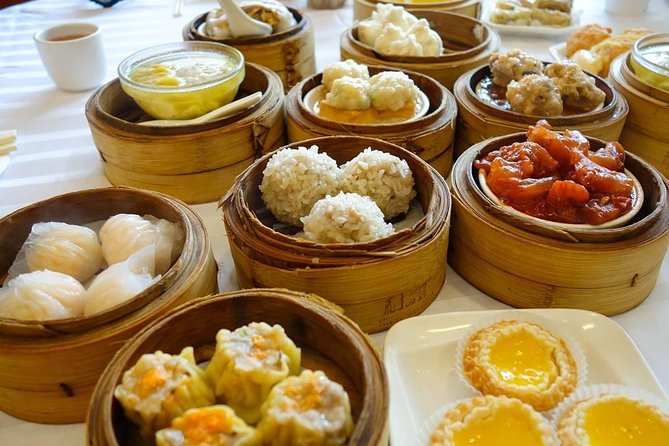
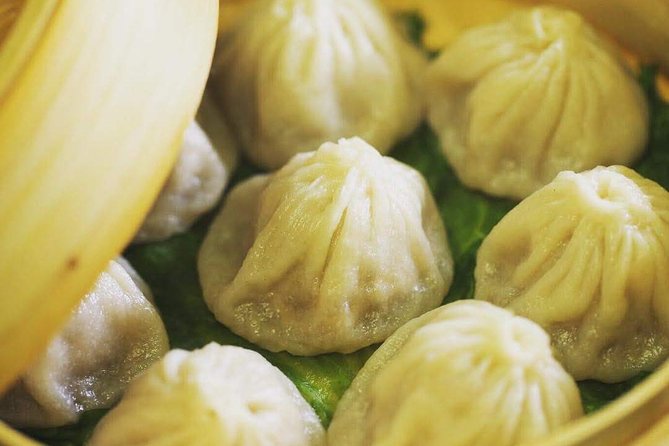
Phoenix Restaurant sets the tone with handmade dumplings and other steamed Cantonese dim sum. Expect tender wrappers, warm fillings, and a gentle opening course rather than heavy spice. The stop lasts about 20 minutes, with admission included.
This is a smart first stop because dim sum gives your guide an easy way to explain how Chinese food changes from one region to another. The dumplings are familiar enough for cautious eaters, but still worth trying even if you already know your way around a dim sum menu.
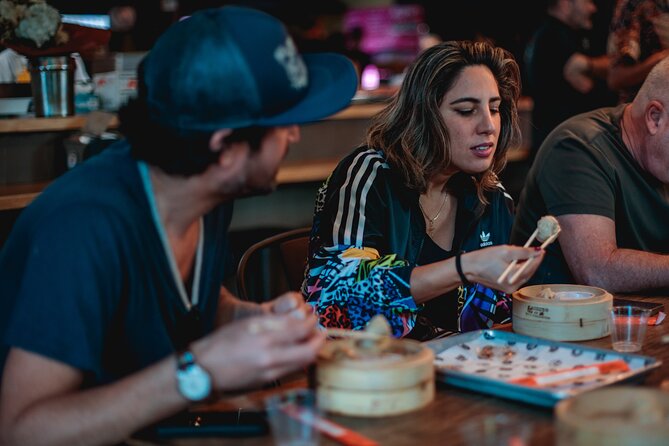
The portion size is important. This is not one dumpling passed around for a photograph. The tour is designed to feed you, so pace yourself from the beginning. If you arrive after a large breakfast, the later stops may feel excessive.
Phoenix is also a useful introduction to Chinatown dining culture. It is a long-established restaurant and a local landmark in its own right, so you begin with a place that connects food and neighborhood life rather than a generic tasting counter.
Yummy Yummy Noodles Brings Hand-Pulled Comfort Food
At Yummy Yummy Noodles, the flavors shift toward hand-pulled noodles, broths, herbs, and savory toppings. The dish is meant to show the appeal of regional Chinese comfort food: chewy noodles, strong aromas, and a bowl or plate with more depth than its simple appearance suggests.
This stop also changes the texture of the meal. After steamed dumplings, noodles give you something more substantial and filling. The tour allows roughly 20 minutes here, enough time to eat without turning the stop into a long restaurant visit.
You may find the noodles among the most approachable foods on the route. They are familiar in form, but the seasoning and preparation can be new to you. If you like soup, garlic, herbs, or chili, this is likely to be an easy favorite. If you dislike strong flavors or large meals, take smaller bites and remember that the next two savory stops are still ahead.
The guide’s explanation matters here. Hand-pulled noodles are not just another lunch item. They show how flour-based dishes play a major role in northwest Chinese cooking, which helps you understand why the tour does not treat Chinese cuisine as one single style.
Xi’an Cuisine Adds Cumin Lamb Flatbread
Xi’an Cuisine supplies one of the tour’s most distinctive bites: cumin lamb flatbread. Tender lamb and toasted spices are tucked into warm bread with a crisp and chewy texture. It is a compact street-food-style dish, but it carries a lot of flavor.
This is the point where the tour becomes more adventurous. Cumin, lamb, and flatbread create a profile that differs sharply from Cantonese dim sum. You get a glimpse of food traditions associated with northwest China, where wheat, lamb, and aromatic spices play a larger role.
The flatbread can be filling, especially after dumplings and noodles. I recommend treating it as a tasting even if the portion looks like a full sandwich. The tour’s food adds up quickly.
For many people, this will be the most memorable stop because it is not the sort of item everyone orders on a first visit alone. That is one of the strongest arguments for taking the tour early in your Chicago stay. You can return to Xi’an Cuisine later if the dish wins you over.
More food tours in Chicago:
- Chicago Favorites Ultimate Food and Walking Tour
★ 5.0 · 1,962 reviews - Delicious Donuts & City Sights: Chicago’s Original Donut Tour
★ 5.0 · 1,389 reviews - Chicago in a Day: Food, History & Architecture Walking Tour
★ 5.0 · 1,153 reviews - Chicago Loop District Food Tour with Deep Dish & Beef Sandwich
★ 5.0 · 870 reviews
Lao Sze Chuan Turns Up the Heat

The original Lao Sze Chuan location brings Sichuan cooking to the table with Chef’s Special Dry Chili Chicken. The chicken is crisp and savory, tossed with garlic, dried chilies, and Sichuan spices. The dish can deliver both heat and the numbing sensation associated with Sichuan pepper.
You can ask for milder spice, which is important. This is not a dish you need to endure to prove anything. Tell the guide your preference before the food arrives, especially if your group includes people with different heat tolerances.
This course is a strong lesson in balance. The chilies provide heat, the garlic adds force, and the Sichuan spices give the dish its distinctive tingle. Even at a reduced spice level, it should still show the style of the kitchen.
The drawback is that spice-sensitive diners may find this stop less comfortable than the others. The tour works best for people open to bold seasoning, although the guide can help control the intensity. It is also another substantial dish, so save room rather than treating every stop like an independent lunch.
Chiu Quon Bakery Ends With a Portuguese Egg Tart
The final food stop is Chiu Quon Bakery, described as the oldest bakery in Chicago’s Chinatown. Here the meal ends with a Portuguese egg tart, a flaky pastry filled with smooth custard and topped with light caramelization.
The tart gives the tour a welcome change of pace. After several savory courses, the crisp pastry and sweet custard reset your palate. It also shows how Chinese bakery traditions can include influences from Portuguese cooking.
Because the bakery is the end point, you can continue exploring on your own afterward. That makes the location practical. You finish with a small sweet item rather than being left in the middle of the neighborhood with no sense of where to go next.
The egg tart is also a good reason to note the bakery’s address. If you particularly enjoy it, you can return later for more pastries. Just do not assume the final tasting is tiny. Portions throughout this outing are generous.
Chinatown Square Explains the Neighborhood’s Visual Language
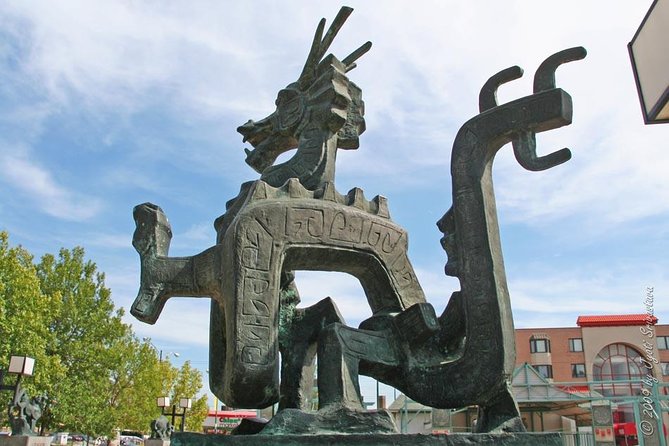
Between restaurants, the route enters Chinatown Square, an open-air plaza with pagoda-style roofs, zodiac figures, murals, and family businesses. The guide explains the meaning behind the sculptures and design details, turning what could be a quick photo stop into a short lesson in Chinese symbolism.
You have about 15 minutes here. That is enough for photos and orientation, but not enough for a long shopping session. Chinatown Square is a useful pause after several food stops because it gives your attention somewhere else to go.
The plaza also helps show that Chinatown is more than a restaurant district. Its architecture and public art express community identity, while the shops and markets show how the neighborhood functions day to day.
Pui Tak Center and the Chinatown Gateway Add Context

Pui Tak Center is one of the most important architectural stops. The building dates from the 1920s and was originally connected with the On Leong Merchants Association. Its terra-cotta details and rooflines draw on southern Chinese design.
Today, the building serves as a community center with language programs, cultural services, and preservation work. Your guide uses the stop to explain how institutions help a neighborhood maintain its identity across generations.
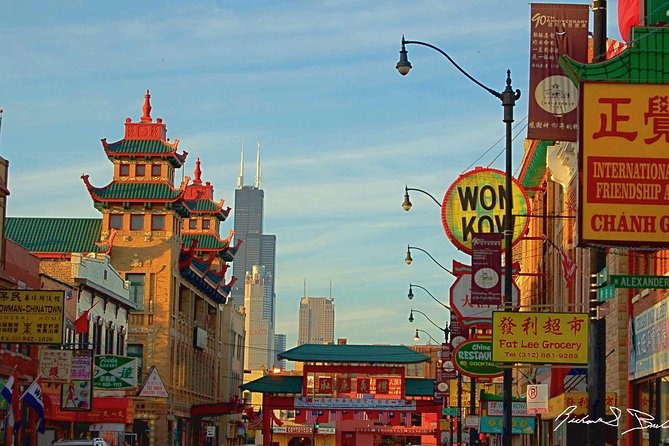
The Chinatown Gateway is a shorter stop, about 10 minutes. Its paifang design, colorful details, and Chinese characters mark the entrance to the neighborhood. It is an obvious photo spot, but the guide adds meaning by discussing the symbols of heritage, prosperity, and community pride.
These stops are brief, yet they keep the tour from becoming a restaurant crawl. I appreciate that balance. You get enough context to see the neighborhood as a living community without sitting through a long lecture.
Nine Dragon Wall Makes a Strong Photo Stop
The Nine Dragon Wall is another 10-minute landmark stop. Inspired by imperial screens in Beijing, it features nine colorful dragons in detailed tilework. The dragons are associated with strength, protection, and prosperity.
Your guide can explain the symbolism and place the wall within broader Chinese artistic traditions. For photographers, this is one of the most visually rewarding stops on the route. The colors and repeated dragon forms give you an easy subject, even on a gray Chicago day.
The visit is short, so do not expect an extended art history talk. Its value comes from adding a memorable image and a piece of cultural background to the food experience.
Guides Shape the Experience
The company uses several guides, and names praised in the supplied material include Joe, Greg, Lillian, York, Mickey, AJ, Jeff, Wyatt, and others. The recurring strengths are friendly presentation, clear food explanations, humor, and the ability to involve the whole group.
That matters more than it might seem. A food tour can become a parade of plates if the guide only announces each dish. Here, the strongest version connects the food to geography, migration, local business, and Chicago history.
Joe is noted for paying close attention to allergy needs. Greg is praised for energy and storytelling. Lillian is described as relaxed and fun, while York is known for explaining both the food and the neighborhood. Your exact guide will vary, but these examples give you a sense of the tone to expect.
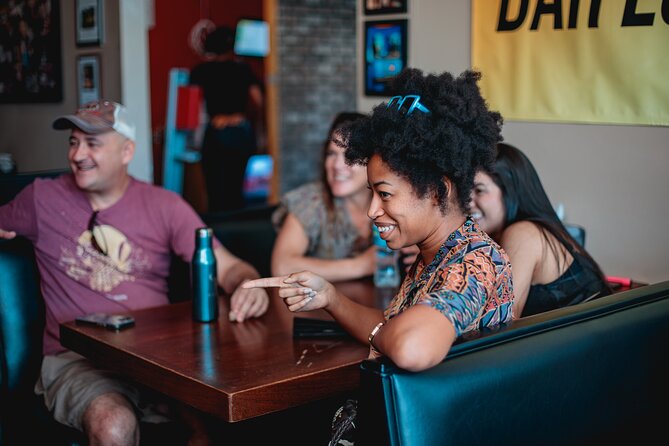
The group limit of 15 helps. You can ask questions without shouting across a crowd, and the guide can check spice and dietary concerns more easily.
Price, Portions, and the Drink Upgrade
At $79.99 per person, the tour is not cheap, but the price includes five food tastings that together can function as lunch. You are paying not only for the food, but also for the planning, restaurant access, route, and interpretation.
Several portions are closer to full orders than samples. One useful strategy is to eat a light breakfast or very small lunch beforehand. Arriving hungry is essential, but arriving famished can make it hard to enjoy all five stops at a comfortable pace.
The optional VIP adult beverage upgrade costs $19.99 and includes three drink samples. It is available at check-in for people age 21 and older. I would treat this as optional rather than necessary. The food and neighborhood stories already make up the core experience, but the pairings may interest you if you enjoy trying drinks with regional dishes.
A suggested guide gratuity of $10 to $15 per person, or more, is not included. You can pay by cash, Venmo, or PayPal, so budget for that extra cost when comparing the tour with an independent lunch.
Who Should Book This Food Walk
I would choose this tour if you like Chinese food, want a guided introduction to Chinatown, or prefer a planned meal with several stops. It suits couples, solo visitors, friends, and culture-minded families who can manage three hours of eating and easy walking.
It is especially useful early in a Chicago visit. You will leave with a working map of the neighborhood and ideas for returning to the places you liked best.
Be cautious if you need vegan or gluten-free food. Vegetarians and people who avoid beef or pork can usually be accommodated, but vegan options are limited and gluten-free choices are extremely limited. Tell the operator about dietary restrictions in advance, and speak with the guide before eating.
The tour runs in all weather, so dress for the forecast. Service animals are allowed, public transportation is nearby, and most people can participate. Minimum numbers apply, so the outing can be canceled if too few people book. If poor weather or low enrollment forces a cancellation, you are offered another date or a full refund.
Should You Book the Chicago Chinatown Food Tour?
Book it if you want a hearty, guided introduction to Chinatown with five real tastings and enough neighborhood history to give the food meaning. The strongest reasons are the regional variety, generous portions, easy route, and guides who make the experience personal.
Skip it if you prefer to order slowly at one restaurant, need strict vegan or gluten-free choices, or dislike spicy food and large meals. For everyone else, $79.99 is fair value for a three-hour food outing that doubles as a neighborhood orientation. Come hungry, keep an open mind, and save the bakery stop for the end.
FAQ
How long does the Chicago Chinatown Food and Walking Tour last?
The tour lasts approximately three hours.
How much does the tour cost?
The listed price is $79.99 per person.
Where does the tour start?
The tour starts at Phoenix Restaurant, 2131 South Archer Avenue, Chicago, Illinois 60616.
Where does the tour end?
The tour ends at Chiu Quon Bakery, 2253 South Wentworth Avenue, Chicago, Illinois 60616.
What food is included?
The included tastings feature Cantonese dim sum, noodles, Xi’an-style cumin lamb flatbread, Sichuan dry chili chicken, and a Portuguese egg tart.
Is the drink upgrade included?
No. Adults age 21 and older can add three curated alcoholic beverage samples for $19.99 per person at check-in.
Can the tour accommodate dietary restrictions?
Vegetarians and people who do not eat beef or pork can usually be accommodated. Vegan options are limited, and gluten-free options are extremely limited.
What happens if I need to cancel?
You receive a full refund if you cancel at least 24 hours before the start time. Cancellations within 24 hours are not refunded. If the tour is canceled because of poor weather or insufficient enrollment, you are offered another date or a full refund.
More Walking Tours in Chicago
- Chicago: Gangsters and Ghosts Walking Tour
★ 5.0 · 7,155 reviews - Chicago: Gangsters and Ghosts Guided Walking Tour
★ 4.7 · 1,697 reviews - Chicago’s Secret Interiors Architectural Walking Tour
★ 5.0 · 635 reviews - Chicago: Secret Interiors Architecture Walking Tour
★ 4.9 · 498 reviews
Recently added around Chicago
- Travel between Chicago O’Hare and Madison★ 4.5 · 4 reviews
- Volo Auto Museum: Admission Ticket★ 4.5 · 55 reviews
- Holiday Walking Tour: Underground Chicago via the Pedway★ 5.0 · 27 reviews
- Workers Cottages of Oldtown Triangle Walking Tour★ 5.0 · 45 reviews
- Verse Immersive Holographic Theater in Chicago★ 4.5 · 28 reviews
- Vito’s Vault Chicago finest dinner theatre speakeasy★ 5.0 · 14 reviews
- Delicious Donuts & Sweet Treats: West Loop Walking Tour★ 5.0 · 47 reviews
- Traveling Spoon Chicago-Style Deep Dish Pizza Private Online Cooking Class★ 5.0 · 4 reviews
Chicago Food Tours, compared.
Chicago Favorites Ultimate Food and Walking Tour
Read our review →
Delicious Donuts & City Sights: Chicago’s Original Donut Tour
Read our review →
Chicago in a Day: Food, History & Architecture Walking Tour
Read our review →
Chicago Loop District Food Tour with Deep Dish & Beef Sandwich
Read our review →
Classic Food & Walking Tour with Free Bike or Kayak
Read our review →Browse the lists this tour appears in