Reviewed · TOURS
Soul House Tour
Chicago’s Soul House Tour connects the city’s streets with the lives of major Black figures, from the 44th president of the United States to Muhammad Ali, Ida B. Wells, Nat King Cole, and Emmett Till. You visit about a dozen homes, stop for outside photos, and hear the stories that make each address matter.
I like the small groups of 2 to 11 people, which should feel far more personal than a large bus outing. I also like the souvenir booklet, since it gives you the addresses and background for all the homes rather than leaving you with a few fading snapshots. The main drawback is that this is a two-hour overview, so each stop can only receive limited attention.
Key points to know before you book
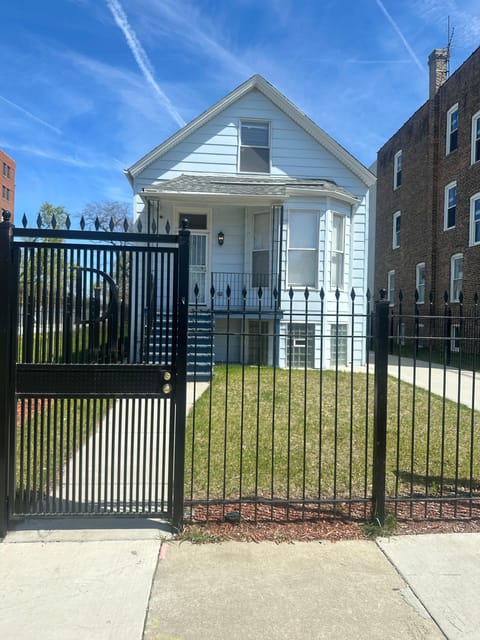
- Twelve homes in two hours: The route covers a wide range of Chicago figures, so expect a brisk look at each address.
- Small-group format: The tour is not a bus tour, and groups are limited to 2 to 11 people.
- Outside photos only: You have the option to photograph the homes from outside. These are residential addresses, not indoor museum visits.
- A Chicago-born guide: Your guide brings local conversation, trivia, and personal insight. Steven is one guide associated with this experience.
- A useful souvenir: The booklet includes all the homes and a write-up on each one.
- Best for older children and adults: Children under 9 are not permitted, and the tour is offered in English.
Why these Chicago homes matter
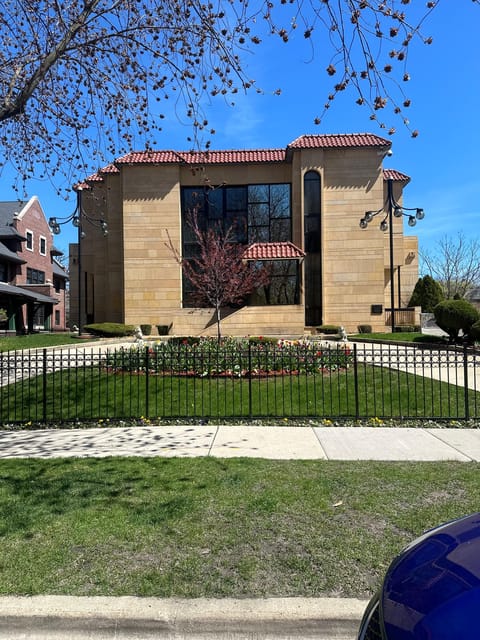
The Soul House Tour works because it uses ordinary-looking houses to tell a much larger story. You are not simply checking off celebrity addresses. You are seeing where people lived before, during, or after they changed American politics, music, religion, sports, and civil rights.
That contrast is the point. A famous name can fill a stadium or dominate a history book, yet the home connected to that person may look like any other private residence. The guide’s job is to connect the building to the person and explain why the address belongs in Chicago’s story.
This is also a tour about Black Chicago beyond the downtown core. The meeting point is easy to find at the Chicago Theater, 175 North State, but the homes themselves take you away from the bright signs and office towers. You get a look at neighborhoods connected to the city’s Black political, cultural, and religious life.
The tour does not promise grand interiors or access inside the houses. You view the properties from outside and may take photographs. That limitation matters, but it also keeps the focus on the people, their lives, and the city around them.
Other Chicago tours that go well next to this one:
- Chicago Architecture River Cruise
★ 5.0 · 15,756 reviews - Chicago River 90-Minute Architecture Tour
★ 4.5 · 9,629 reviews - Chicago River: 1.5-Hour Guided Architecture Cruise
★ 4.8 · 8,046 reviews
Starting with Barack and Michelle Obama
The route begins with one of the most recognizable Chicago connections: the home associated with Barack Obama, the 44th president of the United States. The tour also includes the childhood home of the former First Lady.
These stops give the experience a clear starting point. Barack Obama’s political career made Chicago central to his public life, while the former First Lady’s childhood home links the tour to a personal family story rather than only to national office.
You will want to pay attention to the guide’s explanation here. A presidential address can easily become a quick photo stop, but its real value comes from understanding how Chicago fits into the wider Obama story. Since the tour is built around conversation, you can also hear trivia and local insight that may not appear in a standard sightseeing program.
The practical point is simple: do not expect to linger for a long time at either house. With 12 homes in two hours, the pace has to move. Take your photo, listen closely, and keep the booklet handy so you can return to the details later.
Kanye West’s early Chicago home
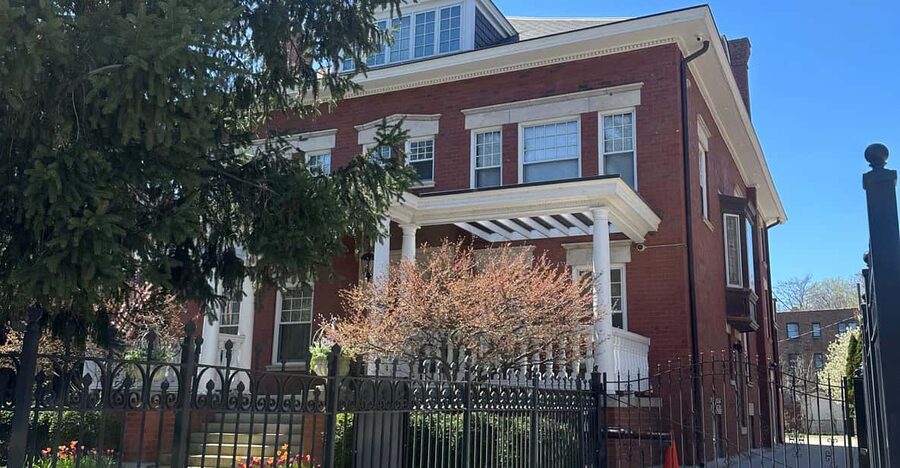
The tour also visits the home where Kanye West lived from childhood until his music success. This stop adds a modern music story to a route that also includes political leaders, activists, religious figures, athletes, and classic entertainers.
The appeal here is the sense of time and place. You are not only seeing the home of a famous musician. You are seeing where his Chicago life began, before the public career and international fame.
That before-and-after idea runs through the whole experience. The addresses are reminders that major careers do not begin on a stage or in a campaign office. They begin in families, neighborhoods, schools, and homes that may look modest from the sidewalk.
If contemporary music is your main interest, this may be one of the stops you remember best. If you are more interested in civil rights or political history, the value comes from seeing how different kinds of Chicago stories sit together on one route.
Ida B. Wells and the fight for justice
The home of Ida B. Wells brings the tour into the work of one of Chicago’s fiercest activists. Wells was a journalist and anti-lynching campaigner whose public work demanded courage, persistence, and a willingness to challenge powerful people.
Her stop gives the tour a stronger civic purpose. The route is not just about famous entertainers and athletes. It also recognizes someone whose influence came through writing, organizing, and direct activism.
This is where a local guide can add real value. A plaque or address gives you a name, but a good explanation helps you understand the danger and force behind Wells’s work. The supplied tour description emphasizes conversation, trivia, and history, so you should expect this stop to be more than a quick address on a list.
Photography is available outside, but I would treat the photo as a reminder rather than the main attraction. The important part is the connection between the house and the fight for civil rights.
Different part of the city, different kind of afternoon:
- Chicago: Gangsters and Ghosts Walking Tour
★ 5.0 · 7,155 reviews - Chicago Architecture Center River Cruise aboard First Lady
★ 5.0 · 5,536 reviews - Chicago: Willis Tower Skydeck and The Ledge Ticket
★ 4.6 · 4,350 reviews - Chicago: Architecture River Cruise Skip-the-Ticket Line
★ 4.8 · 4,325 reviews
Elijah Muhammad and Louis Farrakhan
The Soul House Tour includes the homes of Elijah Muhammad, founder of the Nation of Islam, and Louis Farrakhan, his successor. These stops introduce a different part of Chicago’s Black history, focused on religious leadership, community organization, and public influence.
The inclusion of both men lets the guide show a line of succession rather than presenting one isolated biography. You can see how one address connects to the development of a movement and how leadership passed from one major figure to another.
This section may be especially useful if you know little about the Nation of Islam or its place in Chicago. It also gives the tour a more serious edge. The route covers people whose legacies can prompt strong opinions, and a balanced guide should help you understand their role without reducing the subject to a simple photo opportunity.
As with every stop, the home itself is viewed from outside. The value lies in the explanation of who lived there and why the address matters.
Muhammad Ali, the athlete known as The Greatest
Muhammad Ali’s home brings sports history into the route. Ali’s fame reached far beyond boxing, and his public life was tied to questions of race, faith, politics, and personal conviction.
A stop connected to Ali helps show why the tour is broader than a celebrity homes outing. His significance comes not only from his athletic career, but also from the way he used his public voice.
You may find this stop particularly rewarding if you already know Ali as a boxer and want more context for his place in American life. The booklet should help preserve the details, since two hours is not enough to tell the full story of any one person.
The outside setting also keeps expectations clear. This is a historical address, not a sports museum or an exhibit of Ali memorabilia. Bring your interest in the person, not the expectation of an indoor collection.
Emmett Till’s childhood home
The stop at Emmett Till’s childhood home is the most somber part of the route. His story is inseparable from the history of racial violence in the United States and from the wider struggle for civil rights.
The tour description is direct about the sadness of this visit. That honesty is useful. This is not a light sightseeing stop, and you should be prepared for a quieter moment as the guide explains the significance of the home and Till’s life.
The address makes history personal. Instead of hearing only about a distant event, you see the home connected to a child whose death became a turning point in public awareness and activism.
I would not rush this stop for the sake of a photograph. Listen to the guide, use the booklet later for more context, and allow the subject the respect it deserves. This is one reason the tour suits adults and older children better than very young visitors.
Nat King Cole and Chicago’s entertainment history
Nat King Cole is among the entertainers featured on the route. His home adds music history from an earlier generation and helps broaden the tour beyond current celebrities.
Cole’s place in American entertainment makes this a useful companion to the Kanye West stop. One represents a newer era of music fame, while the other connects you to an earlier period when Black performers faced a different set of barriers in the entertainment industry.
The tour also includes other great entertainers, though the supplied details do not name each one. That means you should view the list of 12 homes as a carefully varied sample rather than a complete catalog of every famous Black Chicagoan.
If you enjoy music history, keep notes in the booklet as you go. The guide’s spoken stories may be the best part of the stop, while the printed material gives you something to review after the tour.
What the small group changes
The group size is one of the clearest advantages here. With 2 to 11 people, you avoid the feel of a large bus tour, and the guide has more room for conversation.
That matters on a route built around stories. You can hear the guide without competing with a crowd, ask a question, and take a photo without holding up dozens of people. Steven, identified as one of the guides, was praised for being informative and interactive, which fits the format well.
The small group does not mean the tour will move slowly. Twelve homes in two hours is still a tight schedule. Think of it as a compact route with frequent stops, not a long seminar at each address.
The tour may work best if you enjoy listening while moving through the city. If you want to spend 20 minutes at each location or study architectural details, this experience may feel rushed. If you want a guided introduction to many important Chicago connections, the pace is more reasonable.
The booklet adds value after the tour
The souvenir booklet is more useful than a standard logo item. It includes all the homes and a write-up on each one, so you can revisit the route after the guide has finished.
At $65 per person, that printed material helps the price feel more justified. You are paying for the guide, the small group, the route, the conversation, and a record of the addresses. You are not paying for food, admission to an attraction, or access inside private homes.
I would keep the booklet accessible during the tour if possible. It can help you remember names and connect one stop to the next. It also makes the experience more useful for anyone who wants to continue learning about Chicago’s Black history after the visit.
The booklet cannot replace a museum or a full historical program. It does, however, give this short tour a longer life than a series of phone photos.
Timing, meeting point, and practical planning
The tour lasts two hours and is usually offered in the morning and at night. That gives you some flexibility when fitting it around museums, meals, or evening plans in Chicago.
You meet at the Chicago Theater at 175 North State. The location is central and recognizable, but you should still arrive with enough time to find the exact meeting spot. The tour information specifies the pickup location, not hotel pickup, so plan to reach the theater on your own.
Food is not included, and no meal stop is part of the experience. Eat beforehand if you prefer to start with a full stomach, especially if you are booking a morning departure.
The tour is in English and uses a live guide. Children under 9 are not suitable for this activity, which makes sense given the serious subject matter and the quick historical discussions.
You can cancel up to 24 hours before the start for a full refund, and the reserve-now, pay-later option keeps your schedule flexible. Those policies are useful, but the bigger planning question is your interest level. Choose this tour for the stories and people, not for indoor sightseeing or a relaxed architectural walk.
Is the $65 price fair?
At $65, this is not the cheapest way to see Chicago, especially because you do not enter the houses and no food is included. The value depends on how much you want a guide to connect the addresses into one story.
I think the price is fair for someone who wants a small group, a local guide, time for photos, and a booklet covering all 12 homes. A large bus tour might cover more ground, but it would likely offer less room for conversation. A self-guided route would cost less, but you would need to research the people, plan the stops, and find the addresses yourself.
The tour also saves you from treating each home as a random photo location. The guide supplies the link between place and person, which is the main service you are buying.
The overall rating provided for the experience is 3.7 from three reviews, so the evidence base is small and mixed rather than strong. One five-star review specifically praised Steven for being informative and interactive. I would keep that in mind while also recognizing that the tour’s quality may depend heavily on the guide leading your departure.
Who should book the Soul House Tour?
I would recommend it to adults, older children, and anyone interested in Chicago’s Black political, cultural, religious, athletic, and entertainment history. It is a good fit if you prefer personal stories and local conversation to a standard list of downtown sights.
It is also useful for repeat visitors who have already seen the major attractions. The route gives you a different view of Chicago, one based on residents and neighborhoods rather than skyscrapers and famous public buildings.
I would hesitate if you want to enter historic homes, see museum displays, or focus mainly on architecture. I would also think twice if two hours feels too short for 12 stops. The tour is an overview by design.
Should you book it?
Book the Soul House Tour if you want a focused introduction to the Chicago homes connected to Barack Obama, the former First Lady, Kanye West, Ida B. Wells, Elijah Muhammad, Louis Farrakhan, Muhammad Ali, Emmett Till, Nat King Cole, and other notable figures.
The strongest reasons are the small group, the chance to take outside photos, the booklet, and the chance to talk with a Chicago-born and raised guide. The biggest limits are the brisk pace, the lack of interior access, and the serious subject matter at some stops.
If those tradeoffs suit you, $65 buys more than a collection of addresses. It gives you a guided way to connect private homes with the public lives that shaped Chicago and the country.
FAQ
Where does the Soul House Tour meet?
The tour meets at the Chicago Theater, located at 175 North State in Chicago.
How long does the tour last?
The tour lasts two hours.
How many homes are included?
The tour visits 12 homes connected to famous Black Chicago residents.
Can I take photographs?
Yes. You have the option to take photographs outside the homes.
Is the tour suitable for young children?
Children under 9 are not suitable for this tour.
Is food included?
No. Food and gratuity are not included in the $65 price.
Recently added around Chicago
- Travel between Chicago O’Hare and Madison★ 4.5 · 4 reviews
- Volo Auto Museum: Admission Ticket★ 4.5 · 55 reviews
- Holiday Walking Tour: Underground Chicago via the Pedway★ 5.0 · 27 reviews
- Workers Cottages of Oldtown Triangle Walking Tour★ 5.0 · 45 reviews
- Verse Immersive Holographic Theater in Chicago★ 4.5 · 28 reviews
- Vito’s Vault Chicago finest dinner theatre speakeasy★ 5.0 · 14 reviews
- Delicious Donuts & Sweet Treats: West Loop Walking Tour★ 5.0 · 47 reviews
- Traveling Spoon Chicago-Style Deep Dish Pizza Private Online Cooking Class★ 5.0 · 4 reviews
Tours, compared.


Chicago River 45-Minute Architecture Tour from Magnificent Mile
Read our review →
Big Bus Chicago: Hop-On Hop-Off Sightseeing Tour, 24/48/72hr Pass
Read our review →
Chicago Favorites Ultimate Food and Walking Tour
Read our review →