

Reviewed · CHICAGO ARCHITECTURE TOURS
Chicago History and Architecture Walking Tour
Chicago’s best introduction may be on foot, where Cloud Gate, the Riverwalk, and the Magnificent Mile connect into one lively downtown story. This tour gives you the landmarks, but also explains how fire, rebuilding, engineering, and family roots shaped the city.
I like the small group of no more than 10 people, which makes it easier to hear your guide and ask questions. I also like the personal storytelling from guides such as Andrew and Andy, who bring in family connections and practical advice about restaurants and other things to do.
The main caution is that this can feel more like a history walk than a pure architecture tour. You will see major buildings, but the guide’s storytelling may give Chicago’s past and culture as much attention as its design.
Key points to know before booking
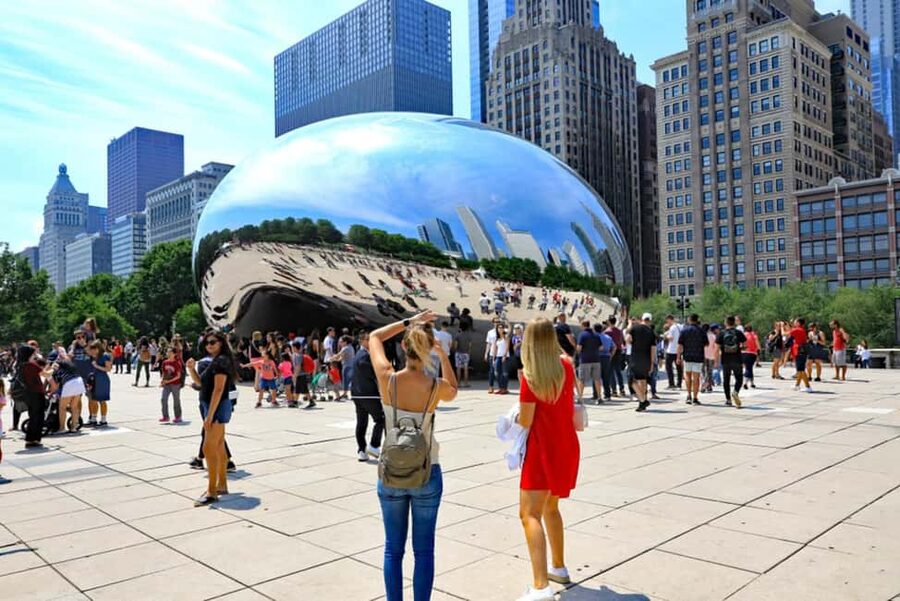
- Cloud Gate begins the visual show: Millennium Park offers an easy meeting point, photo stop, public art, gardens, and nearby restrooms.
- The group stays small: With a maximum of 10 people, you get a more conversational walk than a large city tour.
- History gets plenty of room: Expect stories about the Chicago Fire, rebuilding, neighborhoods, and the city’s growth.
- The route covers famous downtown sights: You see the Wrigley Building, Tribune Tower, John Hancock Building, DuSable Bridge, and Chicago Riverwalk.
- Food is optional and extra: The tour points you toward Chicago flavors and the Starbucks Reserve Roastery, but your $49 fee does not cover meals or drinks.
- Plan for steady walking: The experience lasts 2.5 hours and takes place outdoors, with some indoor city passages through the Chicago Pedway.
Starting beneath Cloud Gate in Millennium Park
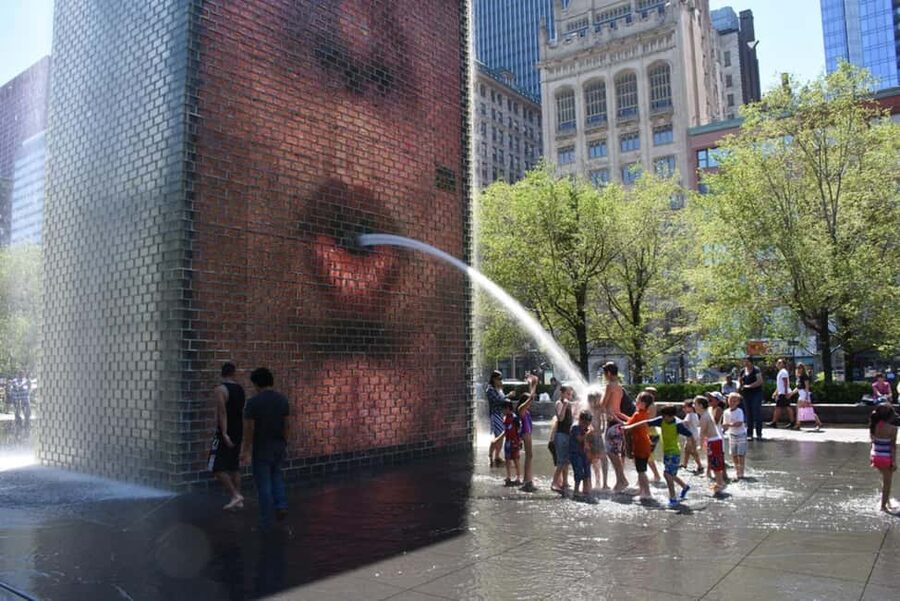
The tour meets at McCormick Tribune Plaza, in front of Park Grill. That is a useful starting point because you can use the restrooms before setting off, then begin among some of downtown Chicago’s most recognizable public spaces.
Millennium Park is more than a place to take a quick photograph. You get Cloud Gate, the polished sculpture that reflects the skyline and everyone gathered around it. The surface bends the city into a strange, shiny panorama, making it one of the few Chicago stops where a simple photo can also show you the scale of the surrounding buildings.
You will also see park gardens and other public art as your guide sets the city in context. This opening works well for first-time visitors because you begin with a clear sense of place. Chicago’s public spaces, tall buildings, art, and lakefront identity come together within a few blocks.
I would arrive a little early. Cloud Gate draws plenty of people, and meeting your guide can take a moment in a busy plaza. The meeting point is specific, but a large public park is still easier to navigate when you are not rushing.
More architecture tours in Chicago:
- Chicago Architecture River Cruise
★ 5.0 · 15,756 reviews - Chicago River 90-Minute Architecture Tour
★ 4.5 · 9,629 reviews - Chicago River: 1.5-Hour Guided Architecture Cruise
★ 4.8 · 8,046 reviews
The Chicago Pedway and the city beneath the streets
One of the more unusual parts of the walk is the chance to explore portions of the Chicago Pedway. This network of indoor passages helps connect downtown buildings and offers a change from the open streets.
The Pedway is not a grand sightseeing hall. Its value is practical and local. It shows how Chicago adapts to weather, traffic, and the needs of a dense commercial center. Your guide can help you understand how the city functions below street level, rather than simply pointing out famous facades.
This section may appeal to you if you enjoy the less obvious side of a city. It is also a reminder that the tour is not only a parade of postcard stops. You are looking at how people move through Chicago day to day.
The exact balance between indoor passages and outdoor walking can vary, so dress for the weather rather than assuming you will remain inside for long. The main sights and views come from the streets and riverfront.
Crossing DuSable Bridge with Chicago’s past in view
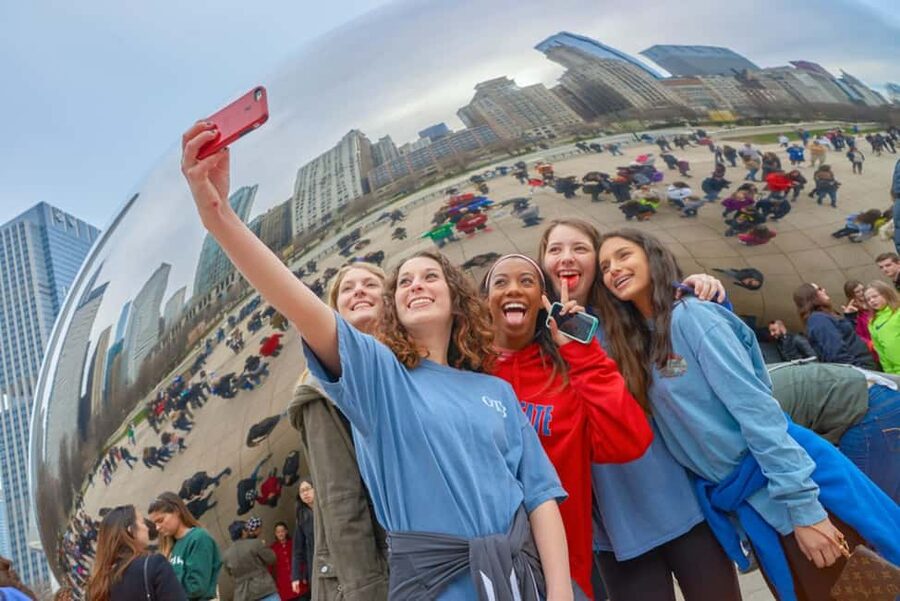
The walk continues toward the Chicago River and the historic DuSable Bridge. This is where the city’s story becomes especially easy to read. The river cuts through the downtown core, while bridges, towers, and busy streets reveal how Chicago grew around transport and trade.
Your guide discusses the Great Chicago Fire and the city’s recovery. That story matters because the fire is not just a dramatic event from the past. It helps explain why Chicago became associated with bold rebuilding, new construction methods, and an appetite for height.
The bridge also gives you a strong transition from parkland to the hard-edged center of the city. You move from gardens and public art to water, steel, stone, and glass. The route makes the city feel connected rather than divided into separate attractions.
If you are expecting a technical architecture lecture at every building, this may not be the right fit. The walk uses architecture to tell a larger story about Chicago’s people, disasters, neighborhoods, and growth. One rating specifically described it as more historical than architectural, though still interesting. That is a fair way to set your expectations.
The Chicago Riverwalk and the downtown skyline
The Riverwalk is one of the most rewarding parts of this route. From the water’s edge, you can look up at the city instead of viewing each building from a crowded street corner.
This angle helps you see why Chicago architecture is so closely tied to the river. The waterway creates a long view through the downtown canyon, with major towers rising on both sides. Your guide points out notable structures and gives you a story for the skyline, rather than leaving you to identify buildings from a distance.
I like the Riverwalk section because it slows the pace. Downtown Chicago can feel loud and compressed at street level. Along the river, you get room to look, take photographs, and listen without constantly crossing traffic.
The walk is still a city walk, not a sightseeing cruise. If your main goal is a detailed study of Chicago’s architecture from the water, a dedicated architecture boat tour will show more buildings with less walking. This experience gives you something a cruise cannot: direct access to streets, bridges, public spaces, and the city’s everyday rhythm.
More history tours in Chicago:
- Chicago in a Day: Food, History & Architecture Walking Tour
★ 5.0 · 1,153 reviews - Chicago: Field Museum of Natural History Ticket or VIP Tour
★ 4.7 · 717 reviews - Field Museum of Natural History Admission Tickets
★ 4.5 · 489 reviews - Chicago Walking Tour: Historic Treasures of Chicago
★ 5.0 · 362 reviews
The Wrigley Building and Tribune Tower

The route brings you past two of the Magnificent Mile area’s most recognizable landmarks, the Wrigley Building and Tribune Tower. These are not just names to check off. They help show how Chicago mixes different architectural eras along a single downtown corridor.
The Wrigley Building is especially easy to recognize, with its bright exterior and prominent clock tower. Tribune Tower adds another layer, with its detailed Gothic-inspired design. Your guide can use these buildings to explain how corporate identity, newspaper culture, and architectural ambition shaped Michigan Avenue.
You will not be entering every building, and the tour does not include admission to interior attractions. The value comes from seeing the buildings in sequence and hearing what makes them important.
This part of the walk suits anyone who wants an introduction before choosing a longer architecture program. It gives you a useful visual framework. Afterward, you will have a better idea of which buildings deserve a return visit or a more specialized tour.
The Magnificent Mile, with room for local advice
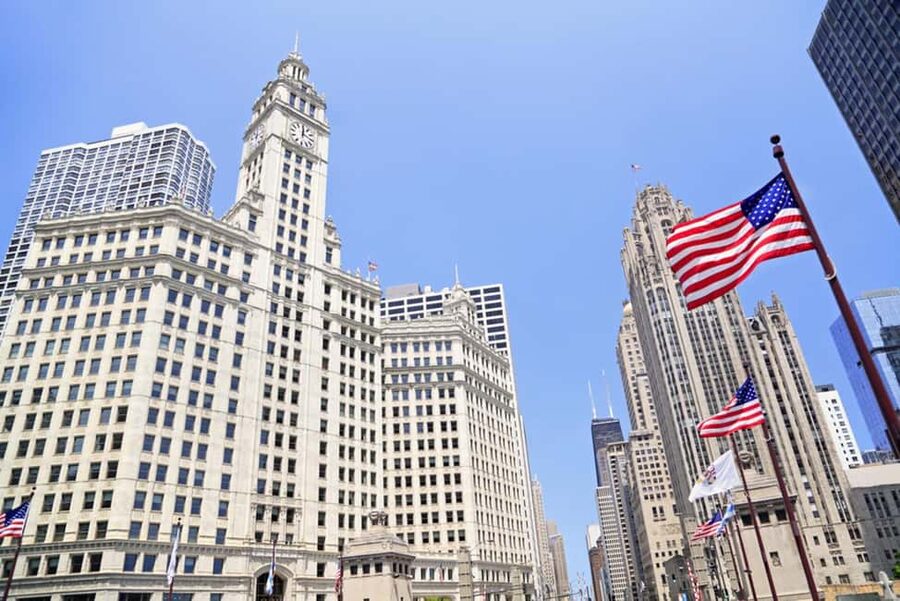
Walking the Magnificent Mile adds a commercial side to the experience. This stretch combines landmark buildings, shops, hotels, restaurants, and heavy downtown traffic.
Your guide does more than name the buildings. The strongest guiding on this tour appears to come through personal detail. Andrew and Andy are both noted for adding family connections, explaining Chicago traditions, and suggesting restaurants and activities for later in your visit.
That kind of advice can be worth a lot on a first day. A map can show you where the Magnificent Mile is, but a local guide can help you understand how it fits into the rest of Chicago.
Still, this is not a quiet old town walk. Michigan Avenue is an active shopping corridor, and you should expect city noise and crowds. The small group helps, but you will need to stay aware of traffic and keep pace with the guide.
The John Hancock Building and a skyline of contrasts
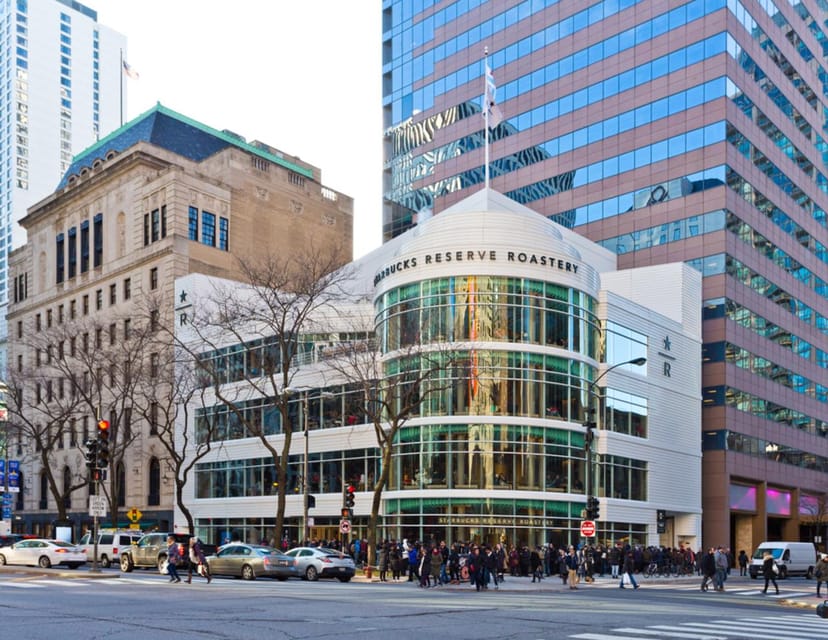
The John Hancock Building is another major landmark along the route. Its strong structural form gives the guide a chance to explain how Chicago’s tall buildings differ in shape, purpose, and period.
Seeing the John Hancock from street level is not the same as visiting an observation deck. The tour does not include entry to 360 Chicago or any other skyscraper viewpoint. If you want a high view over the lake and city, you will need to buy a separate ticket.
That is not a weakness for everyone. A walking tour keeps the focus on how the buildings relate to one another. You are studying the city as a whole, not only looking down from one tower.
For a fuller architecture day, I would pair this walk with a Chicago River architecture cruise. The walk gives you context on foot, while a cruise offers long views of the riverfront towers without requiring another 2.5 hours of street walking.
Chicago food stops without food included
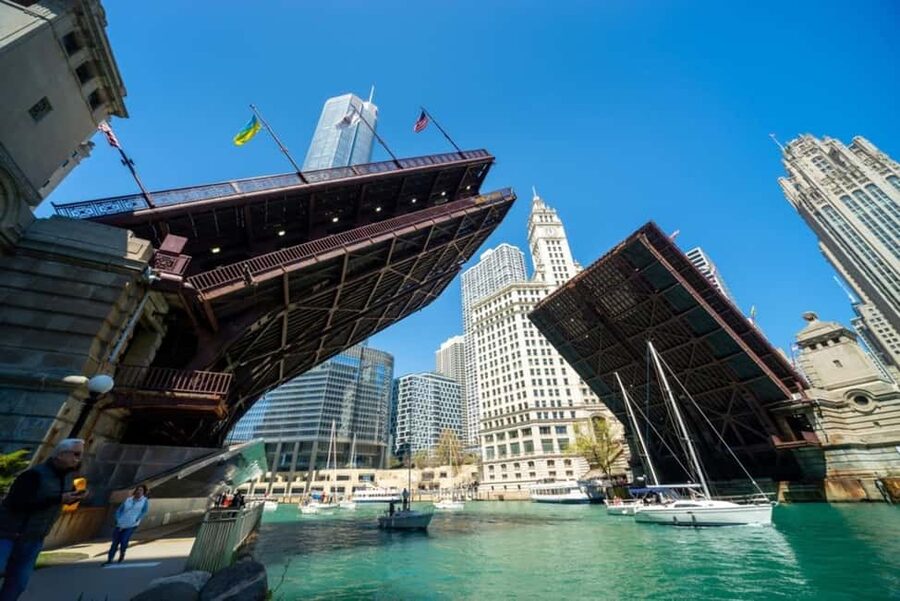
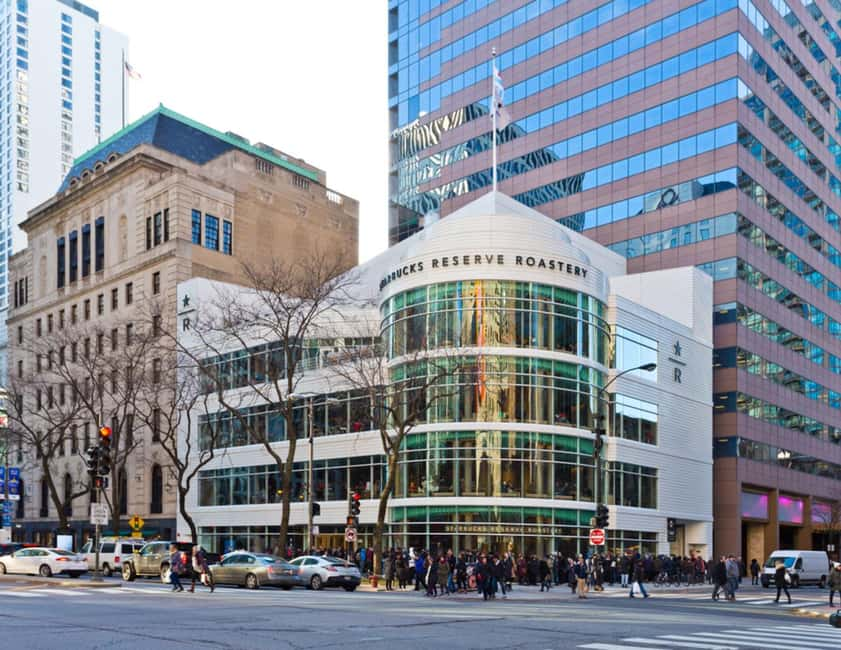
The tour includes the chance to explore Chicago food and drink culture, but the cost of food is not part of the $49 price. You may stop for a classic Chicago savory treat, and the route includes the Starbucks Reserve Roastery as a local-flavor stop.
This is useful if you want your guide to point out food options, but you should budget separately. The tour is not a tasting tour, and you should not arrive expecting a meal or included samples.
I like that the food element is flexible. You can choose what appeals to you rather than paying for a fixed menu. It also lets your guide offer restaurant suggestions based on your interests.
The tradeoff is that the final cost depends on what you buy. At $49, the tour pays for the guide, small group, and city interpretation, not lunch or drinks. If you want a food-focused Chicago experience, use this as a sightseeing walk and book a separate food tour.
What the $49 price delivers
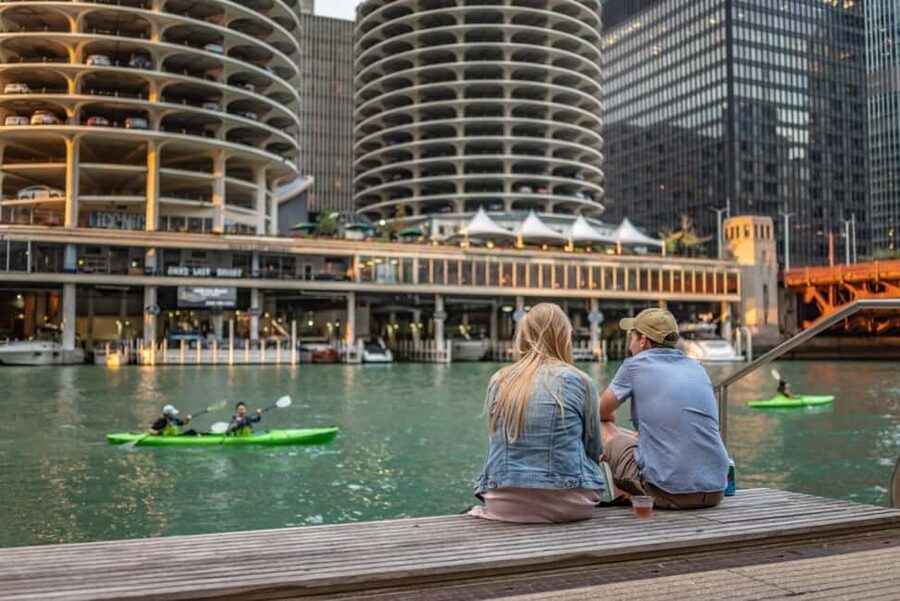
At $49 per person, this is reasonably priced for a 2.5-hour guided walk with a maximum of 10 participants. You are paying for access to a local guide’s time and for the connections between landmarks, not for attraction tickets.
The value is strongest if you are new to Chicago or want a clear orientation on your first day. The route places Millennium Park, the Riverwalk, the DuSable Bridge, the Magnificent Mile, and several major buildings into one organized experience.
It is less valuable if you already know downtown well or want extended time inside museums and skyscrapers. There are no admission tickets, meals, or drinks included.
The small group matters. A guide can answer questions, adjust the pace a little, and add personal details more easily with 10 people than with 40. The strongest feedback centers on guides Andrew and Andy, particularly their explanations of Chicago history, architecture, neighborhoods, traditions, and family connections.
There is one practical reason to confirm your booking details close to the start time. A single reported incident involved a guide missing a same-day afternoon booking because the notification apparently did not reach him. That appears to be an isolated problem, but if you book on short notice, check your confirmation and meeting details carefully.
Who will enjoy this Chicago walk
I would choose this tour if you want a friendly introduction to downtown and prefer stories to a list of dates. It suits first-time visitors, architecture fans who also enjoy history, and anyone who wants a local guide before exploring Chicago on their own.
It is also a good fit for people who like to ask questions. The group size creates a more personal setting, and guides such as Andrew and Andy bring enough local background to make the conversation useful beyond the official route.
Families may appreciate the mix of public art, bridges, reflections at Cloud Gate, skyscrapers, and short storytelling sections. However, the experience lasts 2.5 hours and involves steady urban walking, so young children may find the length tiring.
I would look elsewhere if you need a fully accessible itinerary, a food-inclusive tour, or a technical study of architectural styles. Those details are not promised here. You should also choose a cruise instead if your priority is seeing the skyline from the river with minimal walking.
The tour operates in English and is usually offered in the morning and afternoon. Free cancellation is available up to 24 hours before the start time, and you can reserve now and pay later, which helps if your Chicago plans are still changing.
Should you book the Chicago History and Architecture Walking Tour?
Book it if you want a compact downtown orientation with a strong history angle. The route covers the sights most first-time visitors want, while the guides add the personal stories and practical restaurant advice that make a city walk useful.
Do not book it expecting a formal architecture seminar or included food. You will get a lively mix of buildings, bridges, public art, city history, and local conversation instead.
For $49, the best value comes from using it early in your stay. Let the guide introduce the city, note the places that interest you most, then return later for a river cruise, observation deck, museum, or meal. That makes this walk a sensible first chapter in a larger Chicago visit.
FAQ
How long is the Chicago History and Architecture Walking Tour?
The tour lasts 2.5 hours and is usually offered in the morning and afternoon.
What is the tour price?
The listed price is $49 per person.
Where does the tour meet?
Meet at McCormick Tribune Plaza in front of the Park Grill. Restrooms are available before the tour starts.
What landmarks does the tour include?
The route includes Millennium Park and Cloud Gate, the Chicago Riverwalk, DuSable Bridge, the Magnificent Mile, the Wrigley Building, Tribune Tower, and the John Hancock Building.
Are food and drinks included?
No. Food and drinks are not included in the tour price. The experience may include a stop connected with Chicago food and the Starbucks Reserve Roastery, but you pay for anything you purchase.
Is this a small-group tour?
Yes. The group is limited to 10 participants, and the tour is conducted in English by a live guide.
More Walking Tours in Chicago
- Chicago: Gangsters and Ghosts Walking Tour
★ 5.0 · 7,155 reviews - Chicago Favorites Ultimate Food and Walking Tour
★ 5.0 · 1,962 reviews - Chicago: Gangsters and Ghosts Guided Walking Tour
★ 4.7 · 1,697 reviews - Chicago’s Secret Interiors Architectural Walking Tour
★ 5.0 · 635 reviews
Recently added around Chicago
- Travel between Chicago O’Hare and Madison★ 4.5 · 4 reviews
- Volo Auto Museum: Admission Ticket★ 4.5 · 55 reviews
- Holiday Walking Tour: Underground Chicago via the Pedway★ 5.0 · 27 reviews
- Workers Cottages of Oldtown Triangle Walking Tour★ 5.0 · 45 reviews
- Verse Immersive Holographic Theater in Chicago★ 4.5 · 28 reviews
- Vito’s Vault Chicago finest dinner theatre speakeasy★ 5.0 · 14 reviews
- Delicious Donuts & Sweet Treats: West Loop Walking Tour★ 5.0 · 47 reviews
- Traveling Spoon Chicago-Style Deep Dish Pizza Private Online Cooking Class★ 5.0 · 4 reviews
Chicago Architecture Tours, compared.

Chicago Architecture Center River Cruise aboard First Lady
Read our review →
Architecture River Cruise Skip-the-Ticket Line
Read our review →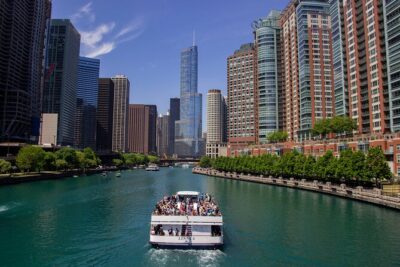
Chicago River 45-Minute Architecture Tour from Magnificent Mile
Read our review →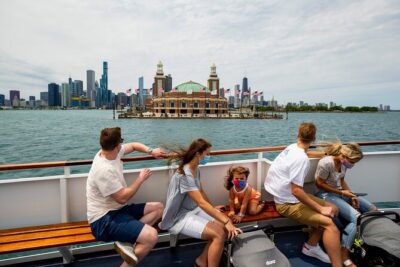
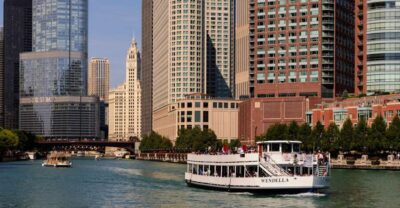
45-Minute Family-Friendly Architecture River Cruise
Read our review →Browse the lists this tour appears in