
Reviewed · CHICAGO WALKING TOURS
Walking Tour: Chicago’s Prairie Ave Dist. – Street of the Elite
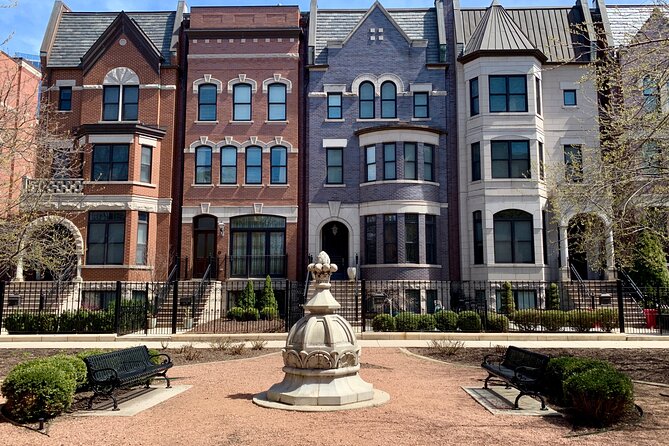
Chicago’s Prairie District tells Chicago’s story through grand homes, old churches, blues history, and a short ride on the Green Line. This four-hour walk gets you beyond the Loop’s usual sights and into the streets where elite Chicagoans lived at the turn of the 20th century.
I like the small-group format, capped at eight in the tour highlights, and the unusual mix of stops, from Chess Records to Glessner House. I also like that transit tickets, church access, and the Glessner House fee are covered. The main drawback is the physical side: you walk for much of the morning and may need to climb stairs at train stations.
Key points to know before booking
- Start with a historic hotel: The Chicago Athletic Association is both the meeting point and the first architectural stop.
- Ride Chicago’s Green Line: Transit is part of the experience, and tickets are included.
- See two interiors properly: Second Presbyterian Church and Glessner House include private docent-led visits.
- Connect blues and high society: Chess Records and Prairie Avenue reveal very different sides of Chicago life.
- Take a real neighborhood break: Spoke & Bird provides time for a snack or drink, though purchases cost extra.
- End with a Palmer House brownie: The final stop combines a famous hotel lobby with a small sweet treat.
Why this four-hour Prairie District walk is worth your morning
I like this tour because it makes Chicago’s past feel local and physical. You are not simply looking at a row of old buildings from a sidewalk. You move through several layers of the city, beginning in a grand Loop hotel, riding the L, visiting a church and preserved house, and pausing at a neighborhood cafe.
The route also avoids the standard downtown circuit. You will still begin and end in the Loop, but the main part of the morning takes place south of the central business district. That gives you a different view of Chicago, one tied to the city’s post-Civil War growth, wealthy families, architecture, music, and changing neighborhoods.
At $80 per person, the price is reasonable if you value guided access and interpretation. The fee includes transit tickets, the church donation or admission cost, the Glessner House fee, and a local guide. Food and drinks are not included, so set aside a little extra for Spoke & Bird if you want more than the final sweet treat.
The group size deserves a close look. The main description presents the walk as a small-group experience with a maximum of eight people, while the additional booking details give a maximum of ten. Either way, this is intended to be a compact group rather than a large crowd. If group size matters to you, confirm the current limit when booking.
More walking tours in Chicago:
- Chicago: Gangsters and Ghosts Walking Tour
★ 5.0 · 7,155 reviews - Chicago Favorites Ultimate Food and Walking Tour
★ 5.0 · 1,962 reviews - Chicago: Gangsters and Ghosts Guided Walking Tour
★ 4.7 · 1,697 reviews
Starting inside the Chicago Athletic Association
Meet at 10 a.m. at the Chicago Athletic Association, located at 12 South Michigan Avenue. The building gives the tour a strong opening because you begin inside a historic hotel rather than gathering on an ordinary street corner.
The first segment lasts about 50 minutes. Your guide introduces the building, then leads you toward Washington and Wabash to board the Green Line. This opening matters because it sets up two themes that continue through the morning: Chicago’s grand public architecture and the practical city that connects its neighborhoods.
Guide Tom is specifically associated with this tour, and his approach includes explaining how to use the L. If you are unfamiliar with Chicago’s elevated trains, this is a useful part of the morning rather than a simple transfer. You get a short lesson in moving around the city while heading toward the Prairie District.
The meeting point is easy to reach by public transportation, but arrive with enough time to find the hotel entrance. A four-hour tour can feel rushed if you start late, especially since the route includes several timed indoor visits.
Chess Records and Chicago’s blues connection
After leaving the Cermak L station, you take a short walk to Chess Records. The visit lasts about 30 minutes and focuses on the building connected with some of Chicago’s best-known and most influential blues music.
This stop adds welcome contrast to the mansions and formal interiors later in the route. The Prairie District is often presented through wealthy families and polished architecture, but Chicago’s cultural story is much broader. Chess Records brings music, recording, and the city’s blues tradition into the same morning.
The stop is listed as an exterior or interpretive visit rather than a full recording-studio tour. That distinction matters. You are learning about the building and its place in Chicago music history, not attending a concert or spending a long period inside a museum.
I would pay close attention here even if you are mainly interested in architecture. It shows how the neighborhood’s meaning changed over time. The same part of the city that once represented wealth and social power became connected with an important chapter in American music.
Second Presbyterian Church and its detailed interior
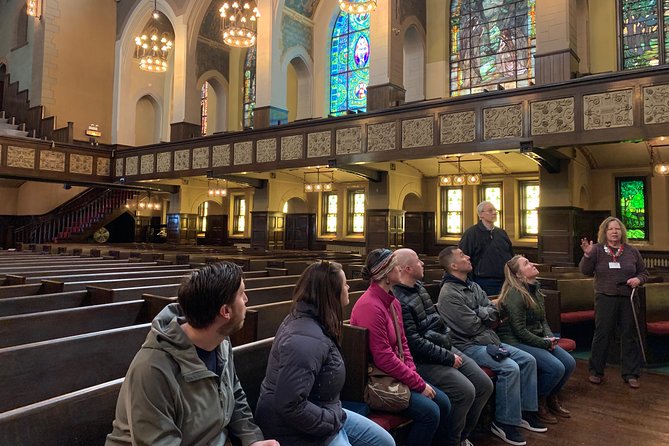
The Second Presbyterian Church receives about 40 minutes, including a private docent-led mini tour. This is one of the strongest parts of the walk for anyone who cares about interiors, religious art, or historic architecture.
A docent-led visit gives you more than a quick look through the doorway. You can expect focused interpretation of the church itself, with time to notice details that are easy to miss when passing on your own. The tour description singles out the church as one of the key Prairie District sights, and the included donation or fee means you do not need to arrange separate admission.
The pace here should suit you if you prefer a few well-explained places over a long list of photo stops. Forty minutes is enough to make the building meaningful without turning the entire morning into a church tour.
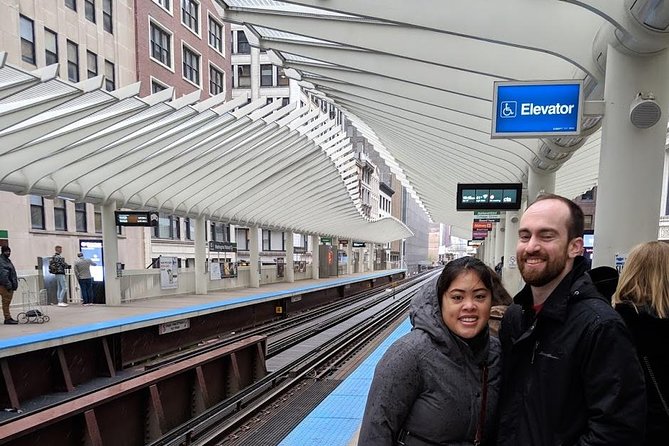
Keep in mind that this is a walking tour, not a private car outing. The route between the station, church, cafe, and houses adds up. Wear shoes you can use comfortably for several hours and be ready for stairs on the L, since not every station has an elevator.
Different part of the city, different kind of afternoon:
- Chicago Architecture River Cruise
★ 5.0 · 15,756 reviews - Chicago River 90-Minute Architecture Tour
★ 4.5 · 9,629 reviews - Chicago River: 1.5-Hour Guided Architecture Cruise
★ 4.8 · 8,046 reviews - Chicago Architecture Center River Cruise aboard First Lady
★ 5.0 · 5,536 reviews
A pause at Spoke & Bird
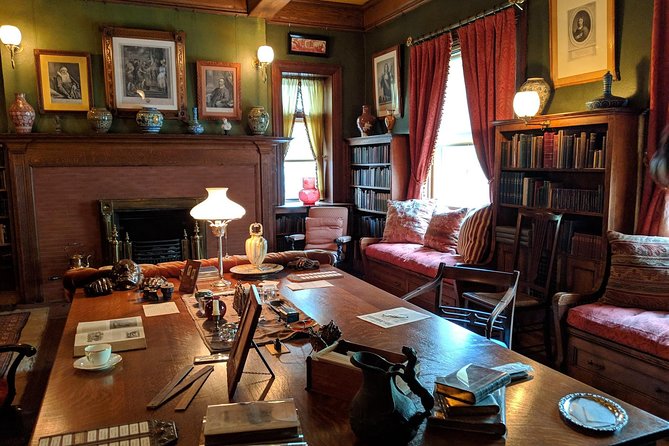
The Spoke & Bird stop lasts about 30 minutes. It is described as an employee-owned and woman-owned cafe, and you have the chance to buy a snack or drink.
This break improves the rhythm of the morning. After the train ride and church visit, you get a place to sit or pause before the home tours. Purchases are optional, and food and beverages are not part of the $80 price, so you can decide what fits your budget.
I like the stop because it gives you a small piece of present-day neighborhood life. The church and historic houses look backward. A local cafe shows you how the area functions now, even if the visit is brief.
Do not count on the cafe as a full meal unless you make your own choice to purchase enough food. The experience only promises a snack and drink opportunity. If you need a substantial breakfast or lunch, plan around the 10 a.m. start and four-hour duration.
Glessner House, where a mansion becomes personal
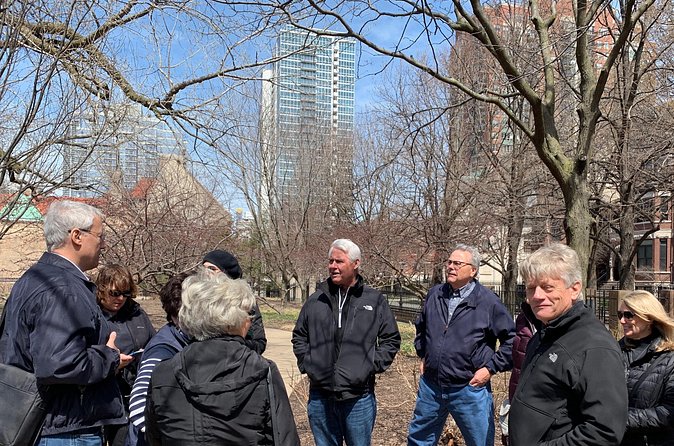
Glessner House gets another 40-minute private docent-led mini tour. For many people, this will be the architectural centerpiece of the experience.
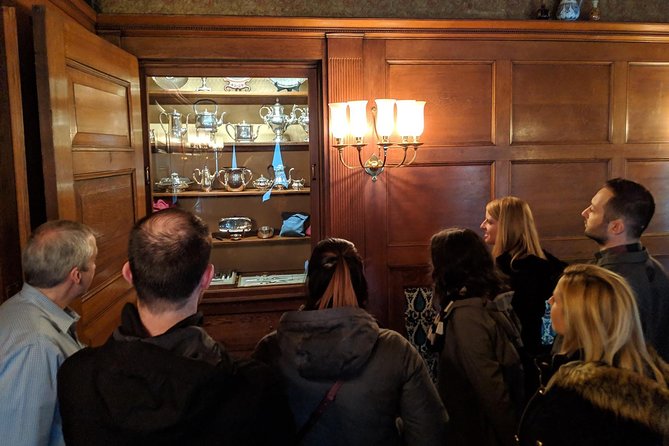
The value here is not just seeing an impressive old residence. You learn how an elite Chicago household lived at the turn of the 20th century, which gives context to the Prairie District’s grand streets. A house can tell you about family life, status, domestic space, and the way wealthy residents wanted their homes to look and function.
The private docent-led format is important. Instead of trying to absorb the building while another group moves around you, you receive a focused explanation tied to the house. The tour fee is included, so the $80 cost covers one of the more substantial access points on the route.
Forty minutes is a useful middle ground. You get enough time to form an impression and ask questions, but the visit does not consume the whole day. If you want to inspect every room at a slow pace, you may find the schedule brisk. If you prefer a clear introduction before exploring more on your own, the timing works well.
Clarke House and Chicago’s oldest house
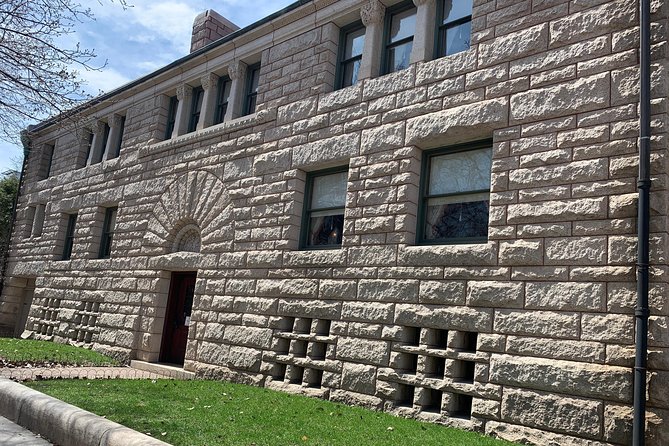
Clarke House Museum is a short 10-minute stop. You see what is described as the oldest house in Chicago and hear how elite Chicagoans lived at the turn of the century.
This is a quick look, not a full museum visit. That makes it useful as a link between Glessner House and the wider story of the neighborhood, but it should not be the main reason you book the tour. The short time gives your guide room to point out the house and explain its importance without adding another long indoor appointment.
I appreciate the contrast between Clarke House and Glessner House. One stop gives you a more developed docent-led look, while the other works as a concise architectural and social history lesson. Together, they help you understand that Prairie District history is not limited to one famous address.
Returning to the Loop and the Palmer House finale
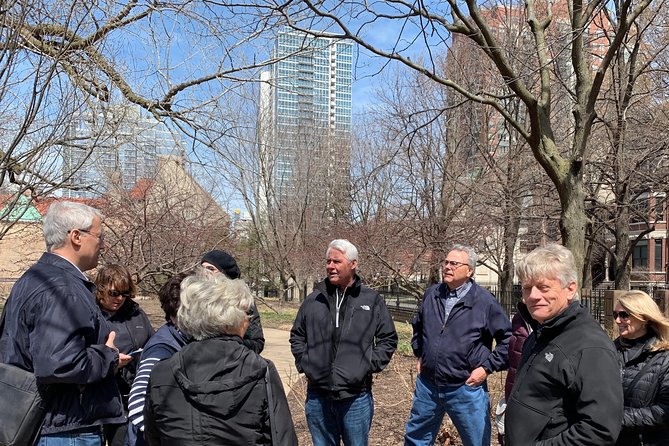
The tour returns to the Loop by train and ends at the Palmer House Hilton at 17 East Monroe Street. The final 40 minutes focus on the hotel’s historic lobby and include a sweet treat.
This ending brings the morning back to where it began: a grand downtown hotel. The Palmer House lobby gives you one last chance to look up, slow down, and consider the scale of old Chicago hospitality. The brownie is a small touch, but it gives the tour a pleasant finish without pretending to be a full meal.
The endpoint is practical. You finish near the Chicago Athletic Association and other central Loop sights, with access to public transportation. If you have afternoon plans downtown, the location makes it easy to continue on your own.
The final stop also gives the tour a pleasing shape. You start with a historic hotel, move south into the Prairie District, and return to another famous hotel. In between, the route covers music, religion, domestic life, public transit, and neighborhood commerce.
Walking, stairs, and the pace of the day
You should have a moderate level of fitness for this experience. The tour runs about four hours and includes walking between stops, a train ride in each direction, and time on your feet inside historic buildings.
The most specific physical warning concerns stairs. Some Chicago train stations are not equipped with elevators, so you need to be able to climb stairs. This is not the right pick if you require step-free transit throughout the route.
The schedule has seven stops, but they are not all equal. The longest sections are the Chicago Athletic Association introduction, the Second Presbyterian Church, Glessner House, and Palmer House. Chess Records and Clarke House are shorter, while Spoke & Bird provides a pause.
Bring a comfortable pair of shoes and avoid treating this as a quick photo walk. The best parts depend on listening to the guide and docents, not just checking off addresses. Tom’s explanation of the L is especially helpful if you want to understand how Chicago’s elevated train fits into daily city movement.
Who will get the most from this tour
I would recommend this walk to you if you have already seen the main Loop sights and want a more focused look at Chicago’s old residential districts. It also suits anyone who enjoys architecture, city history, historic interiors, or learning how a neighborhood changed over time.
It is a good choice for a first-time visitor who wants more context than a standard downtown walk provides. The route gives you a practical introduction to Chicago transit, so you gain a little confidence moving beyond the central sights.
You may want a different experience if you prefer a relaxed cafe morning, a single museum, or a tour with almost no walking. The itinerary is full, and the four hours include transportation as well as visits. The optional cafe purchase and final sweet treat are pleasant additions, but neither replaces a proper meal.
The tour also has a strong appeal for Chicago residents and repeat visitors. If you have lived in the area for years but never explored Prairie Avenue, the walk organizes a part of the city that can be easy to overlook. The combination of post-Civil War history, mansions, church interiors, blues, and historic hotels gives the morning more range than its four-hour length suggests.
Booking value, timing, and cancellation
The price is $80 per person, with a mobile ticket and confirmation at booking. Since transit tickets and admission-related costs for the church and Glessner House are included, you are paying not only for the guide but also for access that would take more effort to arrange independently.
The tour is often booked well ahead, with an average booking time of 37 days before the experience. That does not guarantee every date will sell out, but it is a useful sign that you should reserve early if your Chicago schedule is fixed.
Free cancellation is available up to 24 hours before the 10 a.m. start time. Changes or cancellations inside that window are not accepted for a refund. The tour also requires a minimum number of people, so if the operator cancels for lack of enrollment, you are offered another date or experience, or a full refund.
Should you book Chicago’s Prairie District walk?
Book it if you want a compact, well-organized morning that connects elite homes, blues history, historic churches, and Chicago transit. The included entries, small group, private docent-led visits, and central start and finish make the $80 price fair for a visitor who values explanation over a quick sightseeing loop.
Skip it if stairs, several hours of walking, or an optional food stop do not suit you. For everyone else, this is a smart way to see a less familiar side of Chicago, especially if guide Tom is leading the group and you want both architectural detail and a clear sense of how the Prairie District fits into the city’s larger story.
FAQ
Where does the tour begin?
The tour begins at 10 a.m. at the Chicago Athletic Association, 12 South Michigan Avenue, Chicago, Illinois 60603.
Where does the tour end?
It ends at the Palmer House Hilton, 17 East Monroe Street, Chicago, Illinois 60603.
How long does the tour last?
The experience lasts approximately four hours.
What is included in the price?
The price includes transit tickets, the church donation or fee, the Glessner House fee, and a local expert guide.
Is food included?
No. Food and beverages are not included, though the tour stops at Spoke & Bird for an optional snack or drink. A sweet treat is provided at the Palmer House ending.
How large is the group?
The tour is designed as a small-group experience. The main tour details give a maximum of eight participants, while the additional information lists a maximum of ten.
Do I need to be physically fit?
You should have a moderate level of physical fitness because the experience includes walking and train travel. You should also be able to climb stairs, since some train stations do not have elevators.
Can I cancel for a refund?
Yes. You can cancel at least 24 hours before the start time for a full refund. Cancellations or changes made less than 24 hours before the start are not accepted for a refund.
Recently added around Chicago
- Travel between Chicago O’Hare and Madison★ 4.5 · 4 reviews
- Volo Auto Museum: Admission Ticket★ 4.5 · 55 reviews
- Holiday Walking Tour: Underground Chicago via the Pedway★ 5.0 · 27 reviews
- Workers Cottages of Oldtown Triangle Walking Tour★ 5.0 · 45 reviews
- Verse Immersive Holographic Theater in Chicago★ 4.5 · 28 reviews
- Vito’s Vault Chicago finest dinner theatre speakeasy★ 5.0 · 14 reviews
- Delicious Donuts & Sweet Treats: West Loop Walking Tour★ 5.0 · 47 reviews
- Traveling Spoon Chicago-Style Deep Dish Pizza Private Online Cooking Class★ 5.0 · 4 reviews
Chicago Walking Tours, compared.


Chicago Favorites Ultimate Food and Walking Tour
Read our review →
Chicago in a Day: Food, History & Architecture Walking Tour
Read our review →
Chicago’s Secret Interiors Architectural Walking Tour
Read our review →

Browse the lists this tour appears in