
Reviewed · CHICAGO WALKING TOURS
Chicago Loop Walking Tour
Chicago’s Loop is best understood from the sidewalk, where grand buildings, elevated trains, and small architectural details come together. This two-hour walk begins at the Chicago Cultural Center, with its enormous Tiffany glass dome, then moves through the downtown core with stories about architecture, art, and city life.
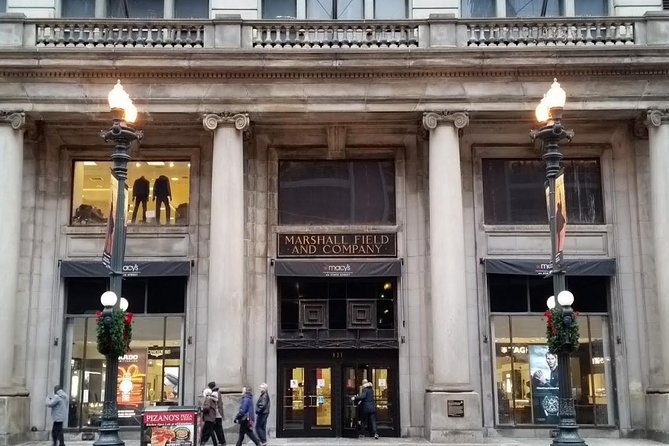
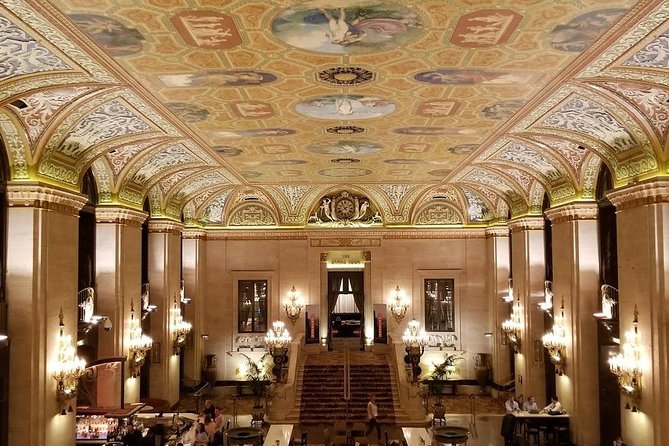
I like the small maximum of 10 people, which gives the guide room to answer questions and adjust the pace. I also like the focus on interiors, including the former Chicago Public Library and the Marshall Field building, rather than simply pointing out façades from the street. The main drawback is physical: you will be walking for about two hours in all weather, and the tour is not recommended if you have mobility issues.
Key points at a glance
- Start beneath the world’s largest Tiffany dome: The Chicago Cultural Center is an impressive first stop, and admission is included.
- A compact group keeps the walk personal: The maximum is 10 people, with room for questions and conversation.
- Architecture comes with social history: Guides connect buildings to the people, events, and changing city behind them.
- Expect interiors as well as street views: The former library and Marshall Field building are among the memorable places discussed.
- A useful first-day tour: The route gives first-time visitors a working sense of the Loop in just two hours.
- Plan for Chicago weather: Dress for the forecast, since the tour operates in all weather conditions.
Why the Chicago Loop makes a good walking tour
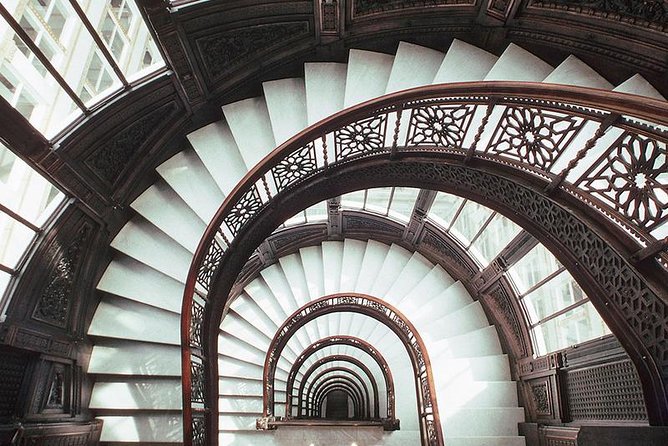
The Loop can feel like a wall of office towers if you rush through it. Slow down, look up, and the downtown core becomes a record of Chicago’s growth, ambition, commerce, art, and civic life.
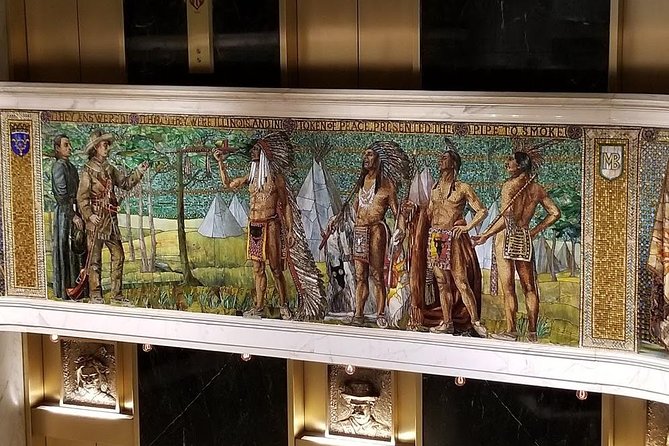
That is the strength of this experience. You are not simply collecting photographs of famous buildings. You are learning how to notice the details that most people pass without seeing, from decorative mosaics to historic interiors and architectural changes hidden in plain sight.
The tour covers a compact central area between the Chicago Cultural Center and the Marquette Building. That makes it a sensible choice if you have only a short time in Chicago, or if you want some context before exploring the city on your own.
The format also helps. With no more than 10 people, the guide can speak to the group without shouting constantly. You can ask about a building that catches your eye, and the guide has a better chance of tailoring the conversation to your interests.
More walking tours in Chicago:
- Chicago: Gangsters and Ghosts Walking Tour
★ 5.0 · 7,155 reviews - Chicago Favorites Ultimate Food and Walking Tour
★ 5.0 · 1,962 reviews - Chicago: Gangsters and Ghosts Guided Walking Tour
★ 4.7 · 1,697 reviews
Starting at the Chicago Cultural Center
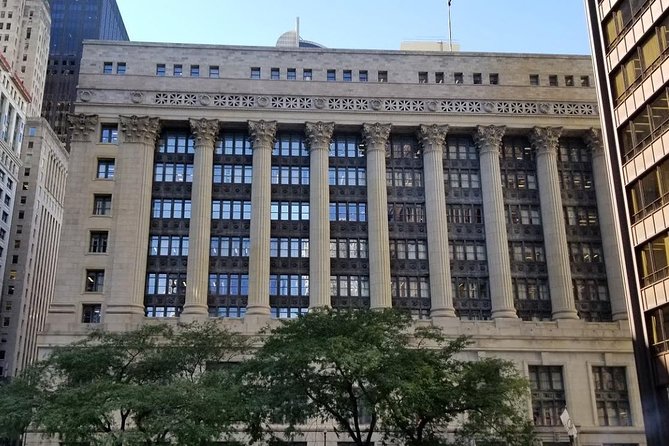
The meeting point is the Chicago Cultural Center, at 78 E Washington Street. The tour begins at 11:00 a.m., so plan to arrive early enough to find the building and meet the guide without rushing.
The Cultural Center is more than a convenient starting point. Its grand interior sets the tone for the walk. The mosaics and art glass by Healy and Millet reward a slow look, while the huge Tiffany dome provides the visual centerpiece.
The dome is described as the largest Tiffany dome in the world, a detail that gives this opening stop real weight. Even if you are not an architecture specialist, the scale and color make it an easy place to appreciate.
About 20 minutes are allotted here. That is enough time to take in the main interior and hear why the building matters, though it is not a long museum visit. If you want to study every mosaic or spend time at exhibitions, you will need to return separately.
This opening stop also teaches you how to approach the rest of the tour. Look at ceilings, doorways, stonework, and decorative surfaces, not just the skyline. Chicago’s best details are often at eye level or above it.
Architecture explained through people and city life
The tour’s main subject is architecture, but it does not treat buildings as isolated objects. Guides connect design with Chicago’s past and with the social changes that shaped the Loop.
Kevin is the guide most often associated with this experience, while Marlin and Keith Doerksen of Wild Onion Walks Chicago have also led walks. The descriptions of Kevin’s guiding style point to a lively blend of architecture, local history, and social history. He is also praised for answering questions and making complex subjects easy to follow, including for people who speak English as an additional language.
That matters because Chicago architecture can become a list of dates and styles if it is presented too formally. A good guide turns the buildings into a sequence of choices and consequences: what the city wanted to show, who paid for it, how people used the space, and what changed over time.
The tour reaches across several centuries of Chicago’s story, with one especially detailed account describing coverage from the 1670s through the 1970s. You should not expect a full history course in two hours, but you will get a useful framework for understanding the city.
The guide may also point out places you would otherwise walk past. That is one of the most practical benefits here. After the tour, you are more likely to notice decorative work, historic signs, and public interiors while exploring alone.
Looking inside the former Chicago Public Library
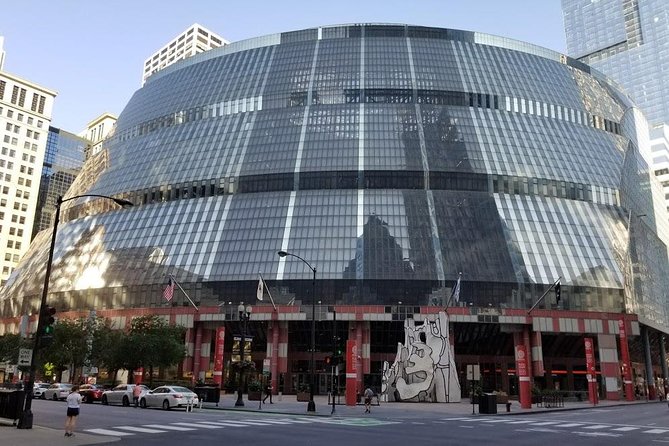
One of the most memorable architectural stops is the former Chicago Public Library. The building is a good example of why this tour is more than a standard street walk.
A guide can explain how a civic building was designed to serve the public, not merely house offices. Details that might seem decorative at first become part of a larger story about education, civic pride, and the way Chicago presented itself.
The former library is also a useful contrast with the large commercial buildings nearby. You can see how different purposes shaped different interiors, even when the buildings occupy the same downtown streets.
The exact route and access to individual interiors can depend on conditions on the day. Still, the experience is clearly built around entering or viewing notable buildings where possible, rather than staying entirely outdoors.
If you enjoy architecture, this is likely to be one of the strongest parts of the walk. If you prefer a fast tour of famous sights, the amount of detail may feel slower, but that slower pace is where much of the value lies.
Different part of the city, different kind of afternoon:
- Chicago Architecture River Cruise
★ 5.0 · 15,756 reviews - Chicago River 90-Minute Architecture Tour
★ 4.5 · 9,629 reviews - Chicago River: 1.5-Hour Guided Architecture Cruise
★ 4.8 · 8,046 reviews - Chicago Architecture Center River Cruise aboard First Lady
★ 5.0 · 5,536 reviews
The Marshall Field building and Chicago commerce
The Marshall Field building adds another side of Loop history. Its importance is tied to Chicago’s commercial life and the city’s long relationship with department stores, shopping, and downtown culture.
This is the sort of place that can look like another large building until someone explains its role. A guide can help you see how commerce shaped the streets around it and why certain buildings became destinations in their own right.
The tour also gives you a chance to compare public, commercial, and office architecture within a small area. That variety keeps the walk from becoming a parade of similar façades.
I especially like this part of the route for visitors who want more than a list of architectural names. The buildings have practical stories. They show how people worked, shopped, gathered, and moved through Chicago at different points in the city’s development.
Small details and less obvious places
Several descriptions of the experience point to unique spots that are easy to miss alone. The guide’s job is not only to take you to the most recognizable address, but also to help you see what is already around you.
That can mean a mosaic, a decorative interior, a historic detail, or a building with a story that is not obvious from the street. You may find that the best moments are not the grandest ones, but the details you would never have known to look for.
This approach is particularly useful on a first visit. You get a basic map of the Loop, but you also learn how to read the city. Later, you can return to buildings that caught your attention and spend more time there.
The walk is also suitable for repeat visitors who feel they already know downtown. A local guide can shift the focus away from the most familiar sights and explain places you have passed without really seeing.
Pace, weather, and physical demands
The tour lasts about two hours and requires a moderate level of physical fitness. It is not recommended for people with mobility issues, so consider the walking time, uneven city conditions, and possible need to remain standing.
Chicago weather can change the feel of the experience. The walk operates in all weather conditions, and the provider asks you to dress appropriately. Comfortable shoes are essential. In cold weather, gloves and a warm coat will make the stops more enjoyable. In hot or humid conditions, water and light clothing will help.
The guide may adjust the pace when conditions are difficult. That flexibility is useful, but it cannot remove the basic demands of a walking tour. If the forecast is unpleasant, think carefully before booking a route that spends two hours moving between outdoor locations and buildings.
The 11:00 a.m. start is practical. It gives you time to reach the Cultural Center in the morning and leaves much of the afternoon open for museums, shopping, food, or another neighborhood.
Is $60 a fair price?
At $60 per person, this is not the cheapest way to see downtown Chicago. The value depends on how much you want from a guide-led experience.
You are paying for a two-hour small-group walk, a local guide, and commentary focused on architecture and city history. Food, drinks, and hotel transportation are not included. You should also budget for your own way to and from the meeting points, though the starting area is near public transportation.
For a first-time visitor, the price can make sense because the tour uses your limited time efficiently. You receive a clear introduction to the Loop, see important interiors, and learn what deserves a closer look later.
The value is stronger if you enjoy architecture, urban history, or local stories. It is less compelling if you mainly want transportation between landmarks or prefer to explore silently at your own speed.
A group limit of 10 is important here. A large public tour might cost less, but it would be harder to ask questions or hear every explanation. The smaller format makes this feel closer to a guided conversation than a moving lecture.
The experience is also booked well ahead, with an average booking lead time of 49 days. That suggests you should not leave it until the last minute if the date matters to you.
Who will enjoy this walk most
I would choose this tour for a first visit, a short Chicago stay, or a return trip focused on architecture. It is also a good option for solo visitors, couples, and families with older children or teenagers who can manage two hours on foot.
The experience can work well with teenagers because the guide links architecture to social and local history rather than relying only on technical terms. A curious teenager may come away with a better sense of how a city changes over time.
It is also suitable for visitors who want to practice listening to English. The guide is described as using clear, accessible English, which can make the stories easier to follow in a noisy downtown setting.
You may want a different experience if you have limited mobility, dislike outdoor walking, or want a tour built around food, nightlife, or shopping. This is a history and architecture walk first.
Practical details before you reserve
The tour starts at the Chicago Cultural Center, 78 E Washington Street, and ends at the Marquette Building, 140 S Dearborn Street. Hotel pickup and drop-off are not included.
You receive confirmation when booking, but you should contact the local supplier before the tour to schedule the departure time for your selected day. The listed start time is 11:00 a.m., so confirm the details rather than relying only on your memory of the booking.
The experience is offered in English and uses a mobile ticket. Public transportation is nearby, which makes the central meeting point fairly convenient.
Free cancellation is available if you cancel at least 24 hours before the start time. Changes or cancellations made inside that window are not accepted for a refund. If poor weather causes the operator to cancel, you will be offered another date or a full refund.
Should you book the Chicago Loop Walking Tour?
Book it if you want Chicago explained rather than simply photographed. The strongest reasons are the small group, the chance to see notable interiors, and the guide’s focus on architecture alongside personal and social stories.
Kevin appears to be the guide most closely tied to the experience, with Marlin and Keith also associated with Wild Onion Walks Chicago. You cannot necessarily choose who leads your walk, so contact the supplier if having a particular guide matters to you.
I would skip it if two hours of walking sounds tiring or if your main goal is a quick checklist of attractions. For everyone else, especially architecture fans and first-time visitors, $60 buys a useful introduction to the Loop and a better way to notice the city after the tour ends.
FAQ
Where does the Chicago Loop Walking Tour begin?
The tour begins at the Chicago Cultural Center, 78 E Washington Street, Chicago, Illinois 60602.
Where does the tour end?
The walk ends at the Marquette Building, 140 S Dearborn Street, Chicago, Illinois 60603.
What time does the tour start?
The listed start time is 11:00 a.m. You should contact the local supplier before the tour to schedule the departure time for your selected day.
How large is the tour group?
The tour has a maximum of 10 travelers.
Is the tour suitable for people with mobility issues?
No. A moderate level of physical fitness is recommended, and the experience is not recommended for people with mobility issues.
What happens if bad weather cancels the tour?
If the operator cancels because of poor weather, you will be offered a different date or a full refund. The tour otherwise operates in all weather conditions, so dress appropriately.
Recently added around Chicago
- Travel between Chicago O’Hare and Madison★ 4.5 · 4 reviews
- Volo Auto Museum: Admission Ticket★ 4.5 · 55 reviews
- Holiday Walking Tour: Underground Chicago via the Pedway★ 5.0 · 27 reviews
- Workers Cottages of Oldtown Triangle Walking Tour★ 5.0 · 45 reviews
- Verse Immersive Holographic Theater in Chicago★ 4.5 · 28 reviews
- Vito’s Vault Chicago finest dinner theatre speakeasy★ 5.0 · 14 reviews
- Delicious Donuts & Sweet Treats: West Loop Walking Tour★ 5.0 · 47 reviews
- Traveling Spoon Chicago-Style Deep Dish Pizza Private Online Cooking Class★ 5.0 · 4 reviews
Chicago Walking Tours, compared.


Chicago Favorites Ultimate Food and Walking Tour
Read our review →
Chicago in a Day: Food, History & Architecture Walking Tour
Read our review →
Chicago’s Secret Interiors Architectural Walking Tour
Read our review →

Browse the lists this tour appears in