
Reviewed · CHICAGO WALKING TOURS
Chicago Mobs and Haunts Walking Tour
Chicago’s darkest stories come alive on this walk through the Loop. You’ll hear about Al Capone’s old hangouts, haunted hotels, tragic theater tales, and crime under the elevated train tracks, all while crossing the center of the city.
I like the mix of mob lore and ghost stories, and I like that the route doubles as a quick introduction to central Chicago. Guides including Lark, Bryson, Alyssa, Mitchell, and Tyson have earned praise for sharp storytelling and humor. The main drawback is clear: this is an outdoor walking tour, not a series of indoor visits to old crime sites.
I also like the price. At $34, you get about 90 minutes to two hours with a local guide and a small group capped at 20 people. Just bring comfortable shoes, dress for the weather, and keep your expectations focused on stories told from public streets rather than access inside private buildings.
Key points to know before you book
- Al Capone’s Chicago: Stop at the Exchequer Restaurant and Pub, once known as the 226 Club and linked to Capone.
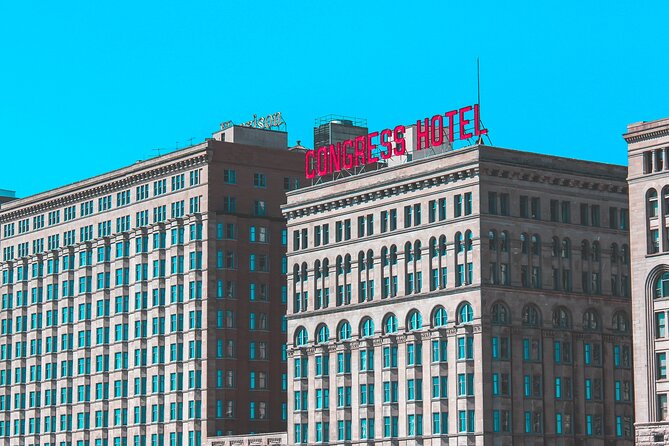
- Haunted Chicago: Hear unsettling stories at the Congress Plaza Hotel and West Couch Place, known as the Alley of Death.
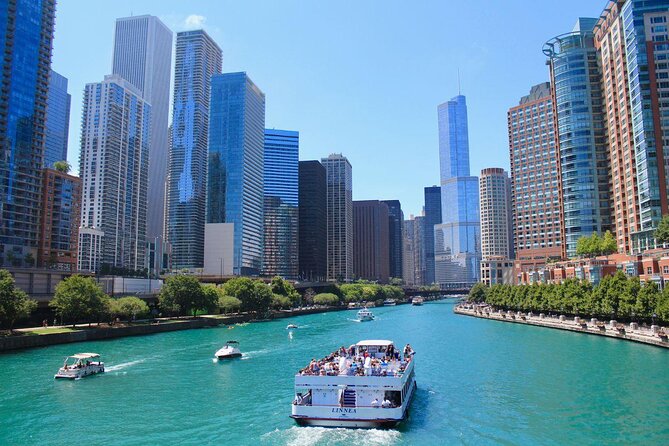
- A useful city orientation: The route ends near North Michigan Avenue and the Chicago River, putting you in a handy spot for dinner or more sightseeing.
- Strong guide presence: Lark, Bryson, Alyssa, Mitchell, Ben, Justin, Kevin, and Tyson have all been praised for energy, humor, and local stories.
- Outdoor format: You see locations from the street. The buildings are not opened for the tour.
- Weather matters: You spend much of the time standing outdoors, and train noise can make parts of the talk harder to hear.
What this Chicago mob and ghost walk is really like
This is not a traditional architecture tour with a quick mention of Al Capone. It is built around crime, tragedy, ghosts, vice, and the unsettling stories that sit behind familiar downtown streets.
The route begins near the Congress Plaza Hotel on South Michigan Avenue and finishes at North Michigan Avenue and East Wacker Drive. Along the way, you pass through the Chicago Loop, walk near the elevated tracks, stop at a former mob hangout, and hear stories tied to hotels, theaters, alleys, and old city scandals.
The advertised duration is about one hour and 30 minutes to two hours. Several people have described the route as roughly two miles, with five or more storytelling stops depending on how the guide shapes the walk. You should expect a steady but manageable pace, with plenty of pauses to listen.
I would think of this as a story walk first and a sightseeing walk second. You are not entering a museum, touring old speakeasy interiors, or examining preserved crime scenes. You are standing on modern Chicago streets while the guide explains what happened there and what the area once represented.
That distinction matters. If you want atmosphere, local tales, and a slightly eerie way to see downtown, the format works well. If you want to physically enter historic mob locations, you may find the experience too dependent on imagination.
More walking tours in Chicago:
- Chicago: Gangsters and Ghosts Walking Tour
★ 5.0 · 7,155 reviews - Chicago Favorites Ultimate Food and Walking Tour
★ 5.0 · 1,962 reviews - Chicago: Gangsters and Ghosts Guided Walking Tour
★ 4.7 · 1,697 reviews
Starting at the Congress Plaza Hotel
The first stop is the Congress Plaza Hotel and Convention Center at 520 South Michigan Avenue. The hotel provides an immediate mood shift. It is a grand downtown building with a reputation for ghost stories, and the guide uses it to introduce Chicago’s darker side.
You hear harrowing tales connected with one of the city’s most haunted hotels. This opening works because it gives the walk a strong sense of place before the route moves into mob history and city vice.
The hotel stop is also practical for orientation. You are on Michigan Avenue, close to Grant Park and within the central part of the city. If you are starting the tour after another downtown activity, the meeting point is easy to connect with by public transportation.
There is no admission charge for the stop, but that does not mean you tour the hotel’s interior as part of the experience. The storytelling takes place in the public setting, and the tour does not promise indoor access.
That pattern continues throughout the walk. The guide supplies the detail, atmosphere, and context. You supply a bit of imagination.
Al Capone at the Exchequer Restaurant and Pub
The second stop is the Exchequer Restaurant and Pub, formerly known as the 226 Club. It is presented as one of Al Capone’s favorite hangouts, making this the clearest mob-focused point on the route.
This is likely to be one of the stops you anticipate most if you book for gangster history. The location gives the guide a concrete place to discuss Capone and the social world around Prohibition-era Chicago.
Still, you should keep the setting in perspective. You stop at the restaurant and hear the story. You do not receive a separate indoor tour of a preserved Capone club. The building is a private business, and the experience is built around what can be explained from the street.
That is not necessarily a weakness. A good guide can use a single address to explain how mob figures moved through Chicago, where they met, and how vice became part of the city’s public life. The quality depends heavily on the guide’s storytelling, which is why the individual guide matters so much here.
Lark has been praised for knowing the city well and making the walk feel personal. Bryson has also been singled out for strong storytelling, while Alyssa has been described as lively, welcoming, and able to adapt to different interests. The guide assigned to your departure can vary, but these names give you a sense of the style the company aims for.
Under the elevated tracks in the Chicago Loop
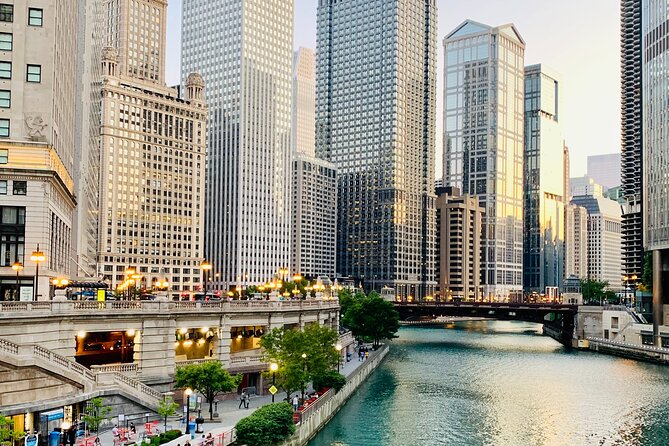
The Chicago Loop section shifts the focus from one famous mobster to the wider city. The route explores the area under the elevated train, once associated with crime, vice, and the rougher side of downtown life.
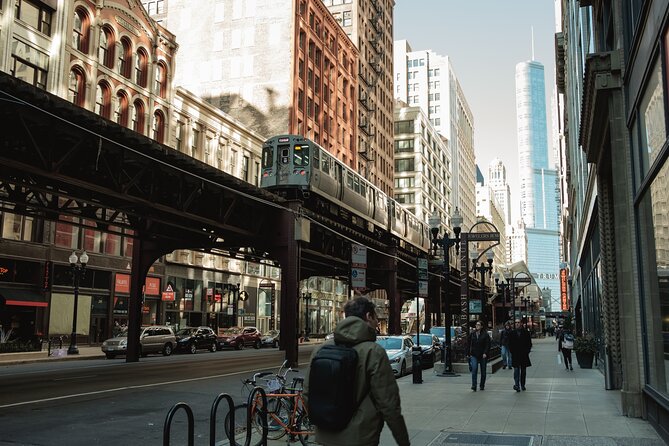
This is one of the more atmospheric parts of the tour. The elevated tracks are not just scenery. Trains, steel, shadows, and narrow streets help you picture a period when the Loop had a very different feel after dark.
It is also the section that requires the most patience. Train noise can interrupt the talk, and one account described frequent pauses while trains passed. Even a strong guide has to compete with metal, brakes, and city traffic.
Mitchell has received praise for speaking up and handling a large group, but the group size can still affect how well you hear. The maximum is 20 people, which is smaller than a big bus tour but large enough to create sound problems in a busy street setting.
You may also find that this portion includes more general Chicago history than tightly focused gangster stories. That broader context is useful. It explains how the city grew, how public spaces changed, and why certain areas gained a reputation for vice. But if your main goal is a long list of gangsters and their exact meeting places, the mob material may feel brief.
One particularly useful point to remember is that some notorious names may not receive much attention. If Dion O’Bannion or John Dillinger are central to your interest, this route may leave you wanting more. The tour is about Chicago’s underworld and its ghosts, not a full survey of every major crime figure.
Different part of the city, different kind of afternoon:
- Chicago Architecture River Cruise
★ 5.0 · 15,756 reviews - Chicago River 90-Minute Architecture Tour
★ 4.5 · 9,629 reviews - Chicago River: 1.5-Hour Guided Architecture Cruise
★ 4.8 · 8,046 reviews - Chicago Architecture Center River Cruise aboard First Lady
★ 5.0 · 5,536 reviews
West Couch Place, the Alley of Death
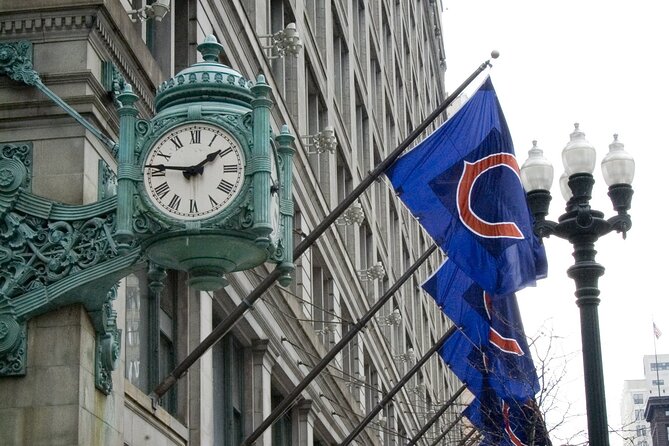
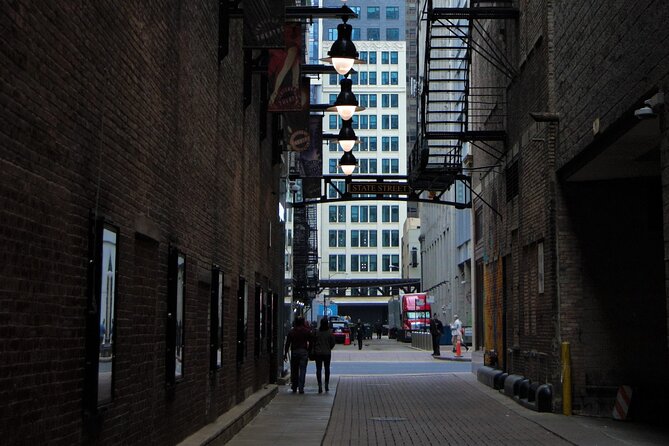
West Couch Place is presented as the Alley of Death, a narrow downtown passage linked with strange and supernatural activity. This stop leans more heavily into the ghost side of the experience.
The alley gives the tour a different texture. Hotels and restaurants connect the stories to people and places, while an alley creates a more enclosed setting. It is easy to see why the guide pauses here for tales of unexplained events, tragedy, and local folklore.
The ghost stories are often among the most memorable parts of the walk. They also explain one of the main divides in the experience. Some people enjoy the mix of disaster, death, and supernatural lore. Others come expecting a gangster tour and feel that the ghost material takes up too much time.
I would book this with an open mind. The title promises mobs and haunts, not mobs alone. If you want only Prohibition crime history, choose a tour that focuses solely on gangsters. If you like old buildings, strange stories, and the darker corners of a city, this balance is more likely to suit you.
Chicago landmarks along the way
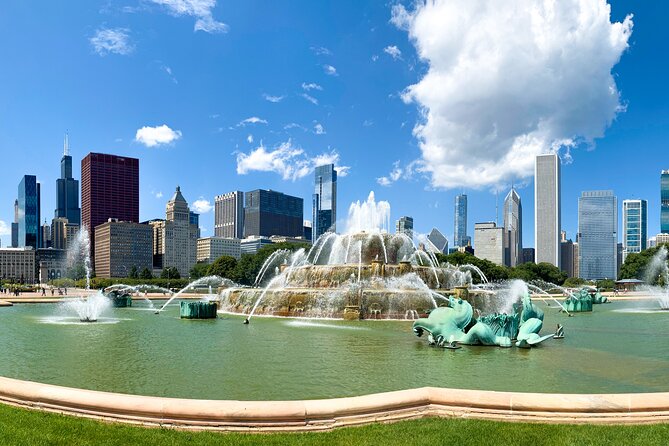
Although the stories are the main attraction, the route also helps you connect several central Chicago landmarks. You see the city around the Loop and pass through an area that makes it easy to continue sightseeing afterward.
The walk begins near Buckingham Fountain and ends by North Michigan Avenue and East Wacker Drive. The finish is useful because you are close to the river, Michigan Avenue, and many places to eat or continue exploring.
One of the tour’s practical strengths is this built-in orientation. You are not being driven from one isolated site to another. You move through the central city on foot, which helps you understand how the districts connect.
The route also gives you a reason to look up and around. You are not simply hearing stories in a meeting room. You are watching trains pass, standing beside active streets, and seeing the modern city layered over older events.
That said, you should not expect a full architecture lesson. Historic buildings and landmarks appear as part of the route, but the focus remains on mob stories, hauntings, tragedies, and vice.
The guides make or break the experience
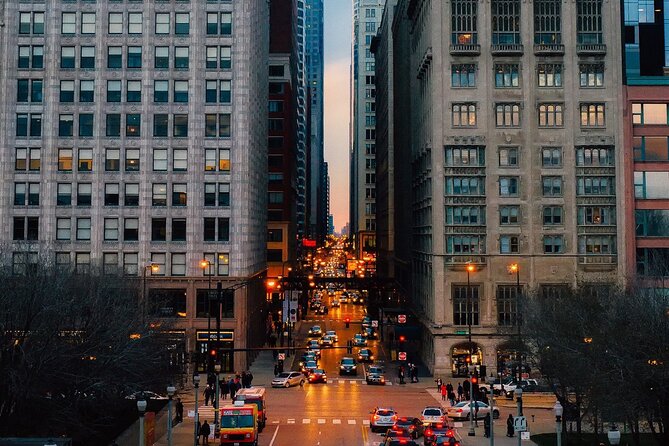
The strongest part of this tour is the guide. The material can be dramatic, but it needs a clear storyteller who can hold attention on a noisy sidewalk.
Lark has been praised for energy, local knowledge, and an easy manner. Bryson has been described as an excellent storyteller who kept the walk fun despite cold weather. Alyssa has received strong praise for enthusiasm, warmth, and the ability to welcome a mixed group that included families, couples, and solo participants.
Other named guides include Mitchell, Tyson, Ben, Justin, and Kevin. Tyson has been praised for combining local information with humor. Ben was described as energetic and full of facts, while Justin was noted for an entertaining approach and a manageable walking pace.
You should also know that guide style can vary. Some guides may speak quickly when they are covering a lot of material. If the group is spread out or the street is noisy, staying close helps.
The tour is generally described as accessible to most people, and service animals are allowed. Still, this is a standing and walking activity, so comfortable footwear matters. One particularly useful tip is to dress warmly in winter. The walk can be enjoyable in cold weather, but you will feel the exposure when you stop for stories.
What you get for $34
At $34 per person, this is reasonably priced for a guided downtown walk lasting up to two hours. You are paying for a local guide, a planned route, and storytelling that adds meaning to places you could otherwise pass without noticing.
The value is strongest if you already plan to spend time in the Loop. You can combine the tour with Grant Park, Buckingham Fountain, Michigan Avenue, or an evening near the river. The ending point makes it easy to continue your plans without backtracking.
The price is less attractive if you expect admission to historic buildings. No indoor attractions are included, and the listed stops do not require an entry ticket. You are paying for interpretation rather than access.
That can still be a good deal. A guide who explains why a corner mattered, how a location gained its reputation, or how a ghost story fits Chicago’s past can turn an ordinary walk into a memorable part of your visit.
The group maximum of 20 keeps the outing more personal than a large sightseeing bus. It does not guarantee perfect acoustics, especially near the train tracks, but it gives the guide a reasonable chance to engage with the group.
Who should book this walk
I would recommend it to first-time visitors who want a different introduction to Chicago. It gives you central landmarks, a sense of the Loop, and stories that go beyond standard sightseeing.
It also suits history fans who enjoy the human side of cities. You hear about mobsters, but also about tragedy, public fear, urban legends, and the way ordinary streets collect layers of memory.
Families can take part, although the subject matter includes crime, death, and ghosts. The tone is designed to entertain, and guides have welcomed groups with children, but parents should decide if those themes fit their children.
Couples and solo visitors can also make good use of it. The walk provides a structured evening activity and ends near places where you can continue with dinner or drinks.
I would be cautious if you want a strict gangster itinerary. You may hear less about specific crime figures than expected, and the ghost stories sometimes take up a large share of the tour. You should also skip it if you dislike outdoor walking, standing, traffic noise, or hearing about locations without entering them.
Booking details worth knowing
The tour is offered in English and uses a mobile ticket. Confirmation arrives when you book, and public transportation is nearby at the starting point.
The meeting point is the Congress Plaza Hotel and Convention Center, 520 South Michigan Avenue. The tour ends at North Michigan Avenue and East Wacker Drive, not back at the starting point.
Free cancellation is available if you cancel at least 24 hours before the start time. Cancellations made within 24 hours are not refunded, and changes inside that window are not accepted.
Because the walk is outdoors, check the forecast before you leave. In cold weather, add layers. In all seasons, wear shoes that are comfortable for roughly two miles of walking and repeated standing.
Should you book the Chicago Mobs and Haunts Walking Tour?
Book it if you want Chicago told through crime, ghosts, and uneasy local stories rather than through a standard list of landmarks. The best guides bring real energy, and the route gives you a useful look at the Loop while connecting places such as the Congress Plaza Hotel, the Exchequer, and West Couch Place.
Skip it if you want indoor access, a detailed catalog of every major gangster, or a tour focused only on Al Capone. The walk is strongest when you treat it as atmospheric storytelling in the streets, with mob history sharing the stage with ghosts and tragedy.
At $34, I consider it a fair choice for a first visit or an evening activity with a darker edge. Stay close to the guide, dress for the weather, and remember that the stories, not entry into the buildings, are what you are buying.
FAQ
How long does the Chicago Mobs and Haunts Walking Tour last?
The tour lasts approximately one hour and 30 minutes to two hours.
Where does the tour begin?
It begins at the Congress Plaza Hotel and Convention Center, 520 South Michigan Avenue, Chicago.
Where does the tour end?
The tour ends at North Michigan Avenue and East Wacker Drive, near the Chicago River and central Michigan Avenue.
What locations are included?
The route includes the Congress Plaza Hotel, the Exchequer Restaurant and Pub, the Chicago Loop under the elevated tracks, and West Couch Place, also known as the Alley of Death.
Does the tour include indoor visits?
No. The tour discusses locations from public streets, and the private buildings are not entered as part of the experience.
Is Al Capone discussed?
Yes. The Exchequer Restaurant and Pub was previously known as the 226 Club and is presented as one of Al Capone’s favorite hangouts.
Is the tour suitable for most people?
Most people can participate, and service animals are allowed. You should be prepared for outdoor walking, standing, traffic noise, and weather exposure.
What is the cancellation policy?
You can cancel for a full refund up to 24 hours before the experience starts. Cancellations or changes made less than 24 hours before the start time are not accepted and are not refunded.
Recently added around Chicago
- Travel between Chicago O’Hare and Madison★ 4.5 · 4 reviews
- Volo Auto Museum: Admission Ticket★ 4.5 · 55 reviews
- Holiday Walking Tour: Underground Chicago via the Pedway★ 5.0 · 27 reviews
- Workers Cottages of Oldtown Triangle Walking Tour★ 5.0 · 45 reviews
- Verse Immersive Holographic Theater in Chicago★ 4.5 · 28 reviews
- Vito’s Vault Chicago finest dinner theatre speakeasy★ 5.0 · 14 reviews
- Delicious Donuts & Sweet Treats: West Loop Walking Tour★ 5.0 · 47 reviews
- Traveling Spoon Chicago-Style Deep Dish Pizza Private Online Cooking Class★ 5.0 · 4 reviews
Chicago Walking Tours, compared.

Chicago Favorites Ultimate Food and Walking Tour
Read our review →
Chicago in a Day: Food, History & Architecture Walking Tour
Read our review →
Chicago’s Secret Interiors Architectural Walking Tour
Read our review →

Browse the lists this tour appears in