
Reviewed · CHICAGO HISTORY TOURS
Historic Homes and Cottages of Wicker Park Walking Tour
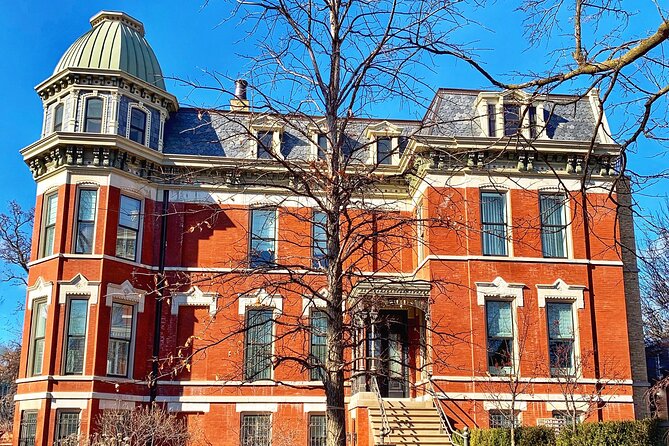
Wicker Park’s most revealing sights are often the homes you could easily walk past. This tour brings you face to face with 40-plus workers’ cottages, old mansions, and historic buildings while explaining how Chicago grew around them. Host Ronnie adds the personal stories and architectural clues that turn an ordinary street into a lesson in city history.
I like the small maximum of eight people, which gives the walk a conversational feel, and I like the Atlas app, which adds photographs and information about the properties. The main caution is physical: the tour description gives conflicting timing, listing it as about 90 minutes in one place and a two-hour-plus, three-mile walk in another. Plan for the longer version.
Key points to know before booking
- More than 40 workers’ cottages: You’ll see a distinctive Chicago house type from the late 1800s, along with several variations in design and construction.
- Ronnie leads the walk: His strong interest in architecture and local history shapes the experience, with stories tied to specific homes.
- A very small group: The tour accepts no more than eight people, useful if you prefer questions and conversation over a large crowd.
- A three-mile route: The walk covers a lot of ground, so good shoes and moderate fitness matter.
- The Atlas app adds context: You can view property photographs and information as you move through the neighborhood.
- A 6 p.m. start: The evening timing gives the outing a distinct after-hours feel, but you should allow enough time for the full route.
Why Wicker Park’s cottages matter
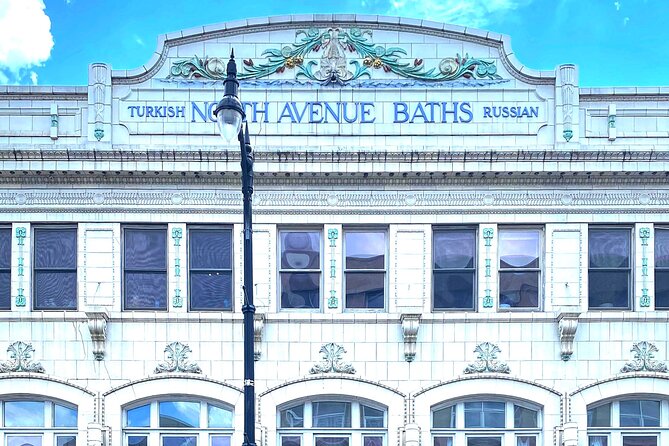
Wicker Park is known today for restaurants, shops, nightlife, and creative energy. This walk asks you to look past that modern identity and focus on the residential streets, where small cottages sit beside larger homes and later buildings.
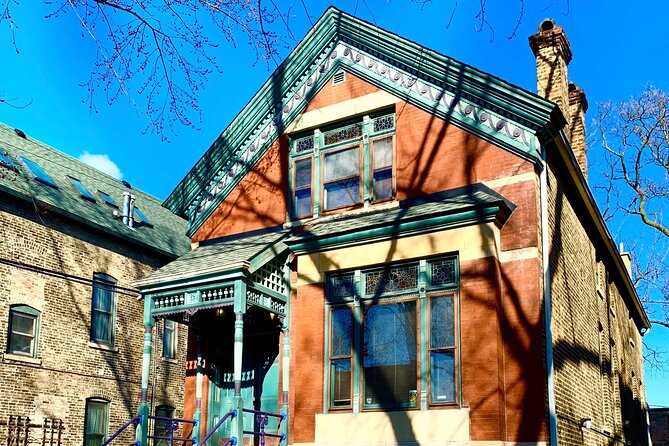
The key attraction is the workers’ cottage. These houses reflect a practical side of Chicago architecture from the late 1800s. They were built for working families, and their modest scale gives the neighborhood a different character from the grand urban mansions found elsewhere in the city.
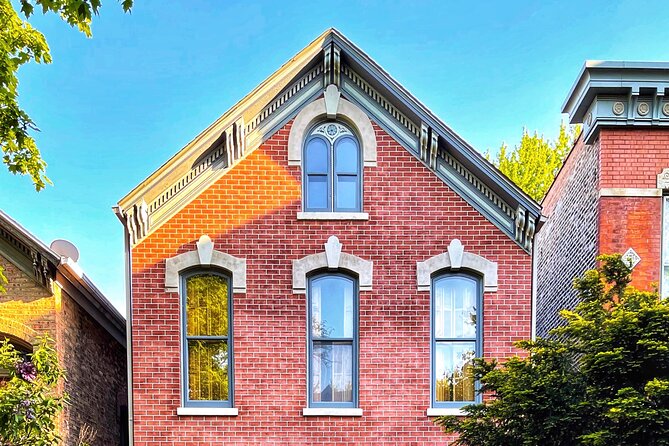
You’ll see more than 40 examples, along with many other historic properties. That number matters because one cottage alone can seem like a pleasant old house. A series of them lets you compare shapes, materials, details, and layouts. You begin to see a local building tradition rather than a collection of unrelated addresses.
I like this approach because it makes the street itself the exhibit. You are not moving from one sealed museum room to another. You are walking through a living neighborhood and learning to spot architectural details in place.
More history tours in Chicago:
- Chicago in a Day: Food, History & Architecture Walking Tour
★ 5.0 · 1,153 reviews - Chicago: Field Museum of Natural History Ticket or VIP Tour
★ 4.7 · 717 reviews - Field Museum of Natural History Admission Tickets
★ 4.5 · 489 reviews
Ronnie’s architecture stories give the walk its shape
Host Ronnie is a major part of the experience. His enthusiasm for architecture comes through in the way he explains the homes and connects them to Chicago’s past. This is not simply a route that points out old facades. The goal is to understand why the buildings look as they do and what they reveal about the people who built and used them.
The strongest moments are likely to come when Ronnie puts a single property into context. A porch, roofline, window arrangement, or change in scale can become a clue to the period and purpose of a house. You may also hear stories reaching back 150 years or more, giving the walk a useful time frame.
Ronnie’s style appears especially suited to people who enjoy asking questions. With no more than eight people, you should have a better chance to pause, ask about a building, or request clarification than you would on a large city tour.
The experience does depend on the guide’s storytelling. If you only want a quick list of famous landmarks, this may feel slower than necessary. If you enjoy understanding how architecture reflects daily life, the format has real appeal.
The route through more than 40 workers’ cottages
The main stop is Wicker Park itself, but the tour is not limited to one building or one short block. You’ll see more than 40 workers’ cottages and at least 25 historic homes, mansions, and other buildings along the route.
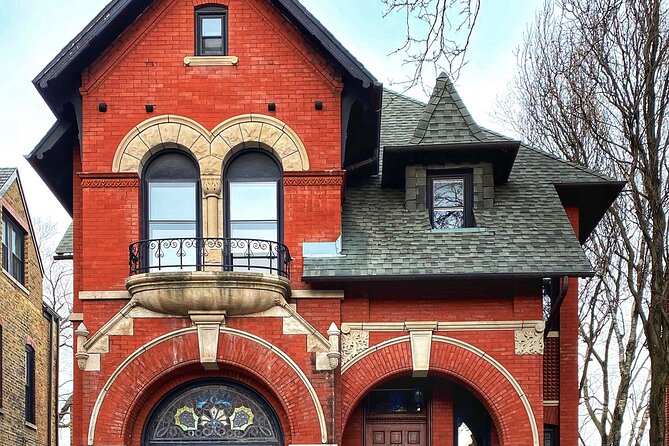
That variety is important. The cottages provide the main theme, but the surrounding properties prevent the walk from becoming repetitive. You can compare modest homes with larger residences and see how different building styles fit together within the same part of Chicago.
The tour also gives you a chance to notice how a neighborhood changes over time. Historic buildings do not all come from one moment. Their differences can show shifting tastes, household needs, and the growth of the city. You are not just looking at pretty facades. You are reading the layers of Wicker Park one street at a time.
The supplied details describe the route as roughly three miles and two hours or more, even though the main tour summary lists about 90 minutes and the stop description mentions one hour. I would plan for at least two hours and wear shoes you can comfortably use for a long urban walk.
What the 6 p.m. start means for your day
The tour begins at 6 p.m. at 1237 North Hoyne Avenue. That timing makes it easy to spend the afternoon elsewhere in Chicago and then finish your day with architecture and neighborhood history.
An evening start can also change how you notice the streets. The tour is not presented as a morning sightseeing circuit. You will be seeing Wicker Park at the transition into evening, when the neighborhood’s residential and social sides begin to overlap.
The exact daylight conditions will depend on the season and weather. Since the experience requires good weather, check the forecast before you commit your evening to it. If poor weather forces a cancellation, you are offered another date or a full refund.
The route ends at 2001 West Division Street, at the corner of West Division Avenue and North Damen Avenue. The endpoint is described as a four-story red brick historic building. This clear point-to-point setup is useful, but remember that you will not return to the starting address as part of the tour.
More walking tours in Chicago:
- Chicago: Gangsters and Ghosts Walking Tour
★ 5.0 · 7,155 reviews - Chicago Favorites Ultimate Food and Walking Tour
★ 5.0 · 1,962 reviews - Chicago: Gangsters and Ghosts Guided Walking Tour
★ 4.7 · 1,697 reviews - Chicago’s Secret Interiors Architectural Walking Tour
★ 5.0 · 635 reviews
The Atlas app is a useful extra
The tour uses an application called Atlas. It includes the stops, photographs, and additional information about the properties you are seeing.
That feature gives the walk more staying power. You can connect the building in front of you with a visual reference and perhaps remember details after the tour ends. It also helps make sense of a route that includes many addresses, since a long line of historic homes can otherwise blur together.
I would treat the app as a companion rather than the main event. The value of the tour comes from seeing the properties in context and hearing Ronnie explain them. The digital material should help you follow along, not replace the guide.
For people who like architecture, the photographs and property details may be especially useful. For those who prefer to keep their phone in a pocket, the walk should still work as a guided neighborhood outing, though the available app information is one of the experience’s distinctive features.
How the $45 price holds up
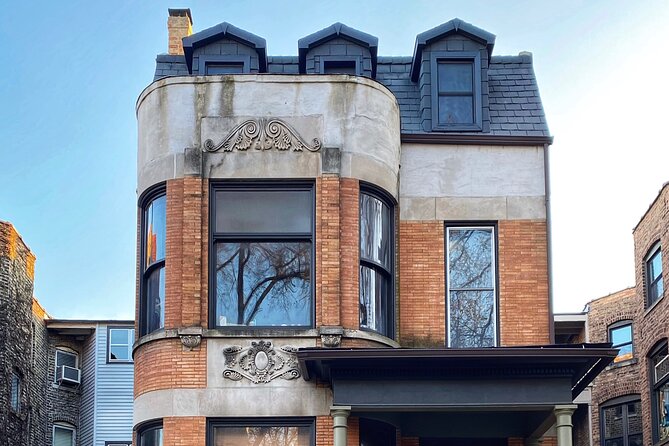
At $45 per person, this is not the cheapest way to spend an hour in Chicago. The price makes more sense if you value a specialist-led walk, a group capped at eight, and a route built around dozens of properties rather than a single famous sight.
You are paying for interpretation. Wicker Park’s cottages are visible without a ticket, but finding more than 40 of them, understanding their differences, and placing them in Chicago’s past takes planning. Ronnie’s explanations add the part you cannot get from simply walking the streets alone.
The small group also affects the value. A large architecture tour can cover more people at a lower price, but it may offer less room for questions and less attention to the buildings directly in front of you. This tour aims for a more personal experience.
The value drops if you want a short, relaxed stroll or have no interest in architecture. It also drops if the actual route runs beyond two hours and you have scheduled another activity immediately afterward. Allow extra time so the walk does not become a race.
Who will enjoy this walk most
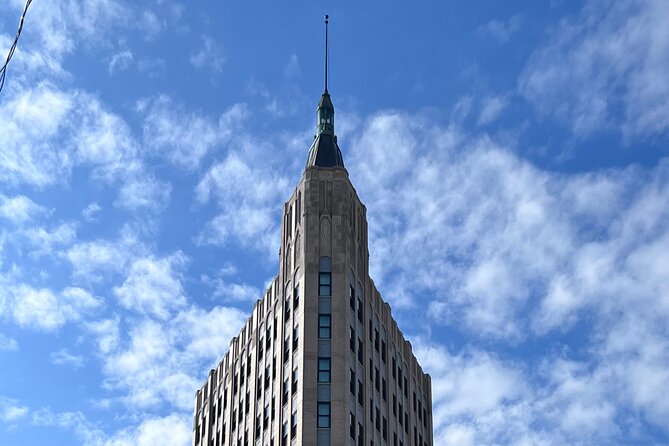
I would recommend this tour to adults and older teenagers who like city design, old homes, and local stories. It suits people who want to leave the main tourist routes and spend time in a neighborhood rather than move between major attractions.
It is also a good match for repeat visitors to Chicago. You may already know the city’s best-known landmarks, yet still have plenty to learn from a residential district and its building traditions.
The tour is not suitable for most children under 13, according to the tour information. That makes sense given the length, walking distance, and architecture-focused discussion. The activity also asks participants to have moderate physical fitness.
You should be comfortable walking about three miles and remaining on your feet for the longer version of the tour. Service animals are allowed, and the starting area is near public transportation. No other accessibility details are provided, so anyone with specific mobility needs should confirm them before booking.
What to bring and how to plan
Wear comfortable walking shoes. That is the single most useful preparation for a route that may last two hours or more.
Bring weather-appropriate clothing and check the forecast. The experience requires good weather, and poor conditions can lead to a new date or a full refund. An evening tour also means you should consider the season and how much daylight remains.
Arrive ready to begin at 6 p.m. The start point is 1237 North Hoyne Avenue, while the finish is at 2001 West Division Street. Since the tour ends in a different location, plan your onward transport from the Division and Damen area rather than from Hoyne Avenue.
The booking confirmation arrives at the time of booking, and the maximum group size is eight. The experience is non-refundable and cannot be changed for personal reasons, so be sure your schedule and weather plans are workable before paying.
Why the historical context is worth your time
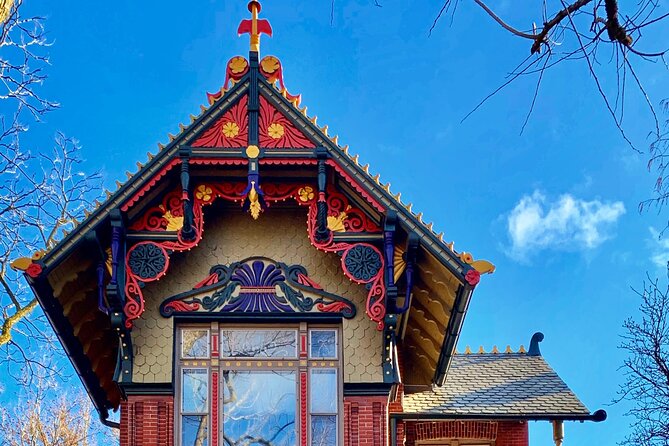
The best reason to book this walk is that it changes how you read a city. A cottage can look like a small old house until someone explains its place in Chicago’s working neighborhoods. A mansion can seem like an isolated showpiece until you see it beside more modest homes and understand the range of people who shaped the area.
The walk also gives you a more grounded view of Chicago architecture. You are not only studying grand public buildings or celebrated landmarks. You are looking at ordinary homes, repeated building forms, and the ways a neighborhood developed over many decades.
I especially like that the experience treats the cottages as a Chicago architectural tradition. You get to compare several examples instead of hearing about one unusual survivor. The scale is human, the route is local, and the stories connect buildings to daily life.
The tradeoff is that the tour may not provide the broad overview of Chicago that a citywide sightseeing trip would. Its focus is narrow by design. That is a strength if Wicker Park and residential architecture interest you, but a limitation if you want major landmarks, skyline views, or a general introduction to the entire city.
Should you book the Wicker Park cottages tour?
Book it if you want a focused, small-group walk that reveals the historic side of a neighborhood better known for its modern social scene. The combination of more than 40 workers’ cottages, additional mansions and historic buildings, Ronnie’s explanations, and the Atlas app gives you plenty to examine for the price.
Skip it if you need a short outing, have health concerns that make a three-mile walk difficult, or prefer headline attractions to residential architecture. Also check the duration carefully. The information gives both a 90-minute estimate and a two-hour-plus description, so plan for the longer version.
For the right audience, this is a thoughtful way to spend an evening in Chicago. You will leave with more than a set of photographs. You will have a better sense of how ordinary homes can explain a city’s past.
FAQ
Where does the Historic Homes and Cottages of Wicker Park Walking Tour start?
The tour starts at 1237 North Hoyne Avenue, Chicago, Illinois 60622.
What time does the tour begin?
The scheduled start time is 6 p.m.
Where does the tour end?
It ends at 2001 West Division Street, at the corner of West Division Avenue and North Damen Avenue.
How long is the tour?
The main tour details describe it as approximately 90 minutes, but the route information also describes a two-hour-plus, three-mile walking tour. Plan for the longer duration.
How far do you walk?
The route is described as about three miles.
How many people can join the tour?
The maximum group size is eight people.
What will I see during the walk?
You’ll see more than 40 workers’ cottages in Wicker Park, along with more than 25 historic homes, mansions, and other buildings.
Is the tour offered in English?
Yes. The tour is offered in English.
Is the tour suitable for children?
The tour information says it is not suitable for most children under 13 because of the length and walking demands.
What happens if bad weather cancels the tour?
If poor weather causes a cancellation, you’ll be offered a different date or a full refund.
Recently added around Chicago
- Travel between Chicago O’Hare and Madison★ 4.5 · 4 reviews
- Volo Auto Museum: Admission Ticket★ 4.5 · 55 reviews
- Holiday Walking Tour: Underground Chicago via the Pedway★ 5.0 · 27 reviews
- Workers Cottages of Oldtown Triangle Walking Tour★ 5.0 · 45 reviews
- Verse Immersive Holographic Theater in Chicago★ 4.5 · 28 reviews
- Vito’s Vault Chicago finest dinner theatre speakeasy★ 5.0 · 14 reviews
- Delicious Donuts & Sweet Treats: West Loop Walking Tour★ 5.0 · 47 reviews
- Traveling Spoon Chicago-Style Deep Dish Pizza Private Online Cooking Class★ 5.0 · 4 reviews
Chicago History Tours, compared.

Chicago in a Day: Food, History & Architecture Walking Tour
Read our review →
Field Museum of Natural History Ticket or VIP Tour
Read our review →
Field Museum of Natural History Admission Tickets
Read our review →
Chicago Walking Tour: Historic Treasures of Chicago
Read our review →
Historical and Architectural Chicago Fireboat River & Lake Cruise
Read our review →
Walkin’ with Colin: Chicago History-Mystery-Comedy-Tragedy Tour
Read our review →
Field Museum of Natural History All-Access Pass
Read our review →
Browse the lists this tour appears in